
- Characteristics of the variety
- History of origin
- Botanical description
- Habitat
- Pollinators and fruiting
- Pros and cons: is it worth planting?
- Landing rules
- Deadlines
- Preparing the site and seedlings
- Diagram and step-by-step algorithm for planting operations
- Further care
- Irrigation
- Mulching the soil
- Crown formation
- Top dressing
- Protection from diseases and pests
- Shelter for the winter
- Varietal types
- Varieties
- Williams Summer
- Williams Red
- Williams Winter
- Wild Moscow
- Angouleme
- Garden Moscow
- William Rouge Delbara
- Gardeners' reviews
Among the fruit crops grown by gardeners and vegetable growers, the Duchesse pear variety is the most common. This easy-to-grow fruit tree has gained popularity for its consistent yields, ease of care, and delicious, sweet, juicy fruit. This fruitful pear is grown worldwide, both commercially and in private gardens.
Characteristics of the variety
The Duchesse pear variety requires little care and attention, is easy to grow in any climate, and is tolerant of soil conditions. Ripe fruits store well and are easily transported over long distances.
History of origin
The first mentions of the Duchesse pear variety date back to the mid-18th century. It was then that the English breeder Wheeler developed a new variety of the fruit crop. At the end of the same century, an English farmer named Williams presented the new pear variety at an international exhibition. The variety was named after this enterprising farmer, who initiated the spread of the new fruit crop worldwide.
In European countries, the variety is known as the Williams pear; in the CIS countries, the variety received the beautiful name Duchess, which means duchess.
This is just the beginning of the variety's history. Today, breeders around the world have developed numerous varieties of Duchesse pear, differing in both tree height and fruit flavor.
Botanical description
The Duchesse pear is considered a dessert, versatile fruit variety. Depending on the variety, the trees grow from 4 to 20 meters tall, with a wide, spreading, or elongated crown. The foliage is dense and numerous, with large, oval, elongated leaves with pointed tips and serrated edges, and a rich, dark green hue.
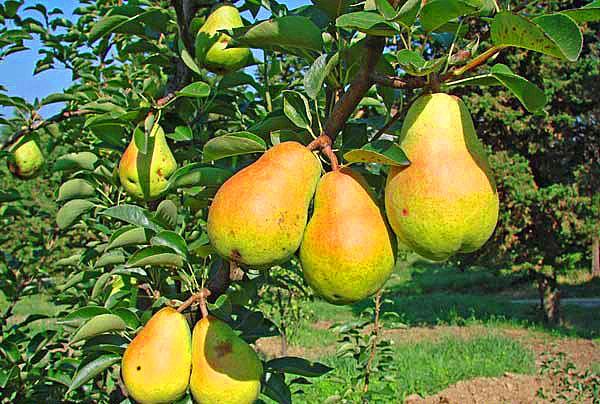
The tree enters the flowering phase before the foliage appears. The plant produces inflorescences containing 6 to 8 large, white flowers.
Important! During flowering, fruit trees tolerate sudden changes in spring temperatures and frosts well.
Habitat
Duchesse fruit trees have a hard time withstanding prolonged frosts. In northern regions, the trees freeze. In temperate and southern climates, the pear grows and develops quickly and produces high yields.
Pollinators and fruiting
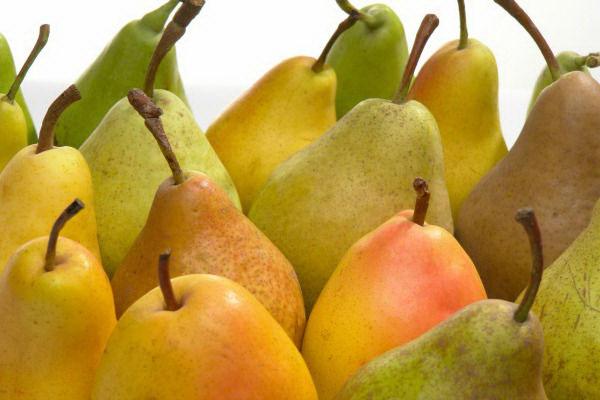
The fruit tree is unable to self-pollinate. Therefore, the Duchesse pear requires the right pollinating neighbors to bear fruit. Any pear variety with a similar flowering period is suitable for pollination. Trees begin to bear fruit in the fifth to sixth year of growth. Ripe fruits are large, ranging from 150 to 600 g, depending on the variety, juicy, with a sweet, muscat-like flavor.
 Important! Fruit tree varieties have different flowering times, so pollinators are selected individually for each variety.
Take a look Also
Pros and cons: is it worth planting?
Before planting a fruit tree in your garden, you need to understand the pros and cons of the variety you'll encounter while growing it.
Advantages:
- Stable and high annual yields of ripe fruits.
- The fruits ripen at the same time.
- According to experts, the fruits have excellent taste.
- Ripe fruits are used both raw and processed.
- The garden crop easily tolerates spring frosts even during the flowering period.
- Easy to care for.
- Long-term storage and the possibility of long-distance transportation of ripe fruits.
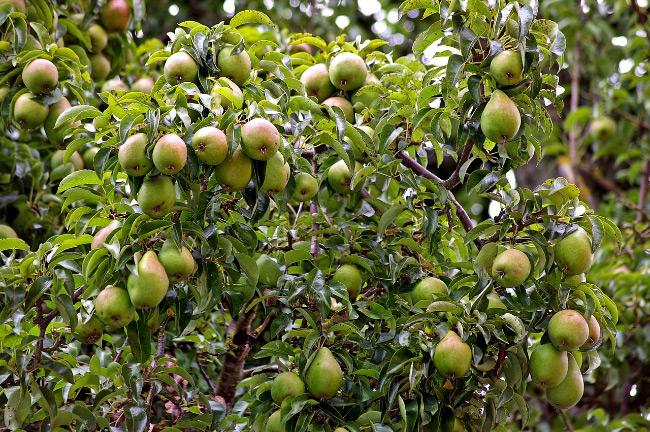
Ripe fruits contain a huge amount of substances and vitamins necessary for the body.
Flaws:
- Trees lack the ability to pollinate themselves.
- Low frost resistance threshold.
- Does not tolerate prolonged drought well.
- Weak natural immunity to viral and fungal infections, often attacked by pests.
Tip! With timely and careful care of fruit trees, the risk of disease and pests is reduced to a minimum.
Landing rules
Growing a varietal fruit crop requires no special skills or knowledge. Therefore, even a novice gardener or farmer can grow the Duchess pear variety.
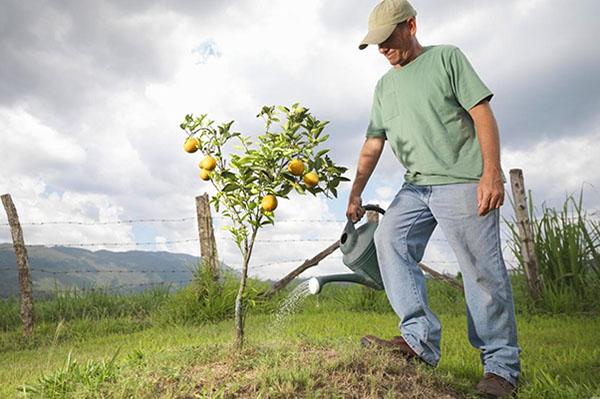
The main guarantee of obtaining a high-quality and abundant harvest of ripe fruit is proper planting and subsequent care of the seedlings.
Deadlines
Planting a garden tree depends on the region's climate. If autumn is long and warm, planting a pear tree in the fall is recommended.
At the same time, when planting seedlings in the spring, there is a whole summer ahead, during which the trees will take root and easily survive their first winter.
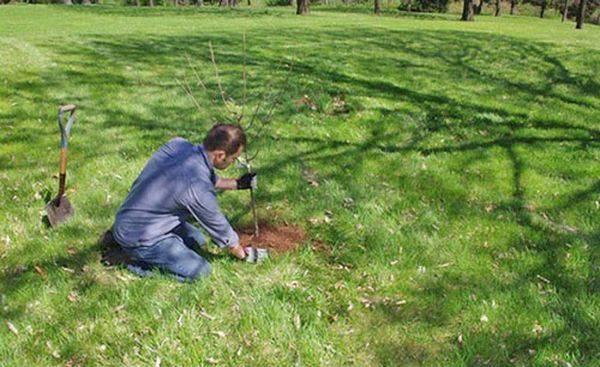
The main thing is to choose a well-lit, draft-free spot in your garden. A slightly elevated site is considered ideal for pear trees.
Preparing the site and seedlings
When purchasing seedlings, carefully inspect the rhizomes and trunk of the tree. The seedling and roots should be free of damage, rot, or fungal growth.
If seedlings are planted in the spring, the soil on the site is prepared in the fall.
- On the dug-up area, dig a hole up to 1 m deep and 70-80 cm in diameter.
- The soil excavated from the hole is mixed with humus and mineral fertilizers, and a drainage layer of small stones is placed on the bottom of the hole.
- Fertile soil is placed in a mound in a prepared hole, watered and left until spring.
Important! Maintain a distance of 1.5 m between seedlings and 2.5 to 3 m between rows. The closer fruit trees are planted, the larger and better the harvest will be at the end of the season.
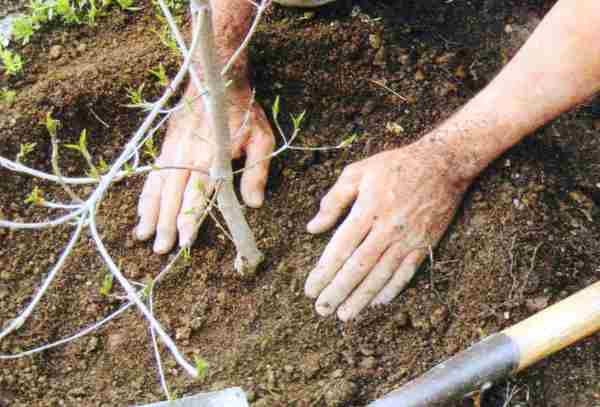
Diagram and step-by-step algorithm for planting operations
Before planting outdoors, seedlings are placed in a container of warm, settled water for 6-10 hours. Then, the rhizomes are treated with disinfectants and, if necessary, growth stimulants.
- A seedling is placed in a pre-prepared hole.
- The roots are evenly distributed throughout the hole and covered with fertile soil.
- A support peg is driven in next to the tree.
- The soil is thoroughly watered and mulched with dry grass or sawdust.
Work on planting pear seedlings is carried out in calm, clear weather.
Further care
Like any other fruit crop, pears will require watering, fertilizing, pruning and loosening of the soil.

Irrigation
Water the tree no more than four times during the entire season. If the summer is rainy, reduce the frequency of watering. Irrigation is especially important during bud swelling, active flowering, and fruit ripening.
The last watering is done in late autumn, before the onset of frost.
Mulching the soil
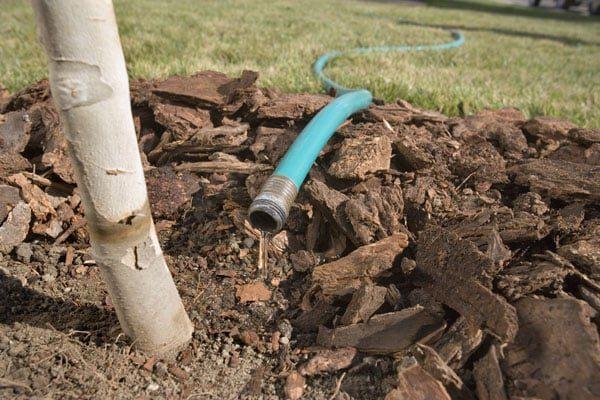
Before wintering, the tree's trunk circle is mulched using a mixture of peat and sawdust. The tree's trunk circle is covered with a thick layer of mulch up to 30 cm thick, which not only protects the tree's roots from freezing but also helps release nutrients into the soil.
Crown formation
With the arrival of spring, before the growing season begins, young trees undergo formative pruning. Layers of 5-7 skeletal branches are formed on the main trunk, and the remaining shoots are removed. This procedure is continued until the tree reaches its fifth year of age. After this, only sanitary or rejuvenating pruning is performed, removing all excess, broken, damaged, and frost-damaged branches twice a year, in spring and fall.
Top dressing
Fruit trees are fed annually with complex mineral fertilizers. In the fall, once every 2-3 years, the soil around the tree is mixed with organic fertilizer.
Protection from diseases and pests
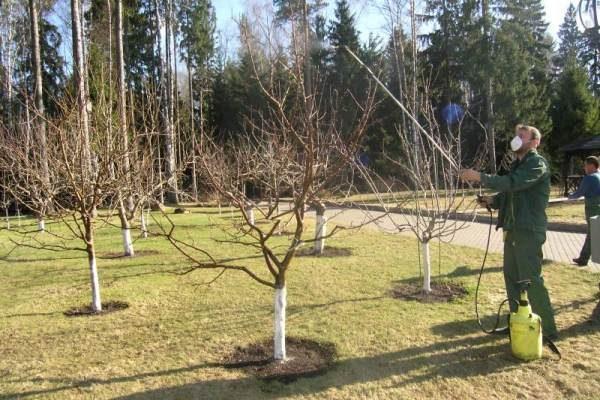
In early spring, fruit trees are treated prophylactically against fungal infections and pests. Professional copper-based products are used for this treatment.
In the autumn, plants are treated with fungicide-based preparations.
Shelter for the winter
The Duchess pear variety is winter-hardy enough to survive winters in temperate and southern latitudes. Therefore, if the soil is mulched and the tree is well-watered, it does not require additional insulation. Protect the lower part of the trunk from rodents and small animals by wrapping it with netting or special materials.
Varietal types
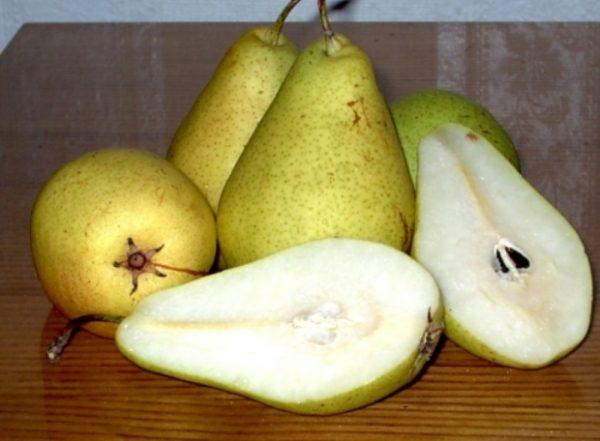
The Duchesse pear is divided into two main varieties: Duchesse or Summer Williams, and Duchesse or Winter Williams. These varieties differ in tree height, flowering time, and fruit ripening time. These varieties also require different pollinators.
Varieties
Based on the summer and winter pear variety Duchess, many varieties of garden crops have been bred
Williams Summer
Trees of this variety are small, growing up to 4 m, with a spreading crown. Fruiting begins in the 5th to 6th year of growth. The trees produce large fruits, averaging 200 g, with excellent flavor. Harvest occurs in the second half of August.
Williams Red
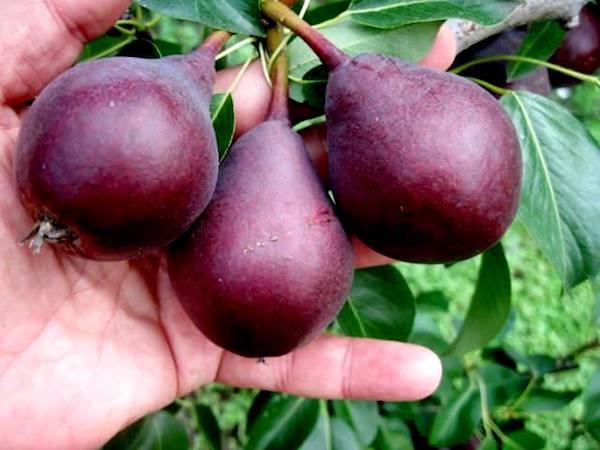
The most decorative and unusual hybrid of the Duchesse variety. A low-growing tree with red bark and burgundy, juicy, and sweet fruits. Young leaves also have red hues. The plant begins to bear fruit in the fifth year of outdoor growth.
Williams Winter
This tall tree grows up to 20 meters, with an elongated, spreading crown. Ripe fruits resemble their summer counterparts, but are much larger. Some specimens reach 600 grams. Fruiting begins in the sixth or seventh year of growth. Ripening occurs in mid-October. Therefore, in some regions, the harvest is harvested a little earlier, and the fruits ripen in the crates.
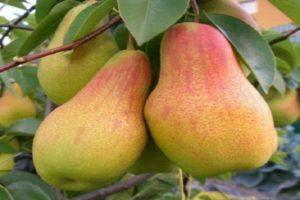
Wild Moscow
A tall tree, up to 20 m. Flowering occurs in May, and the harvest ripens in mid-autumn. Ripe fruits are uneven in size, weighing from 150 to 400 g. The fruits are juicy and sweet. A single tree can yield up to 200 kg of ripe fruit.
Duchess Wild Moscow grows well in various climatic zones and is not demanding regarding soil composition.
Angouleme
This heat-loving variety is grown primarily in southern regions. Fruiting begins in the fifth to sixth year of growth. A single tree yields 100 to 160 kg of ripe, very large fruits. Fruits often reach 1,000 g. Ripening occurs in the second half of August. The fruits have a shelf life of 3 to 5 months.
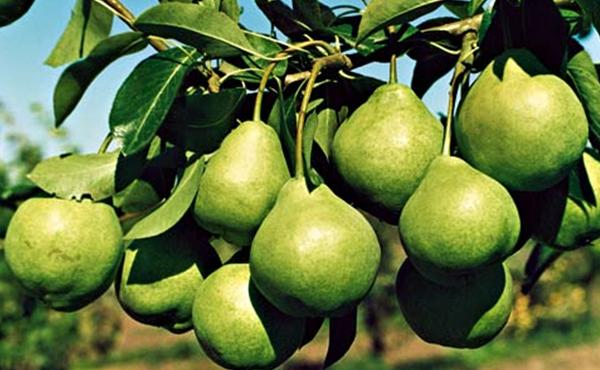
Garden Moscow
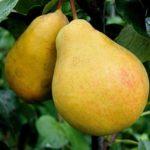
This hybrid giant grows up to 30 m. The fruits are large, from 800 to 1000 g, juicy, sweet, yellow with a bright pink blush.
William Rouge Delbara
This variety was developed spontaneously by American breeders and is considered a mutant of the William variety. This spontaneous cultivar has proven resistant to fungal diseases and easily tolerates short frosts and drought. The fruits are medium-sized, with the signature flavor of Duchesse pears.
Gardeners' reviews
Victor Sergeevich. Kursk.
My parents planted the Winter Duchess pear tree about 20 years ago. The Lesnaya Krasavitsa variety serves as a pollinator. Every year, the tree delights the whole family with very large, juicy, and simply honey-like fruits that last a long time and store well practically all winter. The largest harvest was last year, approximately 150 kg of fruit.
Ekaterina Petrovna. Murom.
We grow a summer Duchess tree at our dacha. We get a very large harvest of fruit every year. The tree is easy to care for, but it is often attacked by all sorts of pests, requiring annual treatment.
Valentina Vyacheslavovna. Shatura.
Our land is fertile, with peat bogs nearby. Ten years ago, we planted several varieties of Duchesse pear. I had no idea they had completely different fruiting and ripening times. Now we harvest from August until the end of October. We could have harvested longer, but the snow starts to fall, so the fruit ripens in the basement.
Related posts:
 Description and full characteristics of the Yakovlev Memory pear variety, planting and care
 Description of the 23 best pear varieties for the middle zone, planting and care rules
 Description and full characteristics of the August Dew pear variety, planting and care
 Description and characteristics of the 45 best pear varieties, how to choose
 Description and full characteristics of the Lada pear variety, care and cultivation
 Description of the Cathedral pear variety, planting and care features
 Description of the Forest Beauty pear variety, planting and care specifics
 Description and characteristics of the Marble pear variety, pollinators and cultivation subtleties