
- Selection of varieties and cultivation regions
- Main advantages and disadvantages
- Description and characteristics of the Abbot pear
- Tree size and annual growth
- Branching of the root system
- Fruiting
- Flowering and pollinators
- Fruit ripening time
- Productivity and taste
- Application of pears
- Drought and cold resistance
- Immunity to diseases and pests
- Planting technology
- Deadlines
- Site selection and soil preparation
- Tree planting patterns and rules
- Care
- Watering and fertilizing
- Pruning and crown shaping
- Whitewash
- Diseases and pests: preventive treatments
- Preparing for the winter period
- Methods of reproduction
- Gardeners' reviews of the Abbot Vettel pear
In horticulture, the pear is one of the most commonly cultivated plants. When choosing a variety suitable for a given region, characteristics such as yield and long-distance transportability are considered. A popular variety is the Abbot pear, which combines excellent flavor with an attractive appearance.
Selection of varieties and cultivation regions
The Abbot pear's name is often supplemented with the word "fettel" in honor of the French Abbé Fettel, who developed this variety in 1869. This pear is particularly popular in France, as well as Italy and Spain. It is also common in many regions of Russia. Its limited frost resistance is a limiting factor, but through the efforts of breeders, this issue has been partially overcome, and the variety has gained popularity among gardeners.
Main advantages and disadvantages
The positive qualities allow us to preserve this pear variety and contribute to the expansion of its growing area:
- High commercial quality.
- Long-term preservation.
- Preservation during transportation.
- Juicy pulp.
- Sweet taste.
- Drought resistance.
- Self-pollination.
- Disease resistance.
- Pest resistance.
The main disadvantage is low frost resistance.
Pear trees can freeze at temperatures as low as -20°C. Southern regions are recommended for cultivation, and in colder regions, trees should be covered before the onset of severe frost.
Description and characteristics of the Abbot pear
The Abbot pear belongs to the Rosaceae family. Its key characteristics include a preference for warmth and autumn fruiting.
Tree size and annual growth
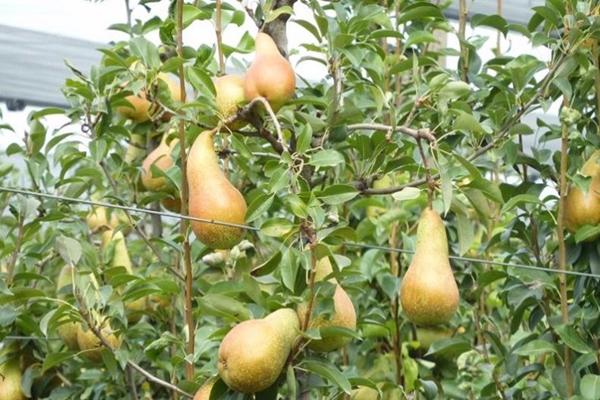
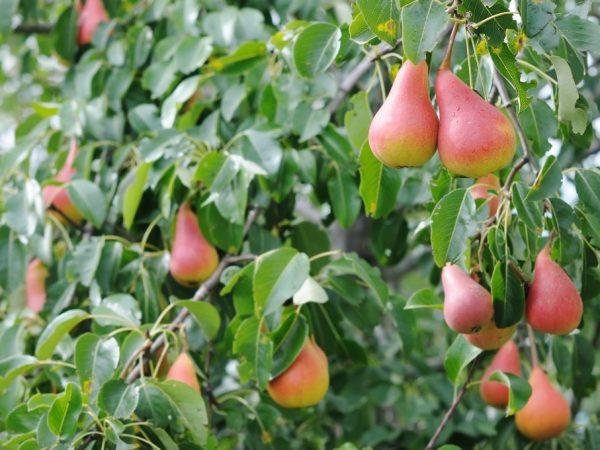
The trees are medium-sized, reaching a height of 5 meters. The crown of the pear is broad, pyramidal in shape. Dense branches grow at an upward angle relative to the trunk. The leaves are light green and oval. The bark of a mature pear tree has a gray tint.
In the first year, shoots are straight and long. Pear trees can begin harvesting fruit at four years of age. The pear tree produces its maximum fruit at six to seven years of age. Fruiting continues for up to 20 years.
Branching of the root system
During growth, the pear tree's root system can reach up to 8 meters in length. The roots extend deep into the soil, so areas with deep groundwater tables should be avoided. The condition of the root system should be considered when selecting a pear tree seedling. Preference should be given to those with firm, closed roots.
Fruiting
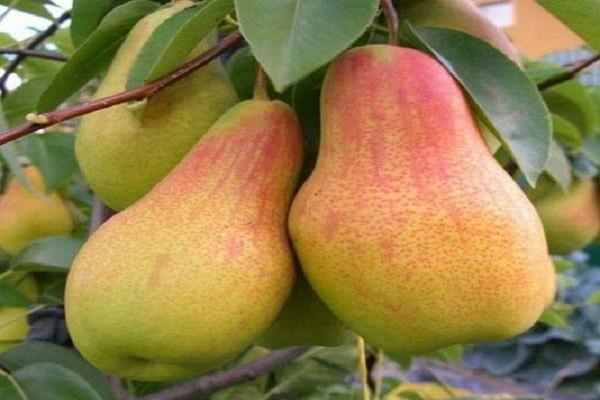
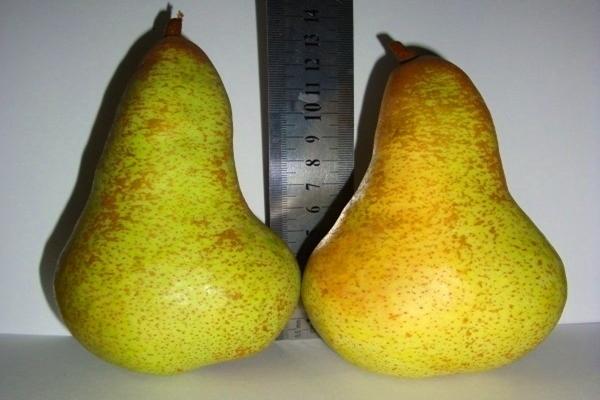
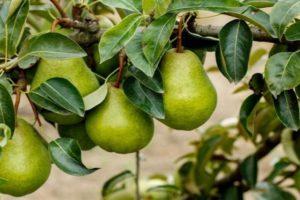
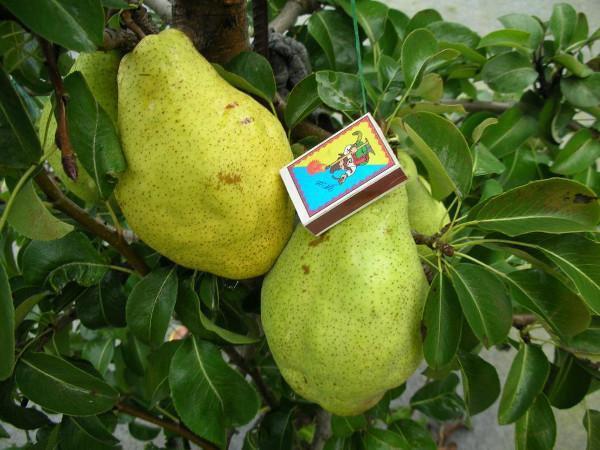
The first pear harvest can be obtained four years after planting, and these will be fully mature fruits. The average weight is 250 g, with particularly large specimens reaching 380 g. They are elongated, sometimes slightly asymmetrical. They reach 18 cm in length and 7.5 cm in diameter.
The stalk is small. The skin is thin but firm, dry, and rough to the touch. During storage, the skin turns yellow with a blush on one side.
There are small spots all over the surface, distributed evenly across the entire surface.
Flowering and pollinators
The Abbot pear tree blooms mid-late, beginning at different times in May depending on the region. One of its main advantages is self-pollination. This allows for solitary planting, but when grown alongside other varieties that act as natural pollinators, the yield increases, which positively impacts the tree's flavor.
Fruit ripening time
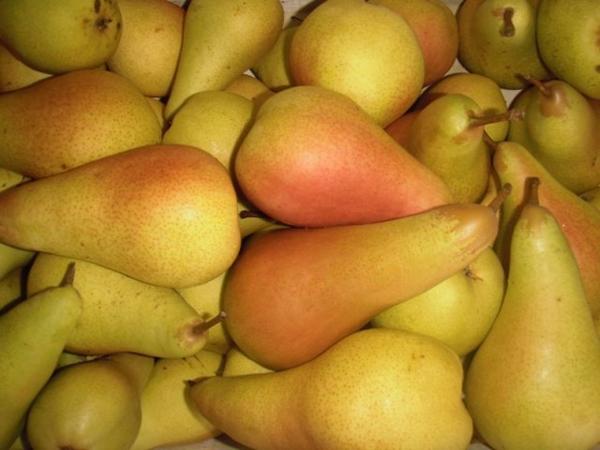
Harvesting can begin as early as the end of August. Full ripening occurs beginning in early September. To obtain a good harvest, the fruits should be picked 10 days before reaching consumer maturity. Harvesting can be done daily depending on the ripening of individual fruits.
Productivity and taste
Abbot is a mid-yielding autumn variety. Good fruiting requires positive temperatures from April to September, when the fruit can be harvested. Regional climate and soil quality also influence yield.
The white or creamy flesh is juicy and pleasantly aromatic. The sweet flavor is accented by a slight tartness. The consistency is free of hard particles and melts in the mouth.
Application of pears
Abbot Vettel pears contain significant amounts of vitamins and microelements. Pectins and tannins have a positive effect on gastrointestinal function. The fruit is suitable for fresh consumption, canning, various culinary processing, baking cakes, and making fruit salads and compotes.
Due to its low calorie and sugar content, this variety is considered a dietary product. This makes it suitable for baby food and for people with diabetes. Its long shelf life and excellent transport properties make it widely used in the food industry.
Drought and cold resistance
Pear trees don't have high drought tolerance. Insufficient water negatively impacts the flavor, juiciness, and size of the fruit. Drought can cause the tree to drop fruit.
Frost resistance is low. Severe frosts can damage the trunk beyond repair. In temperate climates, recurrent frosts can damage flower buds.
Immunity to diseases and pests
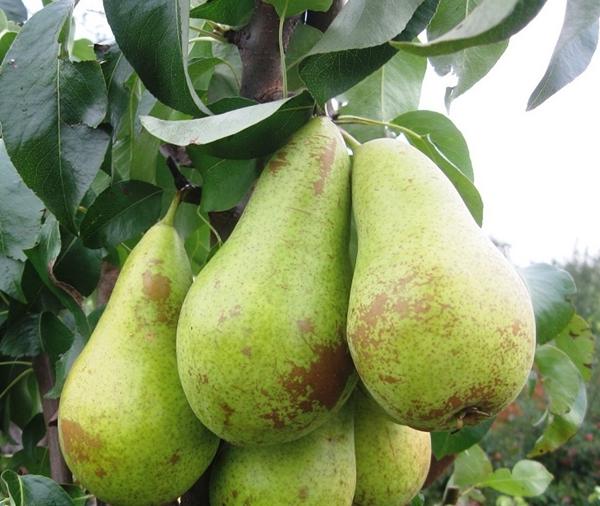
A major advantage of the Abbot pear is its resistance to various diseases. However, preventative measures, such as treating the plant with appropriate treatments, are necessary.
Planting technology
Proper pear planting is the key to a good harvest of delicious, healthy fruit. After carefully selecting a site, the soil must be thoroughly prepared before planting. Timing of this preparation is crucial.
Deadlines
Pear planting should coincide with the dormant period. This is early spring or fall, after the leaves have fallen. Spring pear planting should take place when the danger of frost has passed. Fall planting is considered more favorable. The seedling should be 1-1.5 years old.
Site selection and soil preparation
This pear variety prefers fertile, neutral, and well-aerated soil. The chosen site should not have a high water table. A shallow soil bed will prevent waterlogging and root rot. Heavy clay soil is unsuitable.
The Abbot pear does not tolerate drafts and strong gusts of wind well, so it should not be planted on a leeward side. However, care should be taken to ensure adequate sunlight. A lack of sunlight will impact yield, marketability, and flavor.
Before planting, the soil must be moistened to a significant depth so that the moisture reaches the ends of the seedling's root shoots.
Tree planting patterns and rules
Since this pear variety is medium-sized, one tree requires an area of 9-10 m2If mass cultivation is planned, the distance between adjacent trees should be 4-5 m, and between rows - 5-6 m.
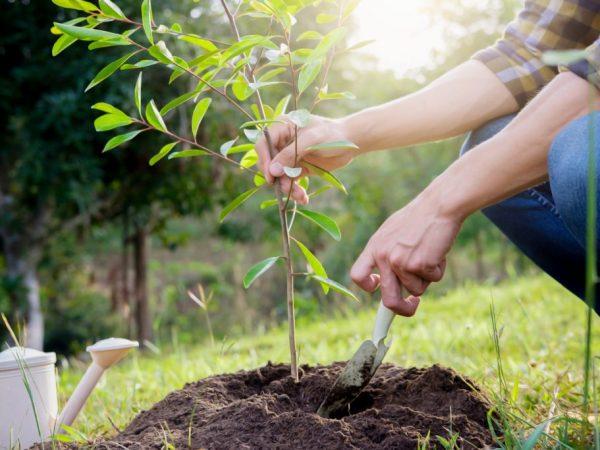
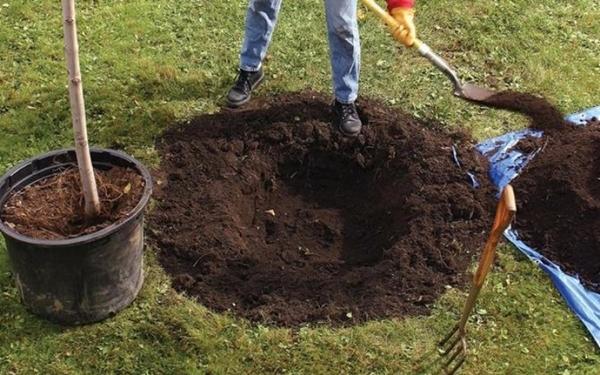
Before planting, pear seedlings should be inspected and dried roots removed. Any remaining roots should be treated with a mixture of one part clay and two parts ash. If the seedling has a closed root system, it should be lowered into the hole along with the soil. Planting a pear tree follows the following sequence:
- Dig a hole 1 m in diameter and 0.8 m deep.
- Add fertilizer in the form of superphosphate.
- Pour some soil into the hole to form a small mound.
- Place the seedling on the mound and straighten its roots.
- Fill with soil up to the ground surface level.
- Lightly compact the soil around the trunk of the seedling.
- Make a hole around it and pour water into it.
- Cover the ground around with mulch.
When planting, ensure that the root collar is above the soil surface.
It is recommended to install a support near the trunk and tie the seedling to it.
Care
After planting a pear tree, careful care of the young plant is essential to ensure a full harvest. This includes regular watering, fertilizing, pruning, shaping the crown, loosening the soil, and removing weeds.
Watering and fertilizing
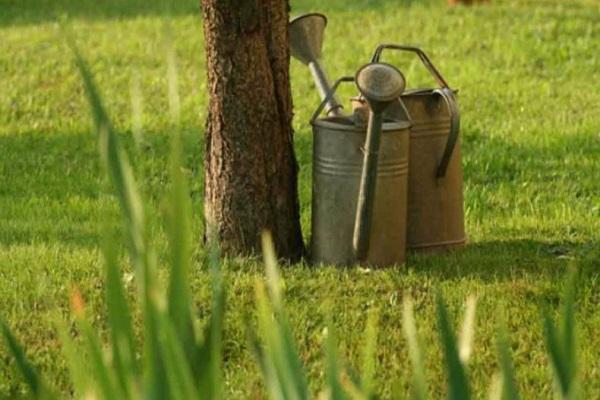
During the first month after planting, pear seedlings should be watered twice a week. The recommended amount is one bucket per tree. This variety is drought-resistant, so mature trees require less frequent watering. During dry weather, especially during flowering and fruit set, the tree can be watered every other day. The water should be warmed in the sun before pouring into the prepared hole. After watering, the soil should be loosened to enrich it with oxygen and kill weeds. Then, the soil should be mulched.
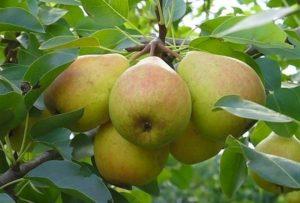
Watering can be combined with fertilizing the pear tree. Nitrogen fertilizers are applied in the spring. These include urea and saltpeter. Organic fertilizers include cow manure and chicken manure. During fruit set, phosphorus and potassium fertilizers are added.
In the fall, after harvesting, fertilizing is also necessary to establish the next year's crop. Chemical and organic fertilizers, such as humus, manure, and peat, are applied. Foliar feeding is done by spraying the leaves.
Pruning and crown shaping
This variety's advantage is its self-forming crown. However, regular sanitary pruning is necessary. This involves removing old, dry, and damaged shoots, thinning out dense areas, and removing suckers.
Whitewash
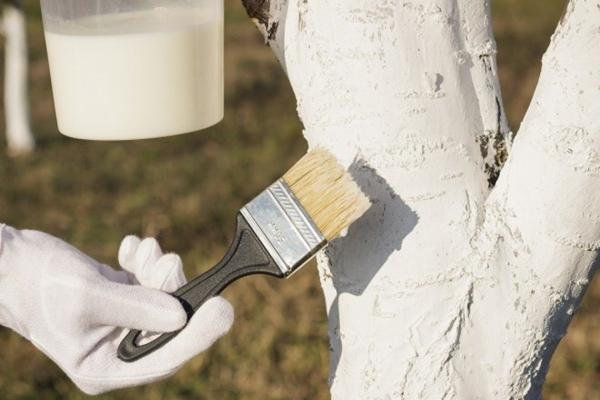
Timely whitewashing will protect the pear tree from sunburn, frost, insects, and rodents. The mixture is prepared from clay and lime in a 1:2 ratio, dissolved in water. The mixture is applied to the trunk with a brush.
Diseases and pests: preventive treatments
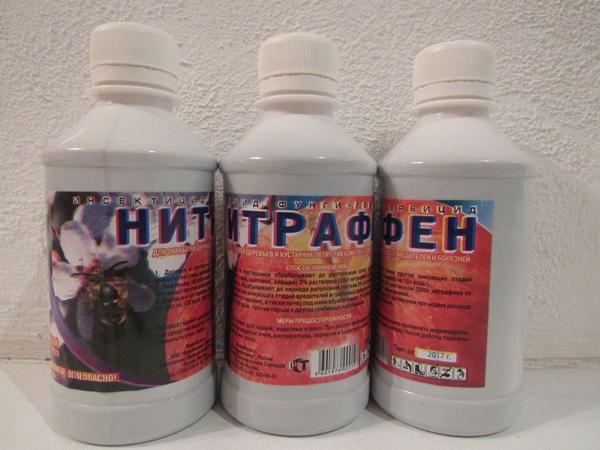
To prevent scab, which manifests as velvety spots on the leaves, ventilation is essential. Infected seedlings are treated with Nitrafen and Dnok.
Sooty mold, a black coating, can occur due to a mineral deficiency, so increase the amount of minerals in your fertilizer. In the case of powdery mildew, burn damaged leaves and fruit. Sooty mold is transmitted by insects. Insecticides and fungicides are used to control it.
Preparing for the winter period
When grown in warm climates, pear trees don't require significant shelter. In northern regions and central Russia, preparation includes mulching and covering the trunk with a special fiber. Coniferous tree branches will protect against rodent damage.
Methods of reproduction
Abbot Vettel is best grown from first- or second-year seedlings. These should be purchased from specialized nurseries, where a certificate of quality is provided with the purchase. Another method is propagation by cuttings.
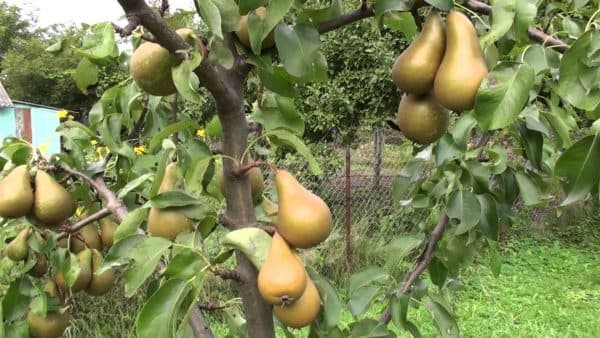
Gardeners' reviews of the Abbot Vettel pear
Gardening enthusiasts have raved about growing this pear variety. The yield is sufficient not only to feed the family but also for sale.
Related posts:
 Description and full characteristics of the Yakovlev Memory pear variety, planting and care
 Description and characteristics of the 45 best pear varieties, how to choose
 Description of the 23 best pear varieties for the middle zone, planting and care rules
 Description and characteristics of the Marble pear variety, pollinators and cultivation subtleties
 Description and full characteristics of the August Dew pear variety, planting and care
 Description and subtleties of growing the Efimova Elegant pear variety
 Description and subtleties of growing the Russian Beauty pear variety
 Description of the 10 best columnar pear varieties, planting and care