
- Selection of the pear Naryadnaya Efimova
- Regions of hybrid cultivation
- Pros and cons of fruit crops
- Varietal features and characteristics of the variety
- Dimensions and height of the tree
- Life expectancy
- Fruiting
- Flowering and pollinators
- Ripening time and harvest
- Tasting qualities and use of fruits
- Frost and drought resistance
- Immunity to diseases and insects
- Planting the Efimova Elegant Pear
- Optimal timing
- Soil requirements
- Planting layout schemes
- Preparing the site and seedlings
- The technological process of tree planting
- Rules for caring for the variety
- Irrigation and fertilization
- Crown formation
- Whitewash
- Loosening and weeding the tree trunk circle
- Rejuvenation
- Prevention of diseases and pests
- Preparing for winter
- Methods of reproduction
- How to Increase Your Yield: Tips and Advice
- Gardeners' reviews of the variety
The Efimova Naryadnaya pear has earned popularity among gardeners thanks to the extraordinary beauty of its fruits. Their shape is perfect, free of defects and flaws. Furthermore, the harvest retains its marketable and flavor qualities for a long time, and is resistant to pests and diseases. This pear is rightfully considered the most environmentally friendly variety, producing not only beautiful but also delicious fruit.
Selection of the pear Naryadnaya Efimova
Efimova's "Elegant" pear has been known to gardeners since the 1930s. It is named after its discoverer, who bred it from the parent varieties "Tonkovetka" and "Lyubimitsa Klappa." The harvest ripens in early autumn, making it ideal for temperate climates. The plant has become established not only in Russia but also in neighboring countries. Its flavor rivals that of the beloved "Prazdnichnaya" variety.
Regions of hybrid cultivation
Efimova's elegant variety is successfully cultivated in the following areas:
- Central region of Russia;
- Moldova;
- Ukraine;
- Estonia;
- Kazakhstan.
When grown in colder climates, the tree needs to be insulated for the winter.
Pros and cons of fruit crops
Like any variety, Efimova's Elegant has its advantages and disadvantages, which help gardeners make the right choice. Its advantages include:
- the ability to grow crops for commercial purposes;
- suitability of fruits for long-term storage and transportation;
- excellent taste;
- frost resistance;
- high yield rates;
- regular fruiting.
Among the disadvantages, gardeners point out that it can be quite difficult to accurately determine the time to harvest. The pear also begins bearing fruit late.
Varietal features and characteristics of the variety
Varietal characteristics and features allow gardeners to recognize the Efimova Elegant variety among other varieties by specific features, as well as learn about the specifics of pear cultivation techniques.
Dimensions and height of the tree
The tree reaches a maximum height of 5 m, with a medium-density crown. Branches grow at a 30° angle to the trunk. The bark is gray and smooth.
Life expectancy
The lifespan of a tree is more than 25 years, and with rejuvenating pruning and proper care this period is increased.
Fruiting
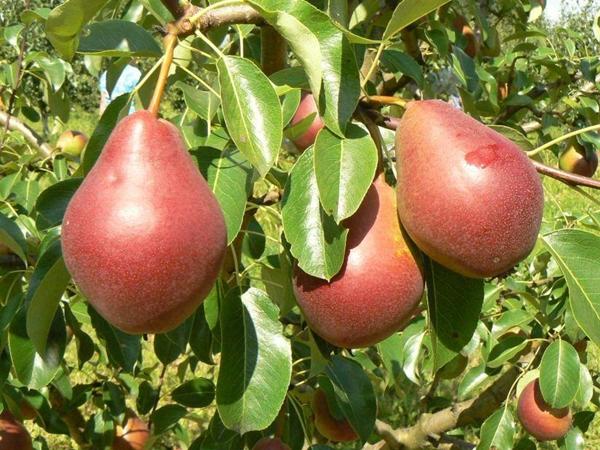
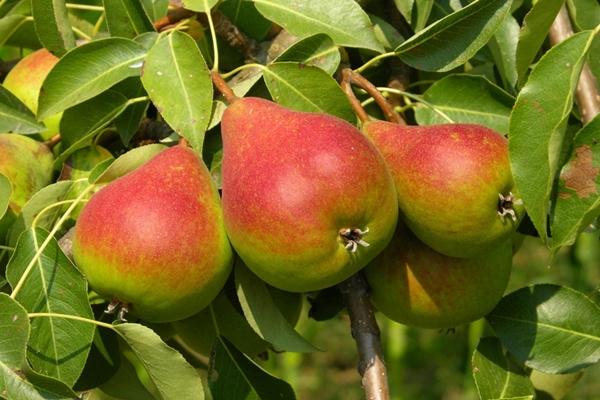
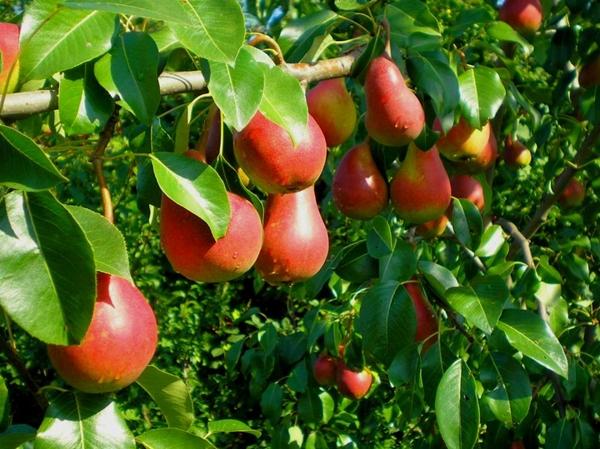
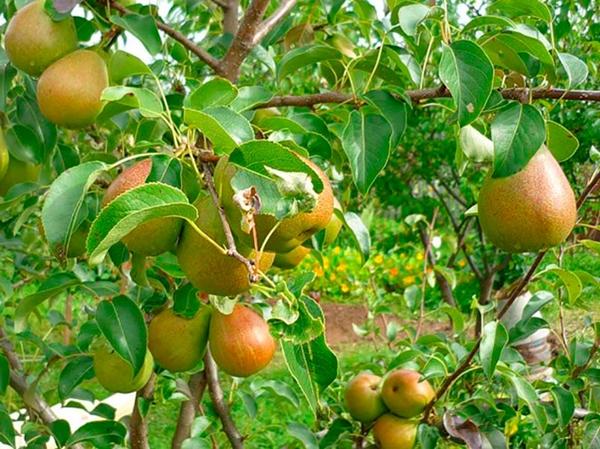
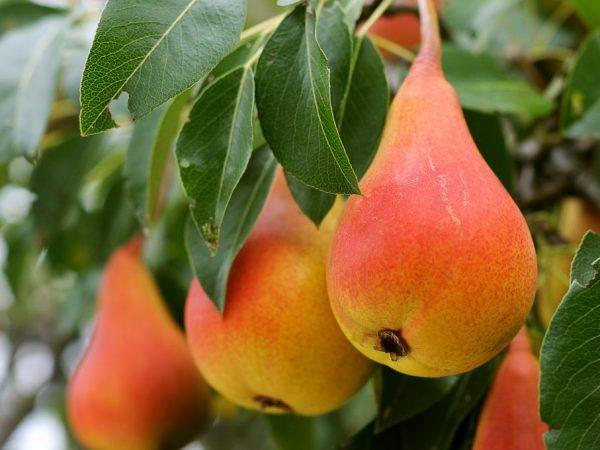
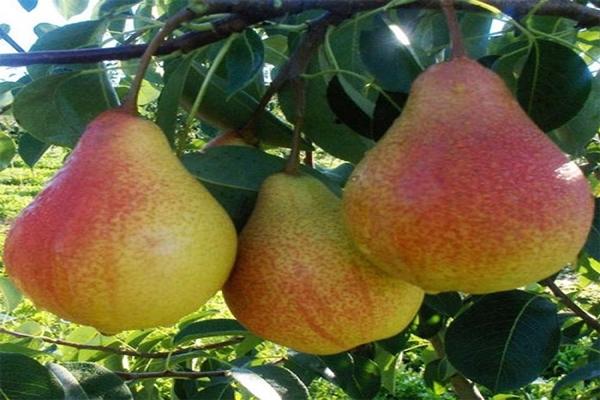
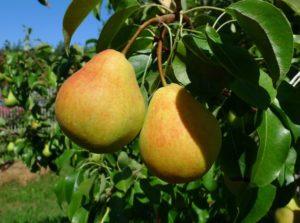
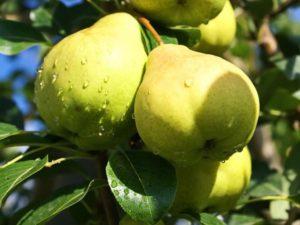
The Efimova decorative pear begins bearing fruit 6-7 years after planting. The fruit's maximum weight reaches 175 g. Initially, the fruit is green, but as it ripens, it turns first yellow and then purple. By the time it's fully ripe, the pear's color is almost completely burgundy.
Flowering and pollinators
The blooming of the Efimova Naryadnaya pear occurs unevenly. The flowers located at the bottom open first, followed a little later by those at the top. This characteristic helps the pear tree withstand recurrent spring frosts and delight with a good harvest every year. The small, white flowers have a strong, pleasant fragrance.
Take a look Also
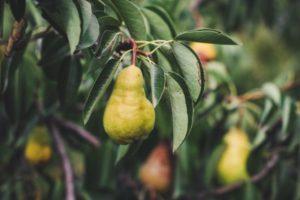
Efimova's Elegant variety is partially self-pollinating. To increase yield, it's recommended to plant nearby pears such as:
- Seedless;
- Yakovlev's favorite;
- Autumn bergamot;
- Marble;
- Muscovite.
Ripening time and harvest
The harvest of Efimova's Naryadnaya grapes begins in September. The exact time may vary depending on the region's climate and prevailing weather conditions.
Tasting qualities and use of fruits
The flavor of this pear variety is noted for its slight tartness. Overall, the tender and very juicy flesh has a balanced sweet and sour taste. The harvested fruit is used for:
- fresh consumption;
- additions to creams;
- preparation of cakes and confectionery;
- preparation of meat dishes;
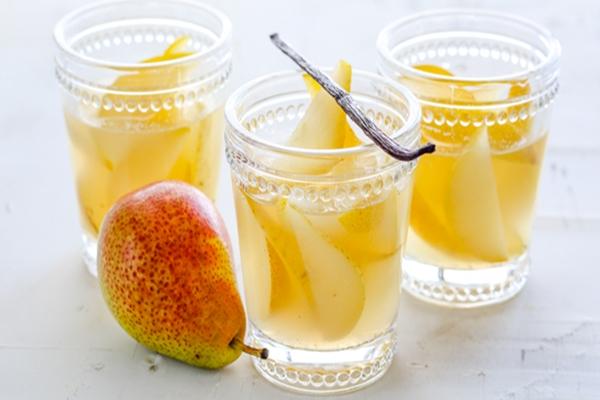
- preparations of jam and compotes;
- making marmalade;
- preparing desserts.
Frost and drought resistance
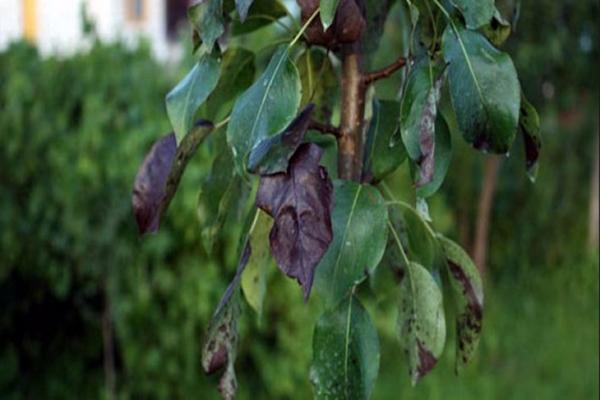
The Efimova Naryadnaya pear variety is highly frost-resistant and overwinters in temperate climates without additional cover. The tree can tolerate moisture deficits, but yields are significantly reduced, and the fruit's flavor and marketability are compromised. A white, powdery coating also appears on young branches and foliage.
Immunity to diseases and insects
Efimova's elegant figure has increased immunity to the following diseases:
- fire blight;
- scab;
- moniliosis;
- Cancer;
- pear rust.
It is important to note that the fruits are not susceptible to rot or spotting. Pears are also resistant to pests. These advantages allow gardeners not only to save money and time on preventative treatments but also to harvest an environmentally friendly crop.
Planting the Efimova Elegant Pear
The Efimova Elegant pear tree should be planted in a well-lit area protected from drafts. A south-facing location is preferred. There are also other planting considerations and requirements.
Optimal timing
Efimova's ornamental pear saplings can be planted in both spring and fall. However, in colder climates, spring planting is preferred. This is done when the outside temperature is consistently above freezing, but the trees have not yet begun to bud. In southern regions, pears can also be planted in the fall. Allow at least two weeks before the onset of sustained cold weather.
Soil requirements
The Efimova 'Elegant' pear does not tolerate flooded soils. If the groundwater level is too close to the soil surface, drainage is required. Even better, plant the seedling on a slightly elevated site. The pear can grow even in poor soil, but it is recommended to plant it in black soil. Both loamy and sandy soils are suitable for cultivation.
As for acidity, only a neutral pH level is acceptable for growing pears.
Planting layout schemes
When planting seedlings in a plot, remember to leave at least 4 m between adjacent trees. The distance between rows is approximately 5 m.
Preparing the site and seedlings
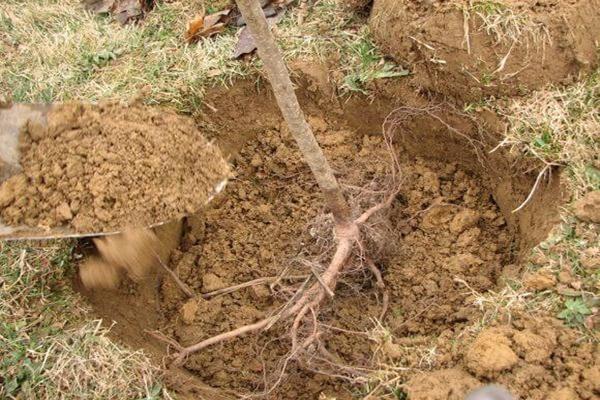
Two weeks before planting the pear seedling, dig a hole 1 m wide and 0.75 m deep. Allow the soil to settle before planting. Soak the young plant's root system in a rooting stimulator or in water with added potassium humate.
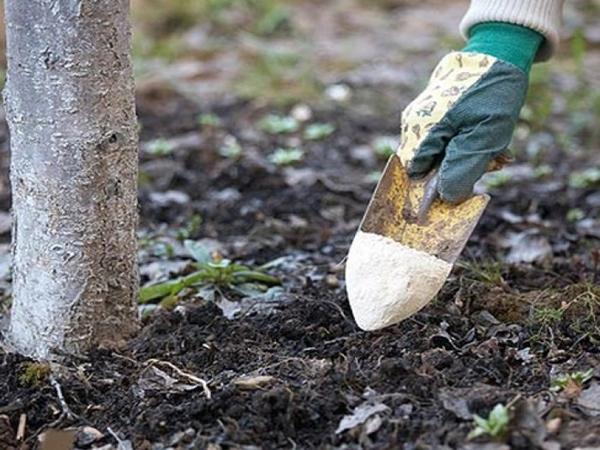
To fill the planting hole, prepare a nutritious soil mixture, which includes:
- humus;
- wood ash;
- potassium sulfide;
- superphosphate.
If the soil is acidic, adding lime is recommended. In sandy soil, it's a good idea to add additional humus and clay.
The technological process of tree planting
After completing the preparatory work, a drainage layer is placed at the bottom of the hole, followed by a mound of nutritious soil mixture. Carefully place the pear seedling, straighten the roots, and cover with soil so that the root collar is above the surface. After this, the soil is compacted and watered with two buckets of water, followed by mulching.
Rules for caring for the variety
To obtain a consistent, high-quality harvest, the Efimova Naryadnaya pear requires proper care, which includes not only timely watering and fertilizing, but also pruning, crown shaping, weeding, and soil loosening.
Irrigation and fertilization
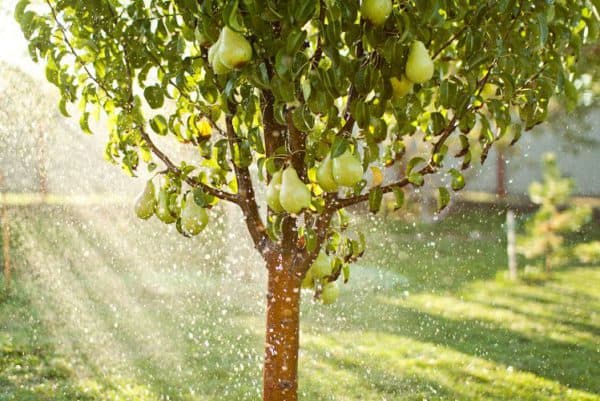
If the weather is dry and hot, the pear tree needs additional watering three times a week. Avoid allowing the soil to dry out during the flowering period, as this is when the fruit for the future harvest is forming.
After planting, fertilizing should only be done after three years. In the spring, it has a high nitrogen requirement, so the soil is fertilized with ammonium nitrate. When the pear tree blooms and sets fruit, it is fed with superphosphate. If the leaves of the Naryadnaya Efimova tree begin to turn yellow in midsummer, it requires urgent magnesium fertilization. In the fall, potassium and phosphorus fertilizersBefore the onset of cold weather and in spring, humus is added under the pear trees.
Crown formation
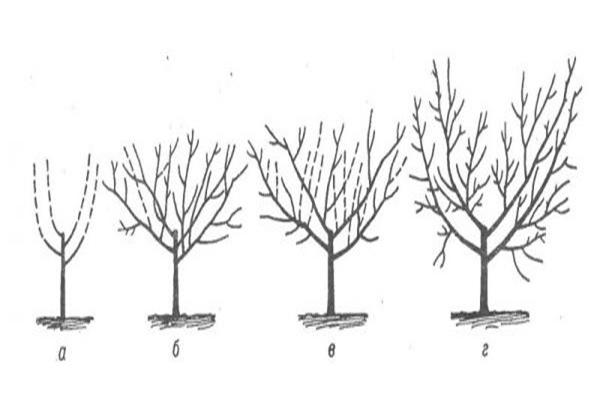
Because the crown of the Efimova 'Naryadnaya' tends to become dense, it requires annual pruning. The cut is made at the very base, leaving no stumps. Additionally, a sanitary pruning is performed, removing all damaged and diseased branches.
Whitewash
Whitewashing the trunk is necessary not only to give the garden an aesthetic appearance, but also to prevent the spread of pests and pathogens.
For whitewashing, either lime or a special mixture sold in gardening stores is used.
Loosening and weeding the tree trunk circle
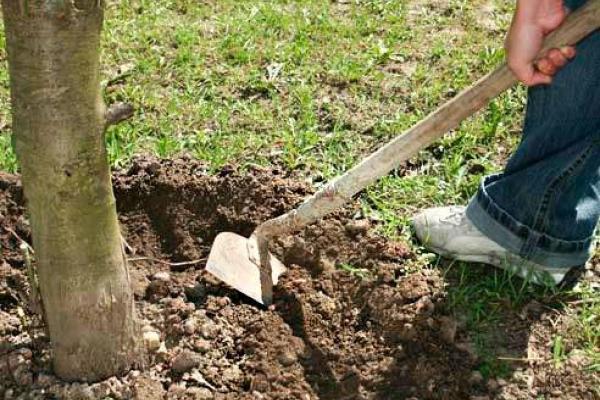
After each watering or heavy rainfall, loosen the soil to prevent it from becoming too compacted. To prevent weeds, regularly weed the area around the tree trunk and apply mulch.
Rejuvenation
Old branches are periodically removed to rejuvenate the tree. Young shoots are left in their place. This procedure is performed once every four years.
Prevention of diseases and pests
The Efimova 'Naryadnaya' pear has strong immunity to common diseases. It's also resistant to fruit rot and spotting. Gall mites and other pests also don't bother this pear. Therefore, gardeners don't have to worry about preventative treatments or sprays, and the tree doesn't require chemical treatments.
Preparing for winter
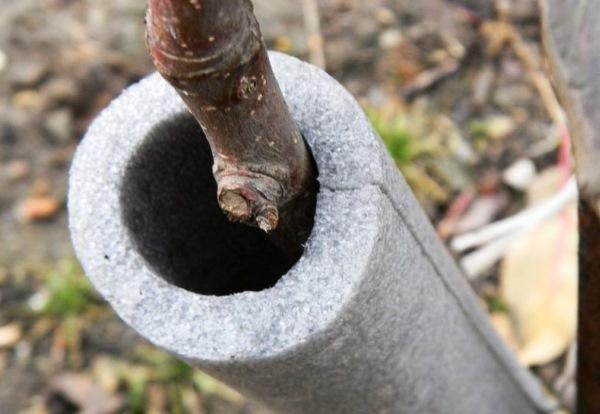
Efimova's elegant variety tolerates cold and snowy winters well without additional cover. The only exception are young seedlings that have not yet begun to bear fruit. Before the onset of cold weather, it is recommended to tie them with straw or reeds.
Methods of reproduction
The Efimova Elegant pear is propagated in two main ways:
- cuttings;
- air layering.
A third method is also known: growing from seed. However, it's almost impossible to preserve the characteristics of the mother plant. This method is primarily used by breeders to produce rootstocks.
How to Increase Your Yield: Tips and Advice
To increase the yield of the Naryadnaya Efimova pear, experienced gardeners recommend planting pollinator varieties nearby. They should be no more than 60 meters apart.
If the tree lacks moisture, it significantly reduces the number of fruit buds, and the quality of the future harvest deteriorates. Therefore, from flowering until ripening, it's important to provide the pear tree with regular watering, while avoiding overwatering.
Gardeners' reviews of the variety
The Efimova Naryadnaya is a fairly old and time-tested pear variety that remains popular. Gardeners have already experienced all its advantages and disadvantages and are ready to share their impressions of growing this crop in their own gardens.
Maria Filippovna, experienced gardener: "My father planted the Efimova pear in our garden. The tree didn't bear fruit for a long time, and he despaired and wanted to cut it down. However, six years after planting, the pear tree delighted us with its first harvest, and what a harvest it was! The fruits were picture perfect, uniform in size and beautiful. Naturally, we couldn't resist trying them. We immediately loved the taste, and the pear immediately became a favorite in the garden. Year after year, it produced generous harvests of fruit."
Marina Viktorovna, a budding gardener: "The 'Efimova' pear tree was already growing on our property when we bought it. We removed all the older trees, but we decided to leave this one, growing in the far corner near the fence, for now. Imagine our surprise when, in early September, it bore incredibly beautiful red fruits! It turns out they taste just fine, too. Now we use the fruit to make preserves and marmalades, and we also dry them for compotes in the winter."
Valentin Fedorovich, retiree: "I bought a 'Naryadnaya Efimov' about 10 years ago from a nursery. The seller warned me right away not to expect an early harvest, but I'd be pleasantly surprised later. I now remember that guy with gratitude: he didn't disappoint. The variety truly turned out to be a worthy one. The fruits were enjoyed not only by my wife, my children, and me, but also by our growing grandchildren. What's especially nice is that the tree requires almost no maintenance or chemical treatments."
Related posts:
 Description and characteristics of the 45 best pear varieties, how to choose
 Description of the 23 best pear varieties for the middle zone, planting and care rules
 Description and full characteristics of the Yakovlev Memory pear variety, planting and care
 Description of the Abbot Vettel pear variety and the subtleties of growing it
 Description and characteristics of the Marble pear variety, pollinators and cultivation subtleties
 Description of the Moskvichka pear variety, agricultural technology, and the best pollinators
 Description and full characteristics of the August Dew pear variety, planting and care
 Description and subtleties of growing the Russian Beauty pear variety