
- Which varieties of apple and pear trees root well?
- Methods of propagation of fruit crops
- Air layering
- Seeds
- Root shoots
- Vegetative propagation
- Green and woody cuttings
- Features of propagation of columnar varieties
- Step-by-step planting diagram
- Preparation of planting material
- Site preparation
- Landing
- Proper care of planted seedlings and cuttings
- In the spring
- In summer
- In the fall
- Important tips and recommendations
Many people wonder how to propagate a pear tree. To achieve excellent results, it's important to choose the right method. Today, there are many known methods for propagating this fruit tree. The procedure can be carried out using cuttings, seeds, air layering, and root suckers. Each method has its own advantages and disadvantages.
Which varieties of apple and pear trees root well?
To grow a healthy tree, it's important to choose the right variety. The following factors also influence rooting:
- age of culture;
- seedling power;
- timing of cuttings preparation;
- quality of growth stimulator.
Small-fruited pears have the best adaptability. The most suitable varieties include Lada, Moskvichka, and Pamyat Zhigalova. You can also choose varieties such as Naryadnaya Efimova or Osennyaya Yakovleva.
Apple trees that root well include Altai Golubok, Saffron Pepin, and Ermolaev's Ranetka. You can also plant Nakhodka Lebedyanskaya, Fonarik, and Altai Dessert.
Methods of propagation of fruit crops
To achieve success in growing fruit crops, it is important to choose the right method for its cultivation.
Air layering
This method is used when the pear tree has no basal shoots. To do this, find a two-year-old branch on a young tree, bend it to the ground, and place a container filled with soil underneath. Secure the shoot with wire. This should leave part of the bark buried in the soil.
After some time, the cutting will sprout and roots will appear. Once the cutting is strong enough, it's time to transplant it.
Seeds
Pear trees are propagated by seed. To do this, we recommend the following:
- prepare a container and fill it with fertile soil;
- plant pear seeds in a box;
- when a seedling appears, it can be transplanted into a larger container - this procedure is carried out twice;
- plant the seedling in a permanent place.
This method has many drawbacks. It's characterized by slow crop development. Furthermore, the harvest is slow. Seed propagation also doesn't preserve the plant's varietal characteristics.
Root shoots
Fruit trees often develop small root sprouts. These sprouts form near the base of the trunk. These sprouts can be dug up and moved to a new location. The seedlings have their own roots, so rooting is usually not a problem.
This method doesn't require separate planting of seedlings or sowing of seeds to obtain a young plant. As a result, it grows quickly. With proper care and timely fertilization, a mature plant can be quickly achieved.
Vegetative propagation
This method involves using cuttings that are grafted onto a fruit tree. Using the vegetative method allows for earlier fruiting, resulting in fruits with a distinctive flavor. It's important to have a tree on the plot that's ready for grafting.
Green and woody cuttings
Successful propagation by cuttings depends on the correct selection of branches. Experts recommend harvesting planting material in the fall. This is done after the harvest. It is recommended to cut the cuttings with a sharp knife. Each branch should have two internodes and three to four leaves.
It's recommended to keep cuttings in a cool, dark place. A dark bag is recommended for this purpose. Hang it outside throughout the winter. The planting material can be grafted in the spring.
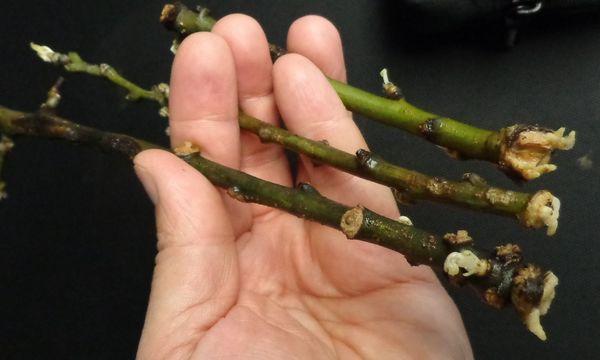
Green cuttings can also be used to propagate pear trees. This method involves harvesting green shoots and treating them with growth promoters. This stimulates root development. After this, the plants should be planted in fertile soil.
For several months, the plants need to be intensively watered and fertilized. A light solution of mineral fertilizer is used for this purpose. After 3-4 months, roots will form on the green shoots, and after six months, full-fledged seedlings will be ready for planting in open ground.
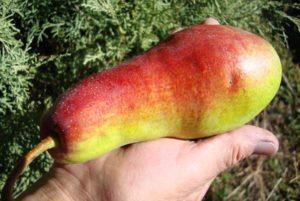
Features of propagation of columnar varieties
In some cases, to propagate such trees, it is worth sowing seeds of selected crops. However, most often columnar pears Propagation is by grafting onto wild stock rootstock. The procedure can also be carried out by rooting green cuttings or by harvesting vegetative material in the fall.
Columnar pears propagated by cuttings begin to bear fruit after five years. These plants require pruning of lateral branches, which should be done annually.
Step-by-step planting diagram
To achieve success in pear propagation, it is worth following certain recommendations.
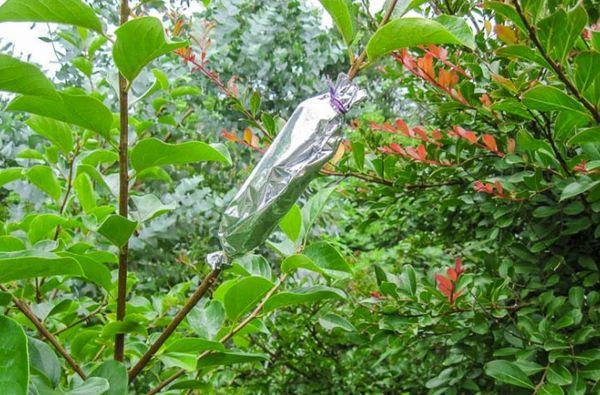
Preparation of planting material
To prepare and root a cutting, you should do the following:
- Cut the branches. This is done in the morning, while they contain the most moisture.
- The shoots should be 15-20 centimeters long, with the bottom of the cuttings woody and the top green.
- Select an area with 2-3 internodes and at least 3 leaves.
- Cut the branch at a 45 degree angle.
- At the top, the shoot is cut off directly above the bud.
Site preparation
Before planting outdoors, it's important to carefully prepare the site. If the soil is sufficiently fertile, mineral fertilizers may not be necessary. For poor soil, add 200 grams of fertilizer containing phosphorus and potassium.
Landing
Cuttings can be planted in the greenhouse in the second half of September. To do this, remove the seedlings from their containers with a lump of soil. They are moved into prepared holes, taking care not to damage the root system.
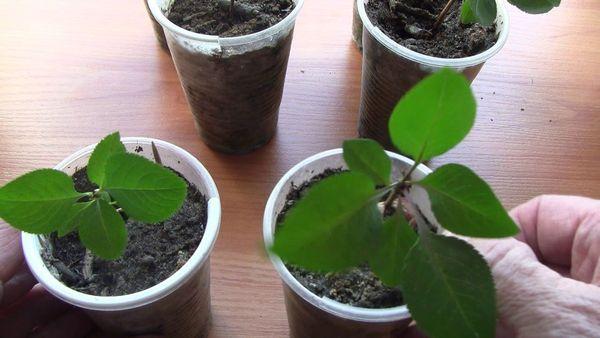
Proper care of planted seedlings and cuttings
To ensure successful pear cultivation, comprehensive care is recommended. Since young trees are not adapted to harsh conditions, it is recommended to insulate the soil in the fall and winter. For this purpose, use sawdust or pine needles. This helps prevent the roots from freezing.
In the spring
If there's no risk of frost, you can remove the tree's insulation. It's recommended to loosen the soil around the trunk and fertilize it. Branches should be pruned before the sap begins to flow.
To avoid damage by diseases and parasites, the pear must be treated with special compounds.
In summer
In hot weather, the plant requires regular watering. However, excessive soil moisture can cause root rot. Therefore, it's important to maintain a sense of proportion. To prevent the crown from becoming too dense, prune branches promptly.
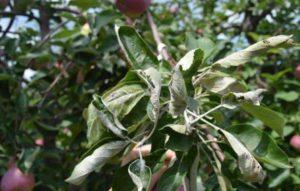
In the fall
Spring treatments should also be carried out in the fall. The tree requires sanitary pruning, fertilization, and pest control. At this time of year, it's a good idea to whitewash the trunk. At the end of November, it's time to begin preparing the tree for winter.
Important tips and recommendations
To ensure the pear tree develops normally, it needs proper care:
- water the tree on time;
- loosen the soil;
- carry out mulching.
There are many methods for propagating pear trees. To achieve excellent results, it's important to choose the right method and follow the recommendations of experienced gardeners.
Related posts:
 Description and full characteristics of the Yakovlev Memory pear variety, planting and care
 Rules for planting and caring for pears in open ground, how to grow them correctly
 Description and full characteristics of the August Dew pear variety, planting and care
 What to do and what is the best treatment if the leaves on a pear tree turn black?
 Description of the 23 best pear varieties for the middle zone, planting and care rules
 Description of the Rogneda pear variety, planting and care instructions
 Description of the Talgar Beauty pear variety, planting and care instructions
 Methods for planting and propagating cherries at home