
- Do I need to fertilize my pear tree?
- Growth stimulation
- Increasing crop yields
- Fertilizer is the key to a healthy garden
- What do you feed fruit trees with?
- Organics
- Urea
- Bone meal
- Wood ash
- Bird droppings
- Manure and humus
- Minerals
- Superphosphate
- Magnesium
- Phosphorus
- Potassium
- Nutrient Application Guidelines
- Under the root
- By sheet
- Timing and technology of wood processing
- Before flowering
- During flowering
- After flowering
- During the period of ovary formation and fruit ripening
- After harvesting
- The nuances of feeding seedlings and old pear trees
- Common mistakes
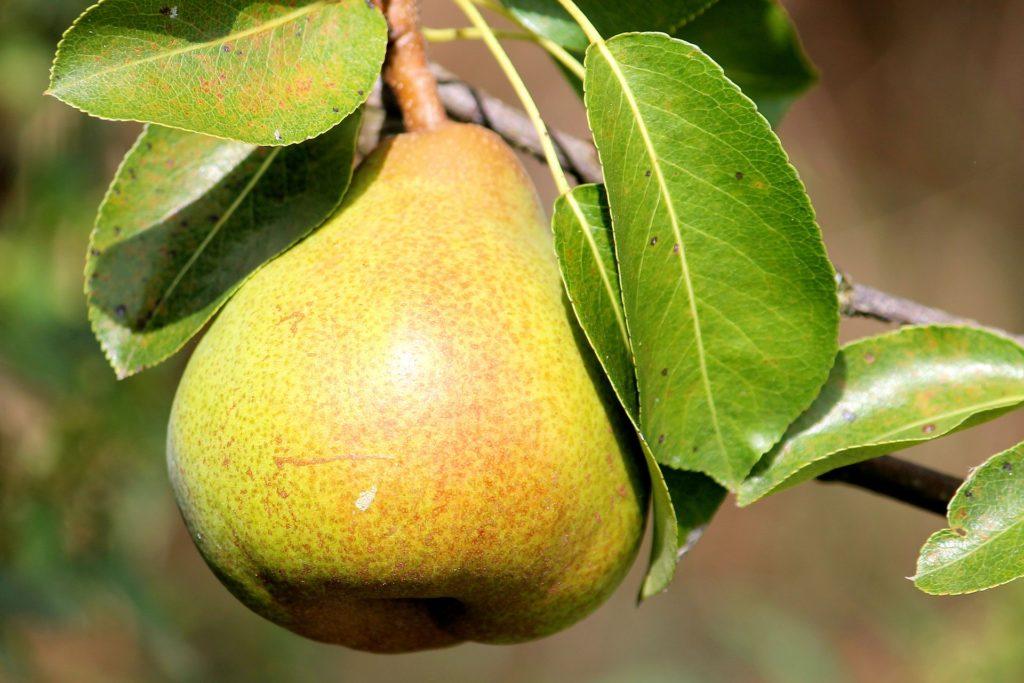
What should I feed my pear tree for good growth and development? Every gardener cares about the health of their garden and wants a good harvest. To achieve this, it's important to monitor the quality, quantity, and timing of fertilizer application. During each stage of its vegetative development, pears actively absorb specific micronutrients.
Do I need to fertilize my pear tree?
One of the basic rules for caring for a pear tree is regular, proper fertilization. Every year, the tree requires minerals to stimulate growth, increase yield, and ensure health.
Growth stimulation
To stimulate growth, it's important to feed the plant at the beginning of the season. Nitrogen-containing fertilizers are suitable for this purpose. They are responsible for the growth and development of lateral shoots.
Increasing crop yields
To promote the formation of additional, strong fruit buds, pears are fertilized with potassium and phosphorus. These minerals not only strengthen and maintain fruit set on the branches, but also increase yield and stimulate vigorous fruit development.
Fertilizer is the key to a healthy garden
Proper and timely fertilization of pear trees prevents fungal diseases and insect attacks. The key is to follow the correct dosage and timing.
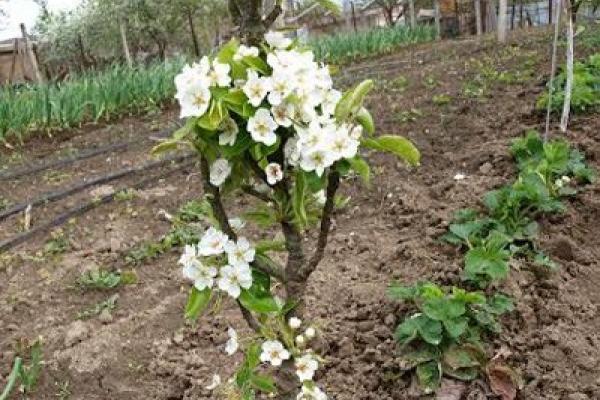 Important! A lack of nutrients will make it more difficult for the tree to set fruit and produce ovaries. Over-mineralization can lead to pear tree death.
What do you feed fruit trees with?
Pears and other fruit crops are fed with organic and mineral fertilizers. Each composition has its own beneficial effect on the plant.
Organics
Many gardeners prefer to use organic fertilizers. They are no less rich in minerals than artificial fertilizers.
Urea
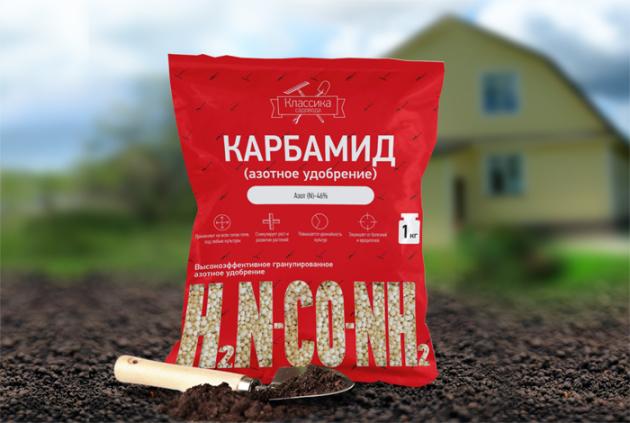
The mixture is rich in nitrogen, which stimulates the growth of pear foliage. Suitable for foliar feeding, it is quickly absorbed through the leaves, dissolves well in water, and protects against fungal diseases.
Bone meal
The powder is made from dried animal and fish bones. It contains the highest amount of phosphorus. The mixture dissolves well in water and is quickly absorbed by the pear. In addition to the main component, the composition includes:
- iron;
- calcium;
- zinc;
- cobalt;
- iodine;
- magnesium;
- potassium.
Wood ash
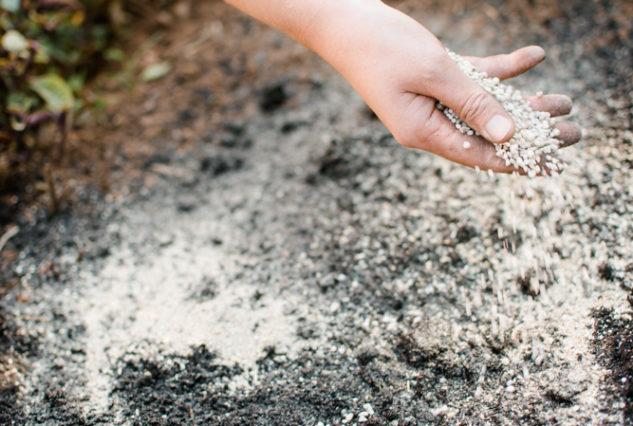
Sifted stove ash is used to fertilize pear trees. It contains high amounts of calcium, phosphorus, magnesium, and manganese. Sprinkle the powder around the tree trunk at a rate of 200 g per square meter.
Important! Ash and nitrogen fertilizers should not be used simultaneously, as their components neutralize the effects of nitrogen.
Bird droppings
Fresh fertilizer can kill a tree by completely burning the root system. To apply it to a pear tree, dry the manure, mix 100 g with 10 liters of water, and water it.
Manure and humus
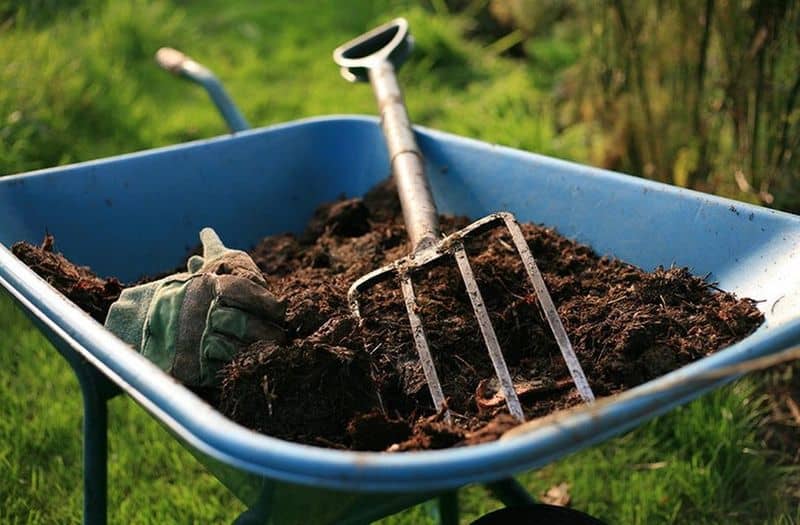
Well-rotted manure is used to fertilize pear trees. Fresh manure contains weed seeds and promotes the growth of harmful bacteria and fungi. It takes three years for the compost to mature.
Minerals
Nutrients are applied twice a year: once in early spring, and again after harvest. The amount and composition of fertilizers vary slightly.
Superphosphate
A common phosphorus fertilizer. Contains calcium sulfate. It's applied in the spring, before fruit set. It's economical to use and provides pears with the necessary phosphorus.
Magnesium
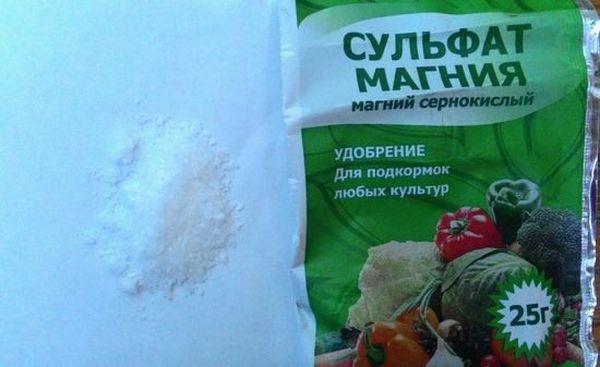
A mineral deficiency slows the tree's growth. If a pear tree produces few annual shoots and the foliage is sparse and wilted, magnesium needs to be added. Gardeners use magnesium sulfate powder. They dilute it in water and spray it on the plant.
Phosphorus
Stimulates fruit development on the tree. Without sufficient phosphorus, pears on the tree do not gain weight well, and some of the fruit falls off. The element is absorbed in a moist environment. Phosphorus is applied during irrigation.
Potassium
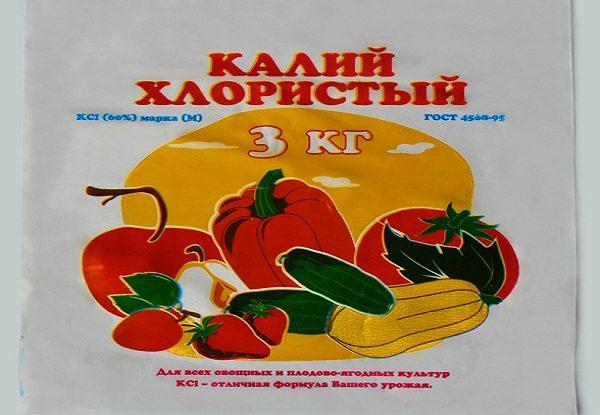
This element stimulates the development of fruit buds on branches. Potassium salt is used in the spring and before winter. Potassium is not available in pure form; all formulations contain chlorine, which adversely affects pear tree development.
Important! Mineral components must be added strictly according to the instructions.
Nutrient Application Guidelines
Fertilization is accomplished using two methods: root and foliar. Root fertilization involves watering the pear tree with a solution in the area around the tree trunk or scattering dry fertilizers there. Foliar feeding involves spraying the pear tree's foliage with a mineral solution. The nutrients are absorbed through the stomata of the leaves.
Under the root
Root feeding is absorbed more slowly than foliar feeding. Organic fertilizers, which are difficult to dissolve in water, are suitable for this type of application. Powdered fertilizers are applied to the root. Applying such fertilizers during the winter ensures the tree receives nourishment throughout the winter.
By sheet
Foliar feeding is used as a supplement to the main fertilizer. For this, mineral complexes are dissolved in water and sprayed onto the leaves. This is done in mid-summer. This helps strengthen the ovaries on the branches and form healthy fruits.
Timing and technology of wood processing
Separate components are used in different dosages for each stage of the growing season. Fertilize the plant during bud formation, flowering, fruit setting, and pear ripening.
Before flowering
During bud formation, nitrogen fertilizers are used. They help build green mass and develop new fruiting shoots. The following formulations are used:
- Urea. Mix 50 g of the dry mixture with 10 liters of water. Water the root area.
- Bird droppings. Mix 500 g of the mixture with 1 bucket of water. Water the tree.
- Saltpeter. Dissolve 40 g of powder in 10 liters of water and apply to the tree trunk area.
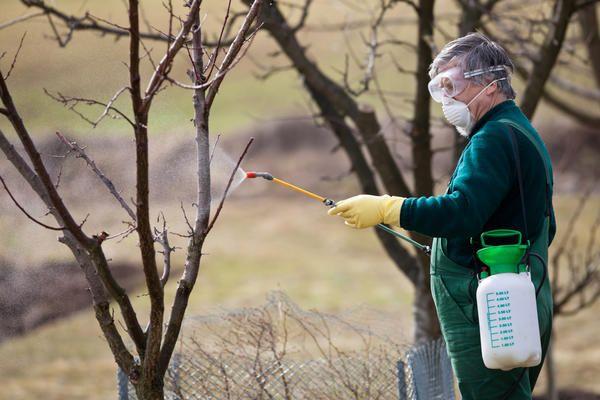 Important! Each component must be added separately; they must not be mixed.
During flowering
In the spring, during flowering, dig a 20-cm-deep furrow 60 cm from the trunk. Fertilize the furrow with the following ingredients.
- Urea. 300 g of mixture per 10 liters of water.
- Superphosphate. 100 g of powder per 1 bucket of water.
- Mullein. 5 kg mixed with 10 liters of water.
After flowering
When fruit buds begin to form, the tree requires sufficient nutrients to anchor them to the branches. For this purpose, the following are used:
- Nitroammophoska. 50 g of powder per 10 liters of water.
- Green manure. Plant in a trench to a depth of 15 cm.
- Boron solution 15%.
- 1% urea solution.
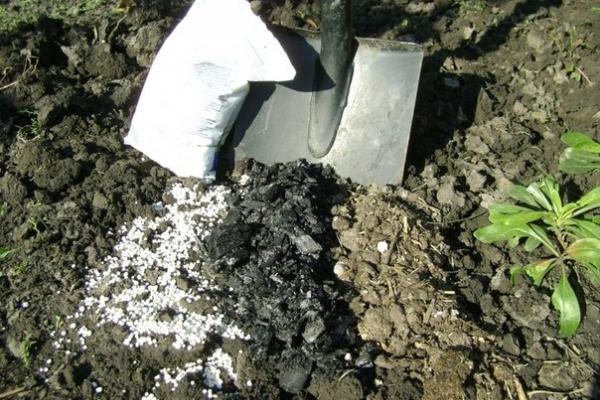
Fertilizers are applied in sunny, warm, dry weather. Under these conditions, they are absorbed more quickly.
During the period of ovary formation and fruit ripening
To prevent pears from dropping fruit during the fruiting period, additional fertilizing is done in the summer. In June and July, foliar sprays are applied to stimulate fruit set. In August, when the fruit is ripening, the treatment is repeated. For this purpose, use:
- Potassium nitrate solution 1%.
- Boron solution 5%.
- Manganese solution 2%.

After harvesting
In the fall, after harvesting, it's necessary to replenish the soil's minerals. The pear tree has used them up during the season to form new shoots and fruit. This process begins when the apical leaves turn yellow and begin to fall. The following solutions are used for this:
- superphosphate;
- potassium salt;
- wood ash.
All components are distributed around the tree trunk, after which it is mulched for the winter. Autumn feeding increases the plant's winter hardiness and promotes spring recovery.
 Important! Before applying fertilizer, water the soil generously.
The nuances of feeding seedlings and old pear trees
Young seedlings are given a generous dose of fertilizer when planted. There is no need to fertilize them until they begin to bear fruit. The amount of fertilizer applied is sufficient for 2-3 years.
The older the pear tree gets, the more it needs additional nutrients. To achieve this, double the amount of fertilizer applied, but only apply it once every two years.
Common mistakes
When fertilizing pear trees, novice gardeners make several mistakes:
- Using unsuitable compounds does not nourish the plant, but causes its death.
- An unintentional increase in dosage can kill the tree.
- Insufficient amount of fertilizer affects the formation of ovaries.
- The application of nitrogen in the fall is prohibited, as it increases the active growth of shoots in winter.
- Chlorine-containing compounds slow down the development of the tree.
Related posts:
 Description and full characteristics of the Yakovlev Memory pear variety, planting and care
 Description and full characteristics of the August Dew pear variety, planting and care
 Description of the Rogneda pear variety, planting and care instructions
 Description of the 23 best pear varieties for the middle zone, planting and care rules
 Rules for planting and caring for pears in open ground, how to grow them correctly
 Description and full characteristics of the Lada pear variety, care and cultivation
 Description of the Abbot Vettel pear variety and the subtleties of growing it
 Description of the Cathedral pear variety, planting and care features