
- Peculiarities of pear fruiting
- In what year does it begin to bear fruit: varietal characteristics
- How many years on average does it bear fruit?
- Will it bear fruit without pollinators?
- Reasons for the lack of flowering and fruiting
- Incorrect landing
- Root rot and freezing
- Freezing of flower buds
- Pest damage: pear psyllid
- Insufficient lighting
- Deficiency of macro and microelements
- Pruning errors
- Cold wind as a reason for lack of ovary
- Self-sterile variety
- How to restore crop yields
- How to stimulate pear tree flowering
- How to make a tree bear fruit
- Preventive measures
Experienced gardeners know that the pear tree is quite capricious. Sometimes it blooms in the spring, but bears no fruit in the fall. Other times, it doesn't bloom at all, despite appearing perfectly healthy. In these cases, gardeners naturally ask: why isn't the pear tree bearing fruit?
Peculiarities of pear fruiting
It will take a lot of effort to get the long-awaited harvest. A plant planted in the ground needs to strengthen and adapt to the new conditions. Only then will it begin to delight its owner with a harvest.
It is important to know that most pear varieties bear fruit late.
In some cases, the presence of flowers does not at all mean that the owner of the garden will harvest a bountiful harvest of juicy and sweet fruits from the tree in the fall.
In what year does it begin to bear fruit: varietal characteristics
Whether a pear will produce fruit quickly depends largely on its variety. Some varieties, such as 'Moskvichka,' will yield fruit in the third year of growth. Most produce fruit within 4-5 years. These varieties include:
- "Larinskaya".
- "Red-sided".
- "Forest Beauty".
There are fruit trees that can produce their first harvest only in the 8th to 10th year of growth:
- "Mechelnskaya".
- "Josephine".
- "Take Slutskaya."
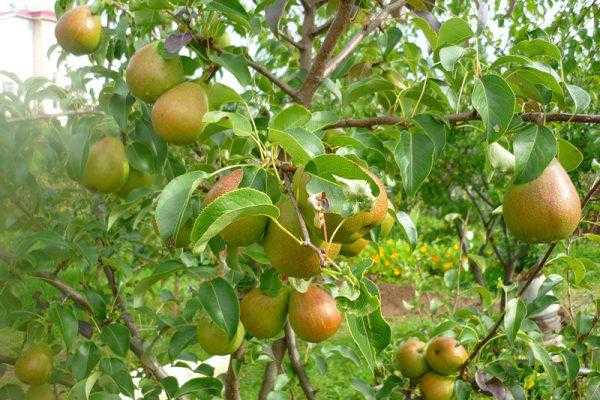
When planting a particular pear variety, it's important to know the intricacies of its care, as well as the expected time for the first harvest. If that time has come and the fruit still hasn't appeared, it's important to investigate the cause and take steps to ensure the tree produces fruit.
How many years on average does it bear fruit?
The fruiting period of pears depends directly on the variety. On average, a single tree can bear fruit for 10 to 45 years, after which this function rapidly declines, and after a few years, the tree dies.
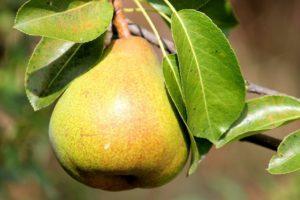
Will it bear fruit without pollinators?
Almost all varieties require cross-pollination. Otherwise, fruit will not form and there will be no harvest.
Reasons for the lack of flowering and fruiting
There are a number of reasons why trees do not bear fruit when expected.
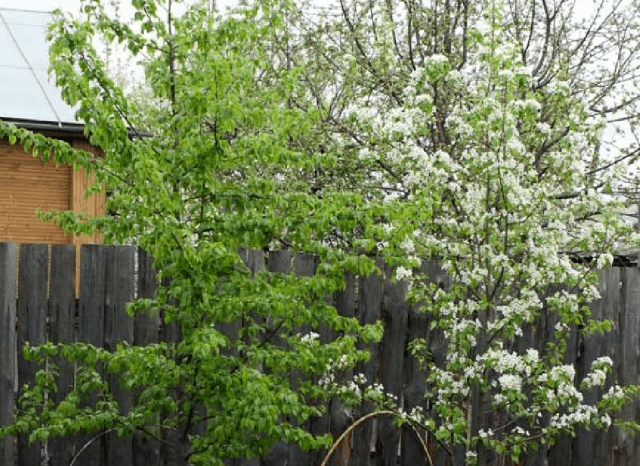
Incorrect landing
When planting young seedlings in the garden, consider the area's light level. This is crucial for pear tree growth. It's best to plant the trees facing the sun, just as they did in the nursery where they were grown.
The root collar of the pear tree should be exactly at the level of the top layer of soil; to achieve this, the seedlings must be planted at a certain depth.
If the hole is too deep, the fruit will not form; if it is too close to the surface, the tree roots will freeze.
Root rot and freezing
Excess moisture in the soil causes the plant's roots to rot. Therefore, the planting site should be chosen so that it doesn't become overwatered, and watering should be sufficient but moderate.
If the plant is planted incorrectly (the root collar is above the ground surface), then the roots will freeze during cold weather.
Even if such a tree survives, it will devote all its energy in the spring to restoring its root system rather than producing fruit. For the winter, the area around the trunk and the tree's neck should be covered with spruce branches, dry leaves, or pine needles. If the pear tree's bark cracks during cold weather, treat the area with garden pitch and wrap it in cloth.

Freezing of flower buds
Sometimes, the first buds appear on a pear tree on time, but they are destroyed by spring frosts. In this case, it's important to select varieties suited to the specific growing region. The pear tree should bloom after the spring frosts have passed.
Pest damage: pear psyllid
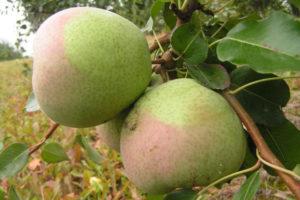
Fruit emergence and development can also be affected by insect infestations, including the pear leafhopper. This insect attacks the buds, preventing fruit set. Insecticides can help combat this problem.
The best pest control products:
- Ivanhoe.
- "Alatar".
- Kinmix
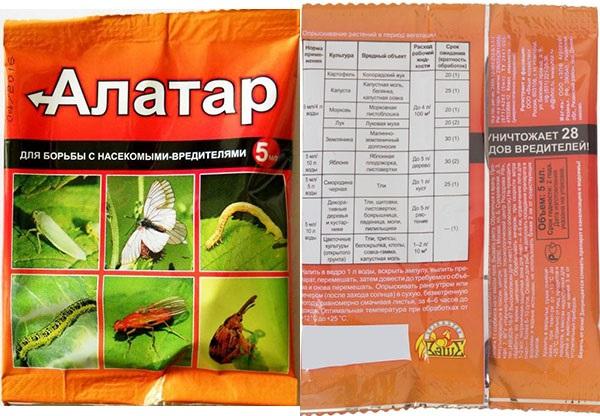
Plants are treated in the second ten days of May, and then again 14-20 days later.
Insufficient lighting
The pear tree is a sun-loving plant. A lack of warmth and light will inevitably affect the tree's overall health and its ability to produce fruit. Gardeners often believe that a seedling can be planted in the shade, as it will eventually grow and outstrip other trees. However, as long as the pear tree grows in a shaded area, it will not bear fruit, and growth will be slow. If the light level is insufficient, the tree may bloom every year but produce no fruit.
Deficiency of macro and microelements
In this case, the tree slows down all processes. This state allows the tree to grow normally, but it lacks the strength to set fruit.
Pruning errors
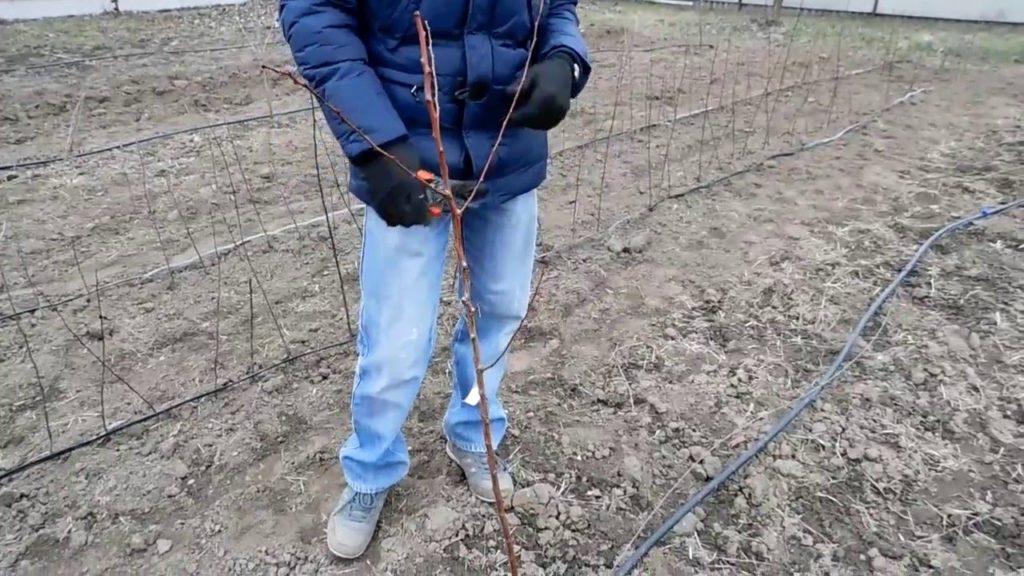
If a tree's crown is pruned too severely, the plant will be weakened. It will direct all its vital energy toward restoring the growth of its vegetative parts.
Cold wind as a reason for lack of ovary
Sometimes spring frosts can significantly impact a tree's ability to set fruit. Exposure to cold air can make the tree resistant to pollination. If the growing region experiences harsh weather conditions, preference should be given to varieties with good frost resistance, as well as those that do not bloom early.
Self-sterile variety
Most pears are self-sterile varieties, meaning they require cross-pollination.
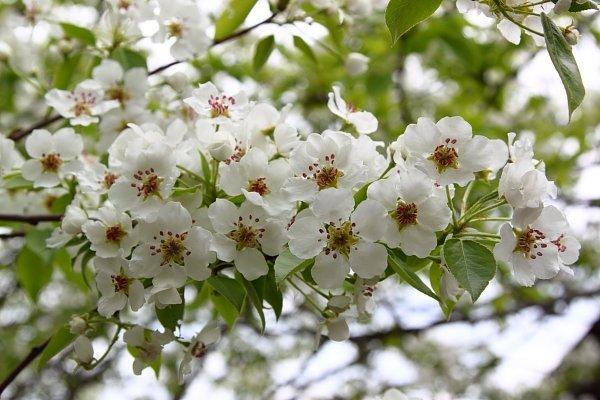
If there's only one such tree in the garden, pollination won't occur. This can be easily remedied by planting a few more pear trees of different species. It's important to keep in mind that the flowering times of these species must coincide, otherwise pollination will fail.
You can also graft a cutting from a tree of a different variety onto a growing pear tree. In some cases, a gardener may mistakenly purchase a wild pear.
The differences between it and garden varieties aren't very noticeable. It looks very similar and blooms the same way, but the fruits will be small and sour. In this case, you can try grafting a cutting from a different variety or removing the plant from the plot.
How to restore crop yields
There are several ways to influence pear yield. Which method to use depends on the cause of the problem.
How to stimulate pear tree flowering
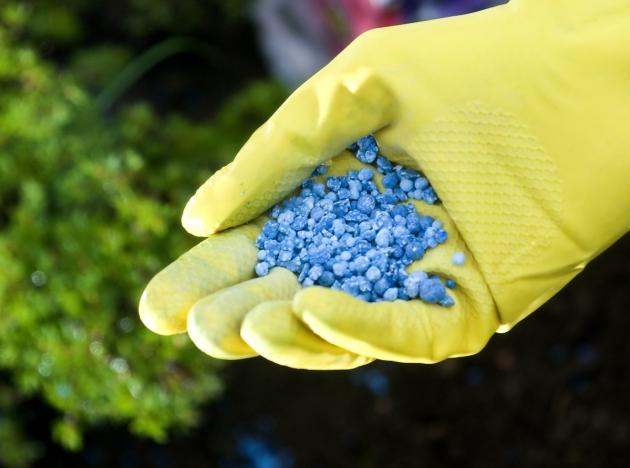
To encourage pear tree blossoms, you can add mineral fertilizer to the soil. However, it's important to remember that overdosing on it can also negatively impact growth and fruiting. Excess nitrogen will stimulate the plant to grow, but will not affect fruit formation.
It's important to adhere not only to the correct amount of substances applied, but also to the application period for each one. This must be done on time.
Adding large amounts of fertilizer to the soil in the fall will stimulate the growth of the pear tree, which can lead to freezing at the first frost.
How to make a tree bear fruit
To ensure a tree not only blooms but also produces the desired harvest, it's important to accurately determine the cause and then take appropriate measures. In addition to fertilizing and treating trees, it's important to monitor the amount of water when watering. Excessive soil moisture will negatively impact the health of the trees, and therefore, the yield.
Preventive measures
To ensure pears delight with sweet fruit, gardeners need to follow a few rules. If the gardener ensures the seedlings adapt quickly, the plant will bear fruit on time. Trees should be grown in neutral soil. If the soil is highly acidic, liming it can help. To do this, add 200 grams of lime per square meter.
You can spray the plants with a one-percent boric acid solution during flowering. This has a positive effect on their ability to absorb pollen. While pear trees certainly require attention and care, if these conditions are met, they will reward their owners with sweet and juicy fruits.
Related posts:
 Description and full characteristics of the Yakovlev Memory pear variety, planting and care
 Description and characteristics of the 45 best pear varieties, how to choose
 Description and full characteristics of the August Dew pear variety, planting and care
 Description of the 23 best pear varieties for the middle zone, planting and care rules
 Description of the Forest Beauty pear variety, planting and care specifics
 Description and full characteristics of the Lada pear variety, care and cultivation
 Rules for planting and caring for pears in open ground, how to grow them correctly
 Description and characteristics of the Marble pear variety, pollinators and cultivation subtleties