
- Description and characteristics of phosphorus fertilizers
- Water-soluble
- Poorly soluble
- Insoluble
- What is their importance?
- Signs of element deficiency in the soil
- Reasons for deficiency
- Types of phosphorus fertilizers
- Superphosphate
- Ammophos
- Diammophos
- Potassium metaphosphate
- Phosphate rock flour
- Bone meal
- Nitroammophoska
- Which crops contain phosphorus?
- Preparing your own feed
- Rules of application
- Reviews
Phosphorus fertilizer complexes help plants develop and set fruit, build resistance to low temperatures, and strengthen the immune system. They are used in acidic soils, enriching the soil with beneficial elements and normalizing acidity. These complexes are combined with other beneficial minerals and are applied to the soil in dry or dissolved form.
Description and characteristics of phosphorus fertilizers
Phosphorus fertilizers are artificially created supplements whose main component is the chemical element phosphorus. Phosphorus is involved in plant metabolism, the development and formation of new organs, the synthesis of DNA and RNA, and is a component of organic compounds in crops. Plants slowly die when this element is deficient. Phosphorus supplements are divided into three classes:
- water-soluble;
- poorly soluble;
- insoluble.
Water-soluble
Water-soluble complexes include:
- double superphosphate;
- ordinary superphosphate;
- superphos.
These fertilizers are used more often than others. They consist of:
- phosphoric acid;
- monocalcium phosphate;
- microelements.
Water-soluble compounds are used for all crops. They are added in pure form or mixed with other complexes. The powder is dissolved in water and applied as a liquid. They help strengthen the plant's immune system, prevent infections and pest attacks, and develop resistance to low temperatures.

Poorly soluble
Poorly soluble compounds include:
- precipitate;
- Thomas slag;
- thermal phosphates;
- defluorinated phosphates;
- fused magnesium phosphate.
Suitable for fertilizing various crops. Primarily used in acidic soils.
Insoluble
Insoluble substances include:
- bone meal;
- phosphate rock;
- vivianite.
They are most active in degraded and poor soils. They enrich the soil with beneficial microelements and help maintain a healthy environment for plant growth.
What is their importance?
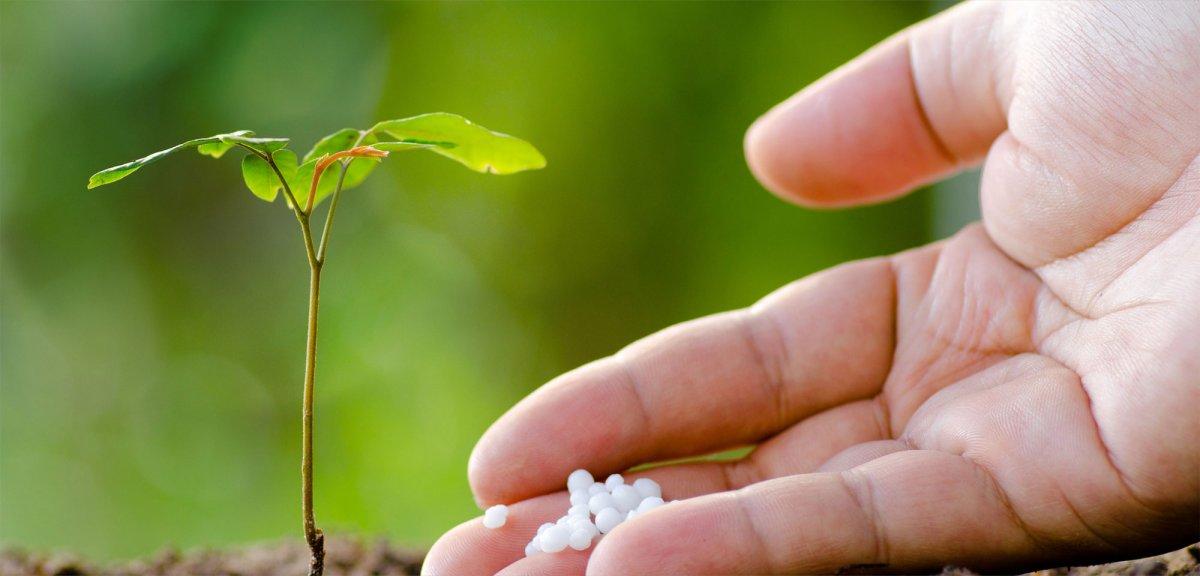
Phosphorus content in the soil plays a key role. A deficiency deprives plants of the necessary nutrients for growth and development. To prevent this deficiency, mineral fertilizers must be applied. These have the following effects:
- Participates in the processes of formation of plant organs.
- It is part of vital proteins that participate in plant metabolism.
- Retains moisture in plant tissues, preventing drying out.
- Stimulates fruit development.
Important! Excessive phosphorus fertilization of crops will result in death and impaired development.
Signs of element deficiency in the soil
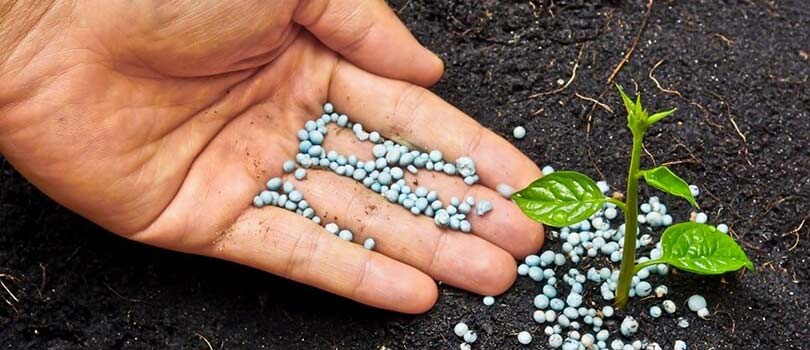
To determine whether phosphorus supplements are necessary, it's important to recognize the symptoms of plant deficiency. A plant's appearance can help determine a chemical deficiency:
- The leaves change color. First they become dark green, then turn a deep purple.
- The leaf blades grow irregularly and fall off.
- Dark spots appear on the underside of the leaf.
- Decreased crop yield.
- Lack of natural phosphorus found in the soil.
- The roots take on a lilac color.
- The plant is not gaining the required growth.
- Insufficient development of the root system.
Reasons for deficiency
Several factors cause phosphorus deficiency in the soil. These include:
- Phosphorus retention in the soil, the transition of the element into a difficult to digest form.
- Excess of mineral fertilizers.
- The death of beneficial soil bacteria that process the soil and are responsible for the balance of nutrients.
- Violation of soil composition.
Types of phosphorus fertilizers
The most popular phosphorus fertilizers include superphosphate, ammonium phosphate, diammonium phosphate, potassium metaphosphate, phosphate rock, bone meal, and nitroammophos. Each compound contains a large amount of phosphorus and associated substances. The names of the complexes depend on their composition.
Superphosphate
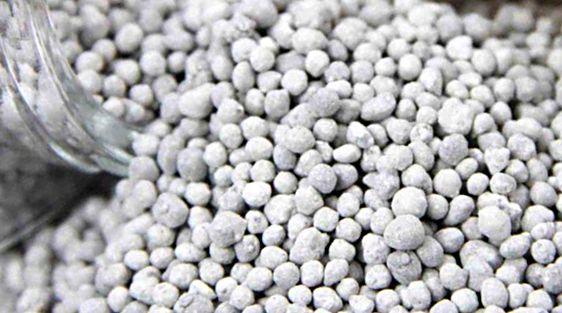
Superphosphate contains magnesium, phosphorus, and sulfur. It's used diluted, allowing it to be absorbed and effective more quickly. This fertilizer is suitable for all crops, regardless of soil composition. When combined with other mineral fertilizers, it doesn't lose its properties; in fact, it enhances them. Superphosphate is diluted as follows: dissolve 100 grams of powder in 10 liters of water.
Ammophos
This complex is formed by the interaction of phosphoric acid and ammonium. The reaction products accumulate in the soil and are easily absorbed by plants. Nitrogen remains in much lower amounts than phosphorus. This composition is best suited for cucumbers, which fully absorb micronutrients. Fertilizers are applied in early spring during planting or in the fall after harvesting and preparing the soil for the following season.
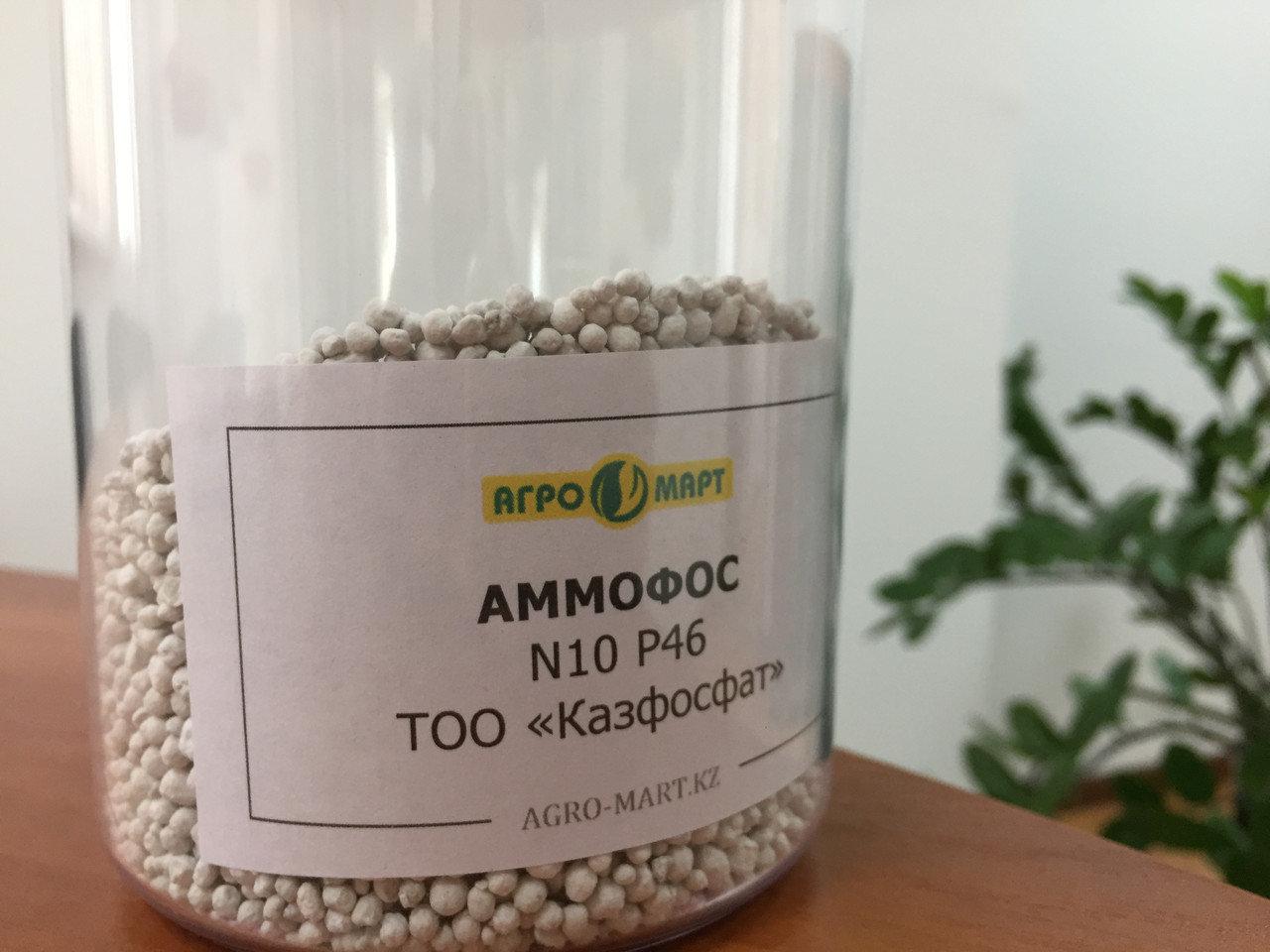
The concentration of the substance varies for different crops:
- vegetables - 15-20 g per m2;
- trees - 20-30 g per m2;
- flowers - 20 g per m2.
Diammophos
This complex reduces soil acidity. Ammonium hydrogen phosphate can be combined with organic fertilizers. The mixture is prepared as follows: manure or bird droppings are mixed with diammonium phosphate according to the instructions, then added with water and left to infuse for several days.
The resulting solution is used to water the plants during the transplanting process. Add 20 grams of pure, dry fertilizer to each hole.
Potassium metaphosphate
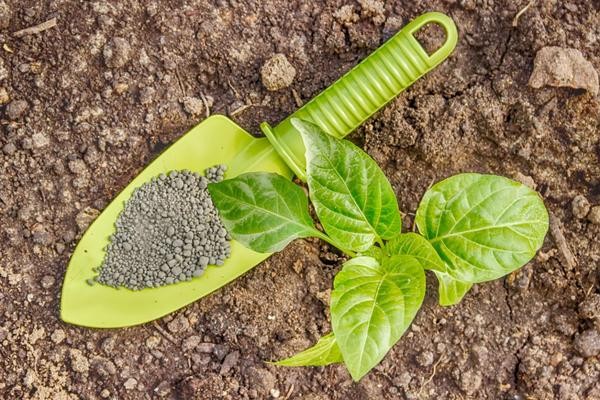
This fertilizer contains phosphorus and potassium. It comes as a white powder and is suitable for feeding all types of plants. It corrects soil acidity.
Phosphate rock flour
The compound is obtained by finely fracturing phosphorites, a sedimentary rock. It belongs to the apatite group. It is used to feed plants in heavy peat soils. It is added to manure composts. It is combined with other mineral fertilizers that have an acidic environment.
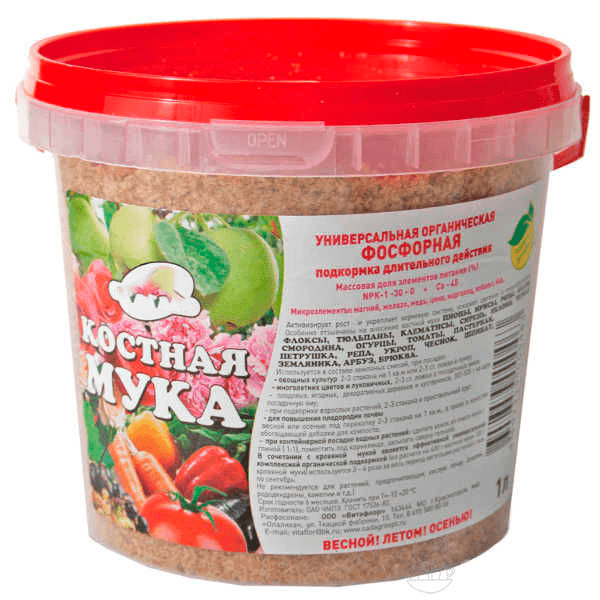
Bone meal
These are crushed bones of livestock. They contain over 50% calcium phosphate. The flour is added to compost to improve its nutritional value. It is a natural fertilizer and is used to feed all garden crops. It is also used for vegetables, flowers, and fruit trees. Add 0.5 teaspoon of flour per 1 kg of soil. It is used in dry form.
Nitroammophoska
The fertilizer contains three components:
- nitrogen;
- phosphorus;
- potassium.
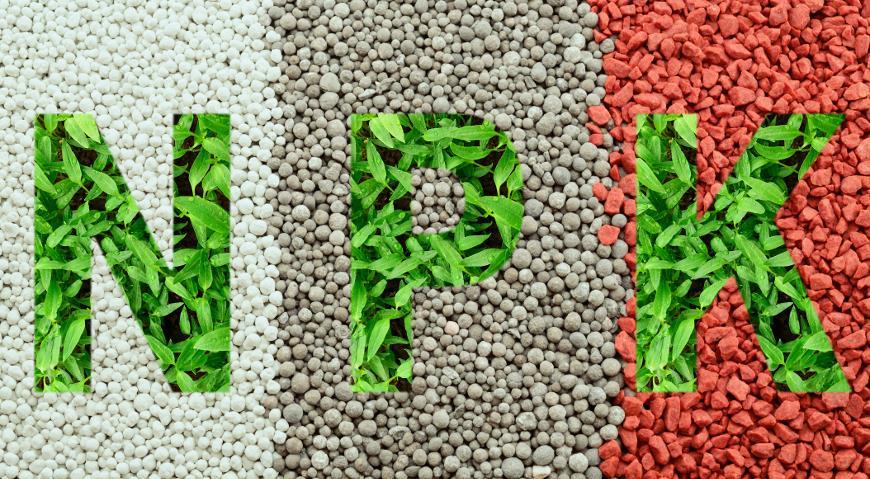
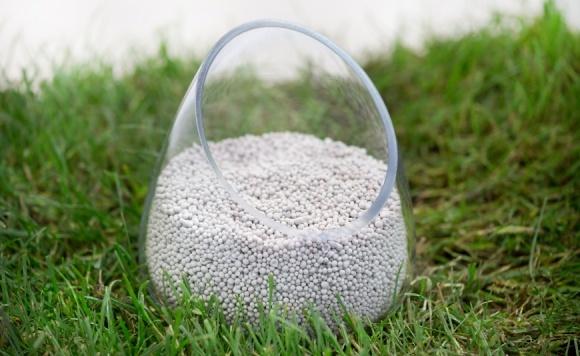
The complex is produced in the form of medium-sized gray granules. It is widely used in industry for fertilizing various plant species.
Which crops contain phosphorus?
Ready-made mineral fertilizers are rich in phosphorus. They can be purchased at any gardening store. You can also create your own fertilizer by combining compost with plants high in phosphorus. To do this, you need to know which plants accumulate phosphorus.
These include:
- sagebrush;
- feather grass;
- thyme;
- rowan berries;
- hawthorn.
Wood ash and animal bones also contain large amounts of phosphorus. In addition to phosphorus, ash contains over 20 beneficial microelements. Bone tissue is rich in calcium.
Preparing your own feed
Wood ash is produced by burning wood. Dry branches are burned, and the ash is then collected. It is dried and stored in a glass container away from moisture. It is applied to the soil in dry form or mixed with dissolved mineral fertilizers.
To prepare superphosphate, animal bones are roasted over an open flame for several hours. This is done to remove organic compounds. The roasted bones are cooled and then ground into flour. They are easily ground because they lose their density and break easily. After grinding, 5 grams of chalk and 20 ml of 70% sulfuric acid are added. The solution is stirred with a glass rod. A thick white paste forms, which later crystallizes.
Important! Add acid to water, not the other way around. This will accelerate the thermal reaction, causing the container to rupture. Burns may occur.
Phosphorus-rich plants are added to compost. The resulting humus is used to insulate plants for the winter and as drainage.
Rules of application
Phosphorus fertilizers are recommended to be applied at the end of the season after harvest, in preparation for the next season. This is because the element is in an indigestible form in chemical formulations. Over the winter, it is recycled, oxidized, and begins to nourish the soil by the start of the season.
Fertilize in the spring, but in combination with other compounds that promote soil absorption. Depending on the crop, the compound is diluted according to the instructions. Each crop has its own specific dosage.
Reviews
Alena, 35, Tomsk: "I use ammophoska every year. I apply it to the soil after harvest. I dilute it in warm water according to the instructions. I mainly fertilize vegetables. Their growth is significantly better, the shoots are strong, the flowers are abundant, and the fruits are large. Before, when I didn't fertilize, it was worse."
Igor, 46, Podolsk: "I have my own small farm, growing a variety of crops for sale. Due to the volume of cultivation, the soil becomes depleted. I can't manage without mineral fertilizers. I use nitroammophoska. It's a complex compound that enriches the soil not only with phosphorus, but also with potassium and nitrogen. The harvest is good."
Valentina, 53, from Arkhangelsk: "My soil is acidic, and many crops die from the increased acidity. I fertilize the plants with rock phosphate. This reduces the soil's acidity and enriches it with beneficial minerals. I also collect wormwood every year and add it to my compost. I use the mixture to cover the roots of my trees for the winter."
Related posts:
 Which fertilizers contain potassium and phosphorus, names and how to use them
 How and what to use to fertilize gooseberries: a review of the best fertilizers
 The best grape varieties for growing in the Urals, planting and care rules in summer
 What is the best way to feed carrots? Fertilizers and preparations, using folk remedies.
 Instructions for use of Rastvorin fertilizer and its composition, pros and cons
 Causes and treatment of eggplant pests and diseases, how to combat them at home
 Nitrophoska composition and instructions for use of fertilizer, errors
 Growing and caring for hazelnuts in open ground, rules for planting hazelnuts