
- The history of Chizhovskaya pear breeding
- Advantages and Disadvantages
- Habitat
- Characteristics and description
- Tree dimensions
- Branching of the crown
- Pollinator varieties
- Flowering and fruiting
- Collection and use of fruits
- Resistance to low temperatures and drought
- Susceptibility to diseases
- Landing specifics
- Preparing the site and seedlings
- Dimensions and depth of the planting hole
- Timing and rules for planting a tree
- Subtleties of care
- Watering
- Top dressing
- Trimmings
- Regulatory
- Sanitary
- Formative
- Prevention of diseases and pests
- Do I need to cover it for the winter?
- Gardeners' reviews
Among the many pear varieties, the Chizhovskaya pear is especially beloved by gardeners. It's easy to care for, frost-resistant, and rarely susceptible to disease. Moreover, its juicy, delicious fruits are perfect not only for eating fresh but also for making compotes and jams for the winter. Below is information on growing the Chizhovskaya pear in your garden, the intricacies of care, and reviews from experienced gardeners.
The history of Chizhovskaya pear breeding
The pear was named after the breeder Chizhov, who contributed to its development. He crossed two varieties: Lesnaya Krasavitsa and Olga. The hybrid inherited the best qualities from both parents. The Chizhovskaya pear was added to the State Register of Breeding Achievements of the Russian Federation in 1993.
Advantages and Disadvantages
This variety has been growing in gardens for many years. Its cultivation is popular not only for the excellent flavor of its fruit, but also for the following positive characteristics:
- self-pollination;
- winter hardiness;
- adaptability to weather conditions;
- early fruit bearing;
- high yield;
- good transportability of fruits;
- storage duration.
The disadvantages of the Chizhevsky pear include the need to remove suckers, poor resistance to pests, and a decrease in the size of the fruit as the tree matures.
Please note! Fruit shrinkage can be prevented by rejuvenating pruning.
Habitat
The variety is resistant to adverse climatic conditions. It can be grown in the Moscow region, the Central and Northwestern regions, and the Volga region. It is grown commercially, as well as in garden plots for personal use.
Characteristics and description
The variety is short, making it suitable for those with small garden plots. The fruits begin to ripen as early as late August.
Tree dimensions
The Chizhovskaya pear is a medium-sized tree, reaching a height of 1.8 to 2.5 meters. This is one of the variety's advantages, as the harvest is easy to harvest without the use of specialized equipment. This is especially important for pears grown commercially.
Branching of the crown
A young pear tree has a pyramidal crown. As it grows, it takes on a spreading shape. The skeletal branches are vertical, slightly inclined. The crown has medium to above-average foliage.
Pollinator varieties
The Chizhovskaya pear is a self-fertile variety. However, if pollinator trees are planted nearby, the fruit quality will be significantly better. Pear varieties that favor the Chizhovskaya include Rogneda, Severyanka, and Lada.
Flowering and fruiting
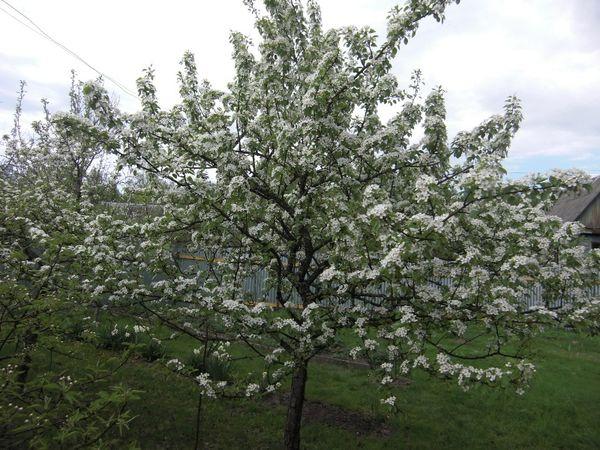
The plant's corymbose inflorescences are white, cup-shaped, and contain 5-7 flowers. The tree begins to bear fruit in the third year after planting. A gardener can harvest 50-60 kilograms of fruit from a single pear tree. They cling well to the branches and, if dropped, can last for 5-7 days without being damaged.
Collection and use of fruits
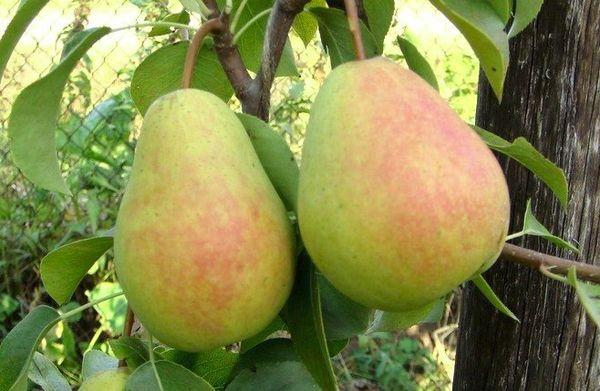
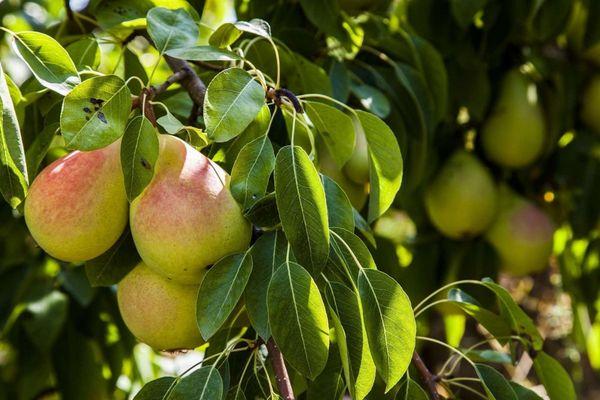
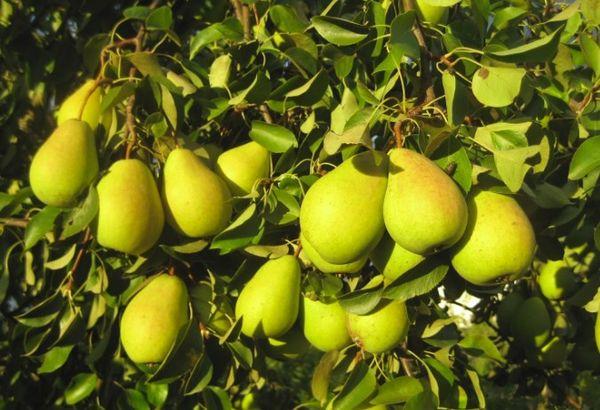
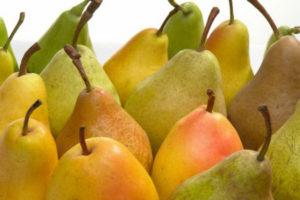
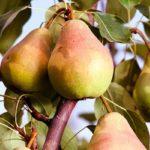
The harvest begins in late summer. The pear skin is green with a yellow tint, the flesh is light yellow, medium juicy, and pleasantly flavorful. The fruits are eaten fresh, dried for winter, and also used to make compotes and jams.
Resistance to low temperatures and drought
The variety is resistant to prolonged drought and heat. However, young plants up to five years old need to be watered under these conditions, as their root system is still weak. The trees tolerate temperatures down to -30°C, making them very popular in northern regions.
Susceptibility to diseases
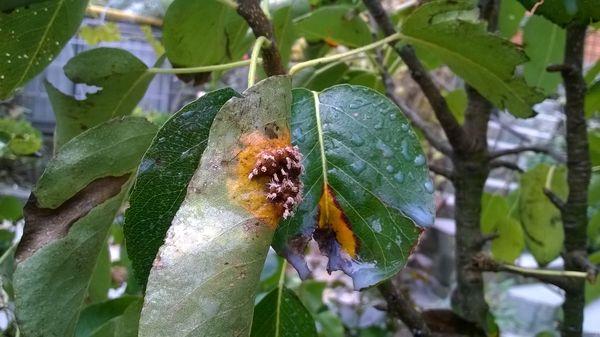
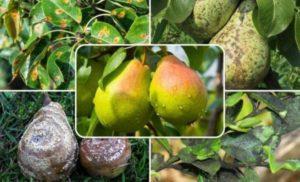
The variety has good immunity, but if not properly cared for, it can be susceptible to certain diseases, such as fruit rot, black canker, and rust. To prevent diseases, trees should be sprayed with copper-containing preparations before or after flowering. Additionally, the crown should be thinned and weeds growing around the trunk should be removed.
Landing specifics
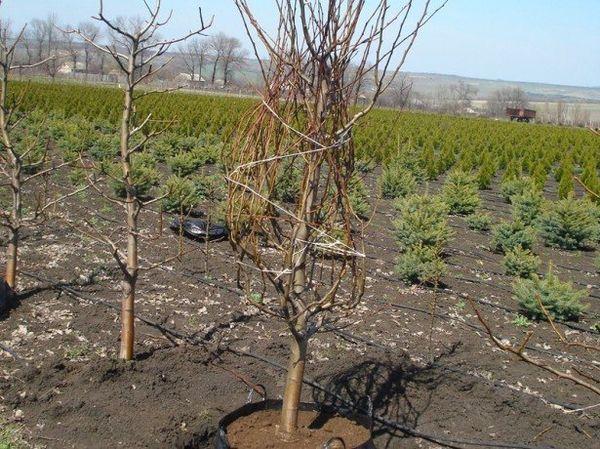
Pear trees are planted in spring or fall. When planting in fall, the area around the tree trunk should be covered with soil, peat, or humus, and topped with spruce or pine branches.
Preparing the site and seedlings
A sunny site is selected. Debris is removed, and a trench is dug for the tree's planting. If possible, potassium salt and superphosphate are added to the soil a few months before planting. These will enrich the soil with nutrients.
A seedling purchased with a closed root system is planted with soil. The exposed roots are placed in a slurry of water, clay, and ash. The mixture is brought to the consistency of sour cream. If the pear tree has broken or dry branches, they are trimmed with pruning shears.
Dimensions and depth of the planting hole
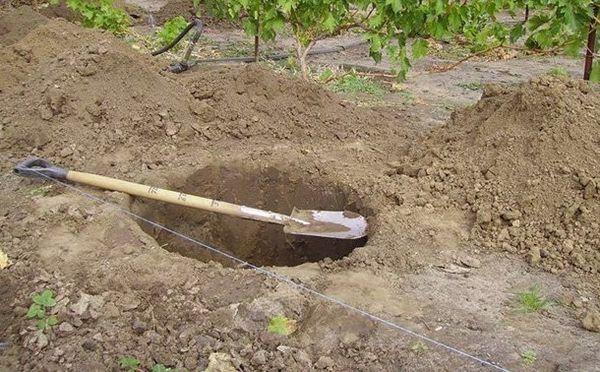
A trench is dug 50 centimeters deep and about a meter in diameter. It should be prepared 1-2 weeks before planting to allow the soil to settle slightly. Fertile soil, humus, and peat are added.
Timing and rules for planting a tree
You can plant a pear tree in spring or fall. The planting procedure is as follows:
- a peg is driven into the prepared hole, slightly away from the center;
- the seedling is placed in the middle of the hole, its roots are carefully straightened;
- the soil is filled in and lightly compacted;
- the root circle is watered generously.
The root collar shouldn't be buried too deep. Ideally, it should be 3-4 centimeters above the soil surface. After watering, the soil will settle, and the root collar will level with the surface.
Subtleties of care
Trees require routine care: watering, fertilizing, weed removal, and soil loosening. Additionally, branches should be pruned annually to remove diseased shoots and to shape the crown.
Watering
The Chizhovskaya pear is a drought-resistant variety, but its root system still needs to be moistened until it reaches five years of age. After that, the roots will deepen, and watering is no longer as important. Water should be applied to the trunk circle after flowering, after fruiting, and when the leaves begin to fall.
Top dressing
From April to May, apply nitrogen fertilizer, such as ammonium nitrate solution. In June, the trees are watered with fertilizers high in potassium and phosphorus. In the fall, sprinkle wood ash around the roots: the potassium it contains will help the pear tree survive the winter.
Trimmings
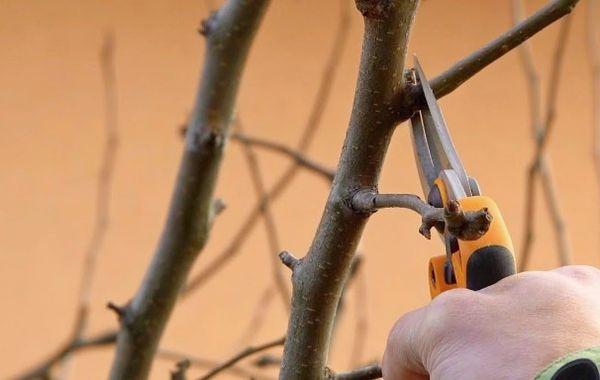
Pruning is performed several times during the spring and fall season. This can be for regulatory, sanitary, or formative purposes. Pruning is a crucial stage of tree care: the health and productivity of the pear tree depend largely on it.
Important! After the procedure, tree cuts must be treated with garden pitch.
Regulatory
If a tree grows unchecked, the crown becomes too large, and the fruit becomes smaller. They begin to lack light and compete with each other for nutrients. Furthermore, a dense crown promotes disease and pest infestation. For this reason, control pruning is performed.
Sanitary
Over the winter, some branches break from wind, heavy snow, and frost. In the spring, dry, broken, and frost-damaged shoots are pruned. For this purpose, use special pruning shears or a hacksaw. Diseased branches are pruned throughout the spring and fall season.
Formative
Crown formation begins when the tree is still young. The main trunk is pruned so that the closest lateral branch is 20-30 centimeters lower. The lower shoots should be at least 60 centimeters above the ground.
Prevention of diseases and pests
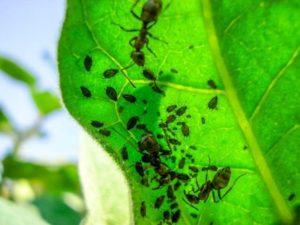
The Chizhovskaya pear is susceptible to certain pathogens and pests. Prevention is generally more effective than treatment. To prevent these problems, trees are sprayed with insecticides and fungicides in the spring. Additionally, in late fall, the trees are whitewashed to prevent beetles from burrowing under the bark and causing damage.
Do I need to cover it for the winter?
The Chizhovskaya pear is winter-hardy and doesn't require winter protection. This is only necessary for trees in their first and second years. The trunks are wrapped in burlap or other breathable material and secured with rope.
Gardeners' reviews
According to gardeners, the Chizhovskaya pear produces a good harvest. The fruits are tasty and aromatic, and have a long shelf life. The variety is easy to grow and requires little maintenance.
Natalia, Volga region
She planted her pear tree with a meter-long branch. For several years, she wrapped it completely in burlap for the winter. After three years, Chizhovskaya had grown four delicious, aromatic fruits. The tree is now seven years old and produces a bountiful harvest, enough not only for fresh eating but also for winter preserves.
Olga Vasilievna, Moldova
My plot is small, so planting a Chizhovskaya pear was a good option. The tree is about 2 meters tall, and I harvest the fruit using a stepladder. I'm happy with the variety; the fruit is delicious. I recommend this plant to everyone.
Vasily Sergeevich, Moscow region
The Chizhovskaya pear tree was left to us by the previous owners of the dacha. Judging by its trunk, the tree is many years old, but we still harvest abundantly. It survives the winter well, but I help it along: in late autumn, I mulch it with peat and cover it with spruce branches.
Related posts:
 Description and full characteristics of the Yakovlev Memory pear variety, planting and care
 Description and characteristics of the 45 best pear varieties, how to choose
 Description of the Abbot Vettel pear variety and the subtleties of growing it
 Description of the 23 best pear varieties for the middle zone, planting and care rules
 Description and full characteristics of the August Dew pear variety, planting and care
 Description and characteristics of the Marble pear variety, pollinators and cultivation subtleties
 Description and full characteristics of the Lada pear variety, care and cultivation
 Description and subtleties of growing the Efimova Elegant pear variety