
- What types of aphids parasitize pear trees?
- Signs and causes of insect pest infestation
- Why is this insect dangerous?
- Getting rid of the parasite
- Agrotechnical techniques
- With the help of chemicals
- Biotlin
- Aktara
- Bankol
- Actellic
- Biological agents
- Golden Spark
- Spark double effect
- Iskra M
- Folk remedies against aphids
- Alcohol tincture
- Tobacco infusion
- Onion infusion
- Potato tops
- Soap and water
- Prevention methods
If aphids have appeared on a pear tree, how should the tree be treated? This question worries many people. To combat the pests, it's essential to properly care for the plant. Treatment is also crucial. Insecticides are widely used to kill aphids. However, they aren't always necessary. In such situations, biological treatments and folk remedies are used.
What types of aphids parasitize pear trees?
Aphids are insects with small, translucent bodies, reaching up to 5 millimeters in length. These parasites come in a variety of colors—black, red, gray, and pink. All are characterized by rapid reproduction. These pests quickly infest the branches, leaves, and fruit of the tree.
Pear trees can be damaged by various types of insects. Gall aphids attack foliage and young shoots. They disrupt leaf development, causing them to curl and fall off.
There are species of parasites that affect only pear trees. This category includes the brown and green varieties. Their presence on the tree is indicated by leaf deformation. Galls form inside the leaves, which are infested by aphids. This results in the foliage turning yellow or red.
Signs and causes of insect pest infestation
These parasites actively spread in the summer when temperatures remain stable. Aphid reproduction typically occurs in sunny weather with sparse precipitation. Garden ants, which feed on aphid excrement, facilitate their spread.

The key symptoms of aphid infestation include the following:
- formation of sticky, sweet honeydew on branches, leaves and soil;
- the appearance of a brown-black coating on young shoots and buds;
- curling and dryness of leaves;
- falling of flowers and ovaries;
- the appearance of a purple color on the skin of fruits in damaged areas.
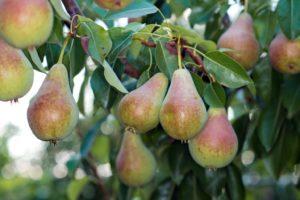
Why is this insect dangerous?
The parasites absorb plant sap, which disrupts photosynthesis. This causes leaves to curl, tree growth to stall, and the pear tree's resistance to winter frosts to decline. If left untreated, aphids will ultimately kill the plant.
Getting rid of the parasite
What should you do if a tree is infested with aphids? Aphid control must be comprehensive.

Agrotechnical techniques
To prevent aphids from appearing on your pear tree and quickly deal with the pests, it's important to properly care for the plant. To do this, we recommend following these guidelines:
- After harvesting, it's time to prepare the garden for winter. This includes removing garden debris, weeds, and fallen leaves.
- In the first months of spring, before bud break, it's a good idea to treat pear trees with aphid control products. Even if larvae appear, they will quickly die.
- It's recommended to plant crops with strong aromas near fruit trees. These include garlic, onions, and mint.
- Grass between rows should be regularly cleared. It's recommended to water the cleared areas with infusions of wormwood, tansy, or garlic.
- Plant celery and dill near trees. These plants attract aphids' natural enemies, such as ladybugs and lacewings.
With the help of chemicals
To kill aphids, pear trees should be treated with insecticides. These products are fast-acting and highly effective. When spraying, it's important to take safety precautions.
Biotlin
The product is sold as a powder, which is recommended for making a solution. To do this, use 3 milliliters of the product per 10 liters of water. Use 2-6 liters of solution per tree.

Aktara
This systemic product helps combat aphids. Results can be seen within a month. The product remains on branches and leaves after precipitation. Aktara provides a comprehensive effect, destroying all pear pests.
The composition is prohibited for use during the flowering period. It is also not used during the fruit setting and ripening period.
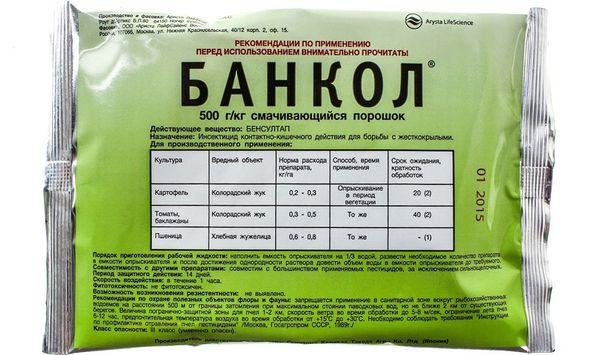
Bankol
This product has a gut effect. The compound remains in the tree's cells for a long time. It can be used during the flowering period. This ensures that by the time the fruit ripens, the product will have left the fruit, making it ready for consumption.
Actellic
This is one of the most effective aphid control products. Pest colonies die within 3 days of spraying. Its effectiveness lasts for 1 month.
Biological agents
Biological pest control can be used to control aphids. However, these are primarily used as a preventative measure. Results will only be achieved over a long period of time.
Golden Spark
The product is based on a substance obtained by synthetically converting nicotine and tobacco dust. It is available in powder, stick, and liquid forms. Trees can be treated even in elevated temperatures.

Spark double effect
The product's core components are permethrin and cypermethrin. It comes in tablet form. Additional components include potassium and anti-stress ingredients. The product not only kills aphids but also promotes tree recovery after their attacks.
Iskra M
The effect of spraying lasts for two weeks. Complete removal of the product from the tree tissue is observed one month after spraying. The product is produced as a concentrated emulsion.
Folk remedies against aphids
You can get rid of pests using folk remedies. These recipes are highly effective and safe. However, they require significantly longer use than insecticides.

Alcohol tincture
An alcohol or vodka infusion can help control aphids. Mix equal parts alcohol and water. Spray the trees with the resulting mixture.
Tobacco infusion
This remedy is effective against widespread pear infestations. To make it, mix tobacco dust with cool water and let it steep for two days. Before use, strain the infusion, add laundry soap, and spray it on the pear.
Onion infusion
To make it, take 250 grams of unpeeled onion and dice it. Cover with water and leave in a dark place for 24 hours. Filter the mixture and use.
Potato tops
Take a large bunch of the leaves and pour 10 liters of water over them. Let it steep for at least 4 hours, strain, and spray the trees. You can use tomato tops instead of potato tops.

Soap and water
To make a beneficial solution, grate the soap and dissolve it in 10 liters of water. Apply the resulting solution to the affected trees.
Prevention methods
To avoid aphid attacks, it's important to practice preventative measures. To do this, we recommend the following:
- In late autumn, clean the bark of any dirt and treat it with an antiseptic. Dig up the area around the tree trunk, and whitewash the bark around the base.
- Pour boiling water over the pear tree bark and the soil around it. This simple procedure will kill the parasite eggs.
- In the spring, hang a sticky belt on the tree, which will provide protection for the crop from pests.
- Before bud break, treat the tree with insecticides. This helps kill pest larvae.
Aphids frequently infest pear trees, causing serious damage. A comprehensive approach is recommended to combat these pests.
Before fruit formation, trees should be treated with insecticides. Later, it's better to use safer treatments, such as biological agents and folk remedies.
Implementation of necessary agricultural measures is of no small importance.
Related posts:
 Peach tree care and agricultural secrets, pest control
 How to treat peach trees for aphids and the best methods for pest control
 Methods for planting and propagating cherries at home
 How to plant walnuts, care for them, and grow them at home
 How to treat peppers for aphids, how to fight them with folk and chemical remedies
 Rules for planting and caring for pears in open ground, how to grow them correctly
 How to control aphids on raspberries during flowering and fruiting, what to treat them with
 How to get rid of aphids on cherry trees and what is the best treatment after flowering?