
- History of Forel pear breeding
- Where does the variety grow?
- Description and characteristics
- Tree dimensions
- All about fruiting
- Flowering and pollinators
- Ripening time and harvest
- Tasting evaluation and use of fruits
- Resistance to low temperatures and drought
- Immunity to diseases
- Features of planting crops
- Selecting a site
- Layout plans
- Distance between trees
- Favorable neighborhood
- Timing and technology of planting seedlings
- Specifics of care
- Watering
- Fertilization
- Trimming
- Disease prevention
- Gardeners' reviews of the variety
Russian gardeners are showing interest in the Forel pear variety as a rare crop with exceptionally beautiful and delicious fruits. This fruit tree is attractive not only for its decorative qualities and compact size, but also for its ability to tolerate low temperatures.
History of Forel pear breeding
America, where the Forel variety is in high demand, Australia, and Germany are all countries that claim to be the first to develop the hybrid. However, most scientists believe the variety was developed in Saxony through cross-pollination of local pears with exotic varieties.
Where does the variety grow?
The Forella variety is grown in Latin American countries (Chile, Argentina) and the United States (Oregon, Washington). The crop is popular with Australian farmers. A hybrid produced in South Africa is also available in stores. Large areas of Forella orchards are located in China.
Description and characteristics
Trout, like all pears, belongs to the pink family, but unlike other varieties, it stands out for its fruits’ original taste and color.
Tree dimensions
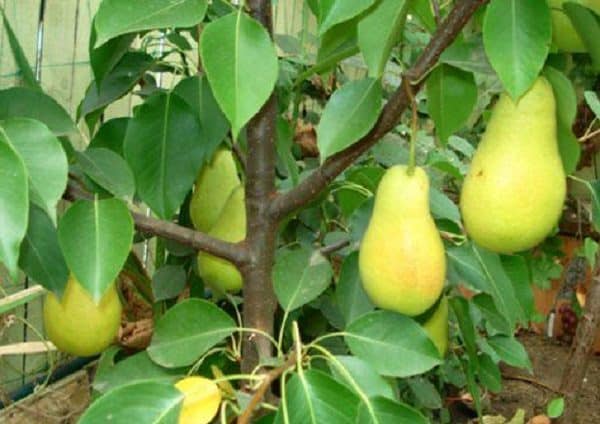
This fruit tree with a classic crown shape reaches a maximum height of 6 meters. The trunk is smooth and brown, while the upward-facing branches are grayish-brown. The dark green, glossy leaves are characterized by visible veins that turn yellow as the tree grows, and the absence of teeth along the edges.
All about fruiting
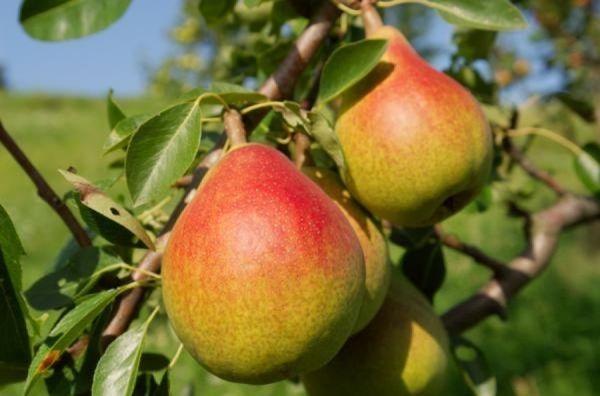
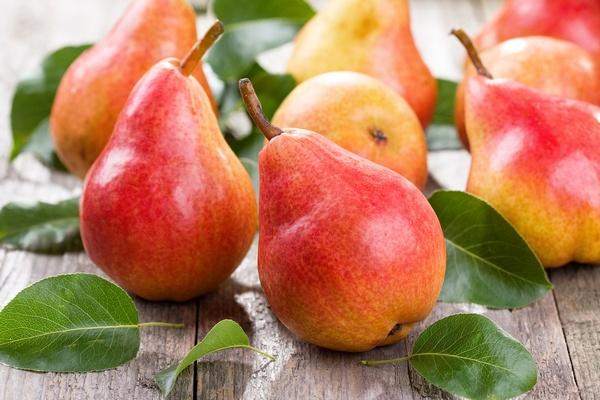
Gardeners begin to harvest single Forel pear fruits from the second year after planting. Mass fruiting occurs in the third or fourth year. The average weight of uniform fruits is 150 g, with some specimens reaching up to 190 g. The color changes as they ripen. The smooth, even fruits are green when they first ripen. Later, the fruits turn a rich yellow. By the time they ripen, the yellow color is complemented by a red blush of small specks, sometimes merging into a single spot.
The pulp of the fruit is white, juicy, dense, the skin is thin.
In warm climates, the Forel variety yields up to 40 tons per hectare. In temperate climates, the yield is 20 tons.
Flowering and pollinators
The Forel pear tree's white and pink flowers begin blooming in early April and end in the second half of the month. The tree is not self-fertile, so to ensure proper pollination, pear varieties that bloom at the same time are planted nearby. The best pollinators are:
- Kucheryanka;
- Conference;
- Bush;
- Parisian.
If the above mentioned crops are not available, pear varieties such as Kabardinka, Talgarskaya Krasavitsa, and Fevralskaya are suitable.
Ripening time and harvest
Forel is a late-ripening winter pear variety. Harvesting begins in mid-September, before full ripening, if transporting or storing the fruit for up to six months is desired.
The fruits reach technical maturity in the second half of October. These fruits remain fresh at room temperature for 10–14 days.
Fruit is harvested in sunny weather using a ladder and a metal hook to bend the high branches. The fruit is picked with the stem attached to prevent premature spoilage.
Tasting evaluation and use of fruits
Professional tasters rated the sweet, sour, and spicy flavor of the Trout pear at 4.3 points. The fruit is used to make homemade compotes, preserves, juices, and jams. It's also added to salads and baked goods. In the US, consumers find the combination of the Trout's spicy flavor and sharp cheese piquant.
This low-calorie fruit (47 kcal) is used in dietetics to combat obesity. The components of pears saturate the body with vitamins, micronutrients, and macronutrients. One fruit is enough to cover 10% of the body's ascorbic acid needs.
In folk medicine, the fruit is used as a remedy for diarrhea, multiple sclerosis, and inflammation. Pears also reduce fever. The high potassium content promotes the elimination of excess water and salts, which supports vascular and heart health.
Resistance to low temperatures and drought
The Forel pear's tolerance to subzero temperatures (down to -20°C) doesn't negate the need for winterization and insulation. This sensitive crop suffers from partial yield losses if under-watered, and its drought tolerance is average.
Immunity to diseases
The tree has a weak immune system, which results in poor survival after planting and low resistance to fungal diseases and pest attacks.
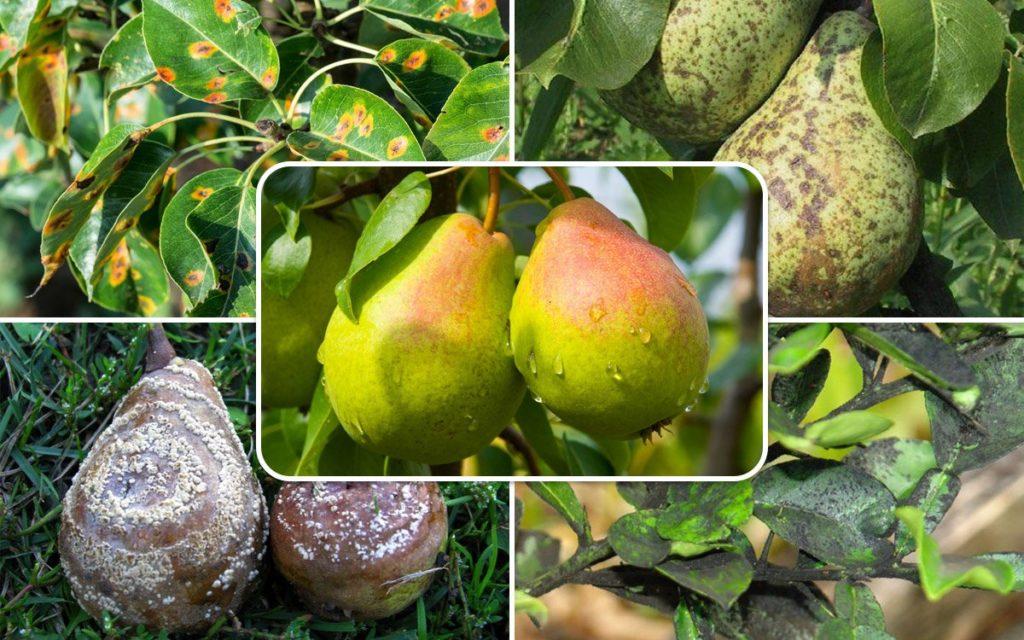 Pear trees are susceptible to scab, fruit rot, and black canker. They are also susceptible to fire blight during flowering. Aphids are the most significant insect pest.
Features of planting crops
The tree's sensitivity to growing conditions dictates that gardeners must take a responsible approach to choosing a site, suitable neighbors, and following planting rules.
Selecting a site
Pear trees do not tolerate cold winds, shade, or partial shade. Lowlands with accumulations of cold air masses and areas with shallow groundwater are unsuitable for the plant. Choose a level site, protected from northerly winds by structures or shields. Uniform light exposure throughout the day is essential.
The Forel pear requires well-drained, fertile soil that provides oxygen and moisture retention at the roots. If the soil doesn't meet these requirements, the soil is tilled, fertilized, and heavy soils are thinned with sand.
Layout plans
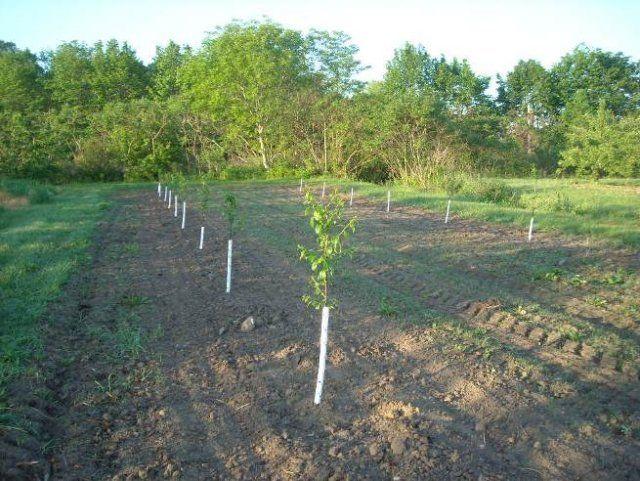
To enhance the decorative appeal of a garden plot, the Forel pear is planted in parallel, arched lines, maintaining a distance of 4 m between trees and 5 m between rows. If the plot is regular in shape, rectangular, square, or checkerboard patterns are used.
With a staggered arrangement, the seedlings of the second row are placed between the trees of the first at the same distance.
When planting crops on flat areas, a square pattern is most often used, where the distance between trees in a row and between rows is the same - 4 m.
Distance between trees
It's unacceptable to plant a pear tree closer than 4 meters from a neighboring tree. The intertwined crowns will not receive enough light, and the roots will suffer from nutrient deficiencies. Failure to maintain the recommended distance increases the risk of disease and pest attacks.
Favorable neighborhood
Pear trees don't tolerate rowan trees because the tree is infested by the rowan moth, whose caterpillars eat the fruit. Juniper should not be planted nearby, as it infects the fruit tree with rust spores. Peach, plum, lilac, and jasmine have a depressing effect on the hybrid.
Pear, apple, pine, spruce, and oak trees thrive next to each other. Tomatoes protect the crop from codling moths, and tansy protects against many types of pests.
For smaller plots and to enhance the garden's decorative appeal, primroses, marigolds, daisies, and strawberries are planted under pear trees. Roses, which share the same diseases and pests, should not be grown near pear trees.
Timing and technology of planting seedlings
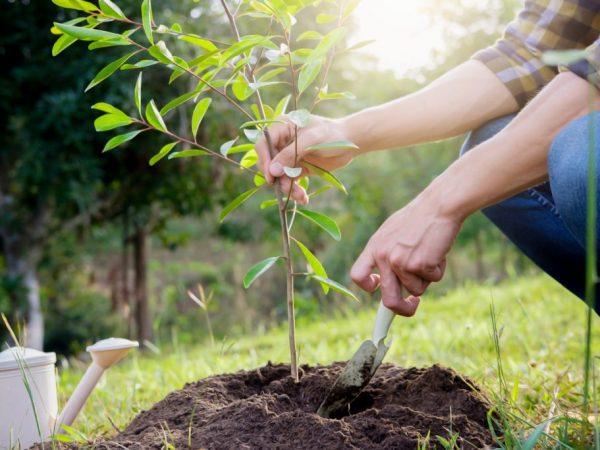
For the Forel pear, the optimal planting time is mid-April, when the average daily air temperature remains at 12–15°C, or in the fall at the end of the growing season, 1.5–2 months before frost.
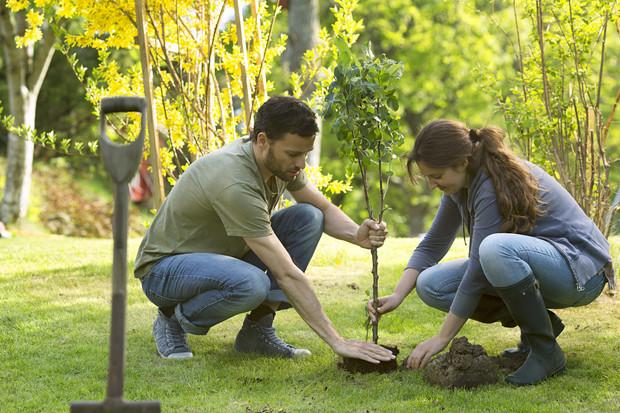
Prepare a cylindrical planting hole in the fall by digging a hole 80 cm in diameter and 60 cm deep. Topsoil is mixed with two buckets of compost, rotted manure, and humus. Add 1 kg of ash and 100 g of potassium salt to the soil mixture. A 10-15 cm drainage layer is created at the bottom using broken brick, crushed stone, and rocks.
Before planting, seedlings are kept in a solution of Kornevin with the addition of equal parts of soil and ash.
Planting technology for the Forel pear:
- along the edges of the settled hole, make notches with a shovel and drive in a support stake;
- an elevation is built at the bottom;
- place the seedling on a prepared mound, spreading the roots along the slopes;
- pour out a bucket of water;
- fill it with prepared substrate, periodically shaking the tree so that voids do not form in the roots;
- compact the soil, make a groove around the trunk, into which they pour another bucket of water;
- tie the pear to a stake from above and below;
- The area around the tree trunk is mulched.
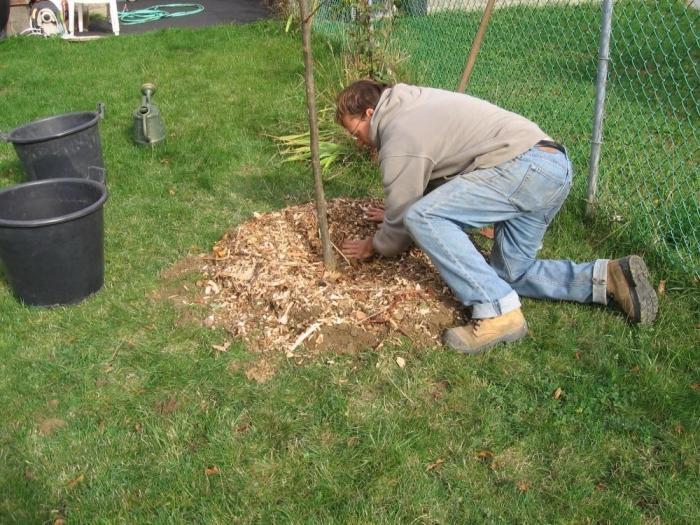 The tree is planted so that the root collar rises 2–3 cm above the surface after the end of the event.
Specifics of care
Following recommendations for irrigation, fertilization, pruning, and treatment increases pear resistance to diseases and pests and increases yield.
Watering
To ensure moisture reaches the roots, the soil beneath the tree is regularly loosened. In spring, the Forel pear tree only needs two waterings: the first before bud break, and the second when the fruit begins to form.
In summer, watering is based on the weather and rainfall. On average, pear trees require watering once a month. In autumn, the crop is watered once in preparation for winter (5-6 buckets).
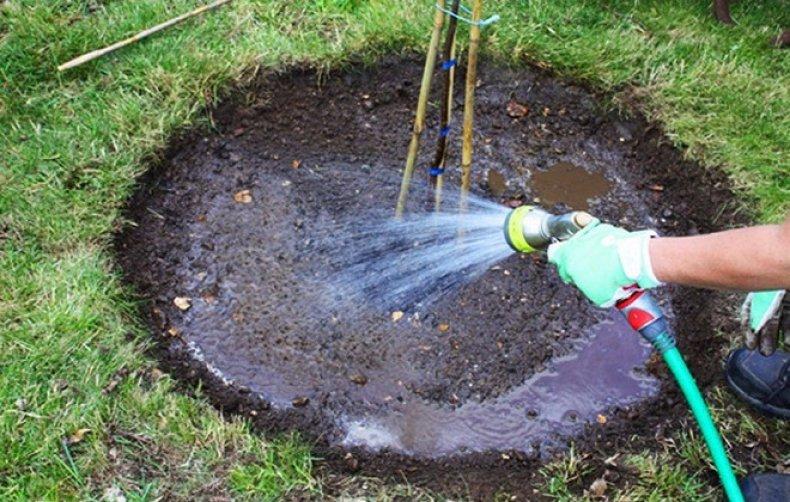
When a pear tree is less than two years old, pour a bucket of water into the grooves around the trunk. A mature plant requires 30 liters. A first-year seedling should be watered weekly, or every 3-4 days during summer droughts.
Fertilization
The organic matter added to the Forel pear tree during planting is sufficient for the first three years. The exception is fertilizing the tree with an infusion of mullein or bird droppings in April, when the plant requires increased nitrogen content in the soil. Organic fertilizers can be replaced with urea (200 mg per 10 liters).
In May, the tree is watered with a nitroammophoska solution (50 g per 10 l). Two weeks later, the pear is fertilized with 30 g of potassium salt per 1 square meter of soil.
When the fruits are filling, the crop is irrigated with a solution consisting of 50 g of superphosphate and 30 g of potassium salt, dissolved in a bucket of water.
To increase winter hardiness, when preparing for winter, ash is added to the tree trunk circle (200 g per 1 sq. m).
Trimming
Immediately after planting, the tree's trunk and side shoots are shortened by a quarter. In the second year, the first tier is formed by selecting two to three strong branches, pointing in different directions and equidistant from the ground.
The following year, the second-order branches of the first tier are shortened by a third, young shoots are removed, and one skeletal branch is left one meter above the lower branches. Each of the following two years, one more skeletal branch is added. The first is positioned one meter above the previous one, and the last one is 60 cm above. This completes the formation of the Forel pear's sparsely layered skeleton.
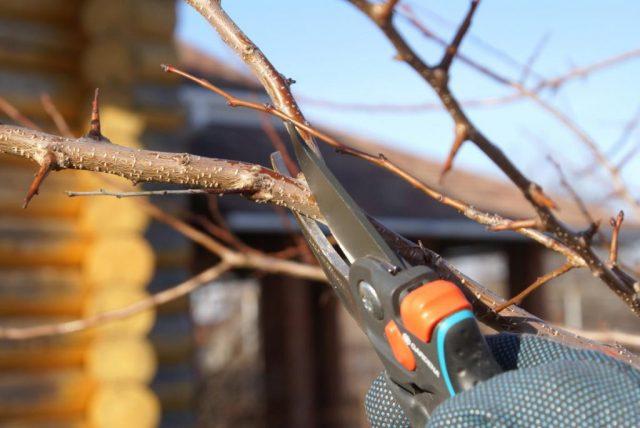
Every year, the tree's conductor is shortened so that the lateral branches of the last tier are 20 cm shorter. Sanitary pruning is done annually in early spring or fall, after the growing season has ended. Diseased, broken, or malformed shoots, as well as branches that crowd the crown, are removed.
Disease prevention
In high humidity and summer temperatures, fruit rot and scab are the most damaging to the Forel pear. To prevent fungal diseases, treat the plant at the beginning of the growing season, during budding, and after flowering with Gaupsin and Fitoverm, which are safe for humans. Alternatively, use the more toxic Topaz, Skor, and HOM. Bordeaux mixture and copper sulfate, which are popular, have proven effective.
Aphids and blossom beetles, which are the most vexing insects on pear trees, can be eliminated by spraying the plant with Agravertin or Karbofos. The timing is the same as for preventative treatments.
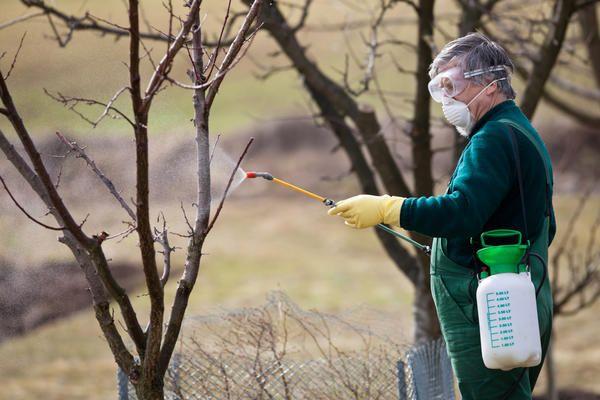
To prevent fungal spore infestation and pest attacks, it is recommended to take the following preventative measures:
- get rid of biological waste in the tree trunk circle;
- whitewash the trunk and lower branches in autumn and spring;
- plant spicy greens to attract natural enemies of insect pests;
- in the spring, trapping belts are glued to the trunk of the crop;
- They hang up birdhouses and bird feeders.
A proven way to repel pests is to plant plants with insecticidal properties (onions, mustard, garlic).
Gardeners' reviews of the variety
You can learn about the advantages and disadvantages of the crop from gardeners' reviews.
Natalia Semenovna, 49 years old, Minsk
Of the three pear varieties grown in the garden, the children especially like the Forel pear. The eldest daughter includes the fruit in her diet. She says the appearance and unique flavor with hints of cinnamon improve her mood and make dietary restrictions easier to bear.
Margarita, 37 years old, Moscow region
I live in the Moscow region and have long wanted to plant a pear tree in my garden that would be unlike any other. I chose the Forel variety and regretted it. The tree was sick, gradually withered, and finally died completely. I think the cause was defective planting material, which took a long time to arrive by mail, as I hadn't planted it correctly.
Mikhail Ilyich, 58 years old, Nikolaev
I bought the trout tree by chance. The seedling took a long time to root, but it finally took root. Three years later, we harvested our first crop, which the whole family loved. Now I water the tree every season, fertilize it, and spray it with Bordeaux mixture and Fitoverm for prevention. I want to continue delighting my family with its bright, sweet-and-tart fruits.
Related posts:
 Description and full characteristics of the Yakovlev Memory pear variety, planting and care
 Description and full characteristics of the August Dew pear variety, planting and care
 Description of the Rogneda pear variety, planting and care instructions
 Description of the 23 best pear varieties for the middle zone, planting and care rules
 Description and full characteristics of the Lada pear variety, care and cultivation
 Description and characteristics of the Marble pear variety, pollinators and cultivation subtleties
 Description of the Cathedral pear variety, planting and care features
 Rules for planting and caring for pears in open ground, how to grow them correctly