
- History of the Lileya potato breeding
- Is it worth planting: all the pros and cons of the crop
- Characteristics and description of the mid-season variety
- Bush
- Root crop and yield
- Where are the fruits used?
- Planting potatoes in the garden
- Preparing tubers
- Preparing the planting site
- Algorithm for planting seedlings
- Proper care of potato bushes
- Regularity of watering
- How and what to feed plantings with
- Loosening and hilling the beds
- Prevention of diseases and insects
- Harvesting and preserving crops
- Reviews of the variety
Potatoes are the most popular crop in the world. In some countries, the vegetable has become an integral part of the culinary arts. Gardeners, farmers, and vegetable growers plant this crop in their plots every year. The Lileya potato variety is an early-ripening variety, so a good harvest of root vegetables can be harvested as early as mid-summer.
History of the Lileya potato breeding
There are many potato varieties available today, but not all of them are characterized by early ripening and low maintenance. Belarusian breeders took into account the most important characteristics of this vegetable crop and, in 2007, developed a new variety of the root vegetable, which was added to the state register in 2008.
Important! The Lileya potato variety is resistant to climate change, has natural immunity to viral and fungal diseases, and matures in just over two months.
Is it worth planting: all the pros and cons of the crop
Like all vegetable crops bred through selection, Lily has its advantages and disadvantages.
Advantages of the variety:
- Root vegetables with high taste qualities and long shelf life.
- With proper care, the variety shows high yield.
- The tubers' dense skin protects them from mechanical damage, which is important during harvesting and long-distance transportation.
- Resistance to sudden temperature changes.
- Natural immunity to various diseases and pests.
- Early ripening variety. Ripening period is 60-70 days.
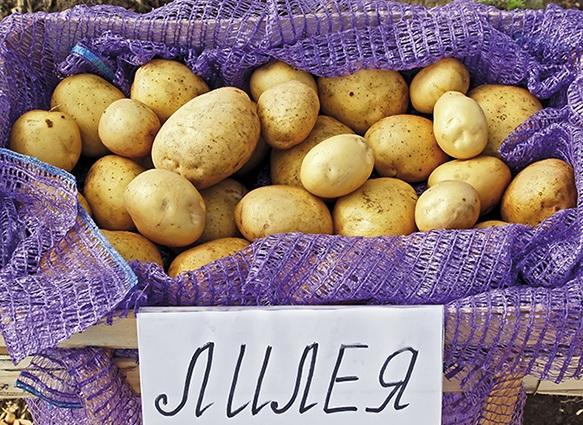
In just 10 years of its existence, the vegetable has gained immense popularity among both amateur gardeners and farmers who grow it on an industrial scale. One of the variety's drawbacks is its demand for fertile and fertilized soil. The potato will grow in any soil, but it won't produce a high yield.
Characteristics and description of the mid-season variety
Thanks to the efforts of Belarusian breeders, the Lileya variety has combined the best qualities and characteristics of the vegetable crop.
Bush
Medium-sized bushes with branched stems. The foliage is dense and dark green. During the growing season, multiple inflorescences emerge, opening with small, white flowers.

Root crop and yield
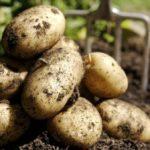
With proper and timely care, one potato bush can produce up to 15 large roots. Commercially, up to 70 tons of vegetables can be harvested from one hectare. Each potato weighs between 100 and 200 grams, and its skin is light and smooth. The tubers are rich in vitamins and other nutrients. The flesh is white, with a slight creamy tint.
Where are the fruits used?
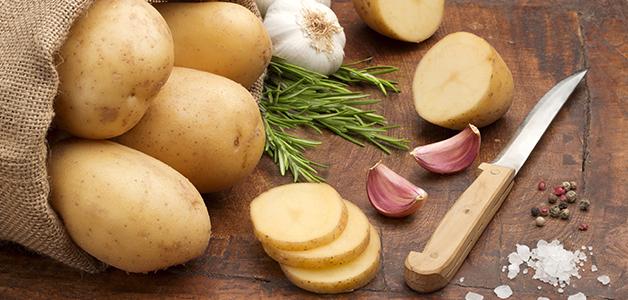
The excellent flavor of the Lileya potato variety is widely used in cooking. These vegetables are suitable for any type of cooking, including boiling, frying, stewing, baking, and freezing. In the food industry, this variety is used to make various convenience foods and baby food.
Planting potatoes in the garden
The Lileya potato is suitable for growing in regions with varying climates. In southern regions, the vegetable is planted outdoors in late April, in central regions in early May, and in northern latitudes, planting begins based on weather conditions. Once the soil warms to 6-8 degrees Celsius, the crop can be planted outdoors.
Important! This variety ripens early, making it particularly suitable for regions with unstable climates and frequent summer temperature fluctuations.
Preparing tubers
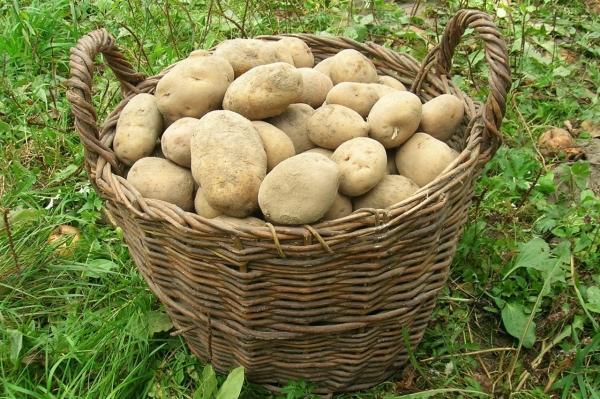
Properly selecting planting material is the key to a good harvest. If root vegetables from previous harvests are used for planting, small and medium-sized vegetables are selected.
Tubers for planting in open ground are prepared in advance:
- The planting material is carefully examined for damage and rot.
- Before planting, tubers must be cleaned of dirt and dried.
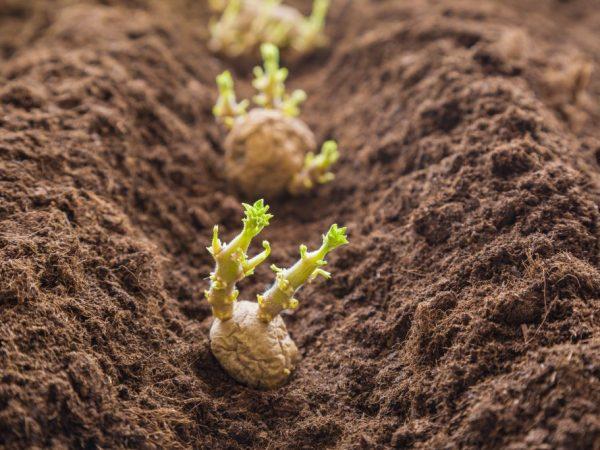
- Next, the tubers are germinated. This process takes 15 to 25 days, which must be taken into account when calculating the planting date.
- Just before planting, root crops are disinfected with a solution of manganese or special preparations.
Interesting! To speed up the sprouting process, the tubers are covered with plastic film with small holes or placed in plastic bags. This greenhouse effect allows the vegetables to germinate within a week.
Preparing the planting site
Preparing the plot for planting potatoes begins in the fall. The soil is thoroughly dug and mixed with compost. Ash is added to highly acidic soil.
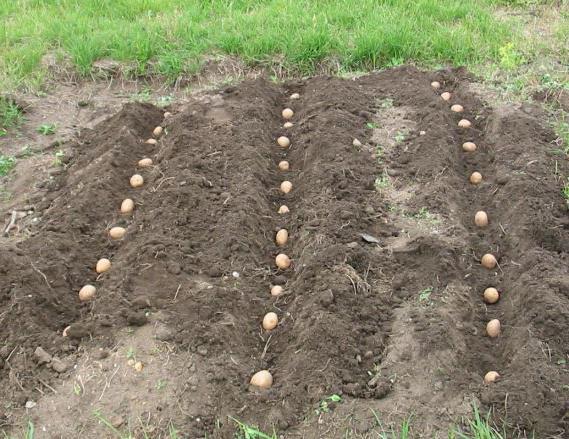
In the spring, the beds are dug up again and mixed with organic or mineral fertilizers.
Algorithm for planting seedlings
The success of the previous open-ground potato plantings plays a significant role in its development and maturation. Potatoes will thrive in soils previously occupied by cucumbers, greens, cabbage, or legumes. It is not recommended to plant potatoes after tomatoes, sunflowers, or any other nightshade crops.
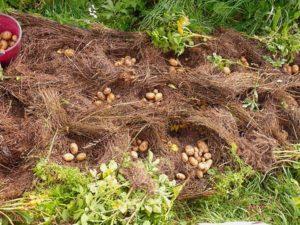
In the prepared area, dig holes 30-35 cm apart. Maintain a distance of 60 to 75 cm between beds. Large tubers are planted 8-10 cm below the soil surface, and small tubers 5-7 cm. Potatoes can also be planted in shared trenches, maintaining the required distance between the tubers. After planting, water the beds with settled, warm water.
Proper care of potato bushes
The Lileya potato doesn't require any special care, but some farming practices are necessary. As soon as the first sprouts appear, the beds should be cleared of weeds.
Regularity of watering
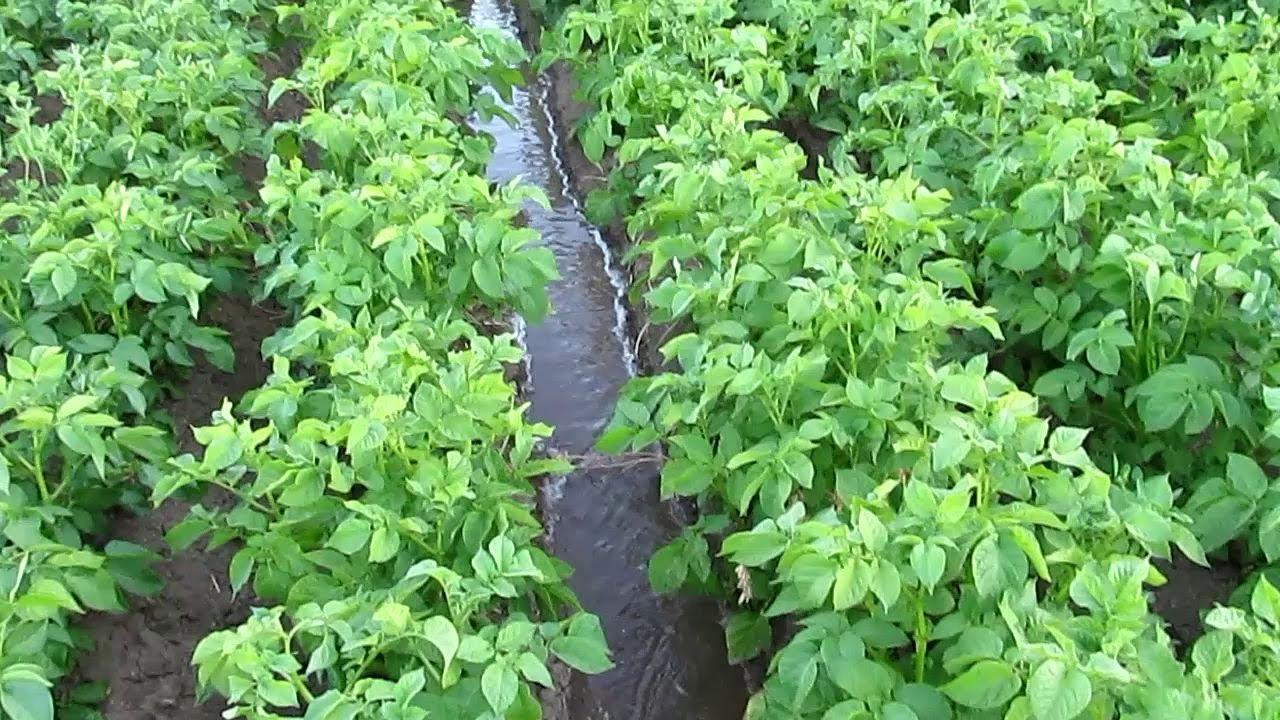
Until the first sprouts appear, the plant doesn't require watering. Once the potatoes begin active growth, the watering schedule is adjusted as needed. As soon as the soil becomes dry and cracked, the plants need watering.
Important! The plant requires additional moisture during bud formation and flowering.
Insufficient moisture during the growing season will affect the quality and quantity of the harvest.
How and what to feed plantings with
Timely feeding and fertilizing of potatoes allows for healthy plants and a bountiful root crop. The crop is first fertilized during planting with organic or mineral fertilizers. Subsequently, phosphate-containing fertilizers are used to promote root development and ripening.
During the period of active bush growth and inflorescence formation, potatoes are fertilized with root dressings. The vegetable crop responds well to the additional nutrition, and the result is reflected in the yield.
Loosening and hilling the beds
The first soil loosening is done immediately after planting vegetables. Thorough loosening helps enrich the soil with oxygen, eliminates unwanted weeds and insects, and helps retain moisture. The loosening process should be repeated as soon as a solid soil crust forms on the potato beds.
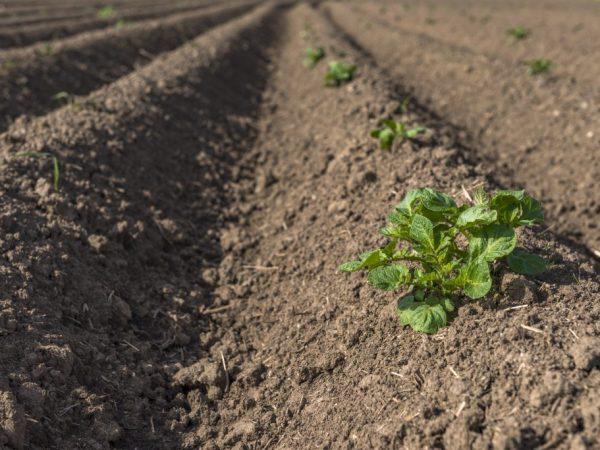
Hilling is done at least three times during the growing season. The lighter and fluffier the soil around the plant, the more root vegetables it will produce.
Important! Early planting and proper care of the Lileya potato variety will allow you to grow two crops in one season.
Prevention of diseases and insects
The variety is resistant to various diseases and pests, but for additional protection and prevention, the following actions are taken:
- Before planting in open ground, the seed material is treated with special antibacterial agents.
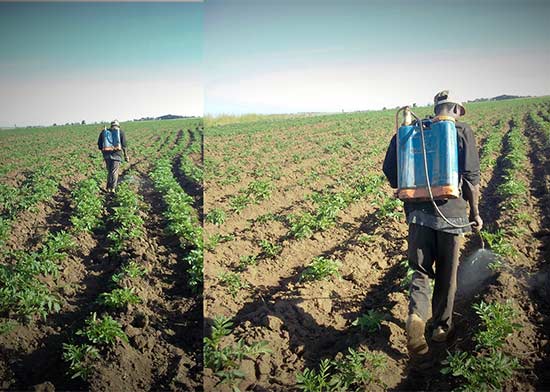
- To protect plants from pests, ash is added to the soil, and the bushes are sprayed with special insecticidal solutions or infusions.
- If insects harmful to the crop appear, they are collected by hand and destroyed.
Following the simplest rules of watering and fertilizing reliably protects plants from the negative influence of the environment and diseases.
Harvesting and preserving crops
As soon as the plant's bushes begin to dry out and wilt, the roots are ready for harvesting. The tops are cut off 5-7 days before harvest. Potatoes are dug up with a pitchfork, which reduces the risk of damage. After the roots are dug up and cleared of excess soil, they are dried in the sun and selected for future planting.
Next, the vegetables are packed into bags or boxes and sent for storage in a cool, dark room.
During storage, root vegetables are sorted and selected. Firm and healthy potatoes are stored further, rotten and spoiled ones are discarded, and the rest are eaten. With the right approach and conditions, potatoes can easily last until spring.

Reviews of the variety
Natalia, 42 years old, Gomel
We've been growing Lilya potatoes for three years now. We plant them in the garden in May and harvest them in mid-July. They produce large, tasty potatoes that require little effort to grow. I highly recommend them!
Vasily Petrovich, 60 years old, Moscow region
We've been planting potatoes at our dacha for a long time, but always different varieties. Two years ago, we bought a lily and haven't regretted it. We're done experimenting, and now we only plant lilies. Each plant produces 20 large potatoes. The potatoes are stored all winter in boxes in the garage.
Maria. Crimea
I've been planting Lileya potatoes for five years now, and I have no plans to change them. They're easy to care for, yield a bountiful harvest, produce large tubers, and have a rich flavor our family hasn't experienced in any other variety. But most importantly, they store all winter without any special conditions.
Related posts:
 Description of the best potato varieties of domestic and foreign selection
 Description and characteristics of the Rodrigo potato variety, cultivation and care
 Why potatoes aren't growing well in the garden, and what to do to ensure a bountiful harvest
 Description and characteristics of the Krasavchik potato variety, planting and care
 Description and characteristics of the Gulliver potato variety, planting and care
 Description and characteristics of the Bellarosa potato variety, planting and care
 Description of the best potato varieties for 2025, selection for regions
 Description and treatment of potato diseases, methods of control using folk and chemical means