
- Origin of the variety
- Description and varietal characteristics of the Riviera potato
- The main positive and negative aspects
- Features of growing the variety
- Preparation of resistant seed material
- Growing potatoes from seeds
- Timing and rules for proper planting
- The nuances of potato care
- Watering
- Hilling
- Fertilizing and mulching
- Diseases, pests and effective methods of prevention
- Harvesting
- Storage methods
- Reviews from experienced gardeners
The global market is regularly replenished with new, improved potato varieties. Breeders from around the world are developing resistant varieties with excellent taste. The Riviera potato variety is characterized by its high yield and early maturity, making it a favorite among many gardeners and farmers.
Origin of the variety
The Riviera potato is the result of Dutch breeding. It was developed by the Agrico holding, an organization of farmers successfully specializing in potato cultivation. The variety was added to the Russian state register in 2013 and is intended for cultivation in the central regions.
Description and varietal characteristics of the Riviera potato
This ultra-early variety boasts a robust, extensive root system, which enables high yields. The fruits are resistant to extreme drought and mechanical damage during harvesting. The low, spreading bush has medium-sized leaves and red-violet buds. Each root weighs 120 grams. The starch content is approximately 12%. Riviera potatoes are intended for table use, as their flavor is rated at 4.8 points.
The main positive and negative aspects
Potatoes of this variety boast a fairly wide range of positive characteristics:
- the tubers ripen early, which means you can harvest several times from one plot;
- high yield that is not affected by drought;
- the shelf life of the fruits is 93%, which ensures a long shelf life and high tolerance for long-distance transportation;
- excellent taste characteristics;
- The variety is practically immune to various diseases and is resistant to pests.
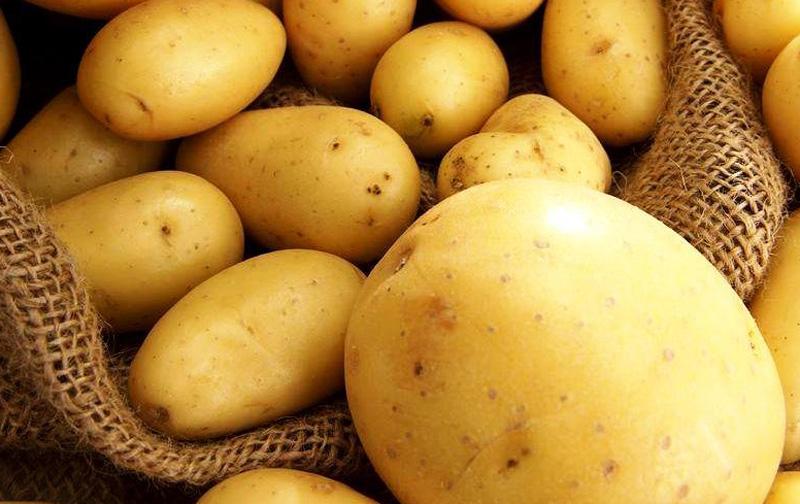
However, potatoes are not without their drawbacks: they are susceptible to late blight and the planting material is expensive. Another drawback is that gardeners cannot obtain their own seeds.
Features of growing the variety
The process of growing Riviera has virtually no significant differences compared to growing other varieties of potatoes.

Preparation of resistant seed material
The preparatory stage is necessary to shorten the growing season and accelerate the ripening of root crops. The selected seedlings are placed in a warm, ventilated, and well-lit room for two weeks. The temperature should not fall below 15 degrees Celsius. The seed potatoes should be turned throughout this period. The sprouts should be 0.5-2 centimeters tall.
Riviera can be stored not only in boxes, but also in bags – this creates greenhouse conditions that accelerate growth.

Growing potatoes from seeds
Seeds can be collected directly from the bushes or purchased at a store. Two options are then available: sowing directly into the ground or growing seedlings. For seedlings, sprouted seeds are sown in containers, spaced 5 centimeters apart. They are then placed in a warm place, moistened occasionally. After 10 days, the seedlings are divided into individual containers.
Timing and rules for proper planting
Potatoes are planted in an open, sunny location with a low water table. The soil should be tilled twice—in the fall and in the spring. Fertilizer mixtures are applied only in the fall. Riviera is planted in mid-April, when the soil temperature is above 12 degrees Celsius. How to plant potatoes:
- Dig up the soil and add lime.
- Make markings nearby, keeping an interval of 65 centimeters.
- Place the tubers in the prepared holes with the sprouts facing up and fertilize with humus and ash.
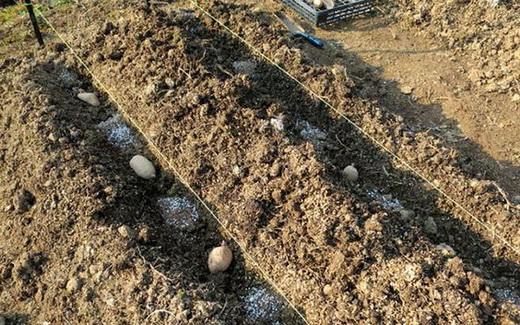
All that remains is to cover the holes with 10 centimeters of soil and wait for the first shoots to appear.
The nuances of potato care
The cultivation techniques for further growing Riviera are quite simple. Failure to follow proper care will result in low yields.
Watering
This variety doesn't require much watering—twice is sufficient. Watering should be done when the tops emerge and the tubers are forming. Use 4 liters per plant. Drip irrigation is preferred, but overhead irrigation is also suitable.

Hilling
This mandatory soil loosening procedure is necessary for good ventilation and oxygen access. Hilling is also necessary to remove weeds. This process is performed twice per season: when the tops reach 15 centimeters and three weeks later. Hilling can be done manually or mechanically. It is recommended to loosen the soil in the evening, when sunlight exposure subsides.
Take a look Also

Fertilizing and mulching
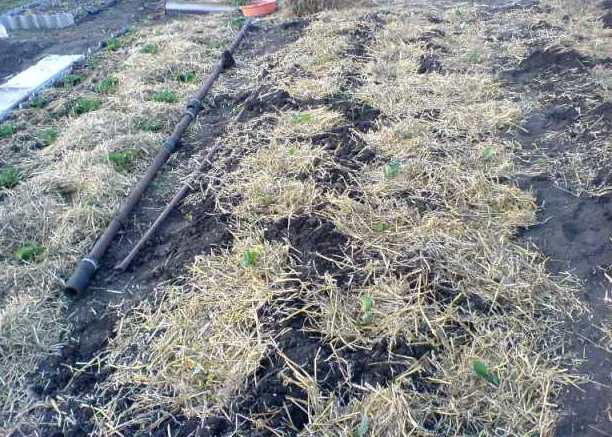
Fertilizer mixtures aren't particularly necessary, but in a fertilized area, the chances of a bountiful harvest increase significantly. Nutrients enhance plant stability, increase starch content, and improve the shelf life of root crops. In the spring, apply ash, saltpeter, potassium sulfate, and superphosphate. Mulching is also important: sprinkle hay or sawdust over the beds.
Diseases, pests and effective methods of prevention
The main threat to Riviera potatoes is late blight, but other diseases are also possible. Immediately before planting, the tubers are treated with a Colorado potato beetle inhibitor.
If the bushes are affected by the disease, the following measures are taken:
- Scab causes brown spots to appear on fruit. To prevent this, treat the seed with a borax solution. If spots appear, treat with fungicides.
- Late blight causes dark spots and dents on leaves and shoots. Treatment involves spraying with Bordeaux mixture.
- To treat black leg, you need to remove the diseased plant, and place copper sulfate and ash in the hole.
- Macrosporiosis causes dark spots on leaves and stems. Treatment is with Rost.

The Colorado potato beetle is another serious threat to Riviera potatoes. They can be harvested by hand or sprayed with pest control products. To protect against mole crickets, place Grom or Grizzly granules 10 centimeters from the plants. Wireworms can be controlled with Aktara, and the potato cutworm requires treatment with Agrovertin.
Harvesting
Fourteen days before harvesting, the tops of the tubers should be removed from the entire plot—this is necessary for better shelf life of the root vegetables. Tuber harvesting begins in June and July, with the second harvest taking place in September.
First, select the seed potatoes and place them in a sunny spot. The removed roots are immediately set aside to dry, then sorted and rotten potatoes removed.
It is recommended to treat the storage area with the biological product Antignil, and the potatoes themselves with copper sulfate. The temperature should be maintained at 5 degrees Celsius.
Storage methods
There are several ways to store potatoes: in a basement, in piles, or in trenches. When storing potatoes in a basement, they can be arranged in the following manner:
- Bulk storage is a common method of storage, but there is a risk of rot occurring and spreading further.
- Boxes – it is better to use boxes made of coniferous wood.
- Containers are the most preferred option for storing potatoes, as one container can hold up to 500 kilograms of fruit and is well ventilated.
- Bags and nets are another suitable method for providing ventilation. Preference should be given to products made from natural materials.
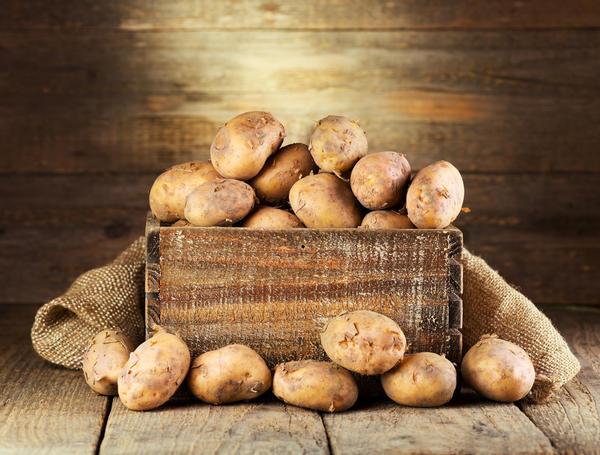 For long-term storage, it's also recommended to use spruce or pine branches. Place them between the root vegetables. The following plants will help prevent rot: wormwood, elderberry, and fern.
Reviews from experienced gardeners
Angelina
"The blight damaged all the leaves, but the harvest was surprisingly bountiful. The roots were large, free of any blight or signs of spoilage. Even though we planted only half a bucket, we managed to harvest four buckets."
Evgeny
"I was looking for a variety that would satisfy me in every way. I tried Riviera, and I think I've finally found it. The yield is always impressive, I haven't encountered any diseases, and I haven't had any particular difficulties growing it. The seed price is a bit steep, but it's completely justified."
George
"We've been growing Riviera for sale for three years now. It can be stored for long periods without spoiling. We harvest a bountiful crop twice a season, and we have no plans to switch to another variety for now."
Related posts:
 Description of the best potato varieties of domestic and foreign selection
 Description and characteristics of the Rodrigo potato variety, cultivation and care
 Description and characteristics of the Gulliver potato variety, planting and care
 Why potatoes aren't growing well in the garden, and what to do to ensure a bountiful harvest
 Description of the best potato varieties for 2025, selection for regions
 Description and characteristics of the Zhukovsky potato variety, planting and care
 Description and characteristics of the Krasavchik potato variety, planting and care
 Description and characteristics of the Rocco potato variety, cultivation and care