
- Causes and signs of pest infestation
- What harm do they cause to the plant?
- Leaf-eating insects
- Colorado beetle
- Slugs
- Caterpillars
- Other insects that harm bell peppers
- Ants
- Whitefly
- Nematodes
- May beetle larva
- Mole cricket
- Spider mite
- Wireworm
- owl
- Aphid
- Thrips
- How to treat peppers against pests
- Biological agents
- Chemical control
- Traditional methods
- Mechanical treatment methods
- Schemes and frequency of treatments
- Preventive measures
Photos make it easy to identify sweet pepper pests and how to control them. The list of insects is quite extensive. There are approximately 20 species of pepper pests. Each has its own biological characteristics. To protect plants, you need to know how these insects spread, reproduce, and feed.
Causes and signs of pest infestation
Pests can be polyphagous or specialized. The latter infest closely related plants within the same family. For example, slugs and spider mites are polyphagous parasites. They can threaten mature plants and seedlings of cucumbers, peppers, and other vegetable crops grown in greenhouses and gardens.
Insects suck the sap, eat the leaves, roots, buds, and fruits of the pepper plant, and leave behind sticky secretions—the byproducts of their vital activity. Adults (imagoes) aren't the only pests that pose a threat to the plant. The larvae of some pests can cause significant damage to peppers. Causes of pepper pest infestations include:
- poor agricultural technology;
- contaminated soil;
- bad weather conditions;
- tight fit.
What harm do they cause to the plant?
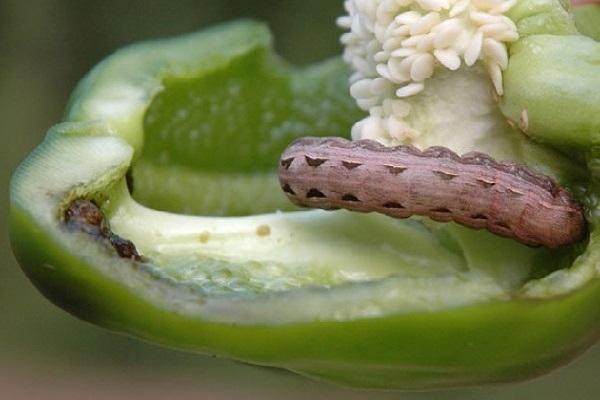
Pests eat leaves, roots, and stems, sucking out the sap. This weakens the plant and slows growth.Insects are damaging the flowers. Fewer ovaries are forming. There are few peppers on the bushes. Caterpillars are damaging the fruits themselves, eating out the insides and filling them with their excrement.
Pests (aphids, thrips) secrete honeydew, creating favorable conditions for fungal growth. Bushes damaged by pests are susceptible to diseases:
- gray mold;
- bacterial wilt;
- Cladosporiosis;
- late blight.
Leaf-eating insects
You can tell if insects are infesting your pepper plant by the holes in its leaves. A careful inspection of each plant reveals who's gnawing at it.
Colorado beetle
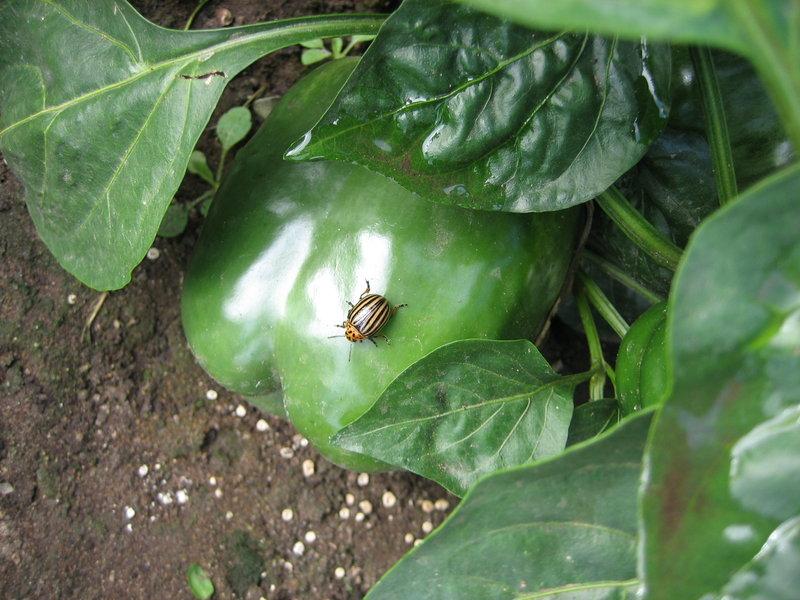
A dangerous pest. Colorado potato beetle larvae feed on leaves and stems. In a short period of time, a pepper plant can be reduced to bare twigs. An adult beetle's body is 7-12 mm long and 7 mm wide. Each elytron has five black stripes. The abdomen is light orange with rows of black spots, and the back is yellowish-black.
The head is broad with bean-shaped eyes and antennae, it is yellow in color, covered with bright black spots.
The Colorado potato beetle has three pairs of legs with hooks that allow it to move slowly along the surface of leaves. Its wings are membranous, allowing it to fly long distances.
Adults live from 1 to 3 years, overwintering in the soil at a depth of 50 cm. Adults mate in the spring. Females lay egg clutches on the undersides of leaves. They are easy to spot. They are dark yellow, almost orange. The beetle larvae go through several stages of development.
| Stage | Color | Body size |
| 1 | Dark gray | 2.5 mm |
| 2 | Red | 4.5 mm |
| 3 | Red and yellow | 9 mm |
| 4 | Orange | 16 mm |
Larvae in the 3rd and 4th stages of development are mobile. Pupation occurs in the soil. The adult beetle emerges from the pupa after 3 weeks.
Slugs
Gardeners recognize the presence of these mollusks in their greenhouses by the holes they eat in leaves, excrement, and mucus secretions. The slugs emerge to feed at night. During the day, they hide in holes, under boards, plant debris, and rocks.
Take a look Also


The snails are very voracious, readily devouring the tender shoots, leaves, and fruits of peppers. They have soft bodies 50-60 mm long. Greenhouses and hothouses are favorite habitats for slugs. These leaf-eating pepper pests prefer moist soil and dislike heat.
Caterpillars
Signs of caterpillars on peppers: holes in the fruit, eaten stems, leaves gnawed at the edges. In greenhouses, caterpillars often devour the bushes. They thrive indoors, where the humidity is higher and there's less sun. Caterpillars hatch from eggs laid by butterflies. These insects can crawl long distances in search of food. Two varieties of peppers cause damage to gardeners:
- The grey caterpillars of the winter moth feed at night, spend the day in the ground, and are difficult to find and destroy;
- Green caterpillars of the gamma moth with grey spots.

Butterflies actively reproduce in spring (April, May), in the second half of summer and in September.
Other insects that harm bell peppers
The most damaging insects to peppers are mole crickets, cutworms, thrips, and the Colorado potato beetle. Other pests that feed on sweet pepper leaves and fruits also reduce fruit quality and spread infections.
Ants
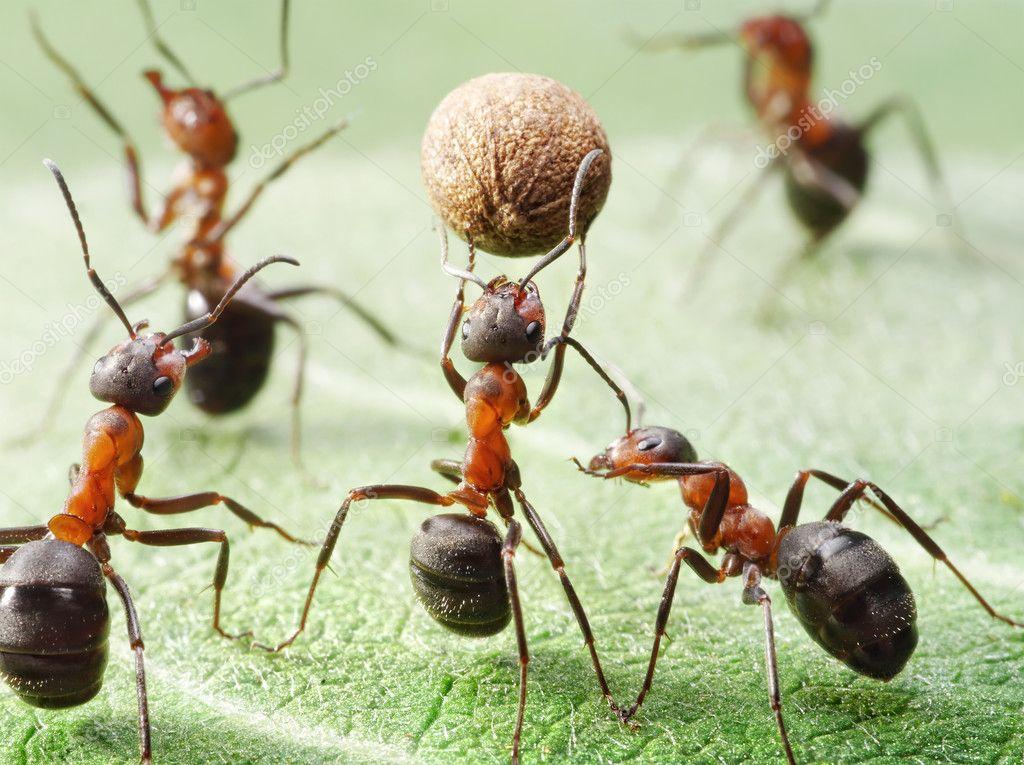
These insects need no description. Every gardener knows them. Garden ants build their nests along the perimeter of garden beds. They especially like to nest near wooden borders in greenhouses. The tunnels are easy to spot, as are the ants scurrying along the stems.
It's not the ants themselves that cause the damage. The peppers are harmed by aphids, which thrive thanks to the ants' protection. They feed on plant sap, weaken the plant, and transmit fungal infections.
Whitefly
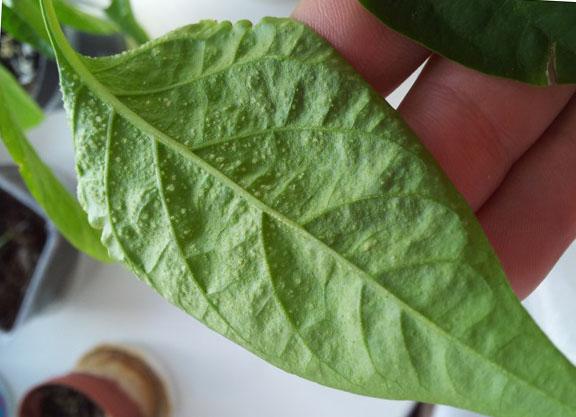
A small (3-5 mm) butterfly of pale color (white, light yellow). It damages peppers indirectly. Adults inhabit the inner surface of leaves. During their life cycle, they secrete a sweet secretion called honeydew.
Pepper leaves become sticky, creating conditions conducive to the growth of powdery mildew, gray mold, and mosaic fungi. Bushes infested with whiteflies suffer from infection, developing white-yellow leaves that eventually darken and die.
Nematodes
These are microscopic worms (1-2 mm). They are almost transparent, live in the soil, and feed on pepper roots. The plant suffers from a lack of moisture and nutrients and appears unhealthy:
- twisted leaves;
- yellow leaves;
- growth retardation;
- absence of flowers, ovaries.
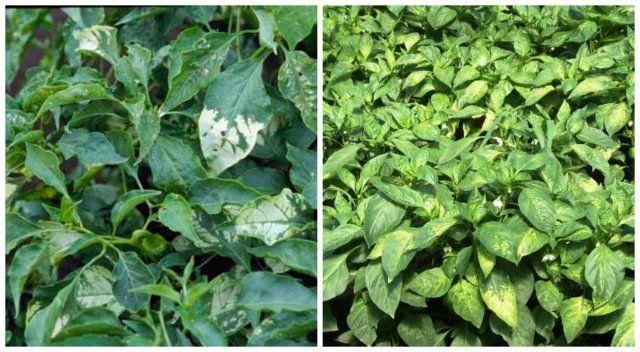
If you pull out a bush infested with nematodes, you'll see yellow-brown thickenings on the roots. The root portion dies, the roots become thinner, and the plant dies.
May beetle larva
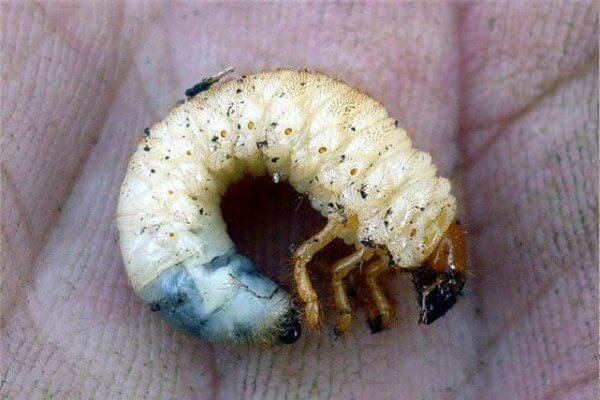
May beetle larvae attack pepper roots by gnawing at them. The damaged plant gradually wilts and dies. Controlling the larvae is difficult. They live deep (0.7 m) in the soil. They are easy to recognize: they are white worms with black heads and three pairs of legs. A female pest lays up to 70 eggs. The larvae are brought into the garden along with fresh manure.
Mole cricket
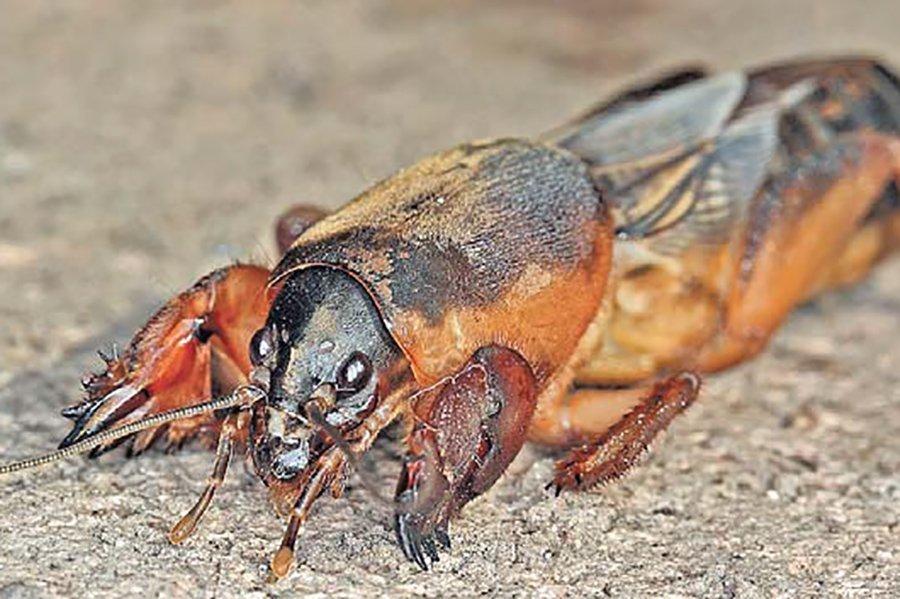
A large insect, up to 8 cm in size, the mole cricket lives underground. In a garden bed where it has infested, you can find winding tunnels. The insect feeds on roots and earthworms. Peppers with damaged roots appear stunted, fail to thrive, and eventually die. The mole cricket has:
- wings, with the help of which it migrates;
- limbs with which she digs the earth;
- good appetite.

Spider mite
They feed on sap. They especially love young leaves on seedlings. Pepper leaves turn yellow and curl. On the undersides, you can see the insects themselves, a thin, light web, and light or dark spots—the bite sites. Signs of a large infestation:
- change in color of the above-ground part of the pepper;
- the leaves wither and fall off;
- ovaries are not formed, fruits do not develop.
Wireworm
Peppers are threatened by larvae that live in the soil. Wireworms are the larvae of the click beetle. These yellow or brown worms range from 1 to 4 cm in length. It takes four years for them to mature into the next stage. Wireworms overwinter in the soil, burrowing to a depth of 60 cm. Pepper plants, devoured by the larvae, suffer poor growth and eventually die.

owl
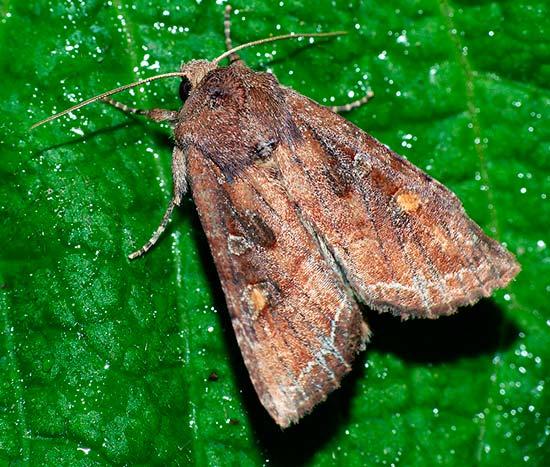
There are about 100 species of moths in nature. It's not the moths themselves that pose a threat to the plant, but the caterpillars that hatch from their eggs. The damage caused by caterpillars and common cutworm species is discussed above. The winter cutworm is common in the southern regions of Russia:
- wingspan up to 45 mm;
- hind wings white;
- The forewings are brown with spots outlined with a black border.
The gamma moth is found everywhere:
- wingspan up to 47 mm;
- hind wings are grey-yellow;
- The forewings are grey-brown or brown, with light spots on them that are shaped like a “Y”.
Aphid
The insect settles on young leaves. The tops of the bush are affected first. The leaves curl, dry out, and fall off.
Aphids are small sap-feeding insects that reproduce quickly. Plants infested with aphids are susceptible to fungal infections.
A bush can die from either a lack of nutrients or an aphid infestation. To spot aphids, look under the leaf. There, you'll see small insects (0.5 mm) of a green or dark color, sticky secretions called honeydew, egg masses, and larvae.
Thrips
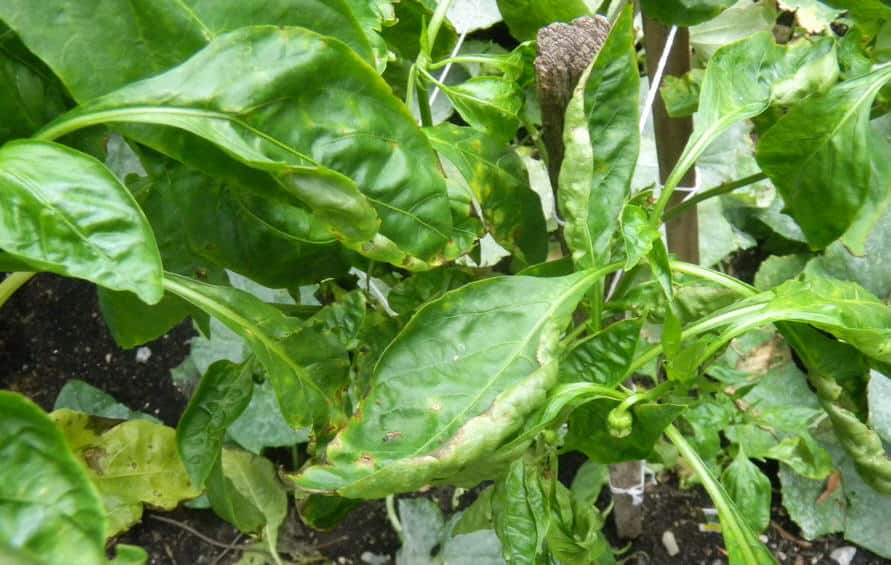
These are small (0.5-1.5 mm), almost transparent insects with wings. They are difficult to see. In search of food, they flit from one plant to another. Both adults and larvae damage peppers. Where they sucked the sap, they leave marks—spots. These merge into a pattern resembling yellow stripes.
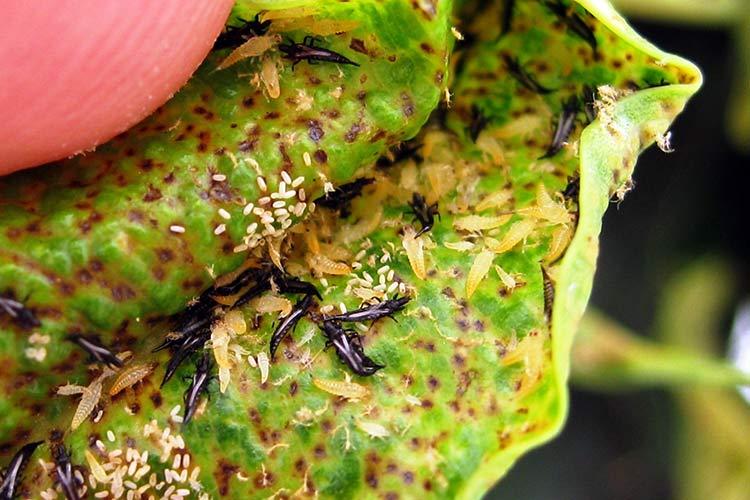
Thrips affect the entire above-ground portion of the pepper plant. Leaves fall off, and immunity is weakened. The plant can die from either exhaustion or infection. Thrips are carriers of many dangerous diseases.
How to treat peppers against pests
What to do if insects appear on your peppers or in the soil. First, you need to identify the pest, and then decide how to get rid of this uninvited guest.
Biological agents
These products work by influencing beneficial fungi and bacteria, as well as certain virus strains. These control measures offer advantages over chemical pesticides:
- act selectively;
- do not suppress soil microflora and plants;
- do not fall into the fruits;
- can be used during flowering and fruiting.

| Name | Purpose of use |
| Actinin | Colorado beetle |
| Bitoxibacillin | Spider mite, Colorado potato beetle larvae |
| Lepidocide | Caterpillars |
| Nemabakt | Thrips, caterpillars, Colorado potato beetle, mole cricket |
| Boverin | Whitefly, thrips |
| Verticillin | Aphids, whiteflies |
| Nematophagin | Nematodes |
Disadvantages of biological agents:
- slow action;
- Cannot be used during the day, as the sun has a negative effect on the results.
Chemical control
Before spraying peppers with chemicals, assess the risks and read the instructions. Most products are toxic. Wear protective clothing, a mask, and gloves.
| Name | Purpose of use |
| Aktara | Thrips, spider mites, aphids, Colorado potato beetle |
| Actellic | Spider mite, whitefly |
| "Storm" | Slugs |
| Bazudin | Wireworm |
| "Meta" | Slugs |

Traditional methods
Pepper seedlings can be treated at home with infusions of onion peels and garlic. If pests appear, mature plants can be treated with folk remedies during flowering and fruiting. The table provides recipes for spraying the bushes.
| Item No. | Ingredients | Preparation | Pest |
| 1 | Ash - 1 tbsp. | Heat the water, add ash, let it steep for 24 hours, strain, and add soap. | Aphid |
| Water - 10 l | |||
| Soap - 1 tbsp. | |||
| 2 | Onion peel - 1 l | The husk is infused for 2 days, soap is added, and the mixture is diluted with water in a ratio of 1:2. | Aphid |
| Water - 2 l | |||
| Soap – 2 tbsp. | |||
| 3 | Garlic - 2 heads | Infuse for 7 days
|
Water the soil and spray the bush against sucking and leaf-eating insects. |
| Water | |||
| 4 | Kerosene | Mix in any proportion and pour into the holes. | Mole cricket |
| Water |
To prevent fungal diseases, peppers are treated with a solution of copper sulfate.

Mechanical treatment methods
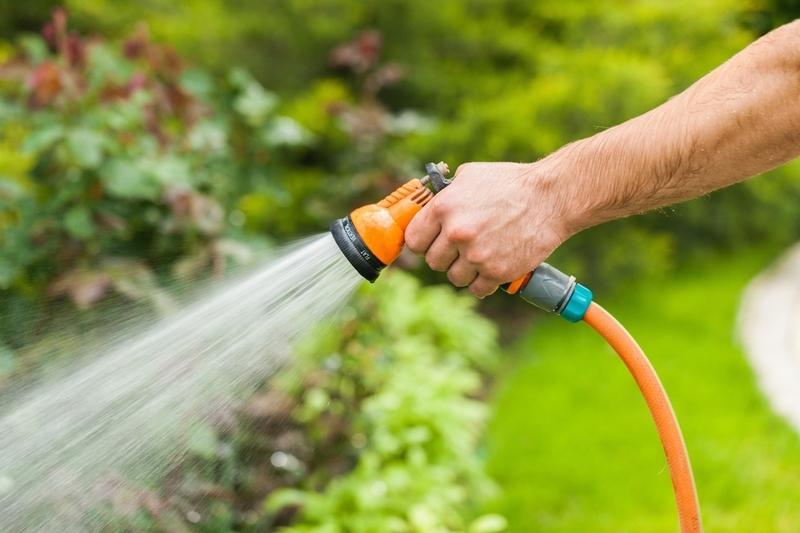
Large pests can be collected by hand. Mechanical methods of protection are used when larvae and adult Colorado potato beetles appear on peppers.Slugs are collected by hand and destroyed. Traps are set for mole crickets, slugs, and wireworms. Small sucking pests are eliminated with plain water. Leaves and stems are washed.
Schemes and frequency of treatments
Crop losses will be minimal if control is started in time.
| Insect | Scheme |
| Wireworm | Every 3 days, traps made of potatoes and root vegetables are set up in the corners of the ridge. |
| Slugs | Place wet rags next to the garden bed |
| They set traps from watermelon rinds | |
| Thrips | After watering, the bed is dusted with mustard powder. |
| Wash the leaves every 2-3 days | |
| Spray with garlic infusion | |
| Aphid | In case of severe damage, use Actellic |
| Colorado beetle | Every morning, treat with an infusion of ash, garlic or onion peels |
| Beetles and larvae are collected daily | |
| Spider mite | The last resort is the drug "Commander" |
| Whitefly | Every 2-3 days, treat with garlic infusion |
| Hang yellow adhesive tapes in the greenhouse | |
| In critical situations, the bushes are treated with the drug "Aktara" |
Preventive measures
You can start protecting your peppers before pests attack them. Preventative measures will take less time than pest control. Preventative measures in the fall:
- clearing the ridge of plant debris and weeds;
- deep digging;
- soil treatment with insecticide;
- laying out traps from straw and manure and destroying them along with the pests.
Grow healthy seedlings in the spring. Plant them according to the recommended pattern. Don't overcrowd the plants. Water and fertilize regularly.
Related posts:
 What to do if your pepper's leaves are curling, proper care and treatment
 Why are pepper leaves turning white? What to do and how to feed them in a greenhouse and in the ground.
 Why do pepper leaves turn purple and what can be done to treat it?
 What to do if your pepper's leaves turn yellow, watering and fertilizing rules, and disease control
 Planting, growing, and caring for bell peppers in open ground
 Planting, growing, and caring for peppers in open ground in the Moscow region: the best varieties
 Causes of pepper diseases in greenhouses, their description and treatment
 TOP 12 recipes for making lecho from bell peppers for the winter. You'll lick your fingers.