
- The main causes of the problem
- Temperature fluctuations
- Poor soil composition
- Too dry beds
- Lack of phosphorus in the soil
- Anthocyanosis
- There is no crop rotation
- What is dangerous for pepper?
- What activities should be carried out in greenhouses?
- Maintain a stable temperature
- Temperature standards
- Temperature control methods
- Spraying bushes with copper
- Fertilization
- We organize competent care
- What can be done to save peppers in open ground?
- Covering plants
- Timely watering
- Fertilizing
- Preventive measures
Growing sweet peppers is an energy-intensive process. Gardeners often encounter certain difficulties when cultivating pepper crops. What should you do if your sweet pepper leaves have changed from green to purple? What caused this? Every gardener should know the main causes and solutions.
The main causes of the problem
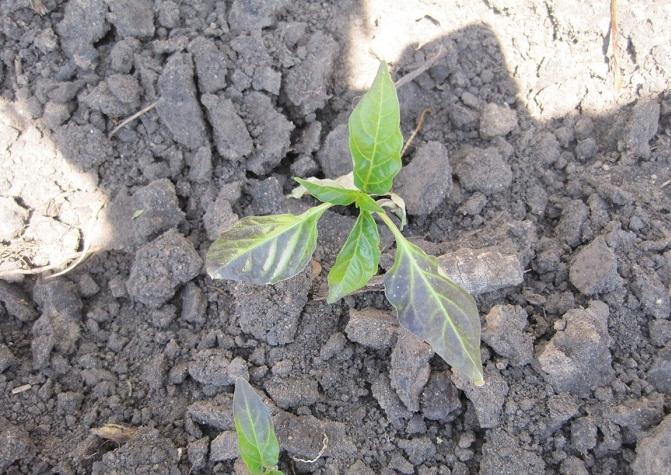
Why have my pepper plant leaves changed their natural color? Purple foliage indicates a phosphorus deficiency. Low average daily temperatures can also trigger this phenomenon. Experienced gardeners identify several reasons for unnatural leaf color in pepper plants:
- The soil is depleted, the plant lacks phosphorus.
- Low ambient temperature.
- Lack of moisture in the soil, rare watering.
- The soil temperature is below normal.
- Lack of phosphorus fertilizers.
When growing peppers in regions with cold, variable climates, it is necessary to select the right varieties and prepare the soil in advance for growing heat-loving crops.
Temperature fluctuations
Peppers don't tolerate sudden temperature fluctuations. The plant easily catches cold, and the unfavorable climate can cause the leaves to change color from green to purple. The leaves then curl up and dry out.
Novice gardeners often rush to plant seedlings outdoors in early spring. Soil temperatures are below normal during this period due to cold nights. Fragile plants begin to develop diseases, signaling their discomfort by changing leaf color.

Poor soil composition
An unbalanced soil composition can also cause changes in the color of sweet pepper leaves. Before planting seedlings, the soil should be fertilized with mineral and organic fertilizers, and sand should be added to loosen the soil. Loamy soils are not suitable for peppers.
Too dry beds
Peppers are moisture-loving plants; if there is a lack of moisture in the beds, the metabolism in the plants slows down, the leaves turn lilac, then purple, curl up, veins appear on them, and they dry out.
In over-dried beds, the soil turns into a lump, loses its looseness, and the plant begins to "suffocate," which disrupts the process of photosynthesis and leads to a change in the color of the leaves.
Lack of phosphorus in the soil
Phosphorus is an essential nutrient for vegetable crops. A deficiency disrupts metabolic processes within the plant structure, and photosynthesis is impossible without it. Phosphorus deficiency causes buds and fruit to drop, pepper plants become weak, and leaves turn purple.

 Note: in case of severe phosphorus deficiency, use double superphosphate fertilizing.
Anthocyanosis
A lack of phosphorus in vegetable crops leads to a chronic disease called anthocyanosis. The plant's leaves turn purple, and dark spots appear on them. The disease primarily affects young, immature seedlings in greenhouses and hotbeds. Plants grown outdoors are less susceptible to the disease.
Treating the bushes with Bordeaux mixture at a ratio of 100 grams per 10 liters of water will help combat the disease. Spray the plants in the evening, after watering.
There is no crop rotation
Failure to properly rotate crops leads to inefficient use of soil resources. If peppers are planted in the same spot several years in a row, the soil becomes poorer, depleting the nutrients needed for pepper crops.

The best crop rotation predecessors for sweet peppers are legumes; it is not recommended to grow the vegetable after other nightshade crops and potatoes.
What is dangerous for pepper?
The natural green color of bell pepper leaves, without spots or blotches, indicates the health of this vegetable crop: metabolic processes and photosynthesis are proceeding successfully, and the plant receives all the necessary nutrients.
But as soon as the leaves turn blue or purple, it is necessary to take action and look for the cause of the phenomenon; the plant may shed the ovaries it has grown or die.
What activities should be carried out in greenhouses?
Indoors, whether in a greenhouse or hothouse, the microclimate is crucial for sweet peppers. Any temperature imbalance, excess or lack of moisture, can cause the plants to become ill. Avoid drafts and sudden temperature changes—they're detrimental to sweet pepper plants.
Maintain a stable temperature
To maintain optimal temperatures in greenhouses, thermometers must be installed. Daily temperature monitoring will help create a complete picture of temperature fluctuations. Ventilation in greenhouses should be carried out early in the morning or in the evening to ensure smooth changes in humidity and temperature, without sudden changes.
Temperature standards
The optimal temperature in the greenhouse is +24-28 During the day, at night - +18-20 C, humidity - 70%, soil temperature - +18-20 C. At higher temperatures, buds, ovaries, and fruits begin to fall off; at temperatures below normal, leaves turn blue and curl.

Temperature control methods
Temperature regulation in the greenhouse is achieved through ventilation. Drafts should be avoided. Ventilation is provided through vents in the early morning and evening hours. On abnormally hot days, when the air temperature rises above 32°C, C, plants need to be shaded using special curtains and covers.

The temperature in the greenhouse can be maintained and regulated using automatic devices: a temperature sensor transmits readings to a thermostat, which drives an electric motor that opens and closes the vents in the greenhouse.
You can increase the soil temperature by mulching the beds—covering them with freshly cut grass or wood shavings in a 1.5-centimeter layer.
Spraying bushes with copper
Peppers are sprayed with copper sulfate in the following cases:
- As a fungicidal and antiseptic agent.
- To combat insect pests.
- To normalize metabolic processes.
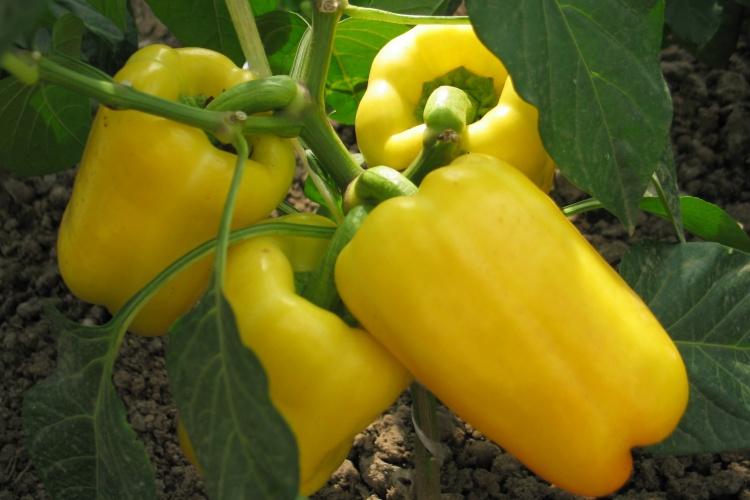
The solution is prepared at a ratio of 100 grams of copper sulfate per 10 liters of water and used as a treatment for anthocyanosis. The positive effect of the treatment becomes noticeable two weeks after the first application.
Fertilization
Applying a complex mineral-organic fertilizer helps compensate for nutrient deficiencies in the soil. Superphosphate is a complex fertilizer that is easily absorbed by plants. Peppers can be watered with this fertilizer from the moment the first shoots emerge, then two weeks after planting, and during flowering.
 Note: Phosphorus fertilizers can be supplemented with organic fertilizers - sprinkle the plants with humus mixed with sand and wood ash.
We organize competent care
A proper care system is essential for the harmonious growth of vegetable crops. For peppers, it includes:
- Regular daily watering: preferably in small portions, but often.
- Fertilizing at important stages of plant development: 2 weeks after planting in a permanent location, before flowering, immediately after flowering.
- Correct temperature conditions.
- Ventilation of the room, no drafts.
- Inspection of bushes for signs of disease.
- Loosening the bushes after each watering.
- Preventive treatment against pests and fungal diseases.
A well-thought-out care system and regular implementation of measures will help avoid a lot of problems when growing sweet peppers and will contribute to an increase in yield.

What can be done to save peppers in open ground?
The phenomenon of "purple leaves" in peppers grown outdoors is less common. The causes are the same: cold weather and a lack of phosphorus in the plant's nutrition. Plants grown outdoors are more vulnerable to weather conditions, as they lack additional protection. Seedlings should be planted outdoors 2-3 weeks later than in greenhouses, after the threat of frost has passed.
Covering plants
If weather forecasters predict a sharp cold snap, it's recommended to cover peppers in the open ground. Film or special agrotextile can be used as temporary shelters. The root system of vegetable crops can be protected by mulching with sawdust. Young seedlings should be protected from the scorching sun with spruce branches or cardboard sheets immediately after transplanting. The shelters can be removed after 3-4 days.


Timely watering
Sweet peppers don't tolerate drought; the plant wilts, and biological processes are halted. Peppers need to be watered frequently, thoroughly soaking the soil. Then, the soil should be loosened to slow evaporation and conserve moisture. Avoid standing water at the plant roots; overwatering is harmful.
Before watering, the gardener must make sure that the bushes really need moisture.
Fertilizing
How to fertilize pepper beds? You can fertilize with organic matter weekly. Dry compost or rotted manure mixed with wood ash and sand can be applied under the plant. Liquid cow dung can be infused: 1 shovel of organic matter per 15 liters of water. Water the peppers at the roots, avoiding contact with the leaves.

Mineral fertilizers used include superphosphate, urea, Agricola, and phosphorus solution. Foliar feeding with an aqueous solution of brilliant green (10 drops per 10 liters of water) refreshes plant leaves and improves the pepper's immunity.
Preventive measures
To avoid anthocyanosis of sweet pepper, preventive measures are taken:
- The beds are prepared for planting seedlings in advance: superphosphate and other mineral and organic fertilizers are added.
- An automatic temperature control system is installed in greenhouses or the correct temperature regime is ensured independently; temperature fluctuations are not allowed.
- Regular watering with warm water.
- Compliance with the timing of planting seedlings in open ground.
- Crop rotation rules are observed; peppers are planted after legumes.
Carrying out preventive measures reduces the risk of anthocyanosis by half and is the key to a healthy harvest.
A change in the color of sweet pepper leaves from green to purple always signals inadequate plant care or the onset of disease. It's important to identify the cause and take corrective measures. Automatic greenhouse temperature control systems and various mineral fertilizer systems can help.
Related posts:
 What to do if your pepper's leaves are curling, proper care and treatment
 Why are pepper leaves turning white? What to do and how to feed them in a greenhouse and in the ground.
 Causes and treatment of eggplant pests and diseases, how to combat them at home
 Reasons why pepper buds drop and what to do to treat them
 Planting, growing, and caring for bell peppers in open ground
 Sweet pepper pests and how to control them, what to do and how to treat them
 Planting, growing, and caring for peppers in open ground in the Moscow region: the best varieties
 What to do if your pepper's leaves turn yellow, watering and fertilizing rules, and disease control