
- Climatic features of the region
- The best varieties for the Urals and Siberia
- Greenhouse varieties
- Yellow Bull
- Cockatoo
- Red Bull
- Casablanca
- Claudio
- Crops for open ground
- Veselinka
- Novosibirsk
- Sultan
- Bogatyr
- Triton
- How to grow high-quality seedlings at home
- The best time to sow seeds
- We prepare the soil mixture in a container for planting.
- Stratification and preparation of seed material
- Conditions for germination
- Transplantation into open soil and appropriate care
- Watering peppers
- Loosening
- Top dressing
- Pinching out side shoots and shaping the bush
- Preventive treatments
- Planting seedlings in a greenhouse
- Plant care and formation
- Harvesting and storage
In the Urals, planting peppers and caring for seedlings is a painstaking task that can yield no results. The problem is that the region's climate isn't quite suitable for this heat-loving plant. As a result, despite all the effort, gardeners can end up with nothing but bushes covered in flowers. Despite breeders' efforts to develop frost-resistant varieties, peppers still consume a great deal of time and effort.
Climatic features of the region
Given the Ural climate, it's not always possible to harvest crops quickly. In the south, summers are warm, with average temperatures of 20 degrees Celsius. In the northern and polar parts of the Urals, summers are significantly shorter, with average temperatures not exceeding 8 degrees Celsius.In such conditions, it is difficult to grow peppers, even in greenhouses, since the plants do not have enough sunlight and warmth.
In the southern part of the region, summer lasts 4-5 months, but in the northern part, it lasts no more than 2 months. 60 days is clearly not enough time for the fruits to fully develop and reach maturity. Therefore, when planting in the ground or a greenhouse, choose varieties that ripen early and are frost-resistant.
Let's conduct a comparative analysis of the climatic conditions of the region:
| Southern Urals: | Summer in this part of the region lasts up to five months, and winters are not particularly cold. Average daily temperatures during the warmer months reach 20 degrees Celsius. The air is dry, but without arctic winds, making it possible to grow peppers even outdoors, provided the irrigation regime is maintained. |
| Northern part: | The climate isn't particularly warm, with average daily temperatures rarely rising above 15-16 degrees Celsius during the warmer months. Summer lasts no more than 60 days, while winter lasts up to six months. Humid yet cold air can kill pepper seedlings. Spring is short, but autumn is long. |
The best varieties for the Urals and Siberia
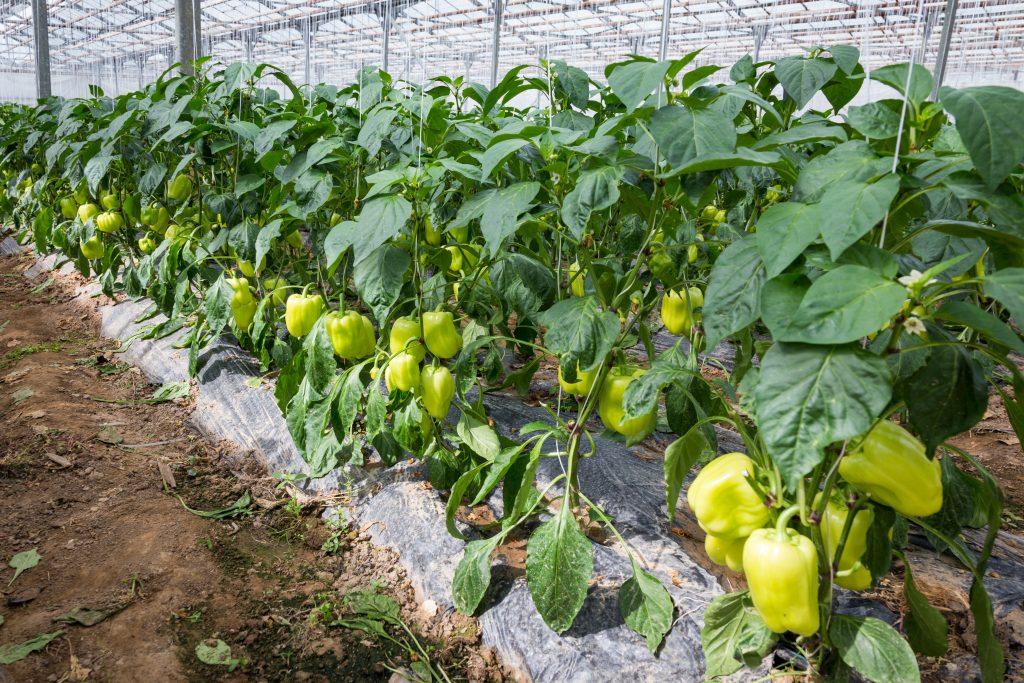
Given the region's specific characteristics, preference is given to varieties that ripen early and tolerate frost well. There are crops suitable for greenhouse cultivation, and even those suitable for outdoor planting. The key is to take your time planting and ensure that heat-loving peppers don't freeze.
Greenhouse varieties
Such crops are not planted outdoors, as this dramatically reduces their yield and may result in gardeners not seeing any fruit at all. Each variety has its own characteristics that should be taken into account when caring for the crops.
Yellow Bull
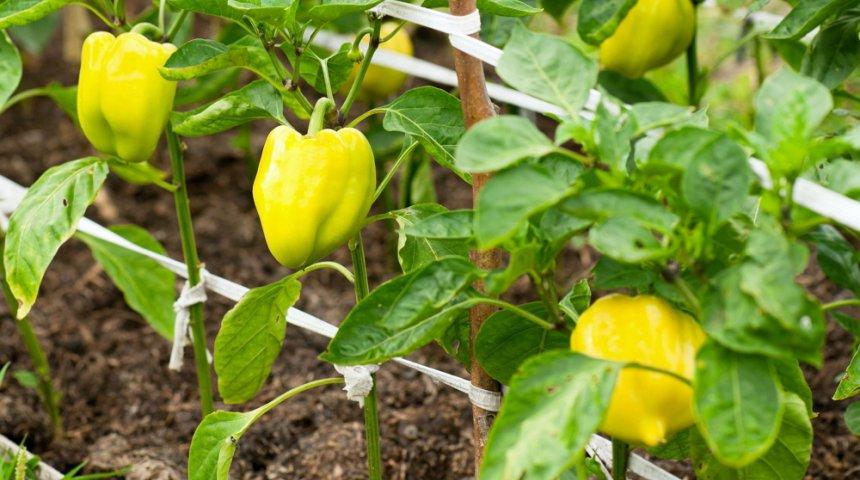
This bell pepper is considered a hybrid and boasts excellent characteristics. Gardeners have taken a liking to it for its large, thick-walled, thin-skinned fruits. The average pepper weighs up to 400 grams. The flavor is excellent, with tender, fleshy fruits and a sweet aftertaste. When ripe, the peppers acquire a golden hue.
Cockatoo
The elongated shape of the fruit, as well as its red color, will surprise gardeners. The bushes grow tall and are planted in glass greenhouses or polycarbonate structures. To reach full maturity, the peppers require full sun. Under favorable conditions and with proper care, harvesting begins in 130 days.
Red Bull
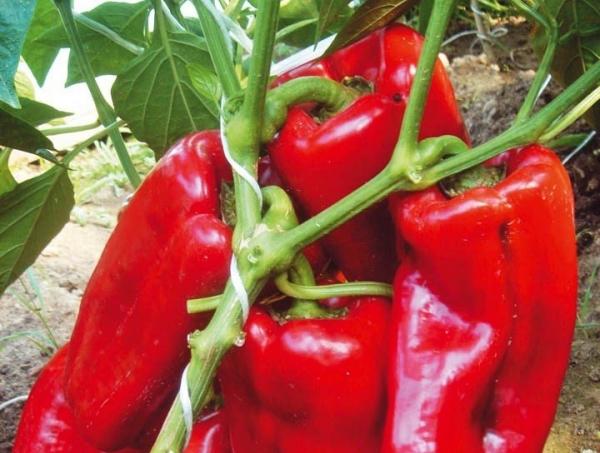
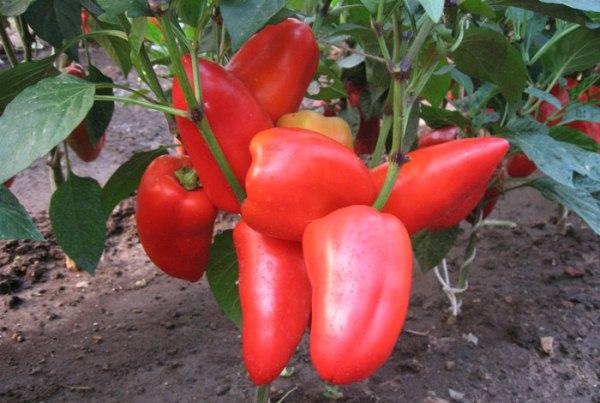
Among gardeners, this variety is known as the "giant," owing to the large size of its fruits. When technically ripe, the peppers are green; when fully ripe, they are bright red. The fruits reach 20 centimeters in length, contain several chambers, and contain a small number of seeds. The Red Bull's flesh is moderately firm, with walls up to 10 millimeters wide.
Casablanca
The fruits ripen on the bushes 95 days after planting in the greenhouse. Under favorable conditions, this pepper variety can also be grown outdoors. The fruit walls reach 6 millimeters, and the peppers themselves are large and juicy. Casablanca is known for its good yield.
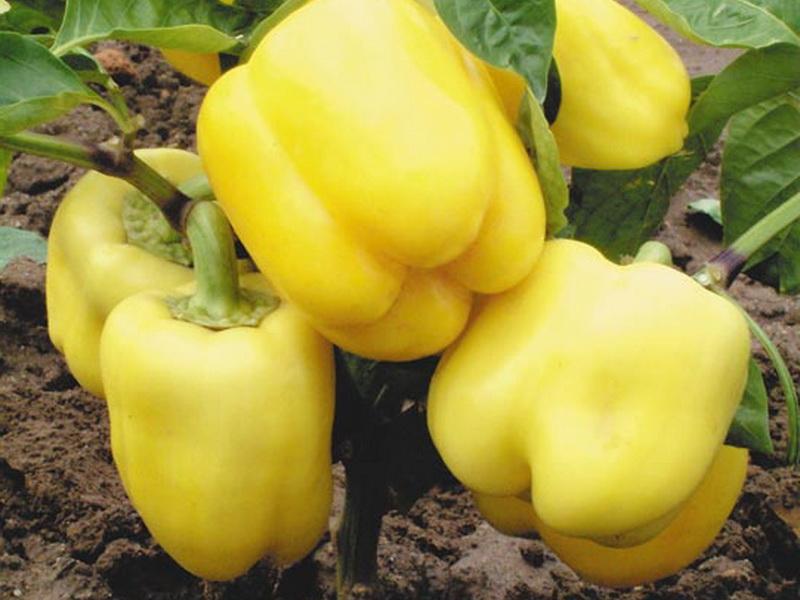
Claudio
Another hybrid distinguished by its early ripening fruit. The peppers ripen quickly, and harvesting can begin 72 days after planting. The fruit has excellent flavor, and the bushes grow tall and spreading. Ripe peppers are red and large, with thin skin and juicy flesh. The walls reach 7 millimeters, and the fruit has several chambers.
Crops for open ground
In the southern part of the region, peppers can be grown outdoors. It's recommended to plant peppers in the ground when temperatures return to normal. These varieties mature more slowly and have lower yields. However, they are resistant to viral and fungal diseases and are stress-tolerant.
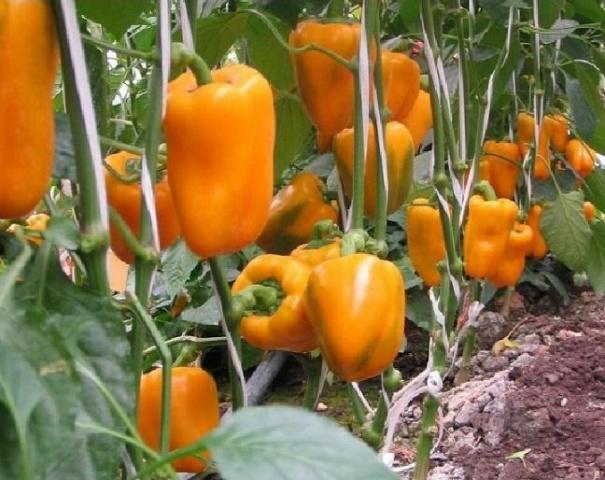
Veselinka
This variety is suitable for planting in the Siberian region. The bush is medium-sized, so don't expect high yields. On average, about 3 kilograms of fruit can be harvested per square meter. When fully ripe, they turn yellow. The average weight of a single peppercorn is no more than 80 grams.
Novosibirsk
This easy-to-grow variety boasts a good yield: with proper care, up to 10 kilograms can be harvested per square meter. The red, cylindrical fruits offer a pleasant taste and vibrant aroma, without bitterness or other unpleasant aftertastes.
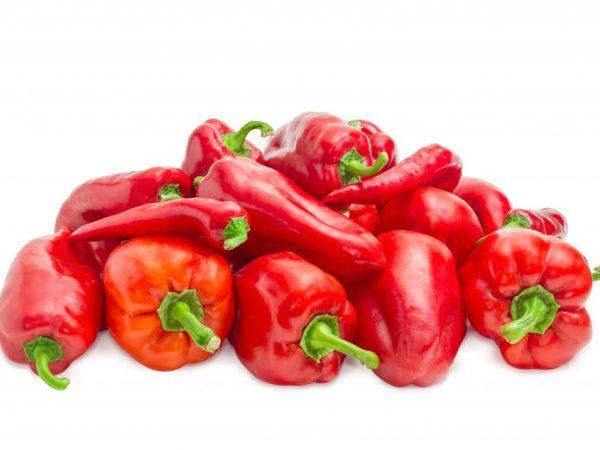
Sultan
This sweet pepper variety takes a long time to ripen, with the fruits ready for harvesting 135 days after planting. Under favorable conditions, harvesting can begin after 165 days. The plants are not particularly tall, rarely reaching 50 centimeters. Gardeners may be attracted by the large peppercorns, which ripen on the plants and weigh 180-200 grams.
Bogatyr
Manufacturers produce seeds under this name that have different characteristics. In the classic form Bogatyr is a variety of pepper, characterized by large sizes, red fruits ripen quickly, and the harvest can be collected in just 135 days.
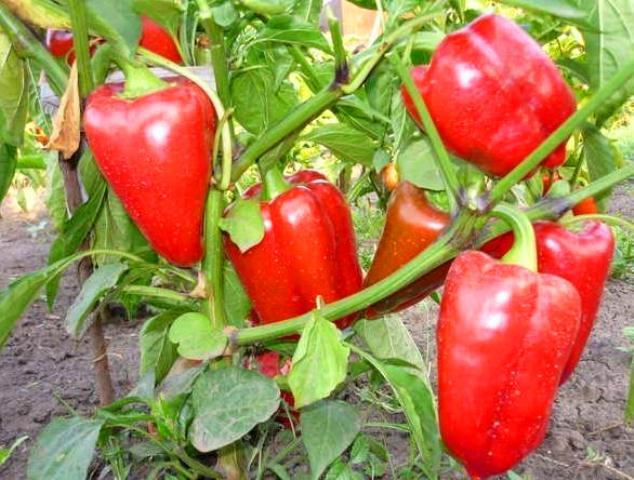
Triton
Cultivating this pepper variety is easy, as it's considered an easy-to-grow variety. The bush reaches 50 centimeters in height, making it a low-growing plant. The yield is good, and the fruit is medium-sized. Triton is an early-ripening variety.
How to grow high-quality seedlings at home
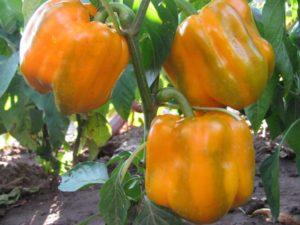
Gardeners grow seedlings in pots on windowsills. This time is considered significant, as the plants develop and gain strength during this period. Modern hybrids developed by breeders, with proper care, can help optimize gardening and ultimately yield a good harvest, by regional standards.

The best time to sow seeds
If you plant a seed in open ground, you won't get a harvest. Therefore, it's important to prepare the seedlings from the start. It's best to plant them in mid-February or early March. The seed can take a long time to germinate, up to several weeks, so be sure to do so quickly.
We prepare the soil mixture in a container for planting.
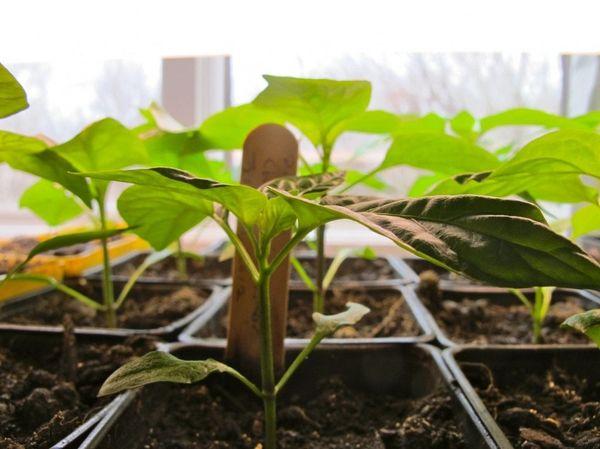
If you're planting seeds in a common container, when they develop 3-4 leaves, transplant the peppers into individual pots or cups. It's a good idea to apply the first fertilizer after transplanting the seedlings from the common container into the cups. You can treat the seeds with a potassium permanganate solution or a phyto-solution.

Stratification and preparation of seed material
To prepare seeds for planting, follow these rules:
- Sort out the planting material and then soak the seeds in warm water or a slightly salty solution.
- The seeds that settle to the bottom can be used to grow the plant.
- Rinse the seeds, soak them for 20 minutes, and then store them in the refrigerator or cellar. This will help increase germination rates.
- Before planting, the seeds are treated with a growth stimulant, which can be purchased at a specialty store.
Conditions for germination
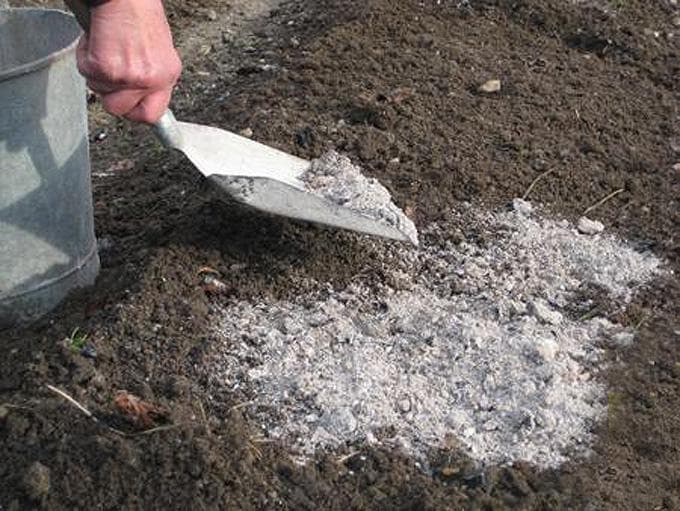
To sprout the seeds, wrap them in a thick cloth (cheesecloth is fine). First, soak them in water with a small amount of wood ash.
Important! Peppers require light for proper growth. Therefore, it's best to germinate the seedlings on a windowsill.
Before planting in a box or cup, do not forget about drainage; use enriched soil.
Transplantation into open soil and appropriate care
Planting in the ground occurs in mid-May (if you're in the southern region or planting in a greenhouse). If you plan to plant directly in the ground, plant later, in mid-June.
The peppers need time to ripen; if planted late, they won't have time to develop, and the harvest will be meager. If planted too early, they're unlikely to survive frost.
Watering peppers
Insufficient moisture can lead to crop failure, while excess moisture can trigger certain fungal diseases. Watering should be moderate, preferably at least three times a week. If there's been no rain for a long time and it's hot outside, water daily.

Loosening
Provides the plant's root system with oxygen; the soil must be loosened before planting and after each watering.
Top dressing
Fertilizers play a significant role; if peppers aren't fed, you won't get a good harvest. What to feed them with:
- the first procedure is carried out after planting the seedlings in cups; it is done using urea and sodium humate;
- the second feeding is carried out 10 days after the first, using urea and potassium monophosphate;
- then you can use fertilizers for seedlings, preferably water-soluble ones;
- You can use diluted cow dung or chicken manure, as well as mineral fertilizers, this will help you grow and harvest a good crop.
Pinching out side shoots and shaping the bush
Most of the varieties described above don't require pruning, as the plants themselves don't require it. If you want to influence the growth and formation of the bushes, or if you think the side shoots are being pinched off too much, remove the lower shoots. Don't overdo it, as this can harm the peppers.
Tip: If you are planting the crop in the ground, consider providing additional support; stakes can serve this purpose.
Preventive treatments
A tobacco infusion will repel mites from sweet peppers, while a dandelion infusion will help rid the plant of aphids. Skim milk will protect peppers from viral diseases. However, timely fertilization of the plants can help avoid such problems. Fertilization also has a preventative effect if done correctly and in a timely manner.

Planting seedlings in a greenhouse
If seedlings are planted in boxes or cups, plant them in soil with a small amount of sand. Fertilize the plants after planting and don't forget to water them. The soil temperature should be at least 15 degrees Celsius, while the air temperature should be at least 20 degrees Celsius. If frost is a concern, consider providing additional cover inside the greenhouse.
Plant care and formation
Since we are talking about a heat-loving crop that requires watering, we recommend that gardeners adhere to the following rules:
- After watering, loosen the soil to ensure air circulation.
- Make sure that the amount of moisture is moderate and not excessive, however, peppers do not tolerate drought well.
- To get a decent harvest, you'll need to fertilize your plants, weed them, and maintain good soil quality. If possible, water your plants with warm water, preferably rainwater.
- Before planting in a greenhouse, remove the side and lower shoots, leaving no more than 7-8 leaves on the bush.
Varieties planted in the ground or greenhouse are characterized by good immunity. Otherwise, they would not be able to survive in the climatic conditions of the Urals and Siberia.
Harvesting and storage
If the climate isn't blessed with sunshine and warmth, harvesting should begin when the peppers reach actual, rather than biological, maturity. The peppers will ripen on a windowsill. This will help increase yields. After all, harvesting the peppers early gives the gardener a chance to develop and ripen other peppers. Most of the varieties described here are easy to transport and store, and they retain their flavor over time.
Ripe fruits are stored in a dark place, preferably in boxes covered with newspaper.Remember that peppers need warmth; they love sunlight and don't tolerate frost well. Therefore, if you live in the Urals, don't rush into planting your plants; make sure the weather won't present any "unpleasant surprises" in the near future, such as frost or sudden temperature changes. This could ruin the seedlings and leave you without a harvest.
Related posts:
 The best eggplant varieties for growing in a polycarbonate greenhouse: planting and care
 35 Best Hot Pepper Varieties with Descriptions and Characteristics
 80 Best Eggplant Varieties for Different Regions with Descriptions and Characteristics
 40 Best Sweet Pepper Varieties with Descriptions and Characteristics
 Is it possible to plant cucumbers and peppers in the same greenhouse? What are the pros and cons of planting them together?
 The best grape varieties for growing in the Urals, planting and care rules in summer
 Planting, growing, and caring for peppers in open ground in the Moscow region: the best varieties
 Descriptions of the 20 best cherry varieties for the Moscow region, their planting and care