
- Pros and cons of early-ripening peppers
- The best varieties for greenhouse and open ground planting: description and characteristics
- Victoria Pepper
- Ivanhoe
- Tenderness
- Blondie F1
- Health
- Kuzya
- Love F1
- Agapovsky
- Fakir
- Marconi
- Money lily
- Red Knight F1
- Nafanya
- Boneta
- Samander
- Pinocchio
- Lotta
- Aristotle F1
- Viking
- Fox
- Hannibal
- An early miracle
- Dolce Italiano
- Bogdan
- Dawn
- Apollo
- Vedrana
Early varieties of sweet pepper These are crops that produce a bountiful harvest in 70-120 days. They are suitable for both temperate and northern climates. Some species are planted outdoors. Many new varieties suitable for northern latitudes have been developed. They are distinguished by their compact bushes. All are frost-tolerant and rarely susceptible to viruses.
Pros and cons of early-ripening peppers
When growing early-ripening peppers, gardeners face a number of difficulties:
- Tree trunks become woody, and leaves, flowers, and ovaries fall off. This is due to insufficient soil moisture and insufficient light.
- Pepper growth and fruit set are stunted. Causes include watering with ice water and low light.
- The possibility of untidy vegetables being produced due to insufficient pollination of plants.
Despite a number of problems, early varieties have many advantages:
- Large fruits.
- Resistance to viruses.
- Abundant harvest.
- Excellent mobility and commercial properties.
The best varieties for greenhouse and open ground planting: description and characteristics
Peppers are a favorite fruit among gardeners not only here but also abroad. Therefore, there are many varieties. Below are some common early pepper varieties.
Victoria Pepper
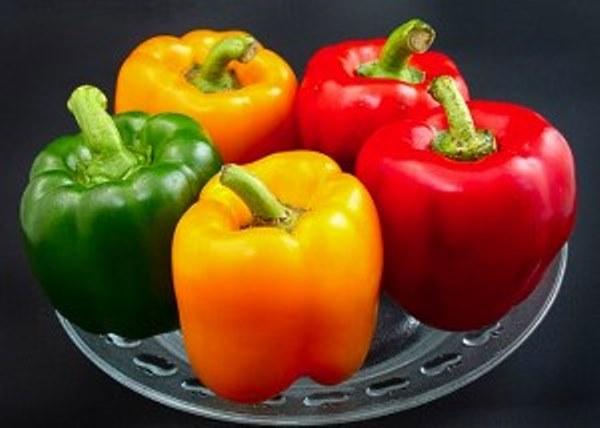
A plant with compact bushes resembling a small tree. The cone-shaped vegetables have sweet, fleshy walls. Length is 11 centimeters, thickness is from 4 to 10 millimeters. Peppers are grown both in greenhouses and in the open ground.
Ivanhoe
The bush is not spreading, with a medium number of leaves. The first harvest appears after 100 days. The vegetables are cone-shaped with smooth skin. The average weight is 130 grams. Peppers are rich in vitamins B and C, which have positive effects on human health.
A distinctive feature of pepper care is fertilizing. This is done in three stages. In the first stage, the peppers are fed two weeks after planting. In the second stage, they are fed when the fruit buds begin to form. The final feeding is done when the vegetables emerge.
Take a look Also

Tenderness
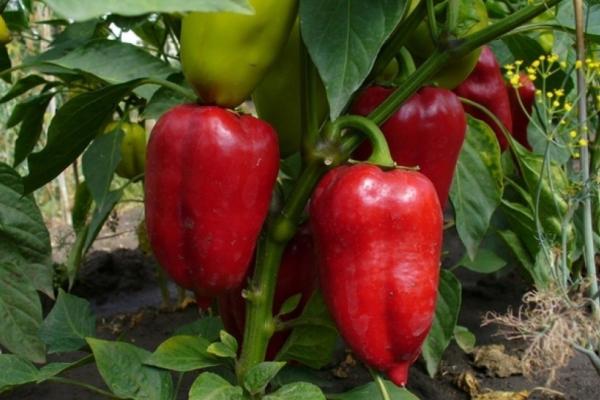
A compact plant with a maximum height of 100 centimeters. The pepper needs to be tied to a support, as it can't support the weight of the peppers during the fruiting season. The bright, vibrant leaves are sparsely spaced.
The peppers are pyramid-shaped with a blunt end and an intense red color.
Average weight is 100 grams. Advantages include early maturity, virus resistance, flavor, and abundant harvests. Additional care includes ample watering and fertilizing.
Blondie F1
This variety ripens in just three months. The light yellow fruits have a cube-shaped shape. It produces a bountiful harvest, is pest-resistant, and tolerates cold well.
Health
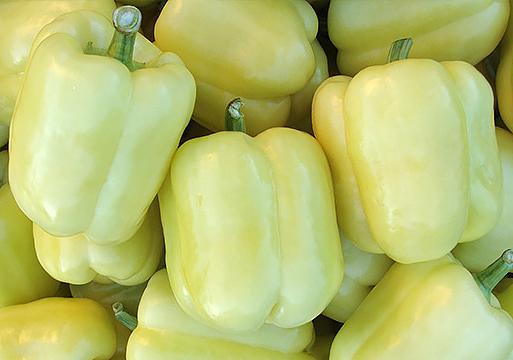
The plant reaches a height of 170 centimeters. Its main drawback is its intolerance to cold, but it thrives in low-light areas. Therefore, it is recommended to plant the pepper in a greenhouse or hothouse.
The first harvest is ready in just 90 days. The vegetables are elongated, up to 11 centimeters long and weighing up to 45 grams.
Kuzya
This is a squat variety, reaching a height of 35 centimeters. The harvest ripens in 90 days. The fruits are prismatic and weigh 80 grams. It is ideal for growing in a greenhouse or on a windowsill.
Love F1
This variety requires little care and adapts well to a variety of climates. Fruits emerge in 85 days. The small bushes reach up to 65 centimeters and have strong, spreading leaves. The conical fruits reach 18 centimeters in length.
Agapovsky
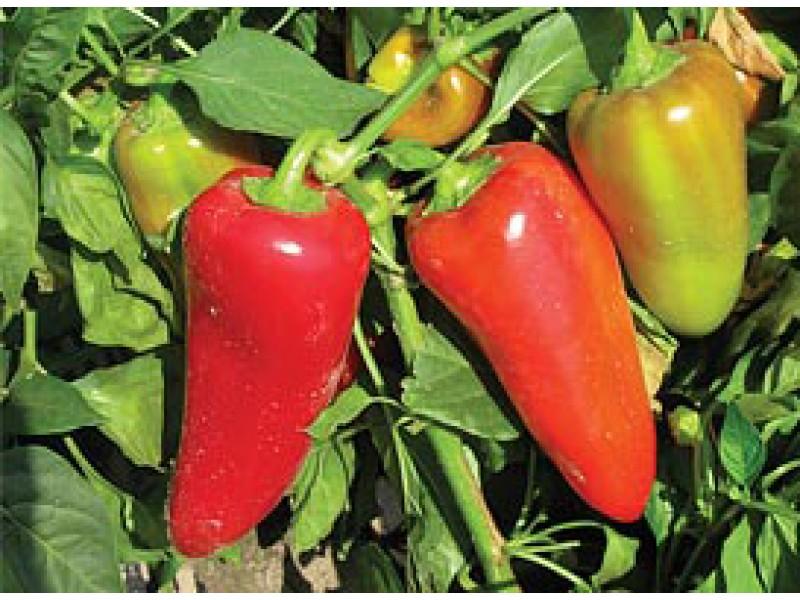
This variety is distinguished by its abundant leaflets and good yield. It is extremely rarely affected by diseases and pests. Its main drawback is its intolerance to shade, which causes the pepper to wilt quickly. Proper watering is essential to resolve this issue. This variety is suitable for both outdoor and greenhouse planting. The peppers are prismatic and reach a length of 12 centimeters.
Fakir
The first fruits appear after 90 days. The bush is semi-spreading, reaching 65 centimeters. The fruits are narrow and cone-shaped, with an average weight of 45 grams. Gardeners value this variety for its good yield and excellent resistance to viruses.
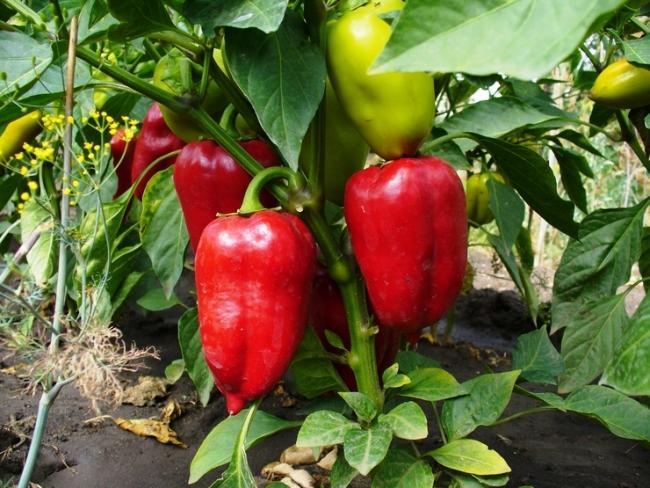
Marconi
The vegetable ripens in 110-115 days. The sweet and juicy fruits have a pointed, elongated shape. They weigh 170 grams. They grow well in open areas. The strong stem grows up to 60 centimeters.
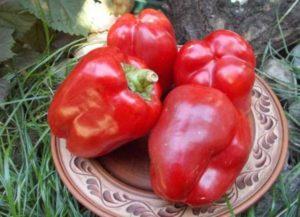
Money lily
This variety is distinguished by its significant yield and is considered an early-ripening variety. The spreading plant grows up to 120 centimeters. The large, cylindrical fruits weigh up to 250 grams.
Red Knight F1
Maturity occurs as early as 65 days. The bush produces numerous large, cube-shaped fruits. The variety adapts well to weather conditions and is pest-resistant. A drawback is its intolerance to low light, causing the plant to stretch and shed fruit.
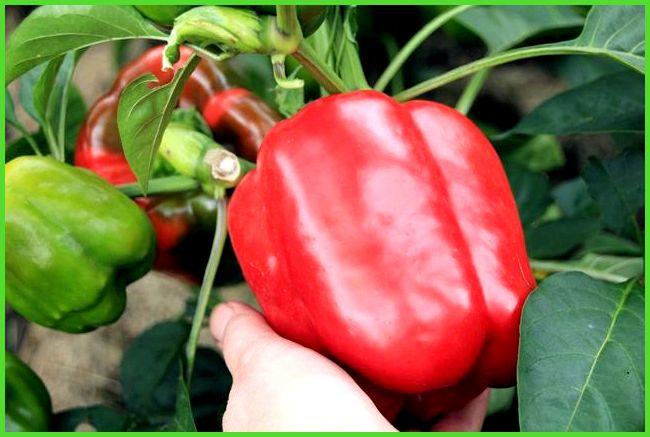
Nafanya
Ripens in 95 days. Small bushes grow up to 120 centimeters. The triangular fruits have a rich burgundy hue. Average weight is 150 grams. Adapts to weather conditions and keeps vegetables fresh for a long time.
Boneta
This variety tolerates drought well and produces its first fruits in 88 days. It grows well in open areas. The bush is compact. The fruits are shaped like prisms, pointing upward.
Samander
This variety is characterized by early maturity and high yields. The bush is small and compact. It adapts to adverse conditions. The leaves have thick skin that protects them from the sun. The pointed fruits have a dark red hue.
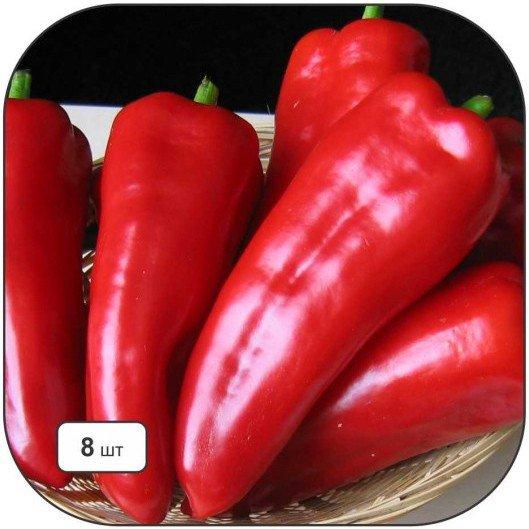
Pinocchio
The ripening period begins at 90 days. The bush is spreading, up to 80 centimeters tall, bearing numerous elongated fruits. It is susceptible to blossom-end rot.
Lotta
This variety allows gardeners to harvest their first crop in just two and a half months. It has good virus resistance but requires additional care, including warmth, light, and watering. The fruits are red and cone-shaped. They average 115 grams in weight and reach a maximum length of 14 centimeters.
Aristotle F1
This variety adapts well to any climate. Its robust stem grows up to 70 centimeters in height. Large, cube-shaped fruits weigh up to 200 grams. The vegetable has a strong immune system, so it's rarely susceptible to disease.
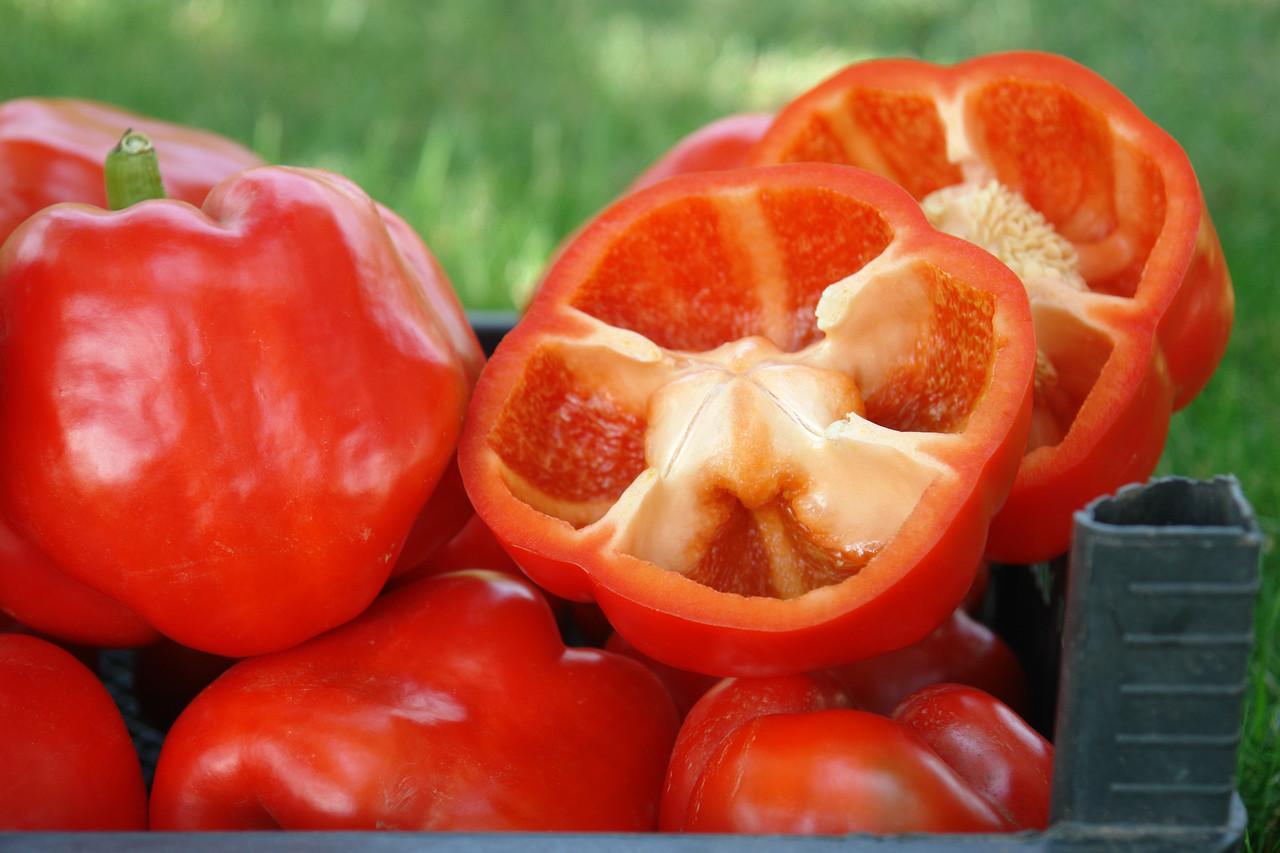
Viking
The harvest begins in 108 days. The plant is small, with approximately four prismatic fruits weighing approximately 200 grams per branch. The pepper is resistant to viruses and pests. It adapts to the climate and is easy to grow.
Fox
The first harvest appears after 105 days. The bush is compact and low-growing, taking up little space. The fruits are small, cone-shaped, weighing only 40 grams. When mature, they are bright orange. Greenhouse cultivation is recommended, as this variety does not tolerate cold well.

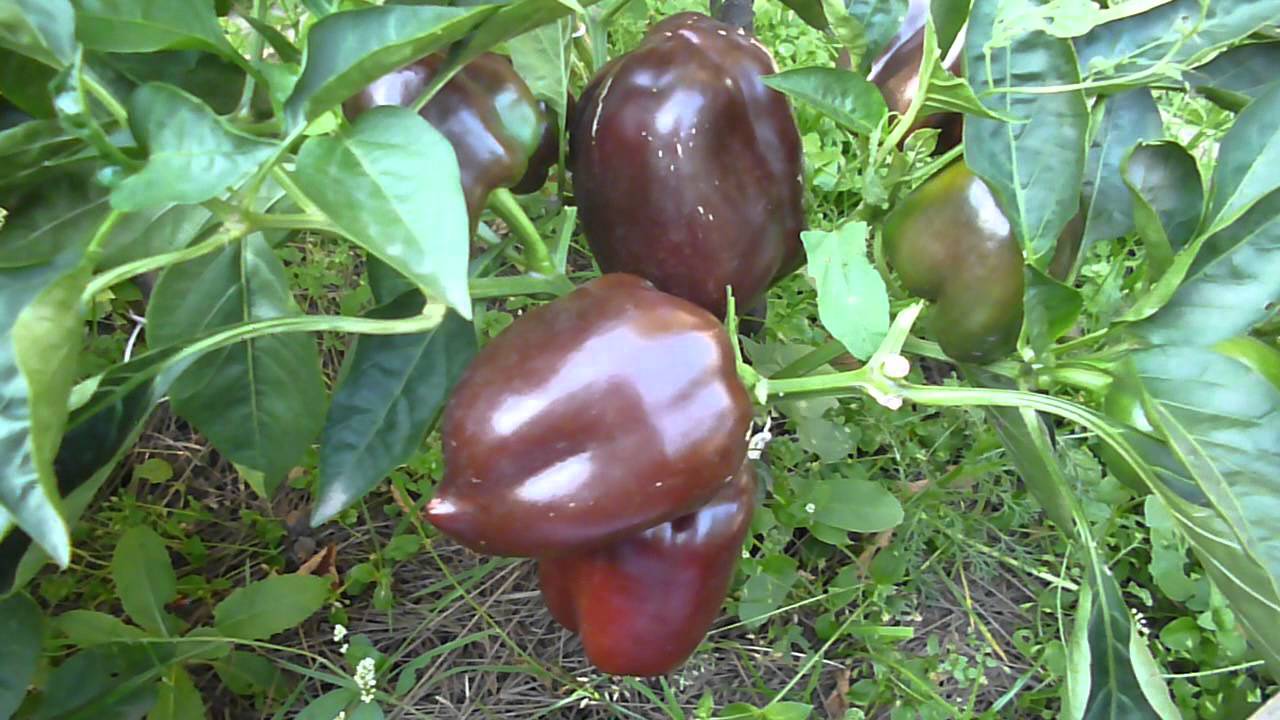
Hannibal
The first harvest is reaped after 88 days. The bush is small. The fruits are prism-shaped, with a purple-brown hue. The average weight is 100-140 grams.
An early miracle
The harvest is ready in 93 days. The vegetables are large and prismatic, reaching 15 centimeters in length and weighing up to 250 grams.
Dolce Italiano
The variety bears its first fruit in 90 days. The bushes are tall, with few offshoots, making care much easier. The fruits are oblong, up to 18 centimeters long, and cone-shaped.
Bogdan
This variety is early maturing. The first fruits appear after 100 days. The bush is low-growing, reaching a height of 55 centimeters. The elongated fruits are yellow-orange in color, reaching a weight of 220 grams. The variety is virtually disease-resistant and tolerates arid climates well.
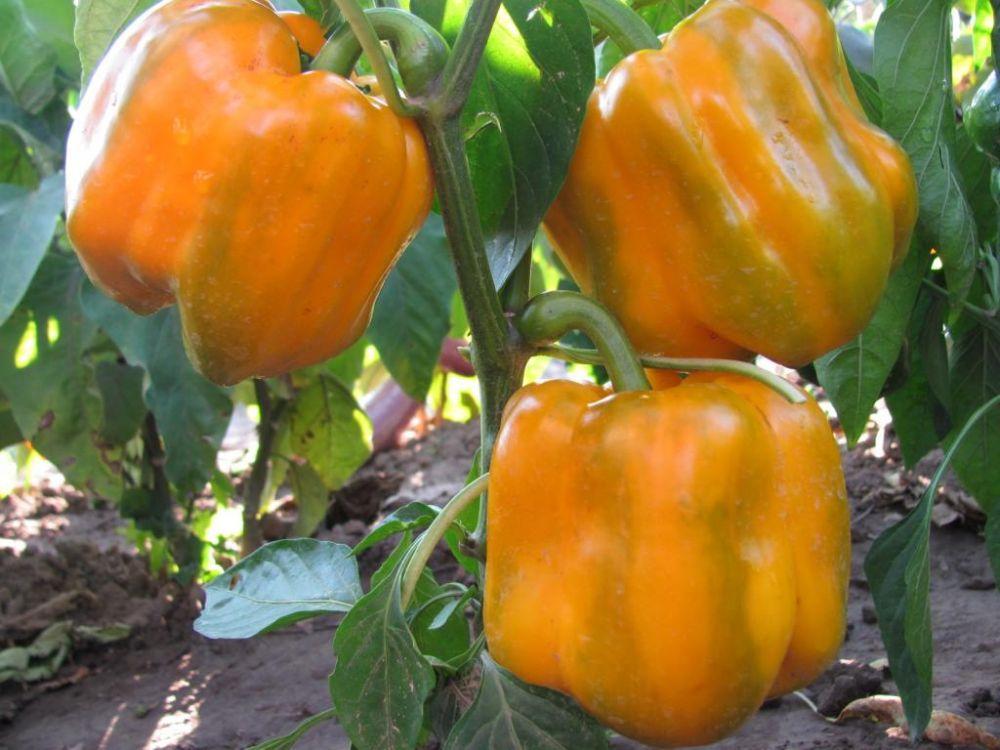
Dawn
The harvest begins in 95 days. The plant grows up to 45 centimeters tall, has few branches, and is resistant to infections and viruses. It thrives outdoors. The orange-red, prismatic fruits weigh 110 grams.
Apollo
Belongs to the early-ripening group, suitable for both open fields and greenhouses. Each bush produces up to 14 red-orange, prism-shaped fruits weighing 170 grams.
Vedrana
This variety is medium-sized. The first fruits appear after 95 days. The red-scarlet fruits are shaped like large prisms and weigh up to 230 grams. Gardeners claim that this variety is rarely susceptible to disease.
Related posts:
 Description of the best pepper varieties for greenhouses and open ground in 2025
 What varieties of tomatoes are best to plant in a polycarbonate greenhouse?
 Which tomato varieties are best for open ground?
 TOP 30 best varieties of sweet peppers for greenhouses with descriptions
 The best grape varieties for growing in the Urals, planting and care rules in summer
 Descriptions of the 20 best cherry varieties for the Moscow region, their planting and care
 80 Best Eggplant Varieties for Different Regions with Descriptions and Characteristics
 Description and properties of the 50 best varieties of asparagus beans, benefits and harms