
- The History of California Miracle Pepper Breeding
- Is it worth planting in the plot: advantages and disadvantages of the variety
- Description and characteristics
- External description of the bush and root system
- Resistance to low temperatures
- Resistance to diseases and pests
- All about flowering and fruiting
- Where are they applied?
- Features of cultivation
- Preparation of seed material
- Technology and timing of sowing
- Plant picking
- Transplanting to beds
- Aftercare
- We organize proper watering
- What kind of fertilizers does pepper like?
- Formation
- Pest and disease control
- How to properly store and harvest
- Gardeners' reviews of the variety
Sweet peppers are an exotic vegetable found in almost every garden. Thanks to their flavor and nutritional value, they have become an indispensable tool for every homemaker when it comes to preserving. Among the many well-known varieties in our country, the California Miracle sweet pepper is especially popular. Why it's so prized and how it's grown is discussed below.
The History of California Miracle Pepper Breeding
The California Miracle variety is considered to have originated in the United States. The first mention of it dates back to 1928, when American breeders published the results of their work, gifting the world with this marvelous plant. Decades have passed since then, and the variety's popularity continues to grow, ranking on par with bell pepper varieties.
In Russia, the California miracle has taken root in:
- northwestern regions;
- in the Central Belt;
It is in these areas that the climate is most favorable for growing peppers, and they produce an excellent harvest.
Is it worth planting in the plot: advantages and disadvantages of the variety
Beginning gardeners often wonder about the wisdom of growing California Wonder peppers. To address these concerns, let's consider its advantages and disadvantages.
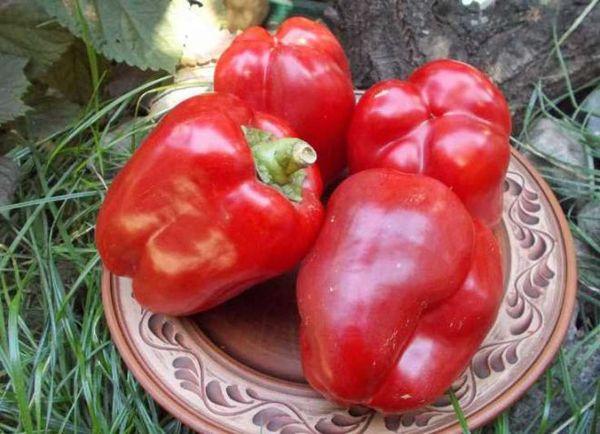
The benefits of pepper include:
- Productivity. Up to 10 kilograms of fruit can be harvested from a square meter of soil.
- Taste qualities.
- Pleasant appearance. Good for growing commercially.
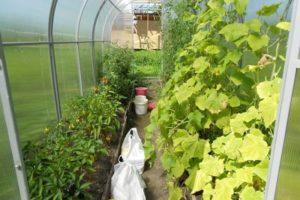
- Can be grown both in open ground and in greenhouses.
Flaws:
- Not resistant to some diseases typical for this crop.
Description and characteristics
The variety's appearance is little different from other sweet pepper hybrids. Its main difference from other competitors lies in its taste—the American hybrid has twice the sugar content of its predecessor.
External description of the bush and root system
It has the following characteristics:
- has a medium size - the size of the bush rarely exceeds 70 centimeters;
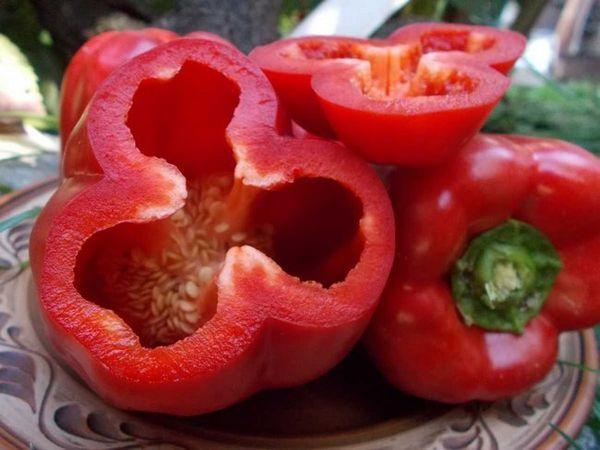
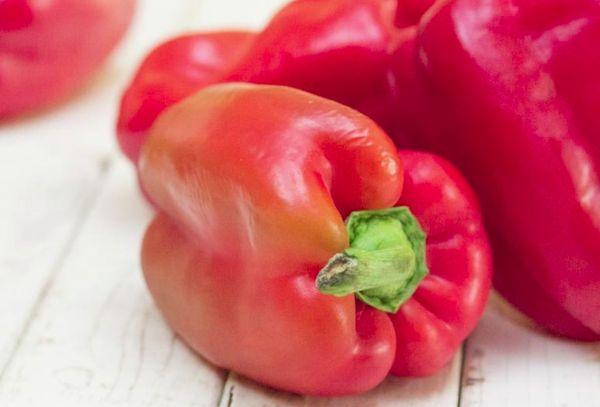
- the formed fruit has the shape of a cube;
- dense skin;
- the pulp is juicy, with a rich taste.
Please note: Red is the most common color of this variety, but black, yellow, and orange fruits are also available.
The root system develops slowly, which is why peppers don't transplant well. When planting in a greenhouse, be careful not to damage the young roots. They will take a long time to recover, and the plant will grow weak and unhealthy. Peppers require a lot of water.
Resistance to low temperatures
Sweet peppers are heat-loving plants, and sudden cold snaps will ruin young seedlings. Don't rush into planting if the weather in your region is unstable. The American hybrid is slightly tougher than its European counterparts, but it's still not worth the risk.
In case of sudden frosts, take care to protect the seedlings by constructing a shelter for them from plastic bottles with the necks cut off.
Resistance to diseases and pests
American hybrids have a strong immune system that can withstand most diseases. However, some have weaker resistance, requiring extra care when growing peppers. At the first sign of infection, the threat must be eliminated, otherwise, there is a high risk of losing the entire crop.
All about flowering and fruiting
Sweet pepper plants develop rapidly, with the first flowers appearing 55-60 days after germination. Over the course of the growing season, a single pepper plant produces between thirty and one hundred flowers, but only one-fifth of these flowers are successfully fertilized.
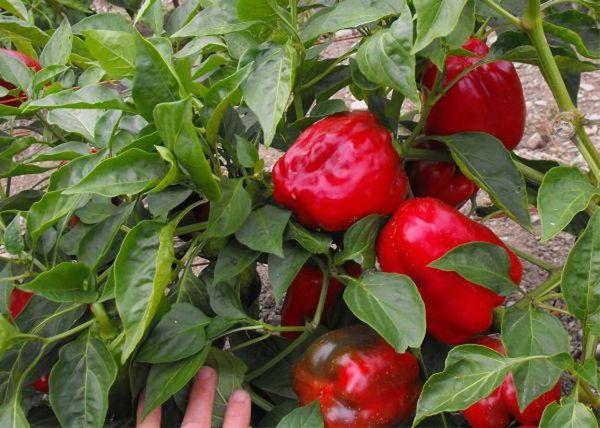
Formed bushes bear fruit at ambient temperatures from 15 O up to 27 OTemperatures outside these limits are considered uncomfortable. This variety produces high yields, and the fruits have a pleasant, memorable flavor. The pepper comes in a wide range of colors. There are hybrids with yellow, red, orange, and even black fruits.
Where are they applied?
Sweet peppers have a wide range of uses. Housewives use them in:
- salads;
- various preparations for the winter;
- dry;
- added to some medicinal products from the arsenal of traditional medicine.
Please note! American hybrid seeds germinate well the following year and are just as good as store-bought ones.
Features of cultivation
California Miracle is an unpretentious variety, but when growing it, you need to know a few nuances that will help you grow a decent harvest.
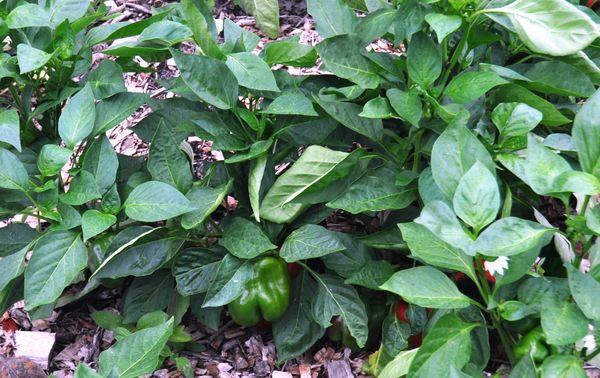
Pepper care includes the following steps:
- seed preparation;
- picking;
- transplanting to beds;
- watering;
- formation;
- application of fertilizers;
- prevention of diseases and pests.
Each stage is important and requires separate attention.
Preparation of seed material
Pepper seeds aren't just about sowing them in the ground and waiting for them to sprout. Before planting, they require some treatment to increase the chances of a bountiful harvest:
- Disinfection. Seeds may harbor bacteria that can later cause disease. Before planting, treat the seeds with a weak solution of potassium permanganate.
- The next step is soaking in warm water. The temperature of the liquid should be 60 OThe seeds are soaked for several hours.
- Next, the prepared seeds are wrapped in wet gauze and kept in this state until the sprouts begin to hatch.


Technology and timing of sowing
Seeds with sprouted sprouts are planted in individual plastic cups filled with soil. Seeds can also be planted in a greenhouse. Experienced gardeners advise that planting seeds in open ground is pointless. Planting time depends on your region and climate.
Plant picking
Pricking out is the process of transplanting young shoots into individual containers once they have grown sufficiently. Sweet peppers react negatively to this procedure, and California Wonder is no exception. Avoid pricking out this plant unless absolutely necessary.
Transplanting to beds
Transplanting into garden beds is a responsible process that requires considerable effort from the gardener. Before transplanting, the soil must be thoroughly prepared. To do this:
- the soil is dug up;
- fertilized;
- disinfected if there is a suspicion of infection.
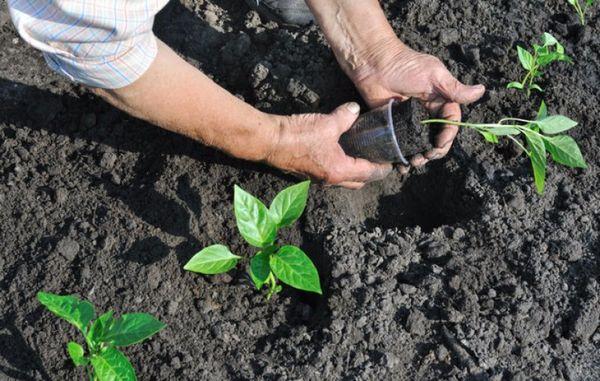
The following are suitable as predecessors grown in beds before peppers:
- cabbage;
- carrot;
- cucumber.
Transplanting seedlings into the ground occurs in the second half of May. If the weather is cool, the timing can be shifted to early June.
Aftercare
Caring for seedlings significantly impacts the harvest a gardener will reap at the end of the season. When caring for them, pay attention to:
- proper irrigation of crops;
- timely application of fertilizers;
- plant formation;
- cure for diseases and parasites.
We organize proper watering
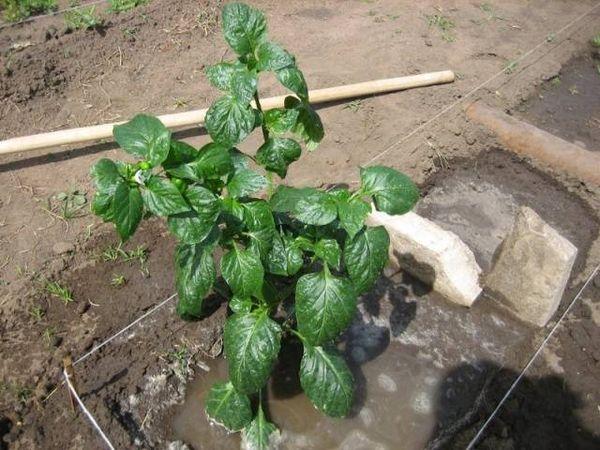
The California Wonder loves abundant watering. Dry soil and lack of moisture will significantly hinder the plant's development. In dry years, ovaries develop poorly and are quickly dropped. Water the plant with warm water that has been allowed to settle and warm up in a barrel for a day. Apply the water carefully, at the roots. However, overwatering is not recommended, as excessive moisture will cause infections and root rot.
What kind of fertilizers does pepper like?
Once the plant has developed two full leaves, apply the first fertilizer. The following is diluted in 10 liters of liquid:
- superphosphate – 10 grams;
- saltpeter – 5 grams;
- potassium – 10 grams.
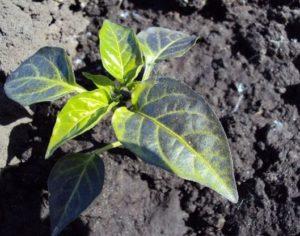
The second feeding is done two weeks after the first. Don't overdo it with fertilizer; apply it sparingly. Otherwise, instead of benefiting, you'll cause harm and ruin the harvest.
Formation
The process of bush formation consists of the following stages:
- pinching the top of a young plant after it has taken root in the garden bed;
- Pinching out side shoots. Leave 5 shoots on top and remove the rest.
Please note! Pinching the top of the plant is not necessary, unlike removing side shoots.
Pest and disease control
Pest control is achieved using specialized products available in stores. Folk remedies also help, but they are less effective. Many people are wary of using chemicals, but there's nothing to worry about if you strictly follow the manufacturer's instructions on the packaging.
How to properly store and harvest
The harvesting process for American hybrids is no different from that for regular peppers and follows the standard procedure. They can be stored in:
- frozen;
- as part of canned food;
- in dried form.
Gardeners' reviews of the variety
Below are reviews from gardeners left after growing this crop.
Olga Nikolaevna. 48 years old. City of Bryansk.
"I've been growing California Wonder for several years now, as all my family and friends love this variety for its unique flavor. It's not a fussy pepper and doesn't require much attention. If you take care of it on time, a bountiful harvest is guaranteed."
Svetlana Semenovna. 54 years old. Moscow region.
"I fell in love with California Wonder after trying a friend's preserves, who grows this magnificent variety in her garden. The name fully lives up to its name – this variety is wonderful. Delicious, productive, easy and enjoyable to grow. Try it once, and you'll fall in love with it for the rest of your life."
Related posts:
 Description of the best varieties of ornamental peppers, growing and caring for them at home
 Planting, growing, and caring for peppers in open ground in the Moscow region: the best varieties
 20 Best Sweet Thick-Walled Pepper Varieties for Outdoor Planting
 Description and characteristics of the miracle cherry hybrid, planting and care of the variety
 TOP 40 New Year's 2020 Meat Recipes Using Pork, Beef, Chicken, and Lamb
 Description of the best pepper varieties for greenhouses and open ground in 2025
 TOP 40 Hot Dish Recipes for New Year 2020: What to Cook
 10 simple Armenian-style pickled hot pepper recipes for the winter