
The large-fruited Red Bull bell pepper may seem like a variety that requires special care to grow. However, this robust plant is completely unpretentious, and large fruits can be obtained without much time or effort.
General characteristics of the plant
The bushes are tall and vigorous. In greenhouse conditions, Red Bull can grow up to 1.5 meters tall; in open ground, the plant will be slightly shorter. The fruit load is quite high: the branches can bear up to 20 fruits of varying degrees of ripeness at a time, so the bushes must be tied to stakes or a trellis.

In central Russia, sweet peppers can even be grown outdoors. The Red Bull variety is an early-ripening variety, with the first harvest occurring 120-130 days after sowing. With seedling cultivation, good results can be achieved even in Siberia and the Altai Mountains. The variety tolerates summer temperature fluctuations well, but is not particularly resilient to prolonged cold spells. During difficult, cool, and rainy seasons, Red Bull may not perform as expected if planted solely in the garden.
Growing peppers in unsuitable climate zones is best done in a greenhouse.
This modern variety is resistant to many nightshade diseases. It is not affected by tobacco mosaic or fusarium wilt, and copes well with downy mildew, even when it is widespread. The variety is only vulnerable to late blight.
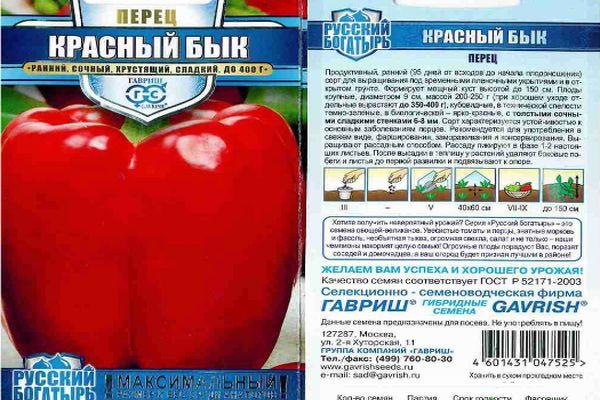
During cold summers with prolonged rains, only fungicide treatment can protect peppers from this fungus. To prevent late blight, it's advisable to thoroughly weed the planting to ensure better ventilation. Weak shoots without buds or fruit should also be removed from the bushes.
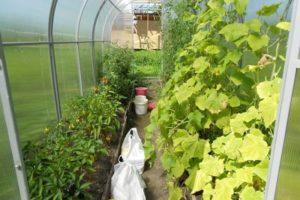
Even in open ground, the Red Bull pepper yield reaches 9 kg per square meter. When grown in a greenhouse, the plant's growing season is slightly extended, and favorable temperature conditions stimulate the plant to produce more flowers. Even without additional effort, a greenhouse can yield up to 15 kg of peppers per square meter. These parameters are also common to other varieties of this large-fruited variety.
Consumer qualities of fruits
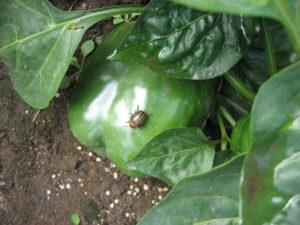
The description of the Red Bull F1 variety is also suitable for similar hybrids with different colors: Orange and Yellow Bull. The main characteristic of the fruit differs only in color at biological maturity, but unripe peppers of all varieties have a light green hue. The peppers are cuboid, slightly elongated. The average berry weighs 200-250 g, but under good growing conditions can reach 400 g. The length of this giant reaches 20-25 cm.
The skin is thick, preventing the peppers from wilting when picked at technical ripeness. The peppers are easy to transport and retain their marketable appearance for a long time (up to a month), gradually ripening in boxes in a cool pantry. To speed up the process, add a few ripe peppers to the container with green ones.
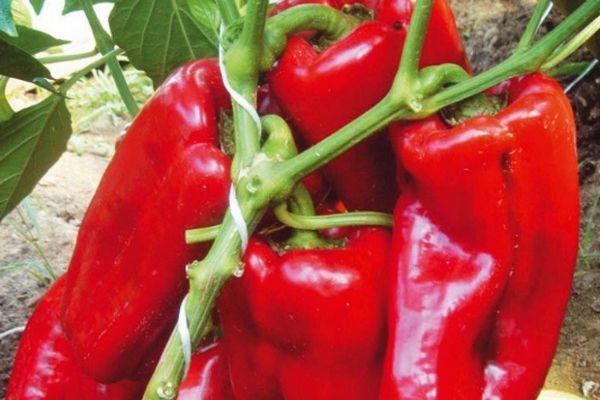
The flesh matches the skin color. The Orange Bull pepper takes on a carrot-like color when biologically ripe, while the Yellow and Red Bull peppers' coloring changes according to their name. Gardeners also note the excellent taste of these multicolored fruits: they have a rich, sweet flavor, virtually no tartness or bitterness, and are not spicy.
The thickness of the fruit walls reaches 0.8 cm. The aroma is characteristic of bell pepper, with a subtle fruity note.
These colorful fruits have a versatile use. The vibrant slices make a stunning garnish, adding them to tomato and cucumber salads and gourmet appetizers. Pepper rings are used to garnish sandwiches and canapés, and are also used to decorate spirits. Giant peppers are not very convenient to stuff, as they are too large. However, if desired, they can be prepared this way.

Most often, bell peppers with their colorful fruits are used chopped for sauces, paprikash, and various national dishes. The peppery flavor complements meat and fish delicacies well, and is suitable for vegetable caviar.
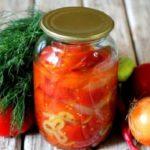
The fleshy peppers are ideal for winter preserves. A lecho with a combination of different colors looks much more elegant than one made with a single-colored red pepper. Salads, appetizers, or vegetable platters will also acquire a unique appearance, although the pepper's color won't affect the taste. Colored peppers can also be added to tomato juice or sauce as a flavorful addition.

Agricultural technology for Red Bull pepper
Multicolored peppers cannot be used for propagation. They are first-generation hybrids, so the parent plant's qualities will not be preserved. Furthermore, very few seeds are produced, as breeding efforts were conducted to develop attractive, fleshy pericarps. Seeds will have to be purchased annually from the store.
The best time to sow is 80-90 days before transplanting outdoors or into a greenhouse. Growing mature pepper seedlings isn't particularly labor-intensive, but allows you to harvest your first crop as early as mid-July. In a greenhouse, the peppers will be fully ripe by this time.
For sowing, prepare a mixture of equal parts garden soil, sand, and humus. Add 1 tablespoon of chalk or dolomite flour per 5 kg of soil. This addition will prevent blossom-end rot and reduce soil acidity. Spread the prepared soil into seed trays and soak them in a hot, dark solution of potassium permanganate. Sow as soon as the soil has cooled.

The seeds should be spread over a damp surface and covered with 0.5 cm of dry sand or soil, previously stored. There's no need to water the soil from above, but to retain moisture, cover the container with plastic wrap or glass. Peppers require not only moisture but also very warm soil for germination. The optimal germination temperature is 25°C. However, even under favorable conditions, Red Bull pepper seeds will take about 7-10 days to germinate. Once sprouts appear, remove the plastic wrap.

When the seedlings have 2-3 true leaves, transplant them into 10x10 cm boxes or individual pots. After this, the primary care for pepper seedlings consists of timely watering. Young plants are very sensitive to lack of moisture and will slow down when the soil dries out even slightly. The need for watering can be determined by the condition of the topsoil: when it dries to a depth of 0.5-1 cm, water the peppers with warm water with a small amount of potassium permanganate added.

By the time of transplanting to their permanent location, some plants may have developed buds or even the first few peppers (1-2) located in the lowest fork of the trunk. It's best to remove these to encourage the plants to actively produce flowers on the remaining branches.
Peppers should be planted according to a 40x70 cm pattern, placing no more than 4 bushes per 1 m². When planting, the plants are planted almost without depth; the root collar of the seedlings can be buried approximately 10 cm into the soil. When loosening the soil after watering, take into account the shallowness of the pepper roots and take care not to damage them.
Related posts:
 TOP 12 recipes for making lecho from bell peppers for the winter. You'll lick your fingers.
 Description of the giant-fruited tomato Zolotoy Bull and the variety's yield
 Planting, growing, and caring for bell peppers in open ground
 Planting, growing, and caring for peppers in open ground in the Moscow region: the best varieties
 How to grow peppers from seeds at home: choosing a variety, planting, and care
 Description of the best pepper varieties for greenhouses and open ground in 2025
 Why are pepper leaves turning white? What to do and how to feed them in a greenhouse and in the ground.
 TOP 20 delicious recipes for preparing bell peppers for the winter
I have been growing this variety for quite a long time, and to activate growth I only use the product “BioGrow"It doesn't harm the soil and actively affects the seedlings. The peppers grow large and juicy.