
- History of breeding of remontant varieties
- Benefits of growing Vima Rina
- Description and characteristics of the Vima Rina strawberry
- Flowering and fruiting
- The taste of berries and their further sale
- Immunity of the variety to diseases
- Resistance to low temperatures and drought
- Landing specifics
- Necessary climatic conditions for the Vima Rina variety
- Predecessors and neighbors of berry crops
- Preparing the site and seedlings
- Disembarkation times and rules
- Proper care of the variety
- Regularity of watering and fertilizing
- Removing weeds and loosening the soil
- Mulching
- Trimming
- Preventive treatments
- Shelter for the winter
- How often should I repot?
- Ways to prolong strawberry fruiting
- Gardeners' reviews
The Vima Rina strawberry variety is renowned for its abundant harvest and high-quality fruit. Gardeners' reviews are positive, and the plant is low-maintenance and thrives in southern and temperate latitudes. To successfully plant this variety, it's important to familiarize yourself with all the necessary agricultural practices.
History of breeding of remontant varieties
The garden strawberry variety Vima Rina was developed by Dutch breeders and belongs to the Vissers group in the Netherlands. The Selva variety was used as a predecessor.
This variety was added to the Russian State Register in 2007. It is recommended for private cultivation throughout Russia and the CIS countries.
Benefits of growing Vima Rina
The Vima Rina strawberry has a number of positive and negative qualities.
| Pros | Cons |
| Large berries | The process of reproduction is difficult due to the small number of antennae |
| Dessert taste | |
| Long fruiting period | |
| High resistance to pathologies, harmful beetles, frost and drought | |
| Possibility of long-distance transportation |
Description and characteristics of the Vima Rina strawberry
The bushes grow vigorously, quickly, and have a moderately spreading habit. They produce numerous leaves, which protect the berries from the intense sun during hot periods. The leaves are medium-sized, light green, and have a convex surface.
The flowers grow to the same level as the leaves, are small, and a traditional white color. Due to the small number of runners, strawberries are propagated by seeds or by dividing the bushes once every 2-3 years. This makes caring for the bushes easier.
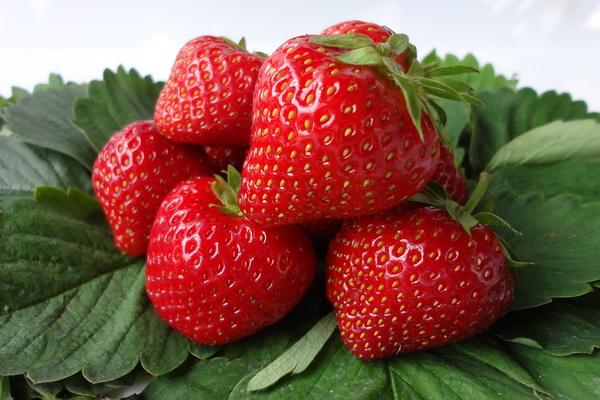
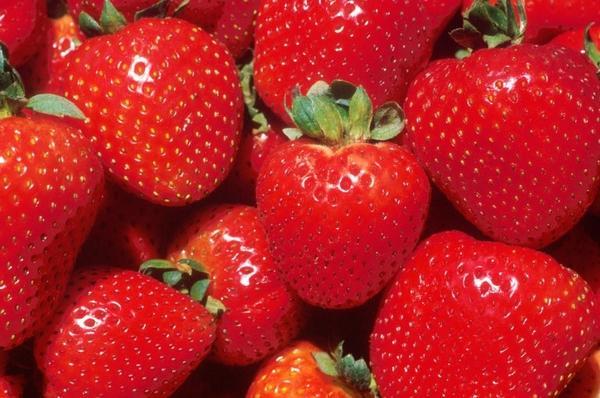
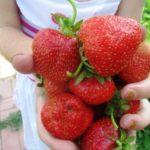
A single plant yields 800-1200 grams of fruit. The berries are slightly elongated, cone-shaped, and bright red with a glossy finish. The seeds are quite small, almost imperceptible. The flesh is red, firm, and not crunchy. These strawberries are large-fruited, weighing 35-45 grams per berry. In the fall, the berries become smaller.

Flowering and fruiting
With proper care, strawberries will bear fruit until the New Year. After that, the bushes require a 2-3 month break. The second harvest begins in late April or early May. When grown under plastic covers, the first berries appear in May, and fruiting ends in November.
In the garden, the bushes produce 2-3 waves of harvest, from June until the first cold weather.
The taste of berries and their further sale
The Vima Rina variety has a sweet, aromatic flavor with hints of cherry. Tasters rated its flavor at 4.8 points. The berries are versatile and can be eaten fresh, dried, or frozen, or used to make preserves, jams, compotes, and mousses. Their dense flesh makes them suitable for long-distance transport.
 It is also grown for sale, since the marketable appearance of the fruits and their excellent taste do not go unappreciated by customers.
Immunity of the variety to diseases
Strawberries have moderate resistance to diseases and harmful bugs. Experienced gardeners recommend preventative treatments against powdery mildew, gray mold, and aphids, according to a schedule.
Resistance to low temperatures and drought
The bushes can withstand temperatures down to -25°C, but it's advisable to cover them for the winter. Prolonged cold spells can cause the berries to wilt. The plant can tolerate short-term drought, but this will reduce the yield.
Landing specifics
It's best to plant the seedlings in a sunny, southwest-facing location, away from drafts. Vima Rina strawberries require no other special growing requirements; planting and care follow the standard guidelines.
Necessary climatic conditions for the Vima Rina variety
Strawberry seedlings should be planted when the air temperature remains consistently above 10 degrees Celsius. There should be no risk of frost. In warmer climates, it's best to plant them in a vegetable garden, while in regions with frosty winters, it's best to plant them in a greenhouse.
Predecessors and neighbors of berry crops
Optimal predecessors of strawberries include legumes, cereals, onions, garlic, carrots, and radishes.
You cannot plant bushes after cabbage, pumpkin, Jerusalem artichoke, or members of the buttercup family.
Preparing the site and seedlings
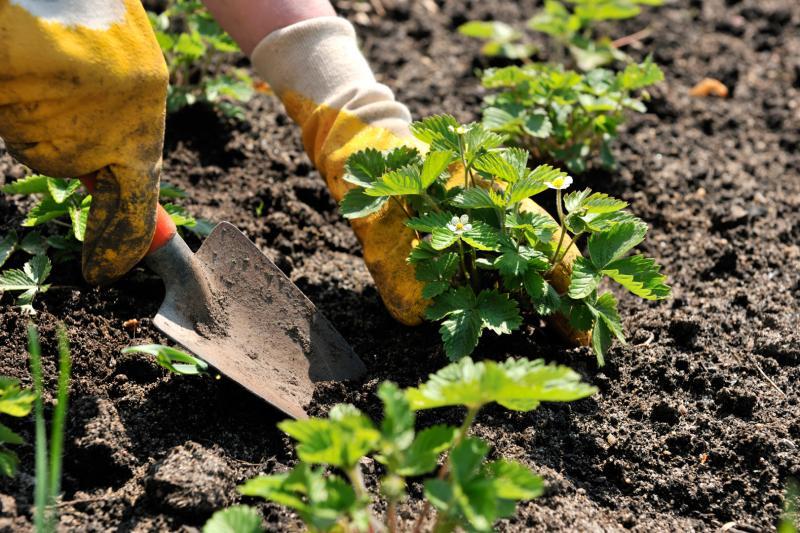
Two weeks before planting, prepare the soil: plow with a spade-width tillage, break up clumps, and remove weeds. Then, add organic or mineral fertilizers to form the beds. It's best to buy seedlings with 3-4 leaves and no signs of damage or disease. The rhizomes should be fibrous and at least 7 cm long.

Disembarkation times and rules
You can plant Vima Rina strawberries in spring or fall, depending on your region's climate. If your area experiences frequent spring frosts, it's best to plant the seedlings in late August or September.
From the beginning of April until the first days of May, seedlings are planted mainly in the South.
Dig a hole 2-3 days before the planned planting date, 45 cm in diameter, with a distance of 40-70 cm between the beds. Add potassium nitrate and superphosphate to each hole, mixing it with the soil to avoid damaging the rhizome.
Proper care of the variety
The Vima Rina strawberry variety is renowned for its high resistance to frost and drought, but to obtain a bountiful harvest, the berry must be properly cared for.
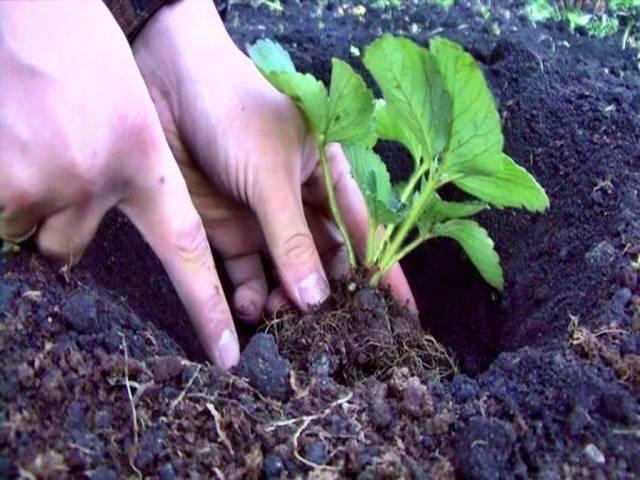 Regular watering, fertilizing, and treatment against pests and beetles are required.
Regularity of watering and fertilizing
The shallow rhizome is unable to draw moisture from deeper soil layers, and the broad leaves evaporate it rapidly. The first watering should be done in late April, provided the weather is warm and dry.
From May to June, the soil under the bushes is moistened 6-7 times. In August and September, watering frequency is reduced to twice a month. 10 liters of water are needed per square meter.
Drip irrigation is recommended, as it helps deliver liquid directly to the roots. Precipitation also affects irrigation frequency, so use it accordingly. Use only warm water, and water the bushes in the morning, before sunrise, or after 5:00 PM.
Mineral and organic compounds should be applied 2-3 times during the growing season.
- After the snow melts, nitrogen is added to the beds.
- When setting ovaries, spray the bushes with a nutrient solution - 10 liters of water, 2 g of manganese, 2 g of zinc.
- After fruiting is complete, strawberries are enriched with phosphorus-potassium compounds.
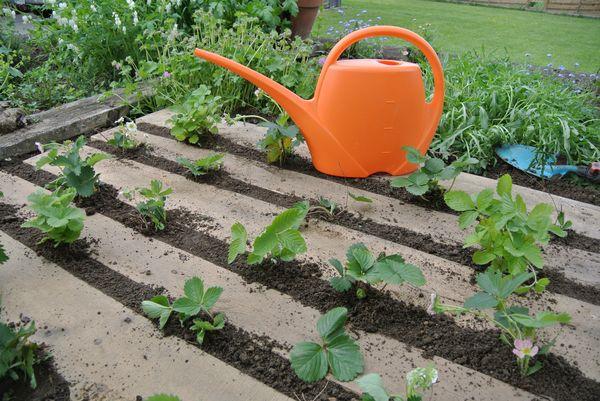
By providing high-quality nutrition, you can achieve an even greater harvest.
Removing weeds and loosening the soil
The soil should be loosened once a week, as it compacts. This is important to improve soil aeration and remove weeds. Weeding should be done the day after watering to help break up any soil crust that has formed.
Mulching
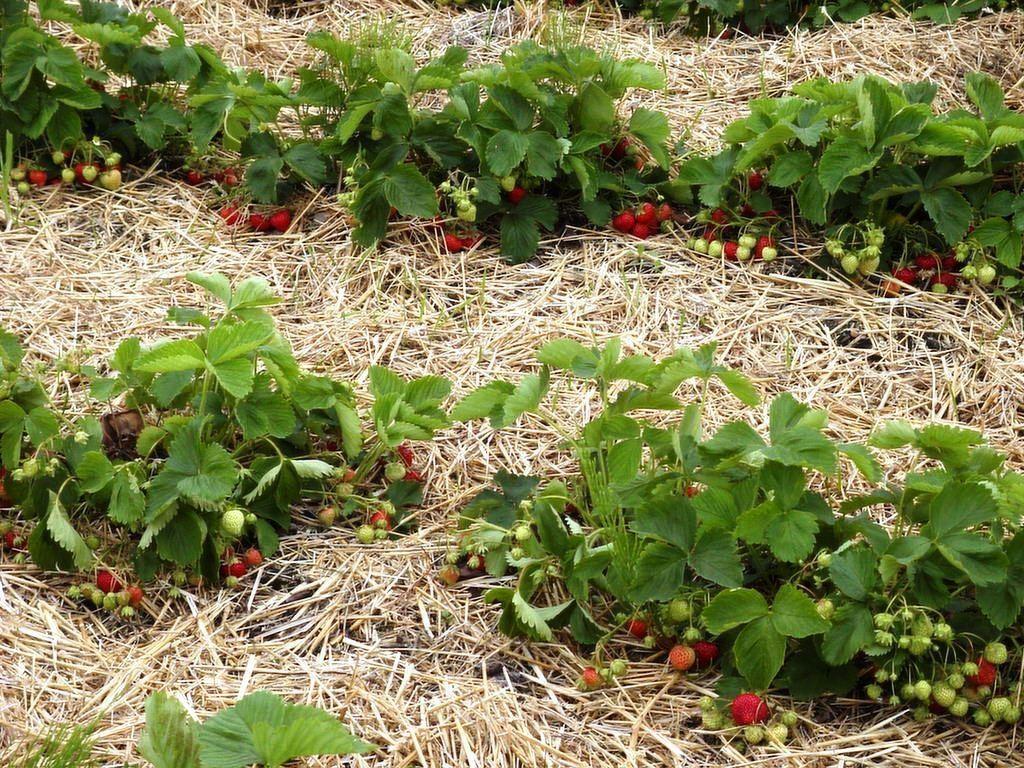
Dried grass or straw is used for mulching garden beds. Mulched soil retains moisture longer, and the soil requires less frequent tilling.
Trimming
Fruiting shoots should be pruned by 1/3 in March and October. Frost-damaged or damaged plants are also removed during this period. This procedure stimulates fruit production and promotes better snow retention.
Preventive treatments
With insufficient care and unfavorable climate, Vima Rina strawberries are susceptible to the following pathologies.
- Gray mold. When the disease develops, the berries become covered in a grayish fluff, and then rot. To combat this disease, use Fuksalin and Thiram.
- White spot. This disease is identified by small spots appearing on leaves, petioles, and flower stalks. As the disease progresses, the spots merge, and the plant dries out. Treatment is with an iodine solution (50 ml per 10 liters of plant material) and by pruning off the infected parts of the plant.
- Mites are tiny insects that suck the juices out of strawberries. This leaves tiny holes in the leaves, causing them to die. Bitoxibacillin shows the best results.
- Snails and slugs. They threaten strawberries of varying stages of ripeness, causing holes in the flesh. To combat these pests, the area is dusted with ash. Beetles are collected by hand and destroyed away from the garden. Mulching with sawdust, straw, or pine needles is used as a preventative measure.
Take a look Also

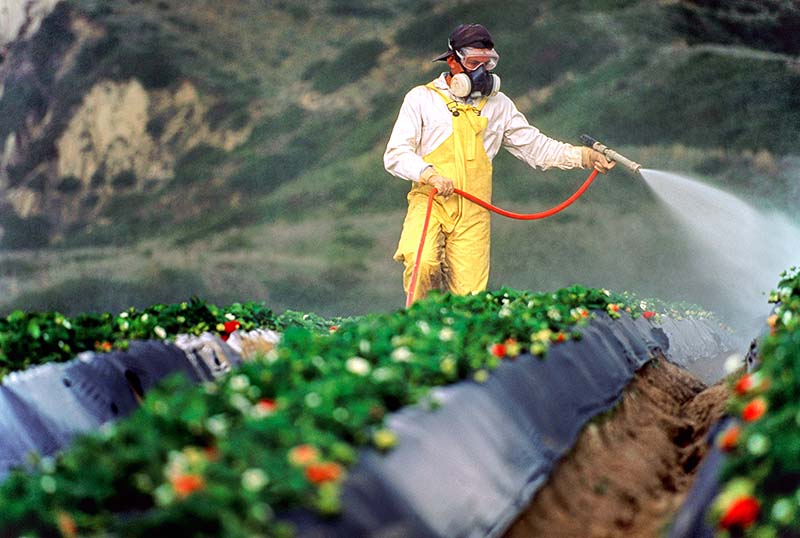 If the plant is severely affected, it is removed from the garden bed and burned away from the garden.
Shelter for the winter
In the South, strawberries don't need to be covered for the winter. Bushes survive the cold well under a layer of snow. Mulch the soil in the beds with spruce branches, after removing all berries and yellowed leaves. Cover the root collar with soil if it has risen above the surface. In regions with cold winters, cover the bushes with non-woven fabric.
How often should I repot?
Strawberries deplete the soil, robbing it of all its nutrients. Bushes should be replanted every 3-4 years. Failure to do so will result in reduced yields and smaller fruit. The bushes may even wither completely.
Ways to prolong strawberry fruiting
Vima Rina strawberries thrive in open soil, but the climate varies. In the south, October is warm and provides sufficient sun to preserve the harvest. In cooler regions, a plastic cover is necessary. This will ensure the plants continue to produce until the first frost.
Gardeners' reviews
Gardeners' reviews of the Vima Rina strawberry are generally positive. They'll help you make your choice.
Lyudmila Ivanova, 65 years old, Obukhov
Hello everyone! I've been growing Vima Rina strawberries in my garden for two years now, and I use the berries for personal consumption. The plant requires virtually no maintenance, other than drip irrigation and fertilizer. I usually use nitrogen and store-bought organic fertilizers.
Oksana Kalyuzhnaya, 54 years old, Nizhny Novgorod
Greetings everyone! Vima Rina strawberries are my favorite variety; I've been growing them at my dacha since 2016. I make jam from them and add them to baked goods. The plant has been attacked by aphids a couple of times, but I used Anti-Zhuk insecticide to kill them.
Bohdan Ermoolenko, 45 years old, Kyiv
Hello! I grow several varieties of strawberries in my garden, but my favorite is the Vima Rina variety. The fruits are incredibly tasty and juicy. I harvest up to 1 kg of fruit from one bush.
Related posts:
 Description of the Vima Tarda strawberry variety, planting and care
 Description and characteristics of the Vima Zanta strawberry variety, planting and care scheme
 Description and characteristics of the Vima Xima strawberry variety, planting and care
 Description and characteristics of the Kimberly strawberry variety, planting and care
 Description of the Florence strawberry variety, planting and care features
 The best varieties and cultivation of everbearing strawberries, fertilizing and propagation
 How to grow strawberries at home
 Description of the Bogota strawberry variety, planting and care features