
- Origin and growing regions
- Main characteristics and description of the Vima Xima strawberry
- Berries and bushes
- Productivity
- Sustainability
- Advantages and disadvantages
- Recommendations for growing garden strawberries
- Planting dates
- Preparation of planting material
- Selecting and preparing a site
- The landing process
- Further care of the plant
- Watering
- Weeding
- Loosening
- Top dressing
- Mulching
- Protecting varieties from diseases and pests
- Methods of cultivating the culture
- Harvesting and storing strawberries Vima Xima
The Vima Xima variety, a non-everbearing large-fruited strawberry, is characterized not only by its tasty, sweet, and impressively sized berries, but also by its high commercial quality and suitability for long-distance transportation. This mid-late-ripening plant is successfully cultivated in all regions where agriculture is developed.
Origin and growing regions
The Vima Xima variety is the result of the work of Dutch scientists, discovered in 1981. While this strawberry has long been a leading variety in Europe, it was introduced to Russia relatively recently—only in 2013. In a short period of time, it has not only become a popular choice in the gardens of Russian gardeners but has also become very popular.
Vima Xima is ideal for cultivation in the Central Region, but with proper agricultural practices and care, it can also be successfully grown in other agricultural regions.
Main characteristics and description of the Vima Xima strawberry
Varietal characteristics allow one to distinguish the Vima Xima strawberry from other similar varieties.
Berries and bushes
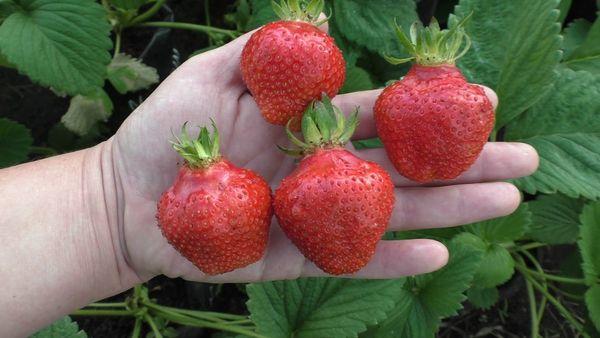
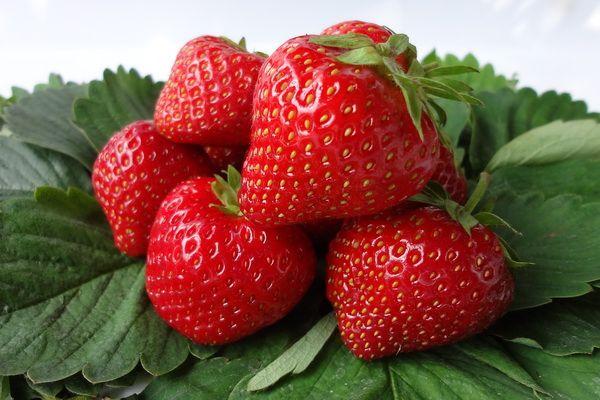
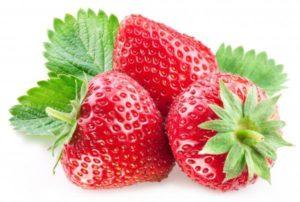
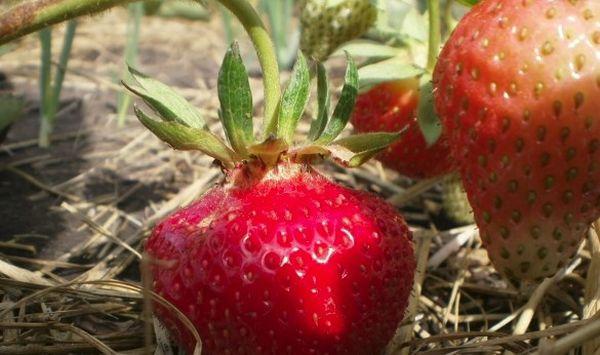
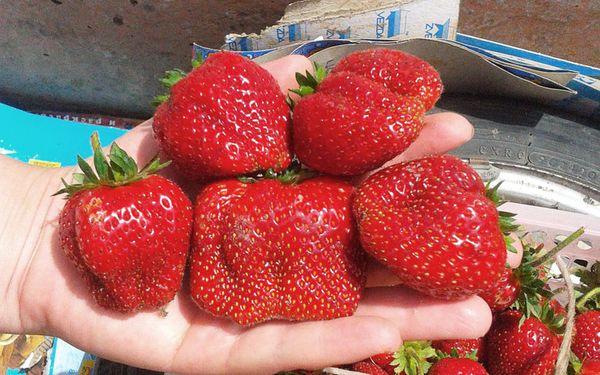
Ksima produces large, sweet, and beautiful berries. Their flavor is reminiscent of both strawberries and wild strawberries. The harvest does not ripen simultaneously; it can be picked over a long period, but only once a year. The average fruit weight is about 50 g. When ripe, the strawberries acquire a deep red color and a strong aroma.

Vima Xima grows upright and quite vigorous. During berry ripening, the bushes tend to droop toward the ground. The runners develop poorly. The foliage is large and dark green. The roots are well developed.
Productivity
The yield of Vima Xima strawberries is up to 1 kg of fruit from each bush in one season.

Sustainability
The variety is resistant to low temperatures and most common diseases.
Advantages and disadvantages
Vima Xima's numerous benefits have made it a popular choice among gardeners. These include:
- high yield rates;
- heat resistance;
- large-fruited;
- excellent taste characteristics;
- unpretentiousness and undemandingness to soil;
- suitable for perennial cultivation;
- resistance to low temperatures;
- ease of harvesting.
However, this variety of strawberry is not without certain disadvantages:
- when there is excess moisture in the soil, voids appear in the berries;
- for long-term storage it is necessary to change the container, otherwise the berries will get crushed;
- prone to powdery mildew if preventive measures are not taken in time.
Recommendations for growing garden strawberries
The Vima Xima strawberry variety is grown using technology similar to other varieties, but it does have some special agricultural features.
Planting dates
Vima Xima strawberries are most often planted in the spring. As soon as the snow melts, young seedlings can be transplanted into the bed and covered with plastic. If plastic is not used, planting should begin only after the soil has warmed.
Fall planting of garden strawberries is also common. This is done in mid-September to allow the seedlings to properly establish before the onset of cold weather.
Preparation of planting material
When choosing planting material for Vima Xima strawberries, you should pay special attention to the following factors:
- the root system should not show signs of rot or mechanical damage and should be well developed;
- a healthy seedling should have at least 3 leaves without obvious damage;
- In high-quality planting material, the core is pink and has a diameter of at least 0.2 cm.
 When planting greenhouse seedlings in open ground, it is necessary to begin opening the greenhouse a few days beforehand to allow the plants to harden off.
To reduce the likelihood of diseases appearing on the site, it is recommended to treat the seedlings with an antiseptic before planting.
Selecting and preparing a site
It's recommended to plant Vima Xima strawberries in an open, unshaded area. Avoid areas with shrubs and trees. The soil should be neutral and rich in nutrients. Ideally, the strawberry bed should be sown with oats a year before planting. This will enrich the soil with essential nutrients.
Immediately before the landing of Vima Xima, the following preparatory work is carried out:
- removal of grass and weed roots;
- loosening the soil;
- application of necessary fertilizers (humus and superphosphate).
You can start planting only after the soil has settled.
The landing process
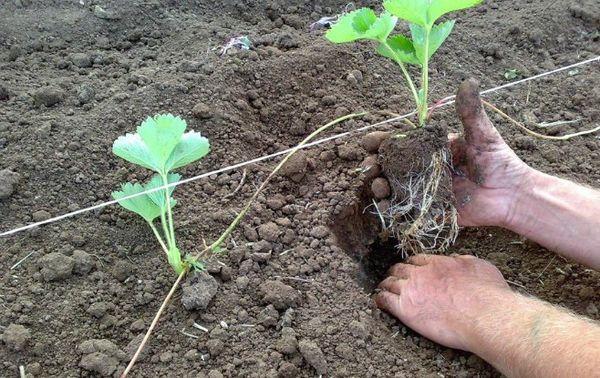
The process of planting strawberries of the Vima Xima variety is as follows:
- loosen the prepared bed a little;
- dig small planting holes 10 cm deep;
- the distance between planting holes is maintained at 0.2-0.3 m;
- place the seedling in the hole and carefully straighten its roots, then cover it with soil;
- Water the seedlings generously.
It is recommended to maintain a distance of about 0.4 m between rows.
Further care of the plant
The Vima Xima strawberry is considered an easy-to-grow plant, requiring little attention or care. However, proper care can increase yields and improve the marketability and flavor of the fruit.
Watering
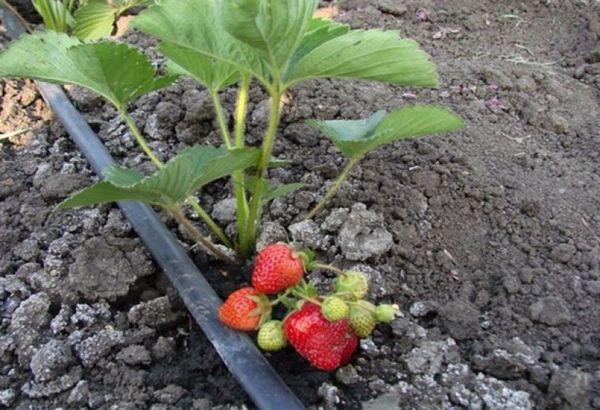
This strawberry variety prefers moderately moist soil. Insufficient moisture not only increases the incidence of disease but also reduces yield. Watering is recommended every three days.
If the soil retains moisture well, watering should be done less frequently to prevent root rot and deterioration of fruit quality. In hot weather, experienced gardeners recommend drip irrigation.
Weeding
Weeding of Vima Xima strawberries is done only when necessary, as their root system is located very close to the soil surface. Weeds are removed primarily by hand.
Loosening
It is recommended to loosen the soil before each watering of Vima Xima strawberries. This procedure helps oxygenate the soil, which is beneficial for plant development.
Top dressing
Strawberries thrive in nutrient-rich soil, so fertilizing is a key part of their care. Before flowering, apply potassium fertilizer. As soon as buds begin to form, water the plants with a urea solution, prepared at a ratio of 1 cup per 10 liters of water.
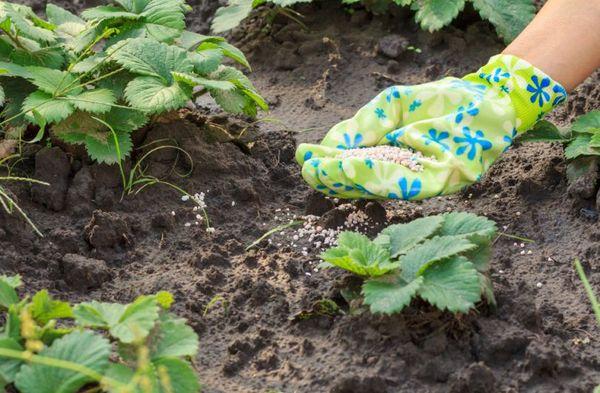
After the strawberries have finished blooming, they are fed with a solution of chicken manure. After the final harvest, the beds are topped with compost and mineral fertilizers. This work must be done with extreme caution, avoiding contact with the leaves and blossoms.
Mulching
Mulching not only helps prevent excess moisture evaporation but also protects Vima Xima strawberries from weeds. The first layer of mulch is applied immediately after the seedlings are planted in the bed. A mixture of humus and wood chips in equal proportions is used for this purpose. The mulch layer is replaced after a month.
Protecting varieties from diseases and pests
The Vima Xima strawberry variety is highly resistant to common diseases. The following diseases can occur due to improper cultivation practices or basic care:
- powdery mildew;
- white rot.
To prevent their appearance, it is recommended to treat the plantings with Bordeaux mixture and the drug "Derozal".
The following pests plague strawberries:
- strawberry nematode;
- strawberry mite;
- slugs.
An effective way to prevent their appearance is to mow the leaves immediately after fruiting has finished.
Methods of cultivating the culture
The Vima Xima strawberry variety is propagated by three methods:
- dividing the bush;
- mustache;
- seeds.
The most effective method is rooting runners. It allows for quick seedling production without harming the mother plant.
Harvesting and storing strawberries Vima Xima
Vima Xima strawberries do not ripen simultaneously, so gardeners can harvest up to 8 times during the season. The fruits are placed in wooden boxes and immediately stored in a cool place. There, the harvest will last up to 5 days. If the berries need to be transported long distances, it's best to harvest them a couple of days before they're fully ripe.
Related posts:
 Description of the Vima Tarda strawberry variety, planting and care
 Description and characteristics of the Vima Zanta strawberry variety, planting and care scheme
 Description of the Vima Rina strawberry variety, planting and care features
 Description and characteristics of the Kimberly strawberry variety, planting and care
 The best varieties and cultivation of everbearing strawberries, fertilizing and propagation
 How to grow strawberries at home
 Description of the Florence strawberry variety, planting and care features
 Description of the Fireworks strawberry variety, planting and care