
- Breeding and cultivation regions of the Vima Tarda strawberry
- Pros and cons of the variety
- Distinctive features and characteristics
- Size and appearance of the bush
- Flowering and fruiting
- Taste qualities and scope of application of berries
- Susceptibility to diseases and pests
- Frost and drought resistance
- Landing rules
- Deadlines
- Selecting a site and preparing beds for strawberries
- Preparing seedlings
- Stages of the planting process
- Further care
- Watering mode
- Top dressing
- Weeding and loosening
- Mulching strawberries
- Treatment against diseases and pests
- Shelter during the winter period
- Methods of propagation of culture
- By dividing the socket
- Dividing by whiskers
- Seeds
- Reviews from gardeners and summer residents
Strawberries are one of the first summer berries. They are loved for their sweet taste, delicate aroma, and health benefits. By planting varieties with varying ripening times, gardeners can enjoy berries almost all summer long. The strawberry variety Vima Tarda bears fruit late, with harvesting stretching out for almost a month. Below is information on growing this variety in your garden, its pros and cons, and propagation methods.
Breeding and cultivation regions of the Vima Tarda strawberry
The Tarda strawberry was bred by Dutch specialists. They crossed Zanta and Vikoda, resulting in an improved garden strawberry variety. Vima is a brand name that, in addition to Tarda, includes Zanta, Xima, and Rina.
The variety was added to the Russian State Register in 2025. The crop adapts well to climate fluctuations, so in addition to southern regions, it can be grown in central Russia. Vima Tarda strawberries can also be grown in Belarus, Moldova, and Ukraine.
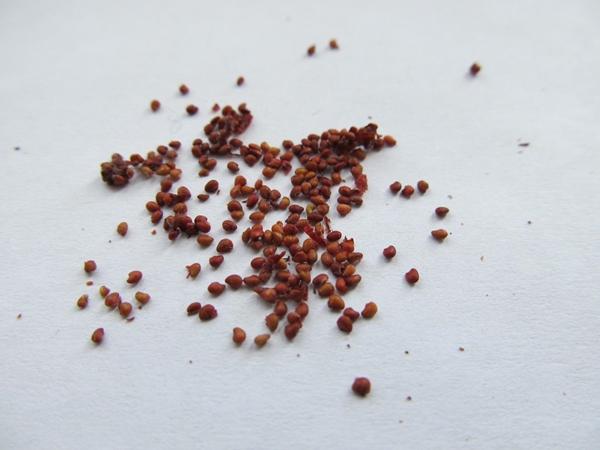
Additional information: Each strawberry contains up to 200 seeds, which can grow into the same number of new plants when propagated.
Pros and cons of the variety
Positive qualities of Tarda strawberries:
- good immunity of bushes;
- high yield;
- excellent taste of berries;
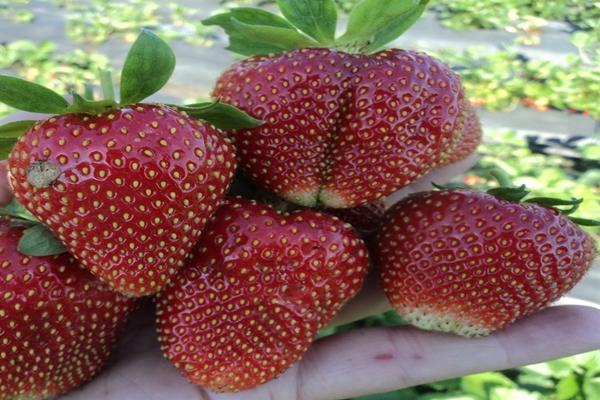
- large-fruited;
- high transportability.
The negative qualities include the impossibility of growing strawberries in northern regions due to intolerance to low temperatures.
Distinctive features and characteristics
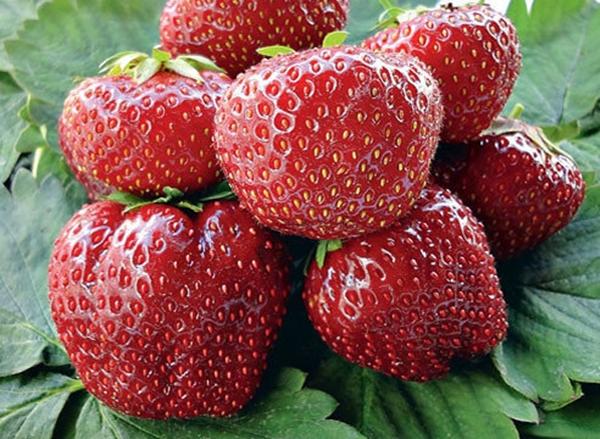
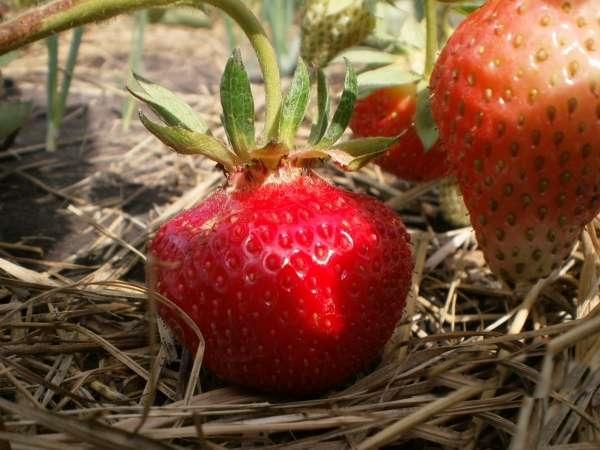
Vima Tarda fruits are large, weighing up to 40-45 grams. The strawberry is firm, making it easy to transport.
The taste is excellent, which is why strawberries are used as a dessert during the season.
Size and appearance of the bush
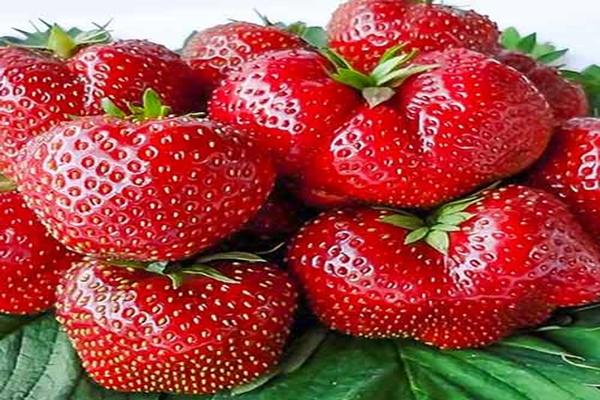
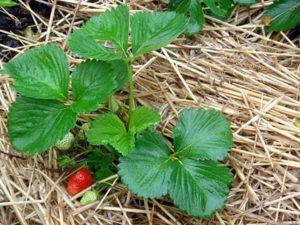
The strawberry bushes are vigorous and slightly spreading. The dark green leaf blades are large, wrinkled, and pubescent. The flower stalks are numerous and located below the leaf level. The color of ripe berries ranges from orange to dark red. The runners are strong, but their growth is sparse.
Flowering and fruiting
Vima Tarda strawberries bloom in May and begin bearing fruit in July. Fruiting is prolonged, with growers harvesting 6-8 berries. A single bush can produce 0.5-0.9 kilograms of ripe fruit. Yield depends on climate conditions and agricultural practices.
Taste qualities and scope of application of berries
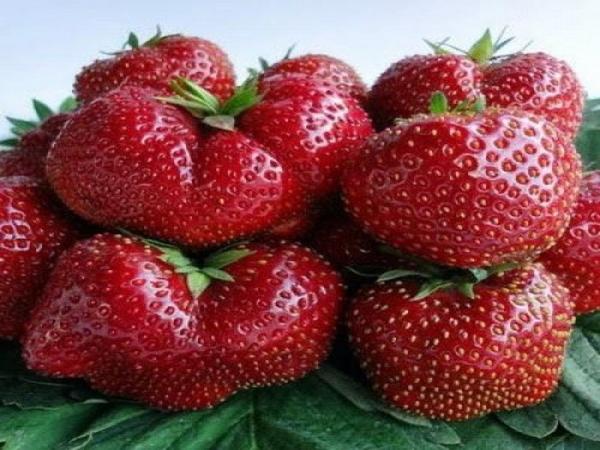
Tasters remark on the fruit's excellent flavor. The sweet, strawberry-flavored berries are primarily eaten fresh. They are also frozen, dried, and used to make preserves, jams, compotes, and juices.
Susceptibility to diseases and pests
Vima Tarda is rarely susceptible to diseases and pests. Pathogenic microorganisms can appear when the bushes are overwatered due to heavy rainfall or due to care errors on the part of the gardener. In winter, it's important to remove plant debris, which can harbor pest larvae and pathogens.
Frost and drought resistance
Vima Tarda strawberries have average frost resistance. In colder regions, they will need to be covered for the winter or grown indoors. They will not tolerate prolonged drought well: the leaves will begin to yellow and dry out, and the berries will become small and dry out.
Landing rules
When choosing planting material, ensure the root system is light brown and the above-ground portion has 3-6 leaves. These leaves should be firm and free of dents, damage, or spots.
Deadlines
Strawberries are planted in spring or fall. When planting, gardeners take into account the region's climate. In spring, the soil should warm to 10°C (50°F), then the bushes will quickly and easily establish themselves.
When planting plants in the fall, you should try to complete the procedure by the end of September so that they can take root well before the onset of frost.
Selecting a site and preparing beds for strawberries
Choose a sunny location for planting strawberries, away from northern winds. Shaded areas produce lower-quality berries. Clear the area of debris, dig it up, and fertilize with compost and superphosphate.
Preparing seedlings
When purchasing seedlings at the market, gardeners don't know the conditions in which they were stored. Therefore, it's advisable to harden them off first by placing them outdoors during the day. Before planting, the strawberry root system is dipped in a bowl of water for several hours.

Stages of the planting process
Planting strawberries in a plot is carried out as follows:
- at a distance of 30-35 centimeters, holes 10 centimeters deep are dug;
- the roots of the seedling are straightened, planted in the middle of the hole, and covered with substrate;
- The soil around the bushes is compacted and watered.
The beds are mulched with sawdust or humus.
Further care
To grow a high-quality harvest, strawberry beds require careful maintenance: watering, fertilizing, weeding, and loosening the soil. To prevent pests and diseases, the bushes are sprayed with appropriate chemicals. In colder regions, garden strawberries require shelter.
Watering mode
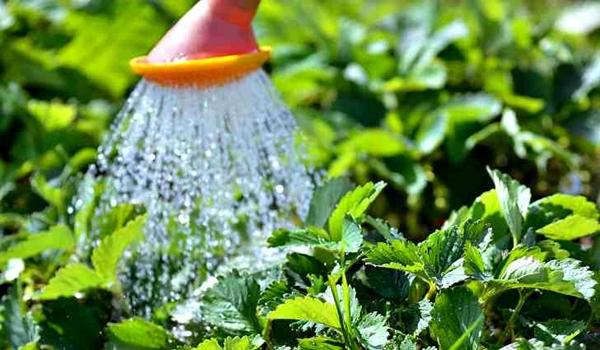
Strawberries have a shallow root system, so they require frequent watering. However, if the roots are constantly wet, they can become infected with pathogens and begin to rot. In dry, hot weather, water the plant once every three days. Garden strawberries do not respond well to overhead irrigation, so drip irrigation is the best option.
Top dressing
Strawberries are fertilized several times during the season. In the spring, nitrogen-containing fertilizers, such as urea, are applied. After flowering, the beds are watered with a solution of chicken manure. Potassium is added during berry formation, and a complex mineral fertilizer is applied after fruiting.
Weeding and loosening
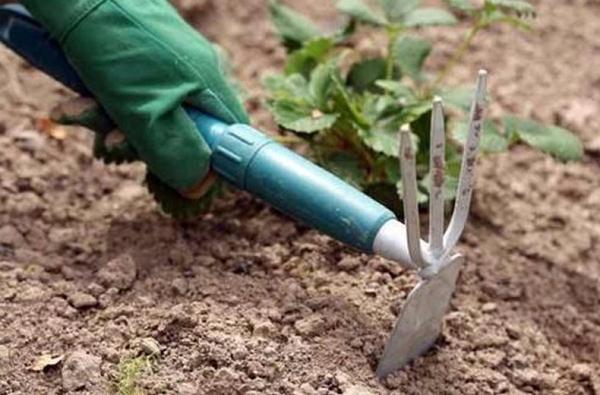
Weeds grow quickly, so the beds need to be weeded. This is best done by hand, as the strawberry plant's root system is shallow and can be damaged by tools. After watering, the soil should be loosened to allow air to reach the root system.
Mulching strawberries
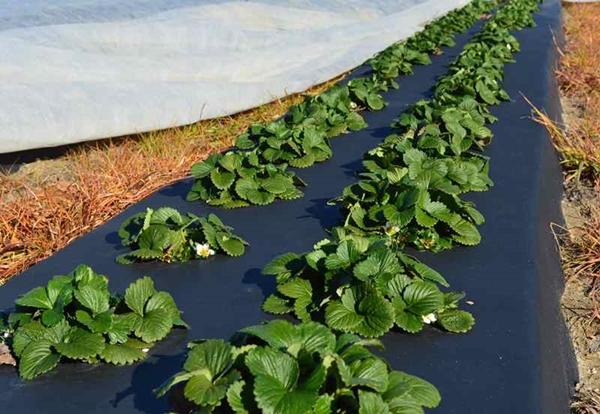
Strawberry beds are mulched for several reasons. Covering them helps retain moisture better and prevents a crust from forming that would impede air flow. Furthermore, by not touching the ground, the berries stay clean. Sawdust, straw, and pine needles are all used as mulch.
Treatment against diseases and pests
Vima Tarda strawberries have good immunity, but if improperly cared for or exposed to adverse weather conditions, they can be susceptible to certain diseases and pests. To protect them, spray the strawberry bushes with insecticides and fungicides.
 Important! Chemicals are prohibited from being used during flowering periods.
Shelter during the winter period
In the fall, before frost sets in, water the beds to recharge them, then cover them with straw and spruce branches. After stretching the hoops, you can cover the strawberries with agrofibre. The cover is removed in the spring, as soon as the first rays of sun warm the beds.
Methods of propagation of culture
There are several methods for propagating strawberries in your garden: using runners, dividing the bush, or using seeds. Some methods are more popular than others.

By dividing the socket
Each year, the strawberry bush grows larger and larger. As a result, the quantity and quality of the harvest decreases. Three years after planting, the strawberries are dug up and divided into several bushes, each of which should contain a rosette and developed roots.
Dividing by whiskers
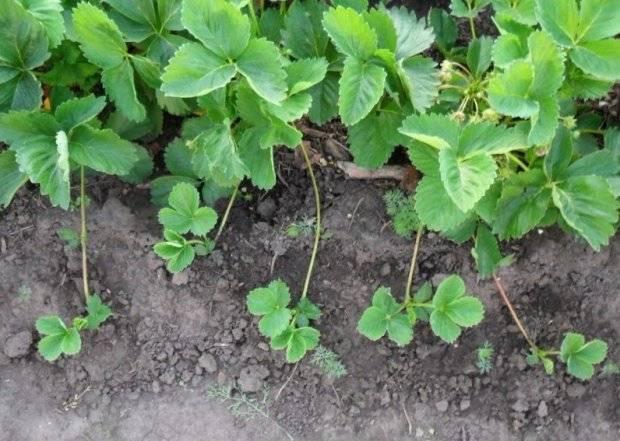
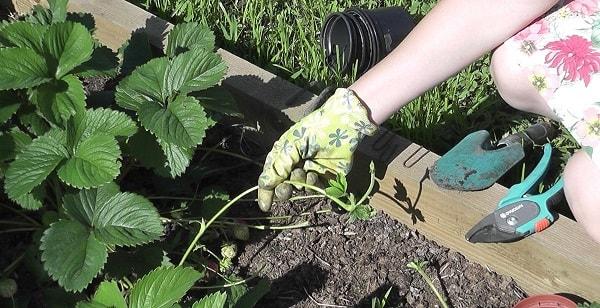
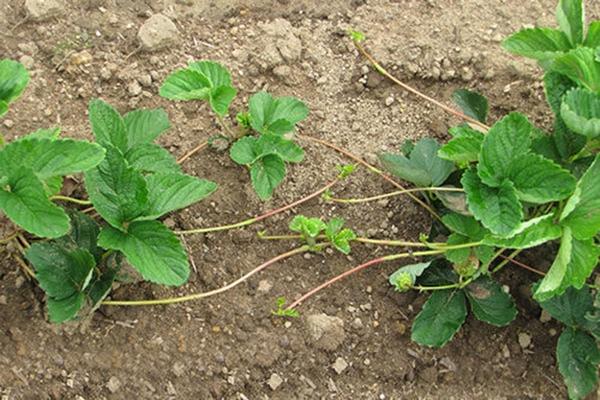
In summer, Vima Tarda grows runners. These can be dug in and then cared for like a mature strawberry plant: water, weed, loosen the soil, and mulch. Once the young plants have rooted and grown, they are dug up and planted in a prepared bed.
Seeds
To propagate strawberries by seeds, follow these steps:
- select ripe berries, crush them to a pulp, dry them, and rinse with water;
- dried seeds are planted in containers with loose soil, watered, and covered with plastic film;
- then the seedlings are planted in separate pots and hardened off;
- The grown seedlings with 4-6 leaves are planted in the garden bed.
The seed method is labor-intensive, so gardeners rarely use it.
Reviews from gardeners and summer residents
According to farmers who grow Vima Tarda strawberries, they are easy to grow and require no more care than other varieties. The berries are large and sweet, and are eaten fresh, frozen, and used in compotes and preserves.
Olga Sergeevna, Bryansk region.
"I bought Vima Tarda and Vima Rina for planting in my garden. I loved both varieties: the berries are delicious, sweet, and aromatic. We ate the strawberries fresh and made preserves for the winter."
Natalia, Kaluga region.
"The Vima Tarda strawberry plants are large and in demand at the market. They don't require any special care, but I do provide cover for the winter: I put up low supports and cover them with plastic. I mulch the beds with straw before covering them."
Related posts:
 Description and characteristics of the Vima Zanta strawberry variety, planting and care scheme
 Description and characteristics of the Vima Xima strawberry variety, planting and care
 Description of the Vima Rina strawberry variety, planting and care features
 Description and characteristics of the Kimberly strawberry variety, planting and care
 Description of the everbearing strawberry variety Mara de Bois and growing rules
 Description of the Florence strawberry variety, planting and care features
 Step-by-step instructions for planting strawberries on black covering material and growing rules
 Description of the Kama strawberry variety, planting and care features