
- Strawberry zoning requirements
- The best varieties for Siberia
- Remontant
- Temptation
- Tanyusha
- Garland
- Lord
- Frost-resistant for open ground
- Torpedo
- Kama
- Amulet
- Marshmallow
- Large-fruited varieties
- Ruby pendant
- Tristar
- Marishka
- Strawberry without runners
- Junia Smaids
- Baby elephant
- Darenka
- The sweetest varieties
- Features of crop cultivation
- Choosing a site for strawberries
- Preparing and planting seedlings
- Rules of care and agricultural technology
- Irrigation
- Fertilization
- Pruning and propagation
- Diseases and pests
- Preparing the plant for winter
Growing strawberries in Siberia is possible both in open ground and in greenhouses. To ensure that the plants thrive in the northern climate zone, it's important to choose regionalized varieties. These varieties were developed specifically for these regions. They are highly frost-resistant and produce high yields.
Strawberry zoning requirements
To ensure strawberries grow and yield a bountiful harvest, you need to carefully select varieties. For Siberia and Altai, they need to be chosen according to certain criteria:
- winter hardiness;
- resistance to sudden temperature changes;
- early ripening period;
- high yield;
- adaptability to limited lighting.
These qualities are found in regionalized and everbearing varieties, making them the ones to choose for growing in your own garden.
Important! If a gardener isn't sure which variety to choose, it's worth asking a store consultant for help; they'll be able to help make the right choice.
The best varieties for Siberia
Breeders have worked hard to develop a number of strawberry varieties best suited to colder regions. They thrive in these conditions and produce bountiful harvests.
Remontant
These strawberry varieties are characterized by good yields thanks to the fruit ripening in several stages. The berries are large, over 100 g, and have a pleasant flavor.
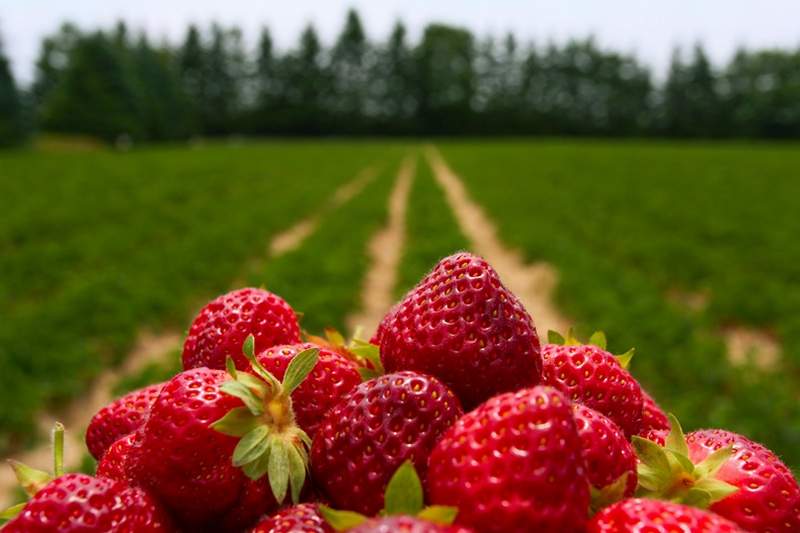
Temptation
The strawberry produces numerous runners. A single bush can produce over 25 flowering shoots. These produce medium-sized, uniformly shaped fruits. The variety yields up to 1.7 kg of berries per bush. They have a pleasant sweet flavor.
Tanyusha
A mid-season, everbearing variety. The berries are small, up to 20 grams each, round with a pointed tip. The bush is low and produces numerous runners. It is frost- and disease-resistant.
Garland
Large green rosettes bear strong flower stalks that support the berries well. The fruits are medium-sized, red, and sweet. The yield is high, over 1 kg per bush. The strawberries form runners with a characteristic pink hue. Ripening time is short.
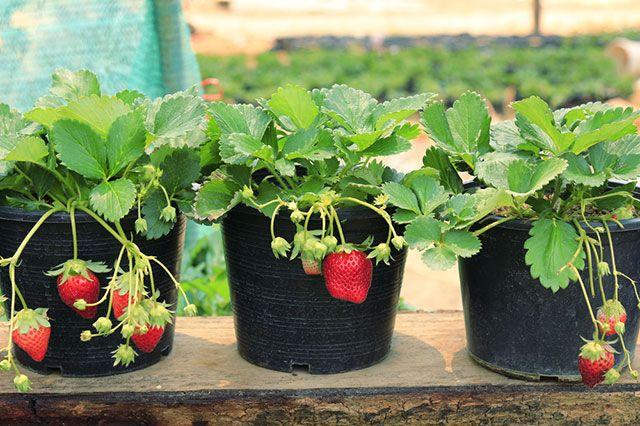 Important! The Garland variety is easy to care for and suitable for beginning gardeners.
Lord
The bushes require meticulous care. They need constant direct sunlight, regular loosening of the soil, watering, and feeding. Mulch if possible. The berries are large, about 100 g, and red. Under favorable conditions, they can yield over 1 kg per bush.
Frost-resistant for open ground
Winter-hardy varieties easily tolerate the Siberian climate. They root quickly, produce high yields, and survive the winter without loss.
Torpedo
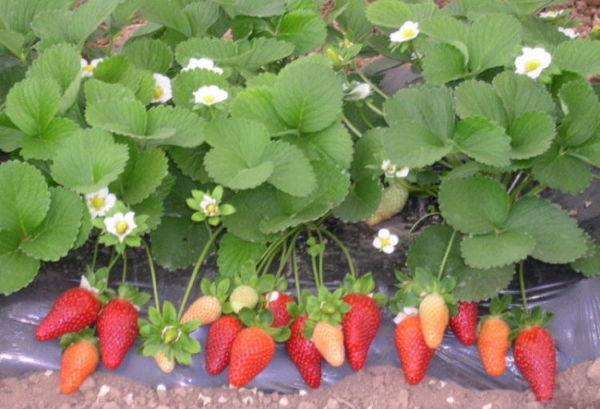
The bush is low and produces few runners. The plant produces white flowers that produce berries weighing up to 25 grams. These berries are elongated and have a pleasant flavor. The yield is 200 grams per bush.
Kama
An early, everbearing variety. Fruiting occurs in mid-May, or even April when grown in a greenhouse. Fruiting occurs in stages. Berries weigh over 60 grams at the first ripening, and 20 grams less at the second. A single bush yields over 1 kg of fruit.
Amulet
The bushes are medium-sized, with green, upright leaves. A small number of runners extend from them. The berries are medium-sized, weighing no more than 40 g. A single bush can yield several kilograms of fruit per season.
Fruiting continues throughout the summer. Amulet is resistant to frost and fungal diseases.
Important! The Amulet variety is ideal for growing commercially, transports easily, and retains its appearance.
Marshmallow
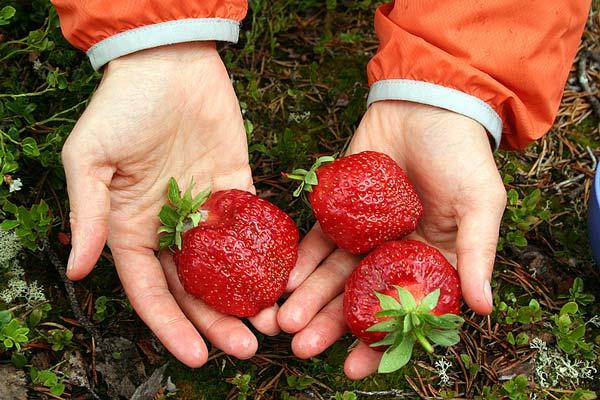
This cultivar was developed in Denmark and is one of the commercial varieties. The bushes are medium-sized, the stems are strong, and the leaves are wide. Berries weigh up to 60 g. Fruiting occurs once per season, with over 1 kg of fruit harvested. It produces a small number of runners.
Large-fruited varieties
This strawberry variety produces large berries, significantly increasing yields. These varieties are popular with gardeners not only in northern regions.
Ruby pendant
The strawberry bushes are medium-sized and form large runners. The berries are small, weighing up to 12 grams. Numerous berries are produced on a single bush. They are a bright ruby color and conical in shape. The flesh is sweet, dense, juicy, and free of voids.
Tristar
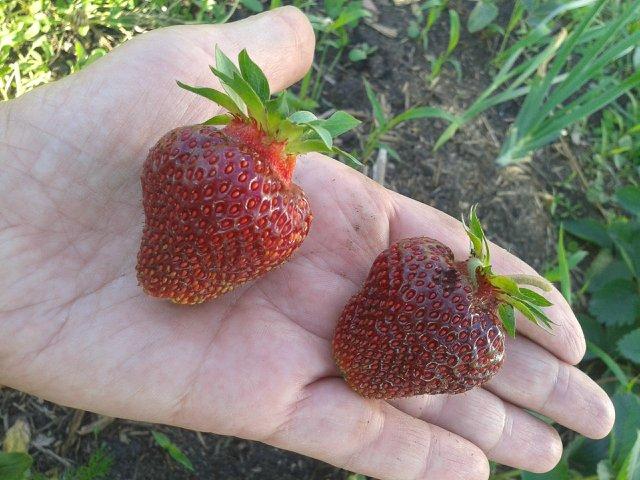
The bushes are large. The rosette is approximately 80 cm in diameter. This remontant variety produces fruit twice a year. The fruits weigh 30 g and are conical in shape. The bush produces a small number of runners. Tristar requires annual relocation and can be grown on a balcony.
Marishka
The bushes are low, with wide, green leaves. This variety was developed in the Czech Republic. The plant produces a small number of runners. The berries are medium-sized, up to 25 g. The yield per bush is 500 g. Fruiting occurs once a year. The fruits are bright red, with a pleasant sweet flavor, and are easy to transport. It tolerates drought and frost, and is resistant to fungal infestations and pests.
Strawberry without runners
This variety of strawberry does not have runners, which cause problems for gardeners when thinning bushes.
Junia Smaids
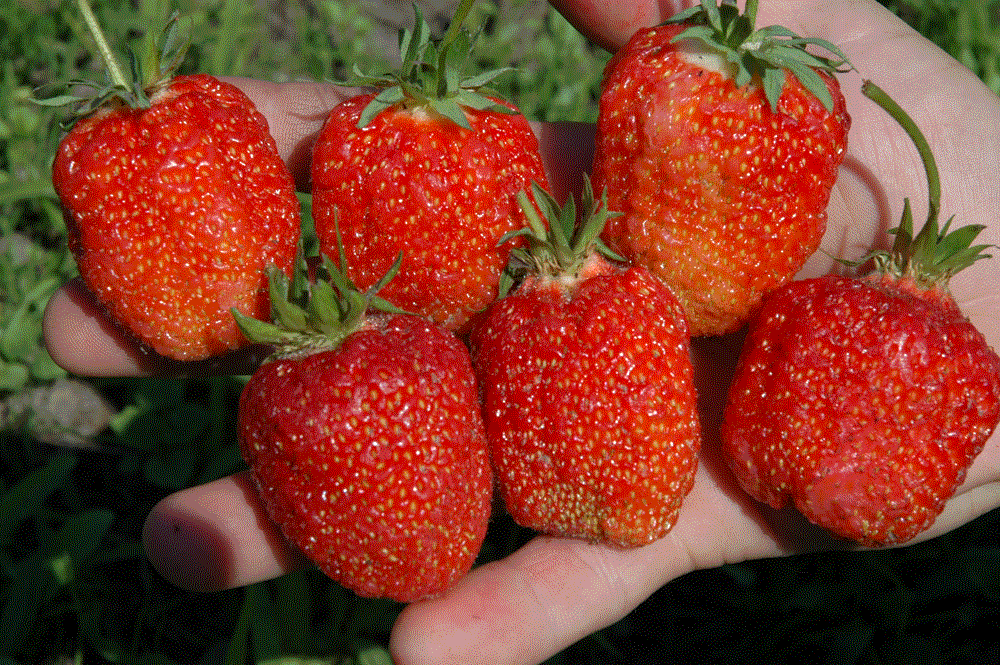
This variety was developed in Latvia. The bushes are tall, with broad leaves and few runners. Fruiting occurs twice per season. The first fruit weighs 30 g, while the second fruit weighs 20 g less. The strawberries are early ripening, and the fruits are reddish-pink.
Baby elephant
Strawberry bushes are characterized by vigorous rosettes and dense stems. The number of runners is small. The berries are sweet, up to 26 g in weight, round in shape, and dark red in color. The plants are frost-resistant, tolerate transportation well, and have a long shelf life. The yield is 800 g per bush.
Darenka
A non-remontant variety, it produces a moderate number of runners. It is a commercial variety and tolerates frost and transportation well. The berries are small, up to 30 g in weight, round, and bright red. The yield per bush is 1.5 kg.

The sweetest varieties
The sweetest varieties that can be grown in Siberia include:
- Honey. An early-ripening, everbearing variety, it produces fruits up to 30 g in size, with fruiting occurring in two stages. It is frost-resistant and resistant to fungal diseases. Yields 1.3 kg per bush.
- Omskaya Rannyaya. Developed primarily for cultivation in northern regions. The berries are small, up to 10 g, with a sweet and juicy taste. Yields up to 1.6 kg per plant.
- Idun. Plants are medium-sized, with dense and strong stems. Fruits weigh up to 25 g. The variety tolerates frost well and is resistant to fungal diseases.
Features of crop cultivation
Young strawberries are planted outdoors in the fall or spring. In either case, the plants will have time to take root and grow strong before frost sets in. It's important to follow the planting schedule. For spring planting, the deadline is from late May to April 25. In the fall, transplanting should be done no later than August 10.
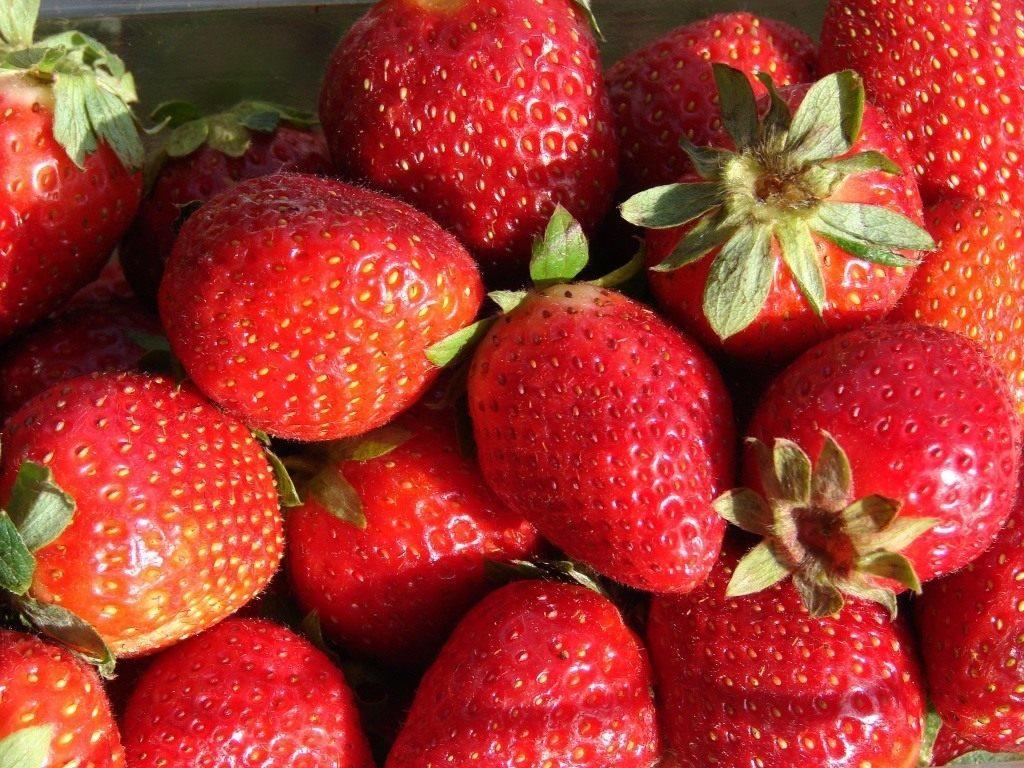 Important! If you don't follow the deadlines, the strawberries will freeze or won't have time to root.
Choosing a site for strawberries
Choose a well-lit location for strawberries, sheltered from constant wind. The soil should be rich in humus and have a loose structure. If the soil is prone to frequent waterlogging, provide drainage. Avoid planting strawberries after nightshades, as they can transmit their diseases. Strawberries should be relocated every three years.
Preparing and planting seedlings
Before planting seedlings, prepare the soil first. To do this, follow these steps two weeks in advance:
- Dig the bed to a depth of 20 cm.
- Fertilize with rotted manure or compost.
- The acidity is checked; it should not be more than 6.5; if necessary, it is deacidified.
- Leave for 2 weeks.
- Then dig holes at a distance of 15 cm from each other, leaving a gap of 60 cm between the rows.
- Each hole is generously moistened.
- Carefully remove the seedlings from the containers and transfer them to open ground.
- Sprinkle with soil and compact with your hands.
- Moisturize the bushes.
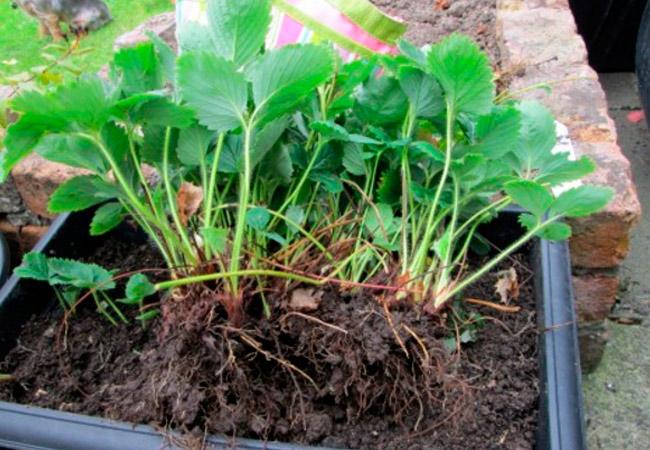 Important! Planting should be done in cloudy weather.
Rules of care and agricultural technology
To achieve the desired harvest and maintain the health of strawberries, they monitor watering, fertilize, prune, renew plants, fight pests and diseases, and cover them for the winter.
Irrigation
The northern region's weather conditions include frequent precipitation. Therefore, careful watering is essential. Strawberries won't thrive in waterlogged soil. Water the plants as the soil dries out.
Fertilization
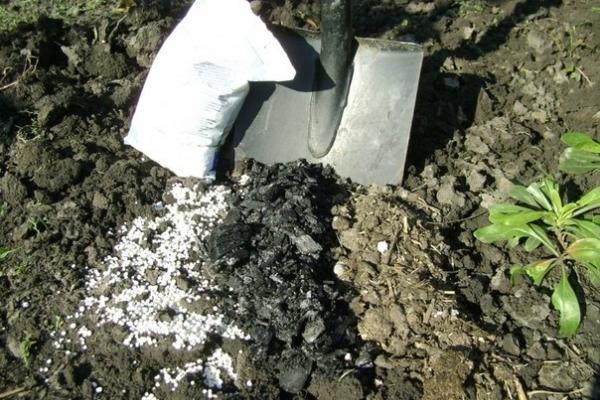
Gardeners' opinions on fertilizing vary. Some believe that the fertilizer applied at planting is sufficient for the next three years. Others believe that fertilizing is necessary during the formation of ovaries and fruiting. When applying fertilizer, phosphorus-potassium fertilizers and nitrogen compounds are used. These are applied to the roots as a solution or dry powder.
Pruning and propagation
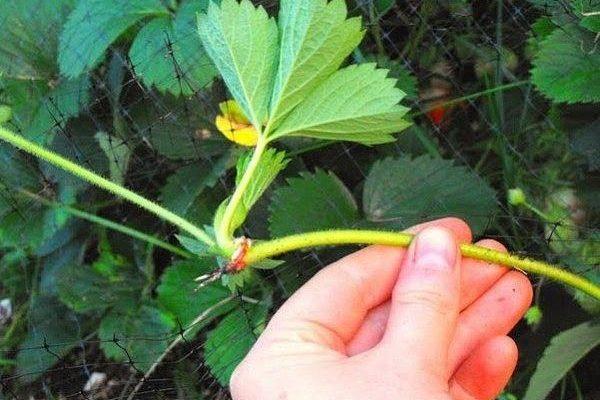
For propagation, leave 2-3 bushes per row. When buds form, they are pruned to allow the plants to devote their energy to rooting. Monitor bud formation throughout the season. Also prune the runners that are furthest from the mother bush.
Take a look Also
Important! Select the strongest and healthiest bushes for propagation.
Strawberries can also be propagated by seed. To do this, determine whether the chosen variety is capable of propagation by seed. If so, select a few berries and leave them on the bush until they fully ripen. After picking them, remove the outer skin and dry it. Then, select the small seeds for seeding and wash them to remove any pulp. In winter, plant the seeds from the skins with soil and grow seedlings.
Diseases and pests
To avoid diseases and pest attacks, it is recommended to choose varieties with high resistance and strong immunity. However, frequent flooding of beds, unfavorable growing conditions, and poor agricultural practices can make the crop susceptible to diseases:
- Fusarium. The fungus penetrates the roots and damages the vascular system of the leaves.
- Late blight. The plant dies slowly, developing red spots along the axial cylinder.
- Gray mold. It affects fruits and young ovaries, causing a thick gray coating to form.
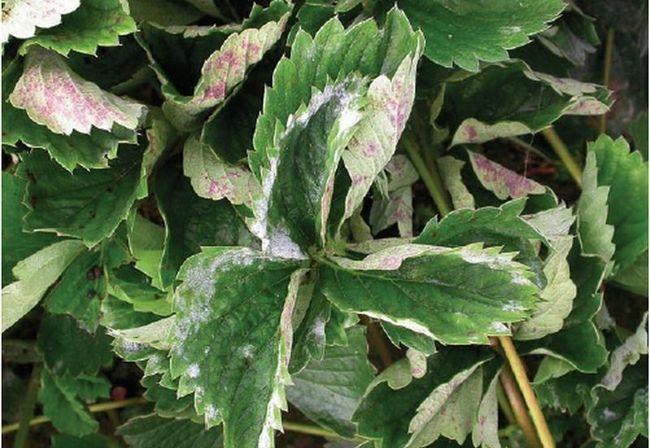
- Powdery mildew. The fungus spreads to leaves as white spots. Leaves should be trimmed immediately and sprayed with fungicides.
- Brown spot. Red and brown spots appear on the leaves. These small spots grow into larger ones, disrupting the functioning of the plant's organs.
To combat these diseases, I use antifungal fungicides. Spraying is done 2-3 times per season. The most common insects that damage strawberries are:
- strawberry weevil;
- strawberry mite;
- nematode;
- leaf beetle;
- sawfly;
- spider mite;
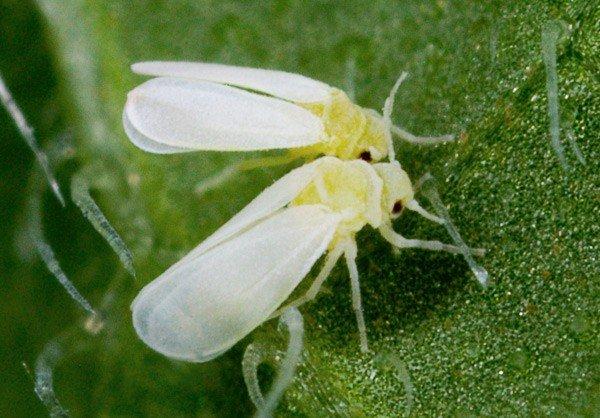
- whitefly;
- aphid.
To control harmful insects, plants are sprayed with broad-spectrum insecticides. Treatments are carried out 2-3 times per season, as needed.
 Important! Growing mustard near strawberries will reduce pests in your garden.
Preparing the plant for winter
There are several ways to prepare for winter. For Siberia, you can transplant strawberry bushes into pots and store them in a cool place. The room temperature should be no lower than 2-8°C, and the humidity should be at least 90%.
The carbon dioxide to oxygen ratio is 2:1. In this condition, strawberries survive the winter well and recover quickly in the spring.
A simpler and less labor-intensive method is to store seedlings directly on the plot. At the end of the season, prune, fertilize, and water thoroughly. Then, mulch the beds with organic materials or agrofibre. Cover with spunbond. However, beams are installed to prevent the material from touching the foliage. A layer of mulch is laid on top, covered with at least 10 cm of snow.
Related posts:
 Description of the Florence strawberry variety, planting and care features
 Beginner's Guide to Growing Grapes in Open Ground in Central Russia
 Description of the Solovushka strawberry variety, planting and care instructions
 Description of 36 of the best sweet and large varieties of gooseberries
 How to grow strawberries at home
 Description of the Holiday strawberry variety, cultivation and propagation methods
 Description of the Fireworks strawberry variety, planting and care
 The best varieties and cultivation of everbearing strawberries, fertilizing and propagation