
- The history of the origin and regions of cultivation of the Solovushka strawberry
- Main pros and cons
- Characteristic features of the variety
- Bush size
- Appearance of the leaf blade and tendrils
- Flowering and pollination
- Ripening time and yield
- Fruit taste and transportability
- Resistance to adverse conditions
- Immunity and susceptibility to diseases and parasites
- Planting the Nightingale strawberry
- Site selection and preparation
- How to choose seedlings
- Planting layout diagram
- Timing and technology of planting seedlings
- Care instructions
- Watering mode
- Top dressing
- Weeding and loosening the soil
- Mulching
- Moustache removal
- Shelter for the winter
- Preventive treatments against diseases and pests
- Features of growing in pots
- Methods of reproduction
- Seeds
- By dividing the bush
- Sockets
- Gardeners' reviews of the variety
The Solovushka strawberry variety stands out among other varieties for its high yield, strong resistance to many diseases, frost resistance, and excellent flavor. It is easy to care for and suitable for planting in a variety of climates. Solovushka is grown both in large-scale farming operations and by hobby gardeners for personal consumption.
The history of the origin and regions of cultivation of the Solovushka strawberry
Russian scientist S. D. Aidzhanov worked on the variety's creation. Despite the fact that more than 10 years have passed since its development, the variety has still not been included in the State Register. Thanks to its positive qualities, the Solovushka strawberry has become a favorite among gardeners in both southern and northern regions.
Main pros and cons
Among the advantages of the Nightingale variety it is worth noting:
- high productivity;
- frost resistance;
- ease of care;
- multiple whisker formation;
- good taste;
- resistance to many diseases.
The disadvantages include:
- low transportability;
- susceptibility to root diseases, in particular gray rot;
- In the third year the berries become smaller.
Characteristic features of the variety
Nightingale is characterized by winter hardiness, disease and pest resistance, and good yields. It is easy to care for. The berries have a pleasant sweet and sour taste and a distinct strawberry aroma.
Bush size
The Solovushka strawberry bush is medium-sized, typically reaching no more than 40 centimeters in height. The bush is rounded and very compact. Up to ten flower stalks with numerous flowers form on the bush. The flower stalks themselves are very thin and long. They grow beneath the leaves and never exceed the height of the bush. The bush can reach a diameter of 60 centimeters.
Appearance of the leaf blade and tendrils
The bush bears numerous leaves, which can be either dark or light green. They begin to grow during the first year after planting. The color of the leaves, as well as their density, largely depends on the planting region. During this first year, the strawberry plant produces the largest number of runners.

A runner is a long stalk that trails along the ground. Over time, a rosette forms on the runners, which can be used for propagating strawberries. In subsequent years, the number of runners decreases.
Flowering and pollination
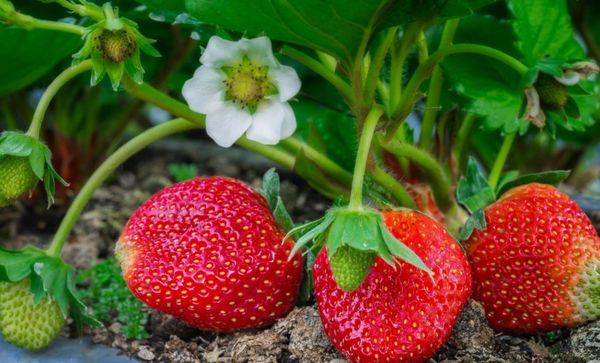
It takes a month from flowering and pollination to ripening. Pollination in open fields occurs naturally. Nature does its job with the help of wind, rain, and bees. If you grow strawberries in a greenhouse, you'll have to take care of pollination yourself.
You can use a fan as a source of wind, and also transfer pollen from bush to bush with a brush.
Ripening time and yield
The Solovushka strawberry variety is considered mid-season. The exact ripening period depends on the planting region and care conditions. Under favorable conditions, a warm climate, and adequate watering, it ripens around mid-June.
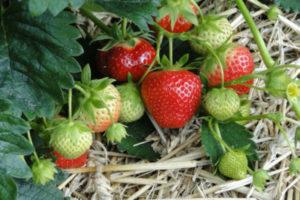
In the first year, you can get 500 grams of berries from one bush. In subsequent years, with proper care, this figure can increase to 1 kilogram. The berries ripen simultaneously on the bush, which is very convenient for harvesting.
Fruit taste and transportability
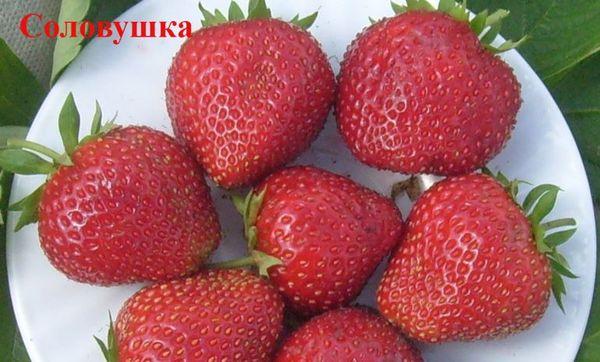
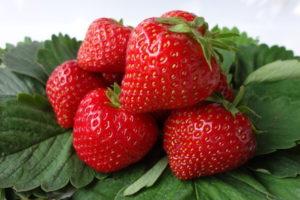
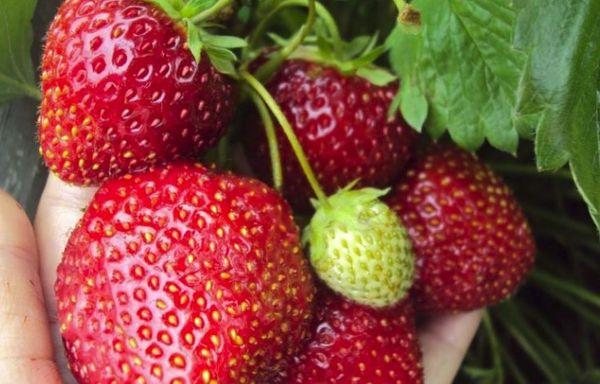
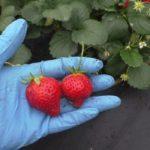
The Nightingale berry has a round-conical shape, a bright red color, and a pleasant strawberry aroma. It has a good, sweet and sour flavor. In the first year, the fruits are particularly large, reaching up to 50 grams. In subsequent years, the berries become slightly smaller.
Resistance to adverse conditions
One of the advantages of this strawberry variety is its frost resistance. If the ground is not covered with snow, Solovushka can withstand temperatures down to -10°C. In snowy winters, it can withstand temperatures down to -30°C.
Immunity and susceptibility to diseases and parasites
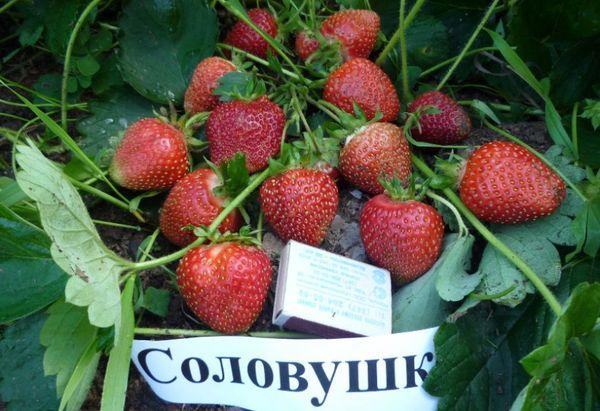
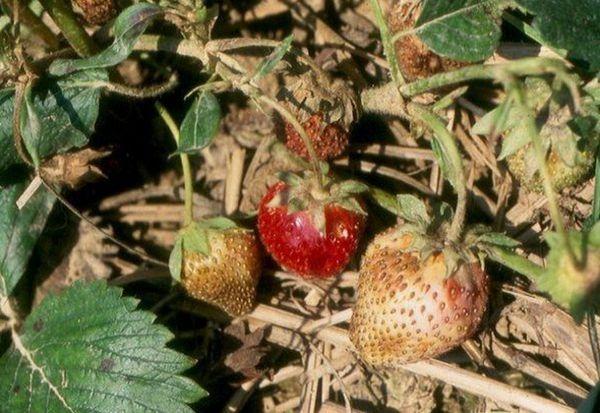
The Nightingale strawberry has a strong immune system and is resistant to many diseases and pests. It is resistant to many, but not all: gray mold, white spot, and brown spot are the diseases to which Nightingale is most susceptible. It is important to follow plant care rules and regularly inspect the leaves - this will help you begin treatment in time and prevent the plant from dying.
Planting the Nightingale strawberry
This strawberry variety should be planted in prepared soil. The seedlings should be young and healthy. The roots should be treated before planting. The bushes should not be too close together.
Site selection and preparation
The best site for strawberries is a well-lit spot with neutral soil. To ensure a good harvest, avoid planting in the shade of trees. The soil should be light in texture; adding river sand can help achieve this.
If there is an excess of sand in the soil, this needs to be corrected by adding clay.
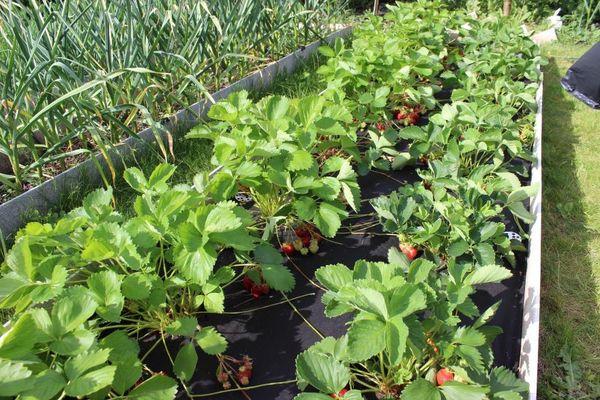
Once the planting site has been selected, it's time to add fertilizer to the soil. For one square meter, you'll need:
- compost bucket;
- 50 grams of mineral fertilizers;
- 1 liter of wood ash.
Only after this can the area be dug up.
Important: Prepare the beds in advance to allow the soil to settle. This is best done two weeks before planting.
How to choose seedlings
To avoid choosing the wrong seedlings, carefully inspect them before purchasing. Older seedlings have a coal-black root system. Younger plants have light brown roots. If the seedlings were planted in light soil, the root system will be more developed. If the seedling is flowering, the first harvest can be harvested within the year of planting. If there are no flowers, the plant will not begin bearing fruit until the following season.
Planting layout diagram
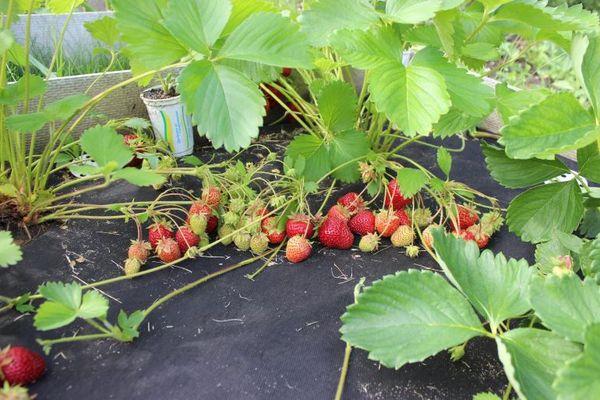
There are several planting patterns for strawberries. In the first year, it's best to plant them in single rows, as this is when the Nightingale produces a large number of runners. In this case, the distance between rows should be 90 cm, and between plants 20 cm. Over time, new rosettes can be planted in the empty space between rows. This strawberry variety can also be planted as individual plants, with a distance of up to 50 cm between them. This planting pattern produces a large harvest and reduces the risk of disease.
Timing and technology of planting seedlings
You can plant seedlings in spring, summer, and even fall. The number of established seedlings will be much higher in spring than if planted in fall. It's best to plant onions, beets, parsley, and lettuce nearby. Before planting, treat the strawberry roots. Add 40 grams of salt and 7 grams of copper sulfate to 10 liters of water. Soak the seedlings in this mixture for half an hour, then rinse the roots. Dig shallow holes in the prepared soil, plant the plants, and cover the roots with soil. Afterward, water and mulch the seedlings.
Care instructions
The nightingale requires little care. Watering a couple of times a week, regular weeding, loosening the soil, and removing tendrils are sufficient. Fertilizer and disease prevention treatments can be applied as needed.

Watering mode
The frequency of watering depends on the weather. The most generous watering is needed when the strawberries are flowering and bearing fruit. Water with warm water, in the morning or evening. Avoid getting water on the leaves and flowers to prevent sunburn. Watering should be done approximately two to three times a week. Monitor the soil to ensure it does not dry out.
Top dressing
During the first year after planting, plants can be fed only with mineral fertilizers, as the soil at this time contains sufficient nutrients for strawberry development and growth. Once the strawberry bush begins to bear fruit, the soil becomes depleted. Now, organic fertilizers should be added to the mineral ones.
Compost and humus are best. If the soil is depleted, it can be restored using a combination of mineral and organic fertilizers. The first application should be made in the spring, when the soil has warmed up. The second application should be made during flowering, and the third during berry formation.
Weeding and loosening the soil
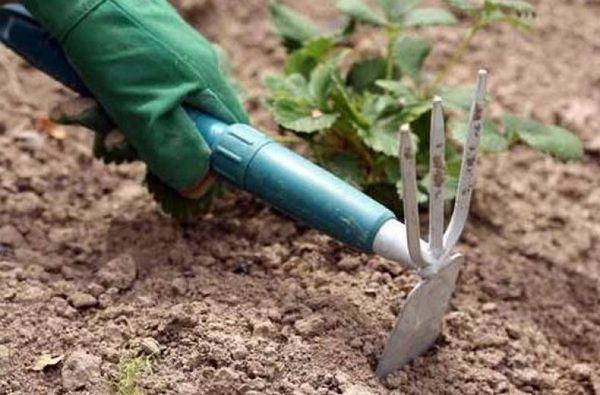
In the spring, preparatory work before planting also needs to be carried out. This includes weeding and loosening the soil. First, remove any weeds. Then, carefully loosen the soil so as not to damage the runners. These procedures should be carried out regularly. The final loosening is done in the fall.
Mulching
In the fall and spring, strawberries are mulched. A layer of sawdust, dry leaves, pine needles, or straw is placed between the rows and around the bushes. In the spring, humus, bark, or paper can also be added to this list. This needs to be done for a number of reasons: in the spring, to prevent the flower stalks from touching the ground, and in the winter, to prevent the plant from freezing even in severe frosts.
Moustache removal
To promote vigorous root development and bud formation on the Nightingale strawberry plant, regularly remove runners. It's best to do this several times per season. Having too many runners on a bush can significantly reduce the Nightingale's yield. Only the number of runners you plan to use for propagation should be left. Prune runners in the spring, before the plant begins to bloom, and again after harvest.
Shelter for the winter
The Nightingale strawberry tolerates frosty winters well. In mild, snowy winters, it can be left uncovered. However, if winters in the planting region are frosty and snowless, the plant will need to be covered. This is best done with straw, sawdust, and dry leaves. If winters in the region experience sharp temperature fluctuations and thaws, the strawberries may rot under such cover.
The best, albeit most expensive, of the above-mentioned products is agrofibre. Purchase it once and you can use it for several years.
Preventive treatments against diseases and pests
The Nightingale strawberry is resistant to diseases and pests.Before covering, in spring and fall, it's best to carry out preventative treatments. Disease prevention products are available at specialty stores. Since the Nightingale is susceptible to gray mold, it's a good idea to spray it with a fungicide such as Horus, Falcon, or Strobi. Before covering, in addition to the fungicide, you can treat it with Ridomil Gold—this will help the leaves better survive the winter.
Features of growing in pots
Growing strawberries in pots has its advantages:
- the berries do not spread along the ground and remain clean and beautiful when picked;
- convenient to collect, no need to bend down under each bush;
- pots can be moved for the winter;
- saving space in a small area.
Regular flower pots and small plastic buckets are suitable for growing strawberries. The size of the pot depends on the number of strawberry plants in it. The pot should have holes in the bottom to allow excess water to drain and prevent root rot.
When growing Nightingale strawberries in pots, special attention should be paid to the soil.
It should be nutritious and contain humus and turf. Regularly fertilizing the potting soil with minerals is also necessary.
Methods of reproduction
The Nightingale strawberry variety can be propagated by seeds, division, and rosettes. The easiest method is rosettes, as the Nightingale variety is generous with runners.
Seeds
The seeds need to be soaked first. To do this, place a damp cloth in a plastic container, sprinkle the seeds on top, and cover with a second piece of damp cloth. Poke holes in the lid to prevent the seeds from suffocating. Let them sit in a warm place for two days, then refrigerate for two weeks.
During this period, check regularly to ensure the fabric doesn't dry out. Next, plant the seeds in the prepared moist soil in a container. Don't cover them with soil, but rather lay them on top and press them in gently. Place the container in a sunny spot.
By dividing the bush
This method is suitable for plants with a developed root system. In this case, the transplanted parts of the bush are watered generously, and the central part is removed. Strawberries can be propagated by division from spring until early October.
Choose strong, healthy plants. Mature bushes in their third or fourth year are best. To divide the plant, dig it up, remove any bad leaves, carefully clean the roots, and place it in water. The rhizomes will separate naturally in the water.
Sockets
This method is the most suitable for propagating the Nightingale strawberry. Rosettes are taken from a healthy bush. To ensure they are strong, all flower stalks are cut from the mother plant. This way, all the energy will go into developing runners, not berries. Rosettes are planted in a cup and placed next to the adult parent plant, without separating it. The seedlings need to be watered daily.
The rosette can be planted in a bed or separately from the parent plant. However, in this case, the strongest rosettes are used. The beds are prepared in advance and thoroughly watered.
Gardeners' reviews of the variety
Angelica, Penza:
"I planted this strawberry variety for the first time two years ago. The first year's harvest wasn't as large as I'd hoped. And the constant struggle with the runners was tiring. This variety produces a lot of runners. But the following year, we fertilized the soil well and made sure it didn't dry out. The result was large berries, about 40 grams each, and some even larger. They ripened at the same time, and the taste was delicious. There were no empty spaces inside. It made a delicious jam for winter."
Nikolay Andreevich, Kazan:
"I liked the variety. It didn't get sick once during the season, with proper care. I fertilized sparingly and still got 600 grams per bush. It survived the hot summer well. I grew it for myself, but with such a yield, it's safe to plant it for sale. The first year had a lot of runners. In subsequent years, there were much fewer. I froze some for the winter and spoiled my family with fresh strawberries."
Related posts:
 Description of the Florence strawberry variety, planting and care features
 Description and how to plant the Garland strawberry variety
 How to grow strawberries at home
 Description and characteristics of the Vima Zanta strawberry variety, planting and care scheme
 Description of the everbearing strawberry variety Mara de Bois and growing rules
 The best varieties and cultivation of everbearing strawberries, fertilizing and propagation
 Description of the everbearing strawberry variety Selva and cultivation technology
 Technology for growing strawberries in a greenhouse, the intricacies of planting and care