
- Selection and growing regions of the Ducat strawberry
- Pros and cons of the variety
- Distinctive features and characteristics
- Size and appearance of the bush
- Flowering and fruiting
- Taste qualities and scope of application of berries
- Susceptibility to diseases and pests
- Black rot
- Powdery mildew
- Nematode
- Frost and drought resistance
- Landing rules
- Deadlines
- Autumn
- Spring
- Selecting a site and preparing beds for strawberries
- Preparing seedlings
- Stages of the planting process
- How to care for it so that it is large in size and sweet in taste
- Watering mode
- What fertilizer does the variety prefer?
- Weeding and loosening
- Mulching strawberries
- Carrying out measures to combat pests and diseases
- Shelter during the winter period
- Methods of propagation of culture
- Reviews from gardeners and summer residents
This strawberry variety quickly gained popularity due to its excellent flavor, early ripening, low maintenance, high yield, and good transportability. Growing the Dukat strawberry variety is easy as long as proper cultivation practices are followed, as one of the hybrid's advantages is its resistance to common diseases.
Selection and growing regions of the Ducat strawberry
This strawberry variety was developed by breeders at the Agricultural Institute in Skierniewsze, Poland. Ducat was created in 1975 by crossing two varieties: Koralova and Gorella.
Pros and cons of the variety
Like any crop, the Ducat strawberry has both positive and negative characteristics. Advantages of the variety:
- good winter hardiness;
- resistance to most common diseases;
- undemanding to soil composition;
- tolerates drought well;
- high yield, does not decrease significantly even with a decrease in favorable weather conditions;
- rapid propagation by means of whiskers;
- high transportability due to the density of the berries.
The disadvantages include:
- poor resistance to powdery mildew, nematodes and black rot;
- suffers from spider mite infestation.
Distinctive features and characteristics
The strawberry variety is classified as mid-season.
Fruit harvesting takes place in the second half of June and lasts until the first week of July.
Size and appearance of the bush
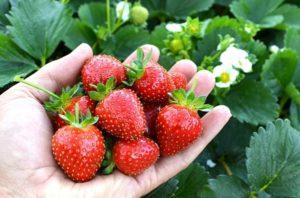
Dukat strawberry bushes are not tall, but they are robust, spreading, and vigorous, with thick stems. This variety is characterized by rapid runner growth, allowing the plant to reproduce quickly. It has bisexual, white flowers. The leaves are large, dark green, and have jagged edges. The productive life cycle of Dukat strawberries is 3-4 years.
Flowering and fruiting
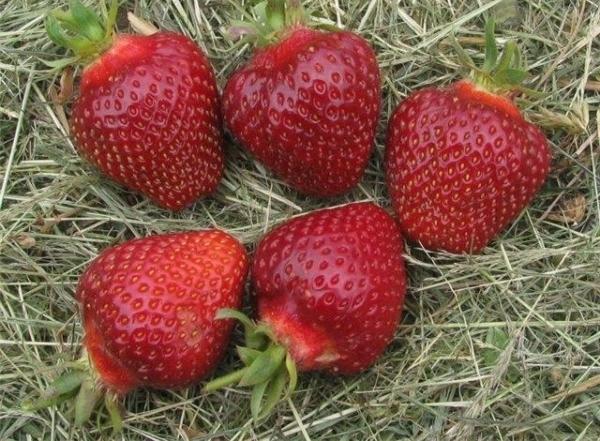
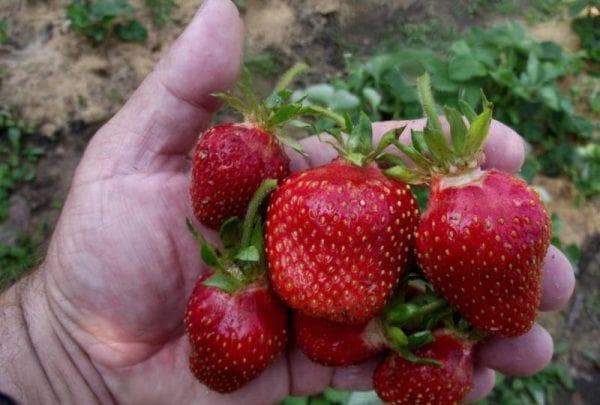
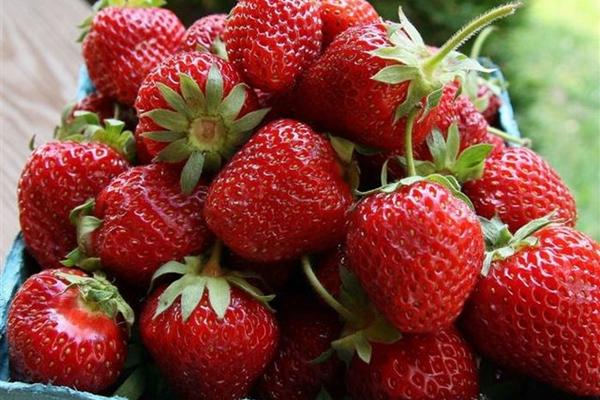
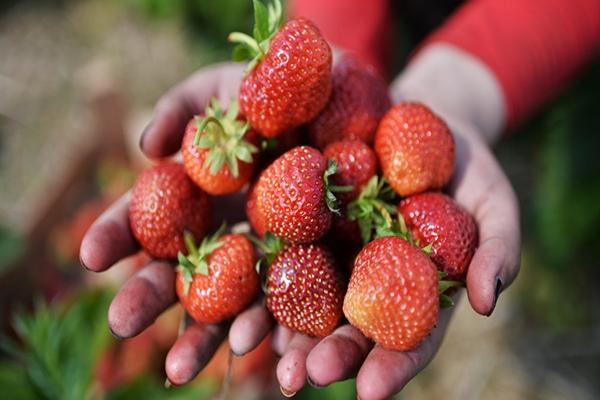
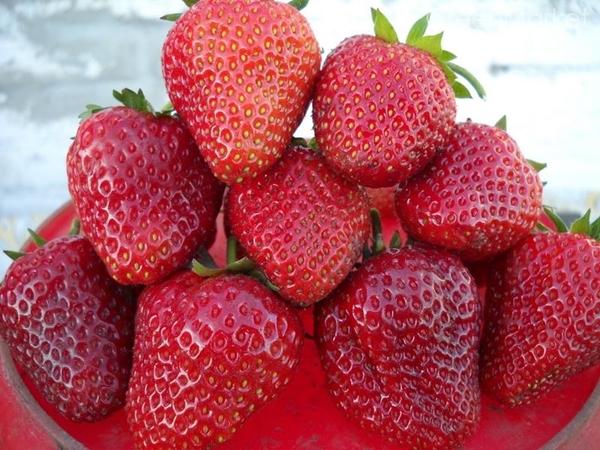
The fruits are large, averaging 45-50 grams in weight, making them easy to harvest and process. The fruits are a rich red color, cone-shaped, and blunt-tipped. The flesh is pinkish-red, quite firm, and lacks a white center. The yield is up to 2 kilograms per bush.
Taste qualities and scope of application of berries
The berries are characterized by a sweet, rich flavor, sometimes with a slight tartness. The fruits are fragrant, reminiscent of strawberries, and firm. They are eaten fresh, as a dessert, and are also used for processing. They are used to make jam, preserves, fruit drinks, and purees.
When frozen, berries retain their valuable chemical composition and flavor. Using an electric dehydrator, you can make candied fruit or strawberry chips. They make a wonderful, healthy substitute for candy.
Susceptibility to diseases and pests
The crop is characterized by increased immunity to gray mold and certain infectious diseases caused by excessive humidity. Therefore, strawberries are successfully grown in regions with cold climates.
Black rot
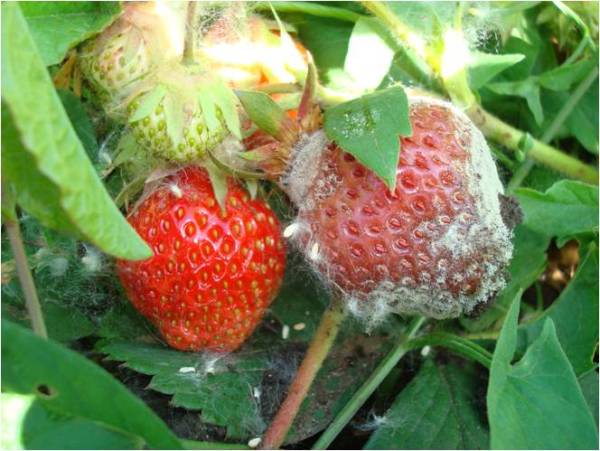
When a plant is infected with this disease, the fruit loses its sweetness, the flesh becomes watery, then darkens, and rot begins. The bush cannot be cured. To prevent infection and death of all the bushes, the diseased plant must be removed.
Powdery mildew
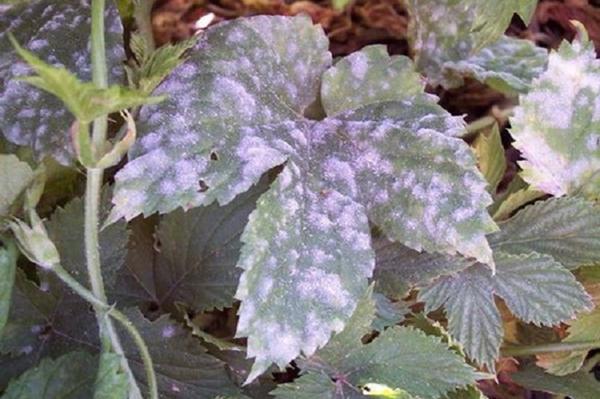
In the initial stage, the disease manifests itself as web-like formations on the underside of the leaf blade. Over time, dense, round spots appear on the upper side of the leaf blades, with a fluffy appearance and slimy consistency. Powdery mildew has a negative impact on the entire plant: fruit buds rot or become deformed. If measures are not taken to eliminate the disease, the strawberry plants will die.
It is recommended to loosen the soil around the bushes, remove damaged leaves, and treat the bushes with colloidal sulfur. The recommended solution is 50 grams per 10 liters of liquid. When using soda ash, prepare a similar solution.
Nematode
When this disease occurs, the leaves of the bush begin to deform and darken. Brownish-red spots gradually form on them. To eliminate the problem, it is recommended to treat the bushes with warm water. The temperature of the water should not exceed 45 degrees Celsius. Repeat the procedure if necessary.
Frost and drought resistance
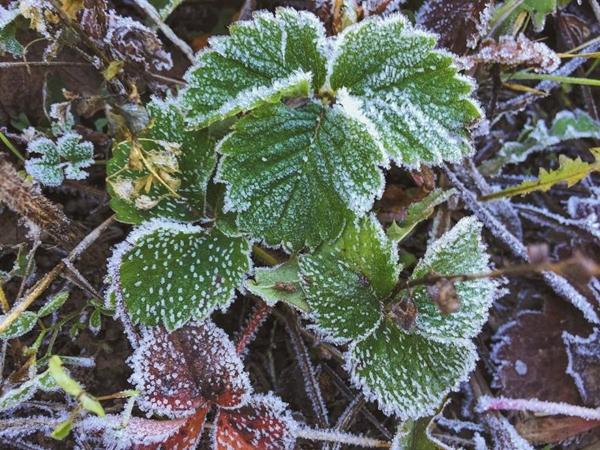
The crop can withstand temperatures down to -8 degrees, making it a frost-resistant species.
Drought-resistant, it is recommended to water more frequently during this period, every 2-3 days.
Landing rules
To ensure healthy bushes grow and produce the desired results, it is recommended to follow proper agricultural practices: choose a planting site and adhere to care requirements.
Deadlines
Timing of strawberry planting is crucial. The development of strawberry bushes and fruiting depend on it. Important! The optimal temperature for good adaptation ranges from 15 to 25 degrees Celsius.
Autumn
In southern latitudes, the crop is planted in the fall. Recommended time is from early September to the 20th. Two weeks before planting, prepare the beds.
Spring
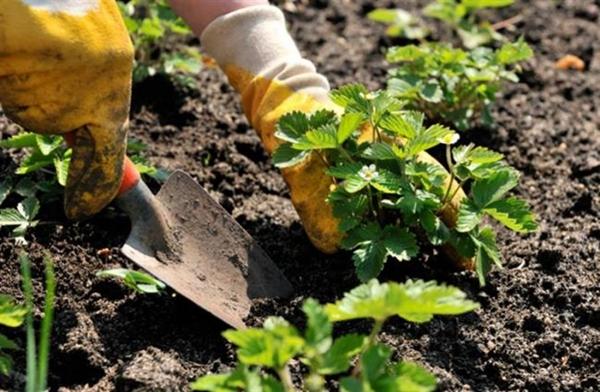
The basic rule for planting seedlings is to do so when there's no risk of frost. Depending on the region, planting time ranges from the second half of April to mid-May. The planting beds should be prepared in advance, preferably in the fall.
Selecting a site and preparing beds for strawberries
The plant's development, yield, and flavor depend on the chosen planting site. The site should be on level ground. Slopes and low-lying areas negatively impact the plant's health. On a slope, the bushes will be left unprotected during frosty weather, as snow melts there faster, leaving the strawberries without natural cover. Low-lying areas accumulate cool air and moisture, causing the berries to shrink and rot.
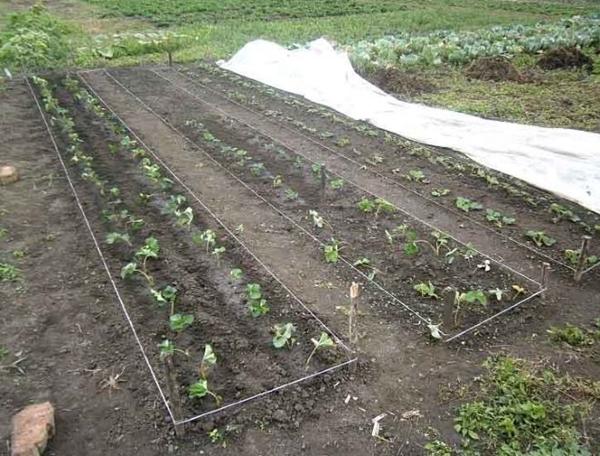
Wind exposure is also an important factor. It should be moderate. Intense drafts increase the risk of fungal spores infecting the bushes, freezing during the winter months, and damaging the plantings.
Crop rotation principles are important. It's recommended to plant strawberries after onions, carrots, legumes, or parsley. Avoid planting them next to raspberries, rose hips, or hawthorn. Peas, corn, and beans are considered ideal neighbors.
Lighting promotes intensive plant growth. The fruits will be large and sweet.
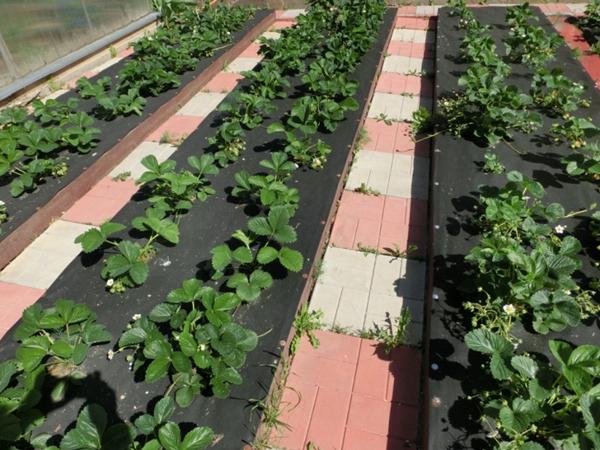
Five to six months before planting, prepare the beds. Remove any remaining plant debris and weeds. Dig the soil to a depth of 25-30 centimeters, add 75 grams of superphosphate, 5 kilograms of compost, and 320 grams of wood ash per 1 m.2Level the area with a rake.
Preparing seedlings
Before planting, soak the seedling roots in a biostimulant solution (Kornevin, 1 gram per liter of liquid) for 4-5 hours. This will make the strawberry plants more resistant to frost and disease.
Stages of the planting process
Planting bushes involves the following stages:
- make holes 0.4 meters deep and 0.3 meters wide, deep holes will not allow the plant to develop fully;
- water the hole (in spring, if the soil is moist, watering is not required);
- Place the bushes in the holes so that the rhizomes are straightened out;
- sprinkle with soil, the root collar should be at the same level with the soil;
- lightly compact the soil;
- water: a liter of liquid for each hole;
- cover the ground with straw or dry grass.
When planting, the recommended distance is: between rows - 0.4 meters, between bushes - 0.5 meters.
How to care for it so that it is large in size and sweet in taste
To achieve the desired results, strawberries must be cared for according to recommendations and agricultural practices. Care begins when the snow melts and ends with the first frost. Key requirements include timely watering, maintaining clean soil, and preventing diseases.
Watering mode
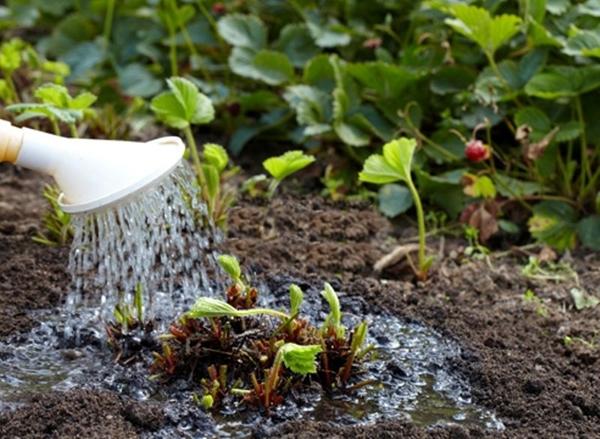
Before flowering, the bushes are watered every 5-7 days, depending on the soil's drying time. During berry ripening, watering is done after harvesting. The frequency of watering remains constant, depending on the drying time of the root ball. It is recommended to water with warm water, 0.5 liters per plant.
What fertilizer does the variety prefer?
It is recommended to fertilize strawberries four times with a liquid composition under each bush (0.5 liters):
- before flowering: 30 grams of potassium nitrate, 30 grams of nitrophoska;
- during the flowering period: 200 grams of bird droppings;
- after harvesting: 60 grams of urea;
- before wintering: 550-600 grams of manure.
The standards are given for 10 liters of liquid.
Weeding and loosening
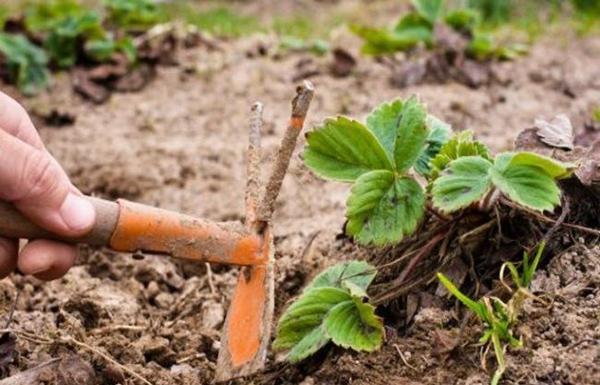
The soil around the bushes must be kept clean, removing weeds periodically. Loosen the soil after each watering to prevent crusting. Loosening the soil also enriches the roots with oxygen.
Mulching strawberries
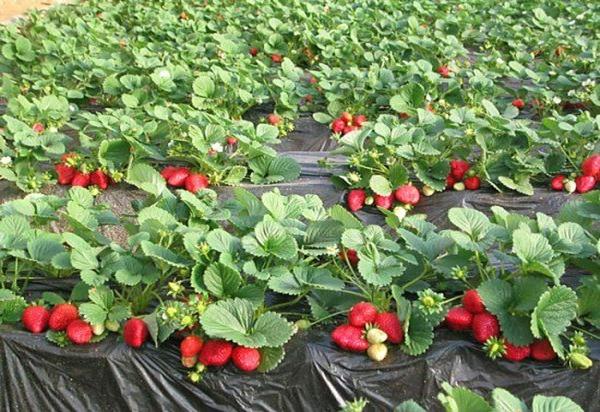
Mulching is an essential part of strawberry bush care. It reduces labor costs. The protective layer helps retain moisture, prevents weed growth, and prevents disease. Mulching also helps keep the fruit clean and prevents rot.
In spring, a layer of mulch is applied when the berries appear. After the strawberries are harvested, the mulch is removed. It is changed every 2-3 weeks.
Peat, straw, sawdust, and dry grass are used as raw materials. The hay and grass are fluffed, shaken, and the seeds are removed. Lay them out in the sun to dry. The mulch layer should be 1.5 centimeters thick. Agrofibre and film can also be used as mulch.
Carrying out measures to combat pests and diseases
The most common pest of the Ducat strawberry plant is spider mites. The pest infests the lower leaves, feeding on the plant's sap. Over time, the leaves dry out, die back, and the plant weakens.
A comprehensive approach is used for control: removing damaged leaves and adhering to watering guidelines. Spraying with a soap and ash solution (350 grams of ash and 150 ml of liquid soap per 10 liters of water) is recommended.
Another pest of the Ducat strawberry, the strawberry mite, is less common. The sap from the leaves and stems, which is the plant's primary food source, damages fruit buds. The plant weakens and stops bearing fruit. To combat this, it is recommended to spray the bushes with an infusion of onion peels (500 grams and 100 grams of soap per 10 liters of liquid) or use Malathion (90 grams per 10 liters).
Shelter during the winter period
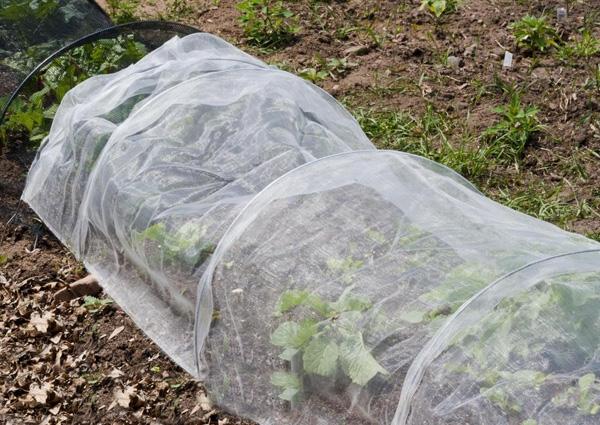
Since the variety has average frost resistance, it's recommended to provide shelter, especially in regions with little snowfall. Straw, sawdust, and pine needles are all suitable.
Methods of propagation of culture
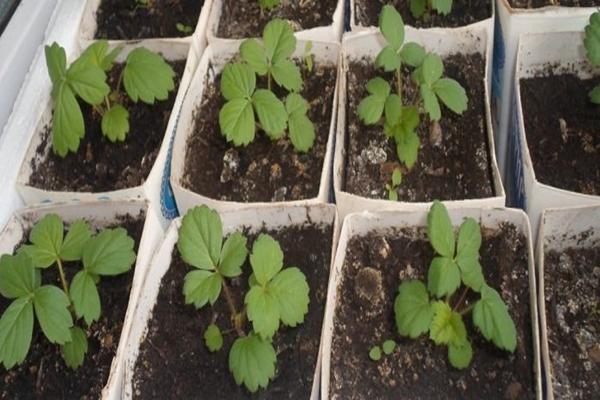
There are two ways to grow the crop: using runners (a common option) and from seeds.
But the seed method is labor-intensive and is used by breeders to obtain new varieties.
To propagate strawberries using runners, you need:
- select healthy mother plants 2-3 years old;
- the first 2-3 tendrils from the mother bush are used;
- the soil between the rows should be free of weeds and loosened;
- place the layers between the rows, sprinkle with soil, remove the rest;
- In the fall, the cutting will take root, separate it from the mother bush, and plant it in a permanent bed.
Reviews from gardeners and summer residents
The variety can be judged by the reviews of gardeners.
Ekaterina, 36 years old.
"I've been planting ducats for four years now. Before planting, I fertilize the soil with humus. I also add sand to the planting hole. I haven't had to deal with pests or diseases. And the harvest is truly impressive. I get 1.5-1.7 kilograms from one bush."
Ksenia, 42 years old.
"I propagate Ducat using runners, which is very quick. The bushes grow vigorously. I cover the bushes before winter to prevent the plantation from freezing. This variety produces a bountiful harvest. The berries are large and delicious. The harvest can be stored in the refrigerator for 4-5 days."
The Ducat variety is an excellent choice for gardeners. Its low maintenance, disease resistance, and high yields have made it popular.
Related posts:
 Description of the Florence strawberry variety, planting and care features
 Description and characteristics of the Golden Ducat daffodil variety, planting and care instructions
 The best varieties and cultivation of everbearing strawberries, fertilizing and propagation
 Description and characteristics of the Vima Zanta strawberry variety, planting and care scheme
 Timing and rules for fertilizing strawberries, and the best fertilizer for a good harvest
 Description of the everbearing strawberry variety Selva and cultivation technology
 How to grow strawberries at home
 Signs of disease and pest attacks on strawberries, treatment methods