
- The History of Kiss Nellis Strawberry Breeding
- Cultivation regions
- Main pros and cons
- Varietal features and characteristics
- Bush size and appearance of the leaf blade
- Flowering and pollination
- Ripening time and yield
- Taste qualities of the fruit and its further sale
- Winter hardiness and drought resistance
- Immunity and susceptibility to diseases and parasites
- How to plant Kiss Nellis
- Site selection and preparation
- Selecting seedlings
- Timing and technology of planting bushes
- Organization of competent care
- Watering mode
- Top dressing
- Weeding and loosening the soil
- Mulching
- Shelter for the winter
- Preventive treatments against diseases and pests
- Methods of growing garden strawberries
- Seeds
- By dividing the bush
- Sockets
- Gardeners' reviews of the variety
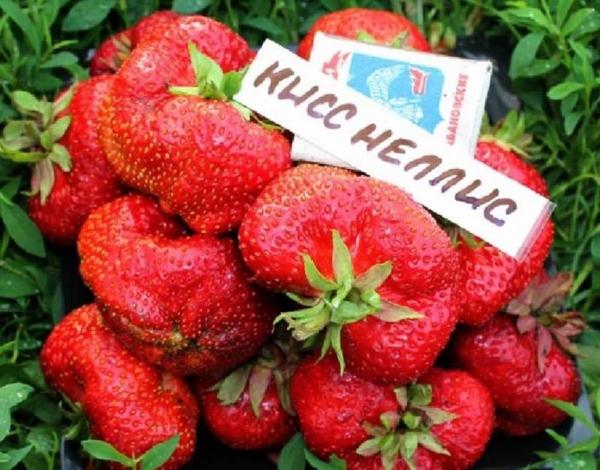
The Kiss Nellis strawberry variety is characterized by a medium ripening period, long shelf life, excellent transportability, large fruit size, a sweet flavor (vitamin C adds a touch of tartness), and a refined aroma. This variety is suitable for growing in garden plots and on farms. Its versatile berries have an attractive presentation and are in demand.
The History of Kiss Nellis Strawberry Breeding
This variety was developed by English breeders. It is relatively new, appearing on the market in the middle of the last decade. The name translates from English as "Nellin's Kiss."
In terms of the external size of the bush, the shape of the berries, and the taste qualities, Kiss Nellis is identical to the characteristics of the Chamuri Turussi variety, but surpasses it in yield, sweetness, berry aroma, and frost resistance.
Cultivation regions
The following regions are ideal for growing Kiss Nellis: Stavropol Krai, the Caucasus, and the Lower Volga region.
In the central regions of Russia, during extreme frosts and minimal snow cover, snow retention measures are carried out and plantings are insulated.
In the Ural and Upper Volga regions, plants need to be protected from spring frosts and covered for the winter.
Main pros and cons
The Kiss Nellis variety meets all the characteristics stated by the breeders:
- large size of berries;
- long shelf life and transportation;
- stable yield;
- frost resistance;
- resistance of immunity to diseases and pests;
- duration of cultivation in one place (8 years).
Disadvantages of the variety:
- mustache growth;
- need for watering and fertilization.
Varietal features and characteristics
Kiss Nellis is an undemanding strawberry variety that is suitable for beginning gardeners.
Bush size and appearance of the leaf blade
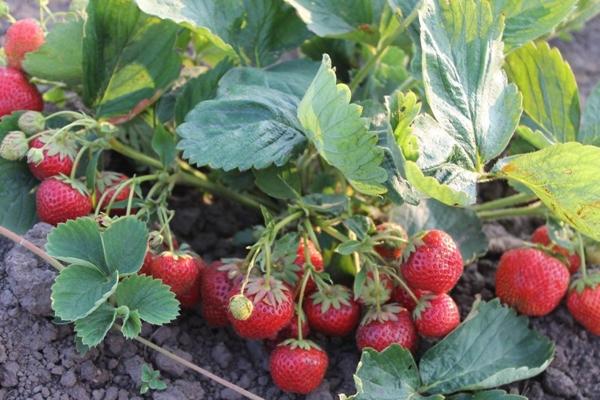
Kiss Nellis is a vigorous plant with dense bushes measuring 50 centimeters in diameter.
The leaves are trifoliate and petiolate, with stipules present. The leaf blade is wide, ovate, and light green. It has a ribbed, matte finish with serrated edges.
Flowering and pollination
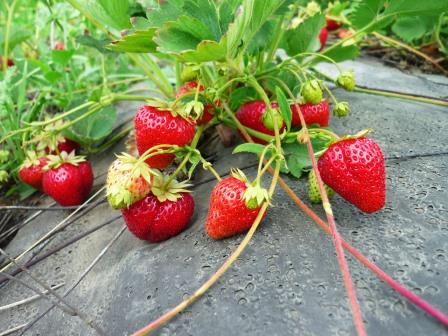
Kiss Nellis is a self-pollinating variety with bisexual white flowers borne in multi-flowered clusters of up to 10. The flower stalks are robust (6-7), up to 1 centimeter in diameter, and are covered by leaves. The weight of the large berries causes them to collapse to the ground. The flowering period of strawberries depends on climate conditions, the onset of spring, and air temperature rises to 15-23°C. WITH.
In the southern regions, flowering occurs at the beginning of May, in the Ural regions – at the end of May.
Ripening time and yield
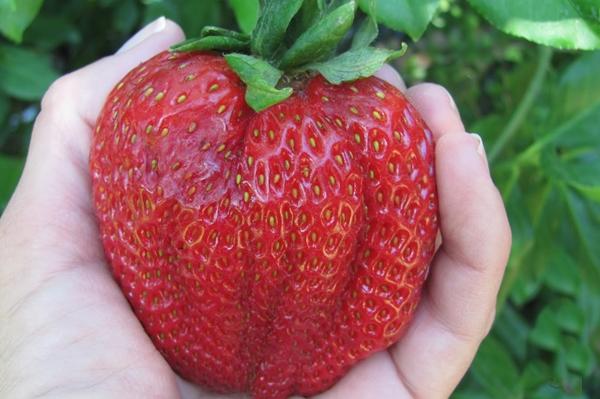
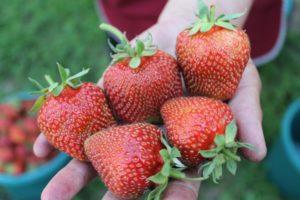
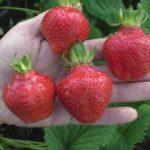
The variety's yield and ripening time are highly dependent on agricultural practices and climate conditions. Kiss Nellis produces 1.0-1.5 kilograms of berries per bush. The first berries can weigh 100 grams or more, with the bulk of the berries weighing 40-60 grams.
Take a look Also

In warm climates, the harvest is in June. In cooler regions, mass ripening occurs in July.
Taste qualities of the fruit and its further sale
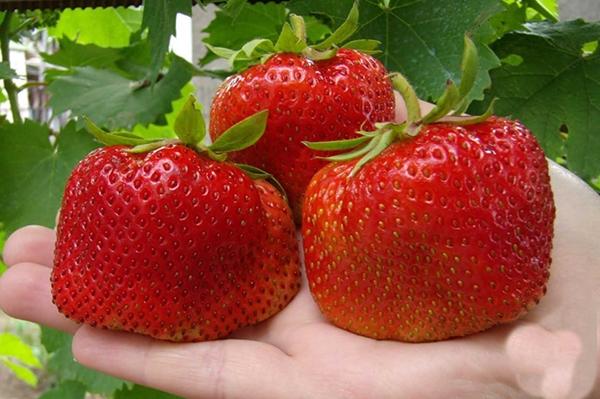
Description and characteristics of berries:
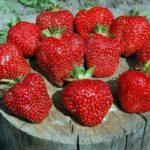
- truncated conical shape;
- excellent taste, high sugar content;
- rich strawberry aroma;
- dense juicy pulp.
The berries are popular among gardeners who enjoy eating them fresh, making jam, preserves, compotes, juices, marmalades, and freezing them.
Strawberries have commercial qualities and are popular in private and retail trade.
Winter hardiness and drought resistance
The variety requires high moisture levels. In arid climates without proper irrigation, the berries gain 40-50 grams, but the yield remains consistently high.
Plants overwinter without shelter in warm or moderate climates, withstanding frosts down to -25 WITH.
Immunity and susceptibility to diseases and parasites
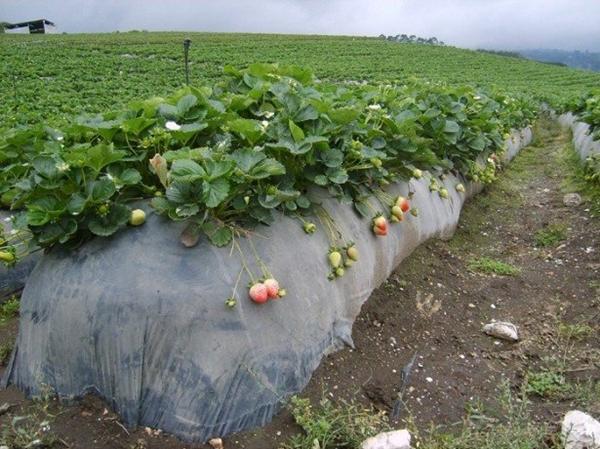
The Kiss Nellis strawberry variety has strong immunity to gray mold, spotting, powdery mildew, and root diseases. In humid climates or rainy summers, it's important to protect the beds from excess water to prevent plant diseases.
To protect berries from nematodes, ants, snails, slugs, and centipedes, mulch the soil or plant seedlings on top of agrofibre.
Treatment against mites and weevils is carried out during the formation of buds.
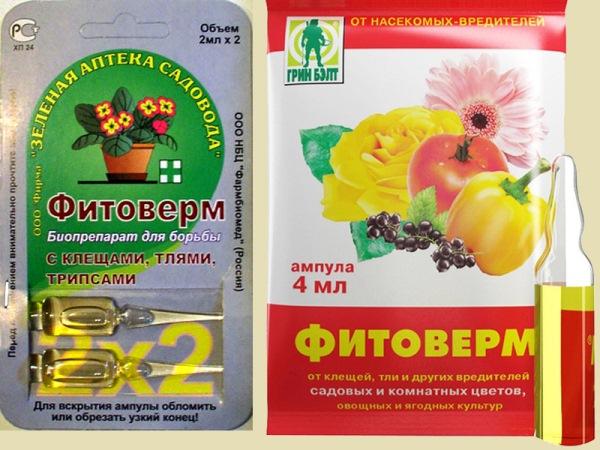
To combat pests, the following preparations are used: Iskra, Fitoverm, Metaldehyde.
How to plant Kiss Nellis
Proper agricultural practices, proper care, selection of healthy seedlings, and preventative maintenance are essential for obtaining a bountiful berry harvest. Despite the variety's excellent characteristics, it's essential to adhere to the rules and specifics of berry cultivation.
Site selection and preparation
Berry beds should be planted in flat or slightly sloping areas. They should be well-lit and protected from the wind.
Preceding crops are early varieties of vegetables and herbs, which allows for timely preparation of the soil for planting seedlings.
The area is plowed to a depth of 30 centimeters, and organic fertilizer is added at a rate of 4 buckets per 1 square meter.
Selecting seedlings
It's best to purchase strawberries from fruit nurseries or specialty stores. Well-formed seedlings have 3-4 developed leaves with no signs of disease and a root system 7-10 centimeters long.
Timing and technology of planting bushes
The optimal time for planting strawberries is July-August. Seedlings planted during this period root well and survive the winter, producing their first harvest of berries the following summer.
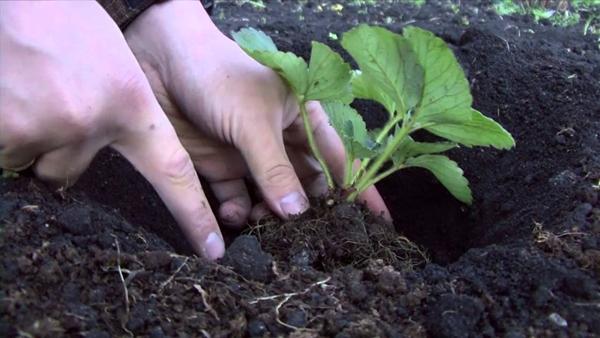
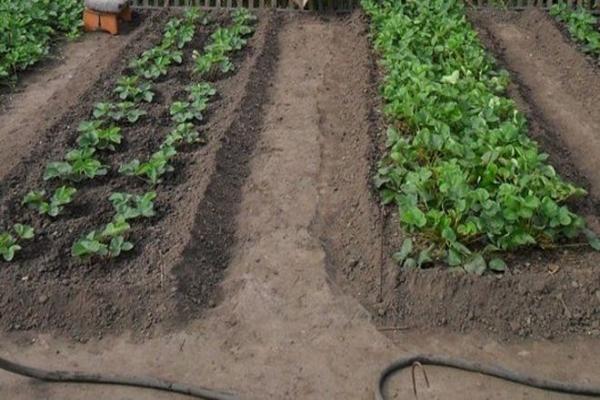
The beds are formed to a depth of a spade blade, with passages 20 centimeters wide. The holes are spaced 60-70 centimeters apart in a staggered pattern to ensure adequate ventilation for the plants.
Add a teaspoon of ash and organomineral fertilizer to each hole. fertilizer for strawberries (2 granules), water, plant seedlings without burying the stem bud (heart).
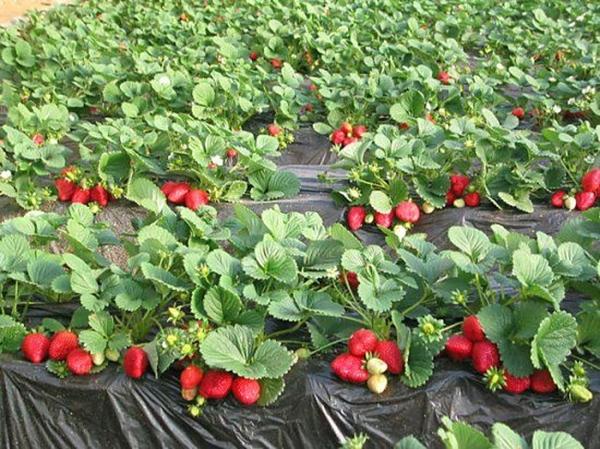
Planting bushes on top of agrofibre makes strawberry care easier and protects the berries from pests.
Organization of competent care
Garden strawberries require constant care throughout the growing season. Insufficient watering and fertilization, untimely pest and disease control, and failure to perform seasonal maintenance can lead to reduced yields and possible plant death.
Watering mode
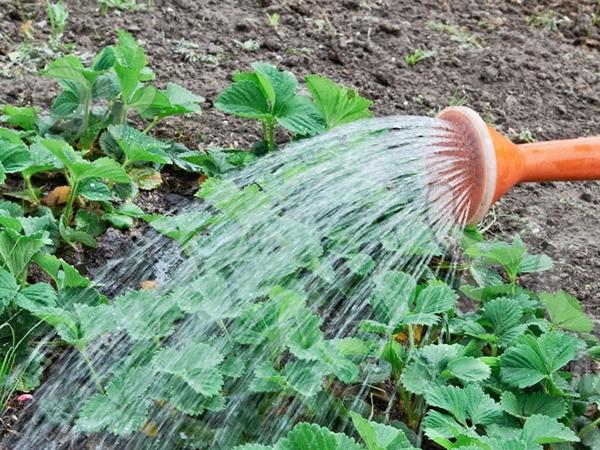
The Kiss Nellis variety requires regular watering, as lack of moisture leads to a decrease in the size of the berries.
If the spring was dry, water generously during the formation of flower stalks and before flowering. Water the bushes while the berries are setting, making sure not to allow the soil to dry out.
In October, winter watering is carried out.
Top dressing
In spring, plants are fed with nitrogen fertilizers, and the soil is mulched with humus, which helps supply strawberries with nitrogen, potassium, phosphorus, and microelements.
After harvesting, potassium and phosphorus fertilizers are applied.
Weeding and loosening the soil
Weeding berry beds is carried out as weeds grow – this is a preventative measure against diseases and protection against pests.
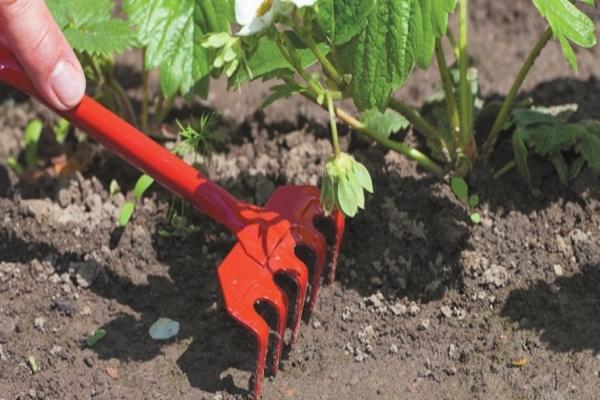
Loosening is done in the spring and after harvesting, before applying fertilizer. Strawberries have a shallow root system. To avoid damaging the soil, cultivate it shallowly.
Mulching
Mulching berry bushes is a necessary procedure that nourishes plants, loosens the soil, protects against pests and diseases, maintains soil moisture, and protects the root system from drying out in the summer and freezing in the winter.
The following are used as mulch:
- humus;
- rotted manure;
- compost;
- peat;
- chopped grass.
Mulching is carried out in the spring after applying fertilizer and in the fall before the onset of cold weather.
Shelter for the winter
After the onset of frost, shields or other devices are installed in the area with berry bushes to retain snow, protecting the plants from freezing.
In cold regions, the beds are first covered with protective material, bags filled with sawdust, or other insulating materials.
Preventive treatments against diseases and pests
To prevent diseases and pests on plants older than two years, mow and burn the leaves immediately after harvesting.
In spring and after harvesting berries, spray with a 1% solution of Bordeaux mixture and Topaz.
Before flowering, use the drug Fitoverm.

Methods of growing garden strawberries
There are 3 ways to grow strawberries (garden strawberries) on your own: growing seedlings from seeds, dividing an adult bush, and propagation from runners (rosettes).
Seeds
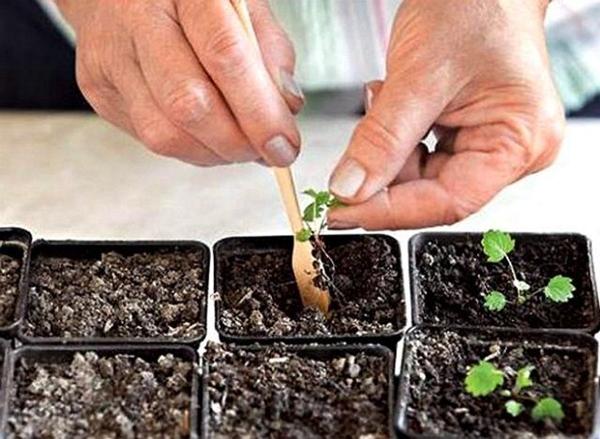
Propagating from seeds is the most painstaking and demanding method of growing seedlings. In early February, the seeds are refrigerated for a week. Then, they are placed in peat pellets, placed in a tray of water, covered with glass, and stored in a warm place. It is important to air the seeds daily.
Special cassettes are also used. The seeds germinate slowly (up to a month). The sprouted seedlings are placed in a warm, well-lit area. If the seedlings become stretched, add peat soil and provide artificial lighting. The seedlings are planted outdoors in a prepared location, shaded during hot weather.
By dividing the bush
A mature berry bush has well-formed young shoots that are easily separated and used for propagation. These are planted in July-August or in the fall in beds fertilized with organic fertilizer. Afterward, the seedlings are mulched and watered generously, and covered for the winter.
Sockets
Kiss Nellis produces vigorous runners with large rosettes. These are rooted in plastic cups filled with nutrient-rich soil or directly into the soil. The rosettes, rooted in the garden bed, are pricked out at the end of July and planted in a prepared spot. After this, they are watered, shaded, and rooted.
At the end of summer, seedlings with a developed root system, picked and planted from cups in a permanent location.
Gardeners' reviews of the variety
Katerina Gulya, Moscow region, Nadezhdino village.
"Frost resistance. The plants overwintered without cover and produced a good berry harvest."
Nastya Kozlova, Bashkiria, Ishimbay.
"Large berries. Good harvest. The first berries weighed 40-80 grams. The variety was brought from Belarus."
Related posts:
 Description of the Florence strawberry variety, planting and care features
 How to grow strawberries at home
 Description of the Holiday strawberry variety, cultivation and propagation methods
 Description and characteristics of the Vima Zanta strawberry variety, planting and care scheme
 Description and characteristics of the Festivalnaya strawberry variety, planting and care
 Description and characteristics of the Zenga Zengana strawberry variety, planting and care
 Description of the Fleur strawberry variety, cultivation and care tips
 Description and how to plant the Garland strawberry variety