
The San Marzano tomato is a non-hybrid, natural tomato variety. The term "non-hybrid" is reserved for tomatoes bred more than half a century ago by seed companies. The variety originated almost 100 years ago in Italy at the beginning of the 20th century. It remains popular with many gardeners worldwide. Online reviews claim the tomato's taste is significantly superior to that of hybrid varieties.
What is a San Marzano tomato?
Tomatoes of this variety are very sweet, not tough, and rich in vitamins and microelements. The seeds are easy to transplant the following year. This can be done by both experienced gardeners and novices. The seeds germinate easily and produce an excellent harvest.
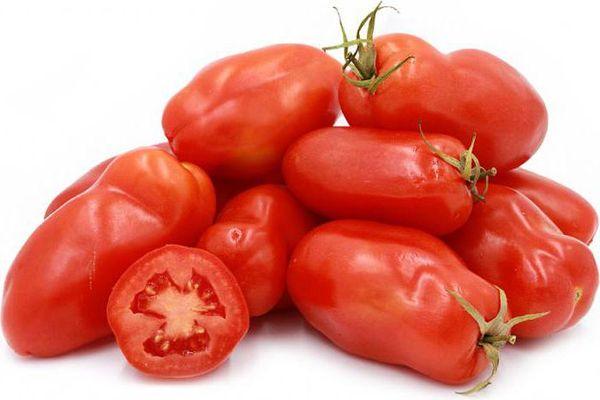
Characteristics and description of the variety:
- the tomato belongs to the mid-season varieties: you can get a harvest just 100 days after germination (many gardeners pick their first tomatoes at the end of July);
- the plant actively bears fruit until autumn;
- the variety is planted both in open ground and in greenhouses;
- Tomato is not susceptible to common diseases such as verticillium wilt and fusarium;
- The plant is indeterminate: the height of the bush reaches 1.5 m, and in a greenhouse it can stretch to almost 2 m; it is formed from several stems.
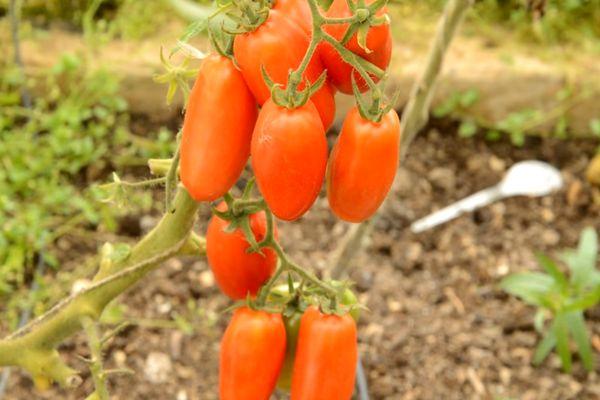
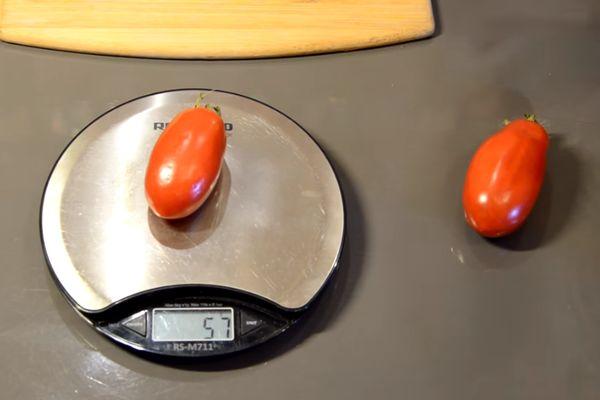
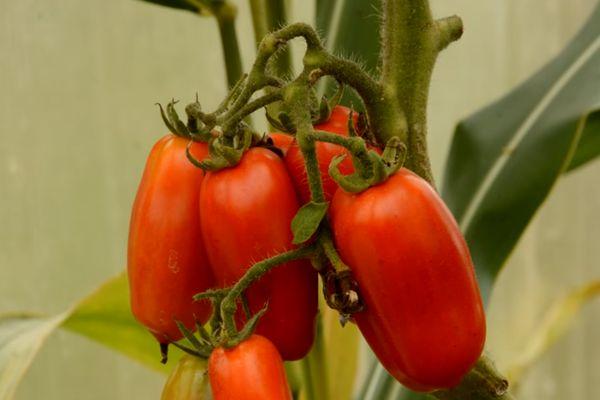
The fruits have earned positive reviews from homeowners. The tomatoes have a smooth, elongated shape (longo). The color is a rich red. The fruits usually grow in clusters on the branches. All tomatoes on a single plant are approximately the same size. The average weight is 110-150 g. The flesh is dense, meaty, sweet with a pleasant tartness. There are few seeds and cavities.
Consumers are unanimous in their opinions of San Marzano tomatoes. Gardeners insist that these tomatoes have a rich, classic flavor that only intensifies when used in various dishes.

The plant has a number of characteristic features that make the variety so popular:
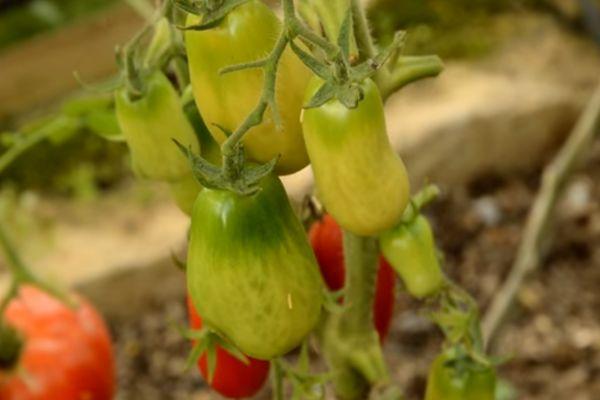
- Excellent yield. With proper care, San Marzano tomato plants are literally covered in vibrant fruits. They should be picked when unripe. They store well indoors. Approximately 5-8 kg of tomatoes can be harvested per square meter.
- San Marzano is ideal for making tomato sauce for pasta and pizza. This is because the fruit's skin peels easily.
- The plants are genetically resistant to adverse weather conditions. They tolerate temperature fluctuations and are unaffected by cool weather.
- The fruits are rich in a large number of useful substances, including vitamins B, A, K, E, beneficial acids, iron, magnesium, iodine, etc.
- Tomatoes have a long shelf life, retaining their nutritional value, flavor, and excellent appearance.
- They tolerate long-distance transportation well, which is why they are grown on an industrial scale.
How are tomatoes grown?
Despite all its advantages, tomatoes require careful care. Growing seedlings begins with preparing high-quality soil. This typically includes wood ash, humus, and compost. Experienced gardeners recommend adding loam. The prepared soil should be steamed to disinfect it.
It's best to plant the seeds in late February or early March. Germinate at a temperature of 25°C (77°F). Water the seedlings as needed. Once the first leaves appear in the container, the seedlings can be transplanted.
Planting in open ground or a greenhouse takes place in May. The soil at the planting sites is prepared in the fall and fertilized generously.
As soon as the plant begins to form, gardeners remove weak shoots, leaving a few strong stems. These will become the foundation for a healthy bush. Side shoots are removed continuously throughout the season.
 Tomatoes love warm water. Water regularly. The soil around the base of the plant should be loosened. Fertilize the tomatoes with mineral fertilizers several times during the summer.
Because of its tall stem, gardeners tie the bush to a sturdy support. The first ovaries form in June. The tomatoes ripen in late July. Fruiting continues for a month. Experienced gardeners pick unripe fruits, giving the plant a chance to bloom again.
San Marzano tomatoes have two other varieties: San Marzano 2 and San Marzano Nano. These varieties are similar but have their own distinctive characteristics.

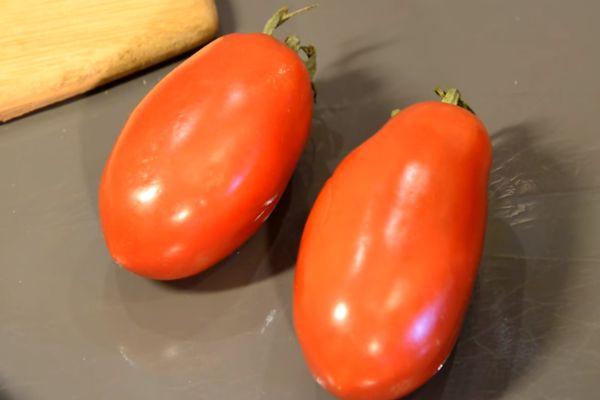
San Marzano 2 tomatoes are an early variety. Fruit appears 80 days after the first shoots emerge. The fruits form in clusters. Up to 10 tomatoes can grow on a single branch. Gardeners report that the yield can be extremely large. Fruits weigh 100 grams each.
San Marzano Nano is also an early variety. 80 days is enough for the plant to grow and develop. San Marzano Nano tomatoes are low-growing, reaching just over half a meter in height.
Unaffected by temperature fluctuations, it produces an excellent harvest even in cool summers.
A high-yielding variety. Fruit weight is 80-10 g.
Related posts:
 Description and characteristics of the San Andreas strawberry variety, planting and care
 Description of the best varieties of black tomatoes for open ground and greenhouses
 Description of the Chio-chio san tomato variety, cultivation and care features
 Description and characteristics of the best indeterminate tomato varieties for greenhouses
 80 Best Eggplant Varieties for Different Regions with Descriptions and Characteristics
 The best grape varieties for growing in the Urals, planting and care rules in summer
 What varieties of tomatoes are best to plant in a polycarbonate greenhouse?
 Description and characteristics of the 60 best sea buckthorn varieties, how to choose depending on the region