
- History of selection and regions of cultivation
- Advantages and disadvantages of the Lambada strawberry
- Varietal features and characteristics
- Bush size and appearance of the leaf blade
- Flowering and pollination
- Ripening time and yield
- Taste qualities of the fruit and its further sale
- Winter hardiness and drought resistance
- Susceptibility to diseases and parasites
- Landing
- Site selection and preparation
- Selecting seedlings
- Timing and technology of planting seedlings
- The correct proximity of vegetable and fruit crops
- How to care
- Watering mode
- Top dressing
- Weeding and loosening the soil
- Mulching
- Shelter for the winter
- Preventive treatments against diseases and pests
- Methods of reproduction
- Seeds
- By dividing the bush
- Sockets
- Gardeners' reviews of the variety
The Lambada strawberry variety boasts early fruiting, juicy flesh, large fruit, and resistance to most strawberry diseases. These qualities have made it popular among many gardeners. The berries are primarily used for commercial purposes, and their dense structure allows them to withstand not only dense planting but also transportation.
History of selection and regions of cultivation
The Netherlands is officially considered the birthplace of this strawberry variety. The berry was bred back in 1982 and quickly gained popularity among gardeners. It is resistant to low temperatures and frost, making it suitable for growing in all regions where temperatures do not drop below -30°C.
Advantages and disadvantages of the Lambada strawberry
The Lambada strawberry variety has its pros and cons. The variety is characterized by the following positive traits:
- increased resistance to cold temperatures and frost;
- universal use of the plant's fruits;
- resistance to most diseases that affect strawberries;
- abundant fruiting even in conditions of strong plant density;
- ease of care;
- long fruiting period;
- large size of berries;
- decent taste qualities of fruits.
The disadvantages of this variety only appear in certain situations:
- rotting occurs when there is excessive moisture in the plant's soil;
- poor tolerance to dry weather and lack of moisture (this can cause diseases and death of the plant);
- susceptibility to damage by various pests.
Varietal features and characteristics
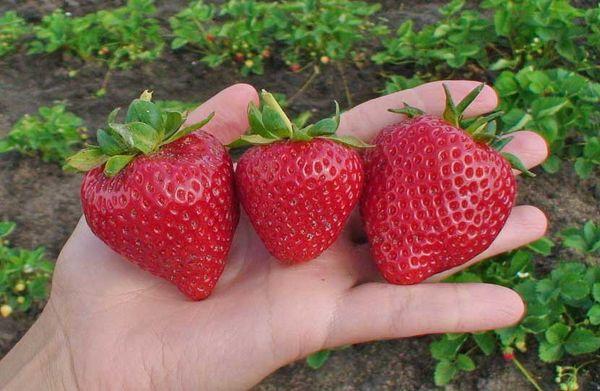
The Lambada strawberry is an early variety with a number of distinctive features, making it a favorite among gardeners. This crop is self-pollinating and doesn't require the addition of other strawberry varieties. This plant is known for its abundant fruit production and large fruits, which can reach 40 grams. The bushes and root system grow quickly and are capable of producing large quantities of berries, even in densely populated areas.
The fruits are quite firm and can withstand transportation and storage. Another reason Lambada is so popular is its resistance to climate change and most diseases. This allows the variety to bear fruit vigorously in virtually any temperature conditions.
Bush size and appearance of the leaf blade
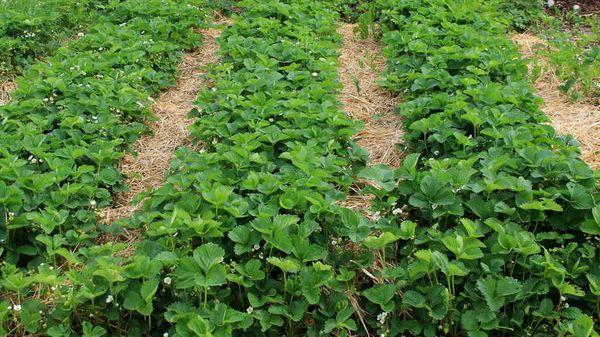
The Lambada variety grows large, spreading bushes. Although this strawberry is easy to grow, it thrives in warm conditions. The plant can reach a height of about 20-30 centimeters. The leaves are dense, bright green, teardrop-shaped, and large, despite being few in number. The leaflet surface is marked with raised lines.
Flowering and pollination
Under favorable conditions and warm enough weather, flowering begins in the first half of May and ends only in autumn, with the onset of the first frosts. The flowers are white, and a single stem can bear more than 10 inflorescences.
Lambada strawberries do not require additional varieties for pollination, as the plant has bisexual flowers.
Ripening time and yield
Fruit ripening begins in May, and the berries reach full maturity within 3-4 weeks. This variety produces a high yield, with up to 2 kilograms of fruit per bush in a single season. Each berry averages 20 grams, but can reach 40-50 grams. Planting the bushes too densely does not affect the number or size of the fruit during ripening. A single inflorescence can produce approximately 4-5 berries.
Taste qualities of the fruit and its further sale
Experts rate the taste of Lambada berries at 4.8 out of 5. The berries are very sweet, have firm flesh, and a distinctive tart flavor. The fruits are large, have a rich red color, and a persistent aroma.

After ripening, the berries are used for making confectionery, baking, selling and eating raw.
Winter hardiness and drought resistance
The variety has increased resistance to low temperature conditions and constant climate changes.
Without prior insulation, the plant can tolerate temperatures down to -30°C. Its drought tolerance is similar to that of most strawberry varieties. The plants also do not tolerate dry climates or low soil moisture. The consequences may include disease or death of the plant.
Susceptibility to diseases and parasites
The Lambada variety is resistant to most diseases that occur in strawberries, but the crop is susceptible to powdery mildew.
When the fruits ripen, the plant may be affected by parasites:
- thrips;
- May beetle;
- slug;
- aphid;
- spider mite;
- mole cricket;
- leaf beetle.
Landing
In order for strawberries to grow quickly and produce a large quantity of berries, it is necessary to plant them correctly and then care for the plant.
Planting the crop is easy, since the Lambada variety is unpretentious.
Site selection and preparation
This strawberry variety thrives in sites with ample sunlight and shade. A spot in partial shade is ideal. It should be grown in level areas with a groundwater level of approximately 40-50 centimeters to ensure consistent soil moisture.
Before planting, it is necessary to make holes 30 centimeters deep with a distance of 40-50 centimeters between holes.
Also, the soil should be pre-fertilized with special complex substances and loosened.
Selecting seedlings
When choosing seedlings, you should purchase sprouts that have no visible damage:
- spots;
- darkening at the base of the plant;
- dried leaves;
- withered branches.
Before purchasing, pay attention to the soil condition: it should be moderately moist. If the soil is dry, consider purchasing other seedlings.
Timing and technology of planting seedlings
Lambada strawberries should be planted in late autumn to ensure the first shoots emerge in the spring. Before planting, prepare the soil, dig it over, remove any debris from previous plants, and fertilize the soil.
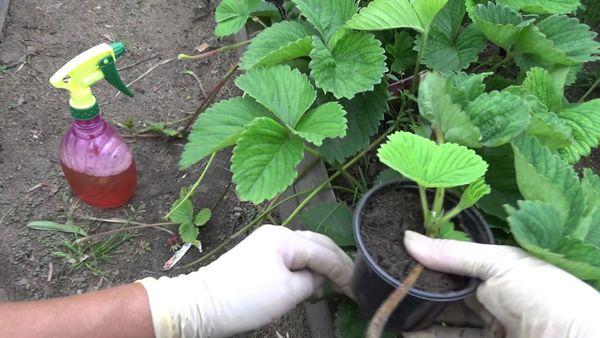
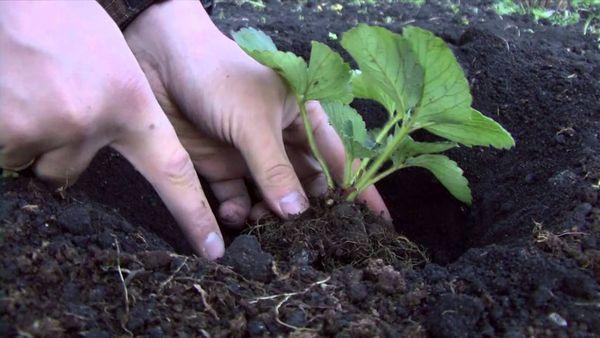
After making holes in the soil, place the seedlings in them, spread out the root system, and begin backfilling the hole, compacting it as you go. The planted plant should be watered generously and, if frost sets in, insulated to help it survive the cold snap and prevent disease.
The correct proximity of vegetable and fruit crops
Plants that require little nutrients from the soil should be planted near this variety. Otherwise, it may negatively impact the crop's growth and development. Other strawberry varieties can also be planted at a distance of approximately 30-40 centimeters.
It's best to plant the plant from seeds between early January and February, but this method is only suitable for seedlings. If grown outdoors, there's a high risk of the plant dying or growing weak.
How to care
Proper care is essential during the growth of any plant. This will determine the plant's growth rate, quantity, and quality of fruit production. Lambada is an easy-to-grow variety and requires minimal care. The main aspects are watering and fertilizing.
Watering mode
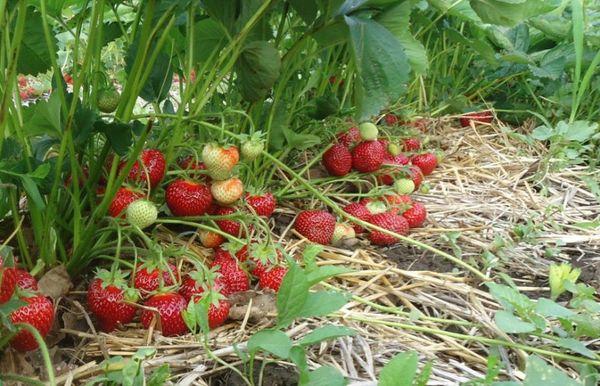
Watering should be based on soil conditions, ensuring that the soil is not too dry or marshy. During periods of precipitation, watering is not necessary, but in dry climates, the area should be watered twice. Before flowering, it is recommended to water the plant by rain, applying it to the leaves and stems to nourish them (especially during severe drought). After flowering, watering should be done only on the soil to prevent the plant from developing various fungal infections.
Top dressing
For additional feeding, it's best to use mineral fertilizers or a solution of bird droppings. This procedure should be performed four times a year:
- in the first part of spring;
- before flowering;
- during the weaning period;
- before insulating for the winter.
Weeding and loosening the soil
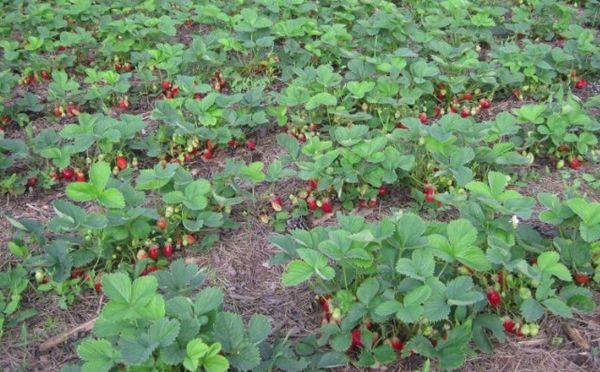
Weeding is only necessary if other plants and weeds appear near the crop. Loosening should be done after watering; this will help the water reach the root system more quickly and also saturate the soil with oxygen.
Mulching
Mulching should be done within a 20-30 cm radius around the strawberry bush before the onset of winter or frost. For this purpose, you can use:
- fallen leaves;
- wood sawdust;
- straw;
- inorganic materials.
Shelter for the winter
This variety can tolerate cold climate conditions without additional shelter, provided the temperature does not fall below -30 °C.
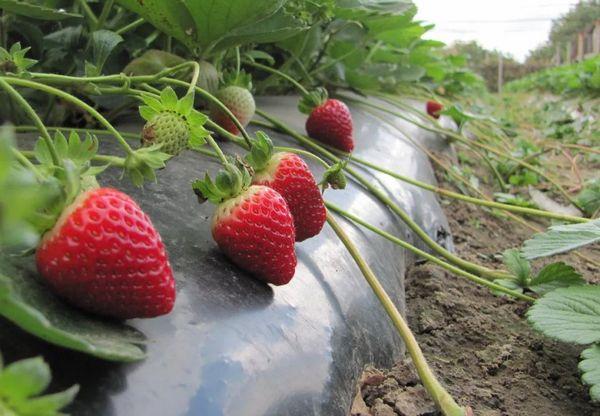
To cover plants for the winter you can use:
- inorganic materials;
- insulation materials.
Preventive treatments against diseases and pests
Lambada strawberries are highly susceptible to powdery mildew. To prevent this, treat with Zircon. If the crop begins to show signs of mildew after flowering, mow it down and remove it to prevent it from infecting neighboring plants.
To combat pests, treat the beds with a mixture of copper sulfate and laundry soap. For a more effective solution, you can add colloidal sulfur or baking soda.
Methods of reproduction
This crop is propagated by seeds, runners and division of the bush, the most common method being rosettes.
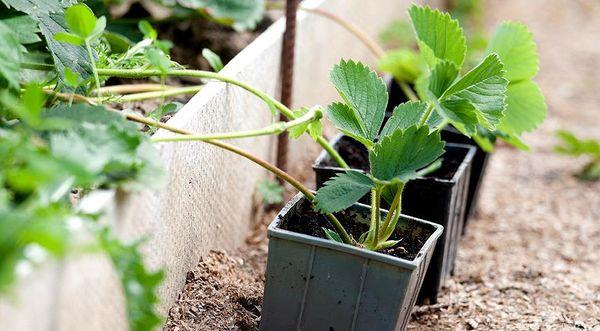
Seeds
Planting from seeds is only suitable for growing strawberries for seedlings in the fall, followed by preparation for spring planting. The only drawback of this method is the risk of disease due to changing conditions.
By dividing the bush
The least popular method is dividing the plant, as the plant may not take root. This method also transfers diseases from the main plant to the seedling.
Sockets
This is the most popular method due to the large number of runners this variety produces. More than five seedlings can be produced from a single plant.
Gardeners' reviews of the variety
Olga, 32 years old, Novosibirsk
"I have this variety growing in my garden. I can't think of any drawbacks; it tolerates cold well, starts bearing fruit early, and produces a large harvest. I've harvested over a kilogram from a single bush in a single season."
Nikolay, 41 years old, Rostov-on-Don
"This strawberry variety is perfect for those who don't want to worry about it. It's easy to care for, but regular watering is key, as Lambada doesn't tolerate drought."
Related posts:
 Description of the Florence strawberry variety, planting and care features
 Description and characteristics of the Vima Zanta strawberry variety, planting and care scheme
 Description of the Holiday strawberry variety, cultivation and propagation methods
 How to grow strawberries at home
 Description and how to plant the Garland strawberry variety
 Description of the everbearing strawberry variety Selva and cultivation technology
 Description and characteristics of the Korona strawberry variety, planting and care scheme
 Description of the Elvira strawberry variety, cultivation and care