
- Chemical composition and caloric content of fruits
- What are the benefits of this berry?
- For men
- For women
- For children
- Can pregnant women eat strawberries?
- Health benefits for the body
- For the immune system
- For the musculoskeletal system
- For the cardiovascular and endocrine systems
- For the urinary system
- For digestion
- For the sensory system
- For the nervous system
- Reduces inflammation
- In what form is it recommended to consume?
- Choosing a quality product
- Contraindications and harm
- Duration and storage rules
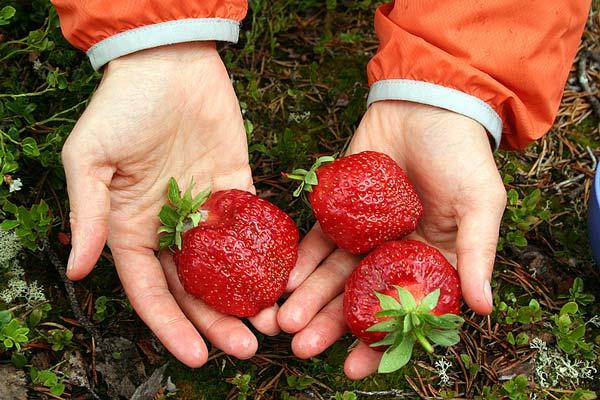
At the end of May, bright red berries begin to bloom in summer cottages and country plots, and children pick and eat them straight from the garden. Adults can't resist the taste of garden strawberries, but while enjoying the fresh fruit, people rarely consider the health benefits of strawberries. Eating berries improves digestion, and helps remove toxins and waste products from the body.
Chemical composition and caloric content of fruits
Garden strawberries, which ripen earlier than fruits and vegetables, are rich in organic acids, including Omega-3 and 6. Ripe berries contain a variety of vitamins:
- Thiamine eliminates fatigue, slows down cell aging, and preserves memory.
- Riboflavin controls sugar levels, participates in fat metabolism, and improves the condition of skin and hair.
- Tocopherol acts as an antioxidant, stimulates metabolism, and removes toxins.
- Folic acid is involved in the creation of cells and in the process of DNA replication.
- Vitamin A protects the body from infection, strengthens the immune system, and accelerates collagen synthesis.
Although 100 grams of fresh berries contain only 32 calories, they contain potassium and phosphorus, calcium and magnesium. Micronutrients include fluorine and iron, manganese and selenium.
The amino acids present in strawberries improve mood, normalize sleep, strengthen bones, reduce blood sugar levels, and promote fat burning.
What are the benefits of this berry?
Regular consumption of fresh strawberries normalizes blood pressure and improves liver, stomach, and thyroid function. The berries prevent the formation of lipid plaques that clog blood vessels and strengthen bones. During the cold and flu season, garden strawberries protect the body from bacteria and viruses and boost the immune system. The beneficial properties of strawberries have been praised by both doctors and cosmetologists; the fruit's pulp whitens the skin and removes blemishes.

For men
Berries, rich in vitamins and organic acids, prevent impotence and prostatitis, which affects men of all ages. The rich composition of strawberries helps:
- increase sexual activity;
- improve performance;
- eliminate erectile function.
The benefits of berries are manifested in various processes occurring in the body.Regular consumption of garden strawberries prevents tissue cell degeneration, reduces the risk of cancer, and activates the conversion of monosaccharides into energy.
For women
Strawberry juice has antibacterial properties, combating staph infections. Eating the berries makes your skin velvety and elastic. A decoction of the fruit cleanses the intestines, and a tea made from the leaves relieves menstrual pain and restores menstrual rhythms. Strawberries are included in diets that help with weight loss and cellulite.
For children
Pediatricians recommend introducing garden strawberries into a baby's diet starting at one year of age, unless they are allergic to the berries. The fruits strengthen the immune system, help fight viruses, improve digestion, relieve constipation, and provide the growing body with:
- minerals;
- pectin;
- amino acids.
A baby should not be given more than 3 berries; for a two-year-old child, strawberries are used to make marshmallows, soufflés, and are whipped with cottage cheese.
Can pregnant women eat strawberries?
During the first trimester, the organs are formed and the systems of the future baby are developed. For a pregnant woman, vitamin-rich berries help strengthen her immune system. Even if strawberries don't cause an allergy, you should limit their consumption during the second half of pregnancy.
Health benefits for the body
The medicinal properties of strawberries include increased stress resistance and a reduced risk of cancer. These aromatic berries are rich in antioxidants, which protect the body from the damaging effects of free radicals.
For the immune system
Ellagic acid, found in strawberries, slows down cell degeneration. Vitamin C increases interferon levels, significantly strengthens the immune system, protects the body from viruses and bacteria, and promotes health restoration.
For the musculoskeletal system
The flavonoid quercetin relieves muscle pain and stimulates the removal of toxic substances from tissues. Strawberries prevent the development of inflammatory joint damage.

For the cardiovascular and endocrine systems
The minerals that fresh berries are rich in enhance protein synthesis, which reduces cholesterol levels.
Garden strawberries normalize blood pressure, improve heart function, and prevent the formation of lipid plaques that narrow blood vessels.
The berry speeds up metabolism, prevents an increase in blood sugar levels, and is therefore useful for diabetics.
For the urinary system
Strawberries stimulate kidney function by promoting the elimination of toxins from the body. The berry eliminates swelling, prevents fluid accumulation, and has a diuretic effect.
For digestion
Eating strawberries restores appetite, speeds up metabolism and fat burning, normalizes intestinal microflora, and reduces the risk of dysbiosis.
For the sensory system
Ascorbic acid and vitamin A, found in aromatic strawberries, have a beneficial effect on vision. Zinc improves lens nutrition. Selenium relieves eye fatigue and normalizes color perception.
For the nervous system
Thanks to the presence of ascorbic acid, B vitamins, and magnesium, strawberries protect the body from stress, relieve emotional tension and irritability, calm the nerves, and restore lost sleep.
Reduces inflammation
Garden strawberry juice diluted with water is used as a gargle for sore throats, stomatitis, and gum disease. It has an antimicrobial effect, reduces inflammation, and relieves pain.

In what form is it recommended to consume?
Fresh berries contain the most beneficial components, but strawberries can be stored for two days and retain their juices. Dried garden strawberries are recommended for people suffering from anemia, hypotension, and thyroid disorders. Frozen strawberries retain their healing properties. For the winter, strawberries are ground with sugar.Strawberry juice is also used to make jam, which is used to treat colds.
Choosing a quality product
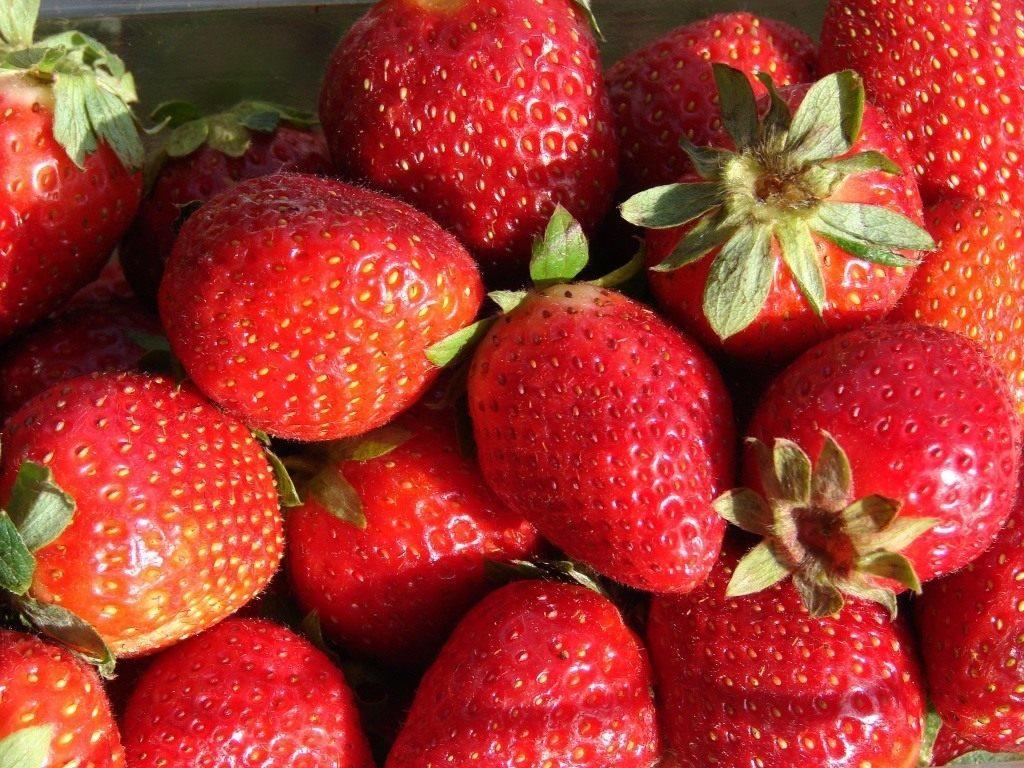
Ripe strawberries are bright red. A darker shade indicates that fruits are beginning to spoil, contain nitrates, and should not be frozen or eaten in large quantities. Fresh strawberries will have green stems; if they're wilted, they were picked a long time ago. Ripe berries have seeds slightly embedded in the flesh. Imported strawberries are also worth trying, but for preserves, it's best to buy strawberries grown locally, not in Turkey or China.
Take a look Also

Contraindications and harm
Berries contain many different components, which is why strawberries can cause rashes, itching, and skin irritation in people prone to allergies. Sweet and sour fruits should be avoided during acute gastritis or stomach or duodenal ulcers. Rotten strawberries can cause food poisoning. Early strawberries should be consumed with caution. To speed up ripening and ensure a bountiful harvest, unscrupulous farmers use dangerous chemicals.
Duration and storage rules
Ripe berries spoil very quickly and will keep for a day or two at room temperature. If you store unwashed strawberries in plastic or glass containers, they'll keep in the refrigerator for 3, maximum 4 days. Frozen strawberries can be used for up to a year, while berries pureed with sugar can last for up to 6 months.
Related posts:
 Timing of strawberry planting in the middle zone in autumn, description of 25 best varieties
 Description and cultivation of the Elizabeth strawberry variety, planting and care
 Description of 36 of the best sweet and large varieties of gooseberries
 Description of the Pineberry strawberry variety, cultivation and care
 6 best ways to preserve strawberries for the winter without cooking
 The best varieties and cultivation of everbearing strawberries, fertilizing and propagation
 Description of the Diamond strawberry variety, planting and care instructions
 Description of the Ruyana strawberry variety, planting and care instructions