
- Characteristics and botanical description of the variety
- History of selection and growing region
- Bush size
- Flowers and berries
- Elizabeth II's yield
- Transportability of fruits
- Frost resistance and plant immunity
- Pros and cons of remontant varieties
- Methods of reproduction
- Seeds
- With a mustache
- By dividing the bush
- Landing
- Site selection and preparation
- Timing and technology of planting bushes
- How to care for garden strawberries
- Irrigation
- Fertilization
- Transfer
- Weed removal
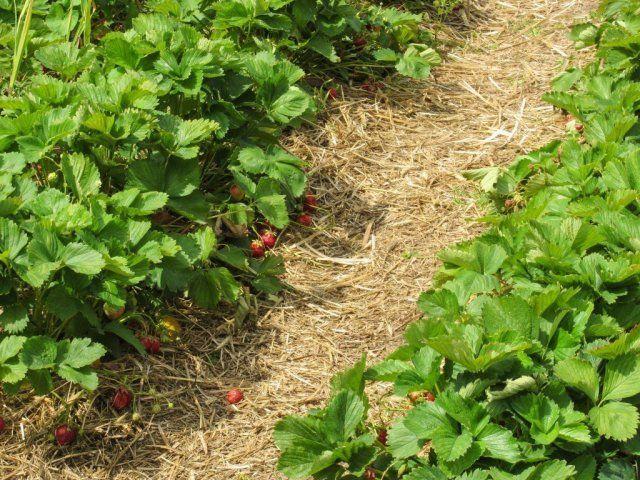
- Loosening and mulching the soil
- Diseases and pests: methods of control and prevention
- Mistakes when growing
- Gardeners' reviews of the variety
Strawberries are beloved by gardeners for their flavor, aroma, and ease of cultivation. New varieties of garden strawberries are introduced every year. But true strawberry connoisseurs prefer to plant the Elizaveta strawberry, which yields twice a year. Below, we'll discuss the pros and cons of this everbearing variety, propagation methods, planting, care, and growing mistakes.
Characteristics and botanical description of the variety
Queen Elizabeth strawberries are everbearing. The first berries are harvested in late May or early June. The second wave of fruiting begins in August and September.
History of selection and growing region
Most experts believe that the Queen Elizabeth variety was developed by English breeder Ken Muir. In 2001, the strawberry was tested at a nursery in the Rostov region. There, the variety was improved and given the name Elizabeth 2. Strawberries can be grown in any region, but in the northern climate zone, they are grown in greenhouses using seedlings.
Bush size
Strawberries form vigorous, robust, semi-spreading bushes. Emerging leaf blades are initially light green, but as they grow, they change to a bright green. The leaves are smooth and glossy to the touch. Their edges are serrated.
Flowers and berries
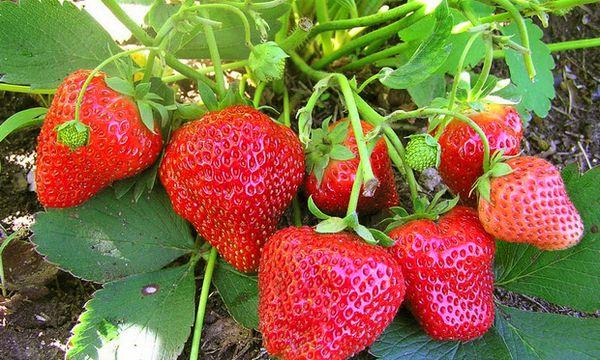
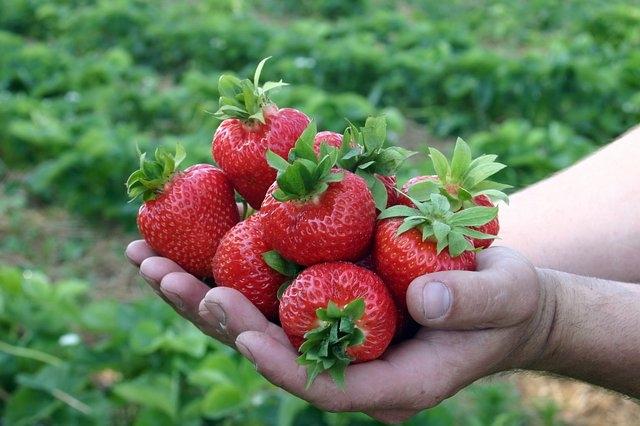
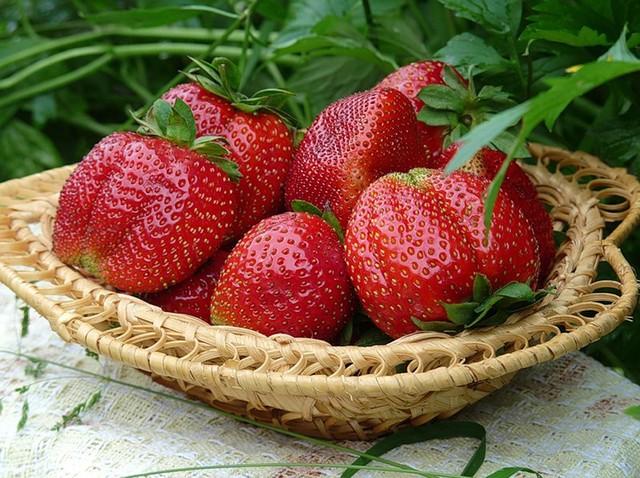
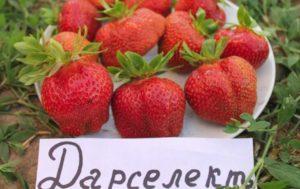
The variety produces tall flower stalks that rise above the leaves. The flowers are large and white. The berries are glossy, red, cone-shaped, and have a bumpy surface. They taste juicy and sweet, with a light honey aroma.
Elizabeth II's yield
The weight of a single berry ranges from 40-80 grams. In late spring and early summer, a gardener harvests 500-700 grams of ripe, delicious strawberries per bush. With repeated fruiting in the summer and fall, the yield increases, reaching 1.5-2 kilograms.
Transportability of fruits
The Elizaveta strawberry's dense flesh makes it highly marketable and shelf-stable. It can withstand long-distance transportation. Garden strawberries are used not only fresh but also for drying, freezing, and canning.
Frost resistance and plant immunity
The Elizaveta strawberry tolerates frosts down to -23°C. If the bushes are covered for the winter, it will withstand even higher subzero temperatures. This variety is rarely susceptible to diseases and pest infestations. This usually occurs due to improper care.
Pros and cons of remontant varieties
The positive aspects of the Elizabeth strawberry are as follows:
- ripens early;
- capable of bearing fruit for a long time;
- the berries are tasty and aromatic;
- the variety is frost-resistant;
- the fruits are easy to transport;
- The strawberries have a beautiful commercial appearance.

There are significantly fewer disadvantages, and they mainly depend on weather conditions. For example, heavy rainfall can cause the berries to become watery. Strawberries produce less fruit in hot weather.
Methods of reproduction
Garden strawberries are propagated in three ways: by seed, runners, and division. However, experts say that varietal traits may not be passed on when propagated by seed. On the plus side, this opens up the opportunity for gardeners to become breeders and develop a new variety of Elizaveta.
Seeds
If supplemental lighting is available for young plants, sowing begins in late January. If supplemental lighting is unavailable, sow the seeds in late February or early March. The procedure is as follows:
- a drainage layer of expanded clay or small stones is placed on the bottom of the planting box;
- then light, fertile soil awakens;
- the seeds are evenly distributed over the surface of the substrate and lightly pressed in;
- The box is covered with glass or film.
Open the container daily for ventilation. Wipe off any condensation with a dry cloth to prevent the risk of pathogenic microorganisms from developing. The first shoots appear within two weeks.
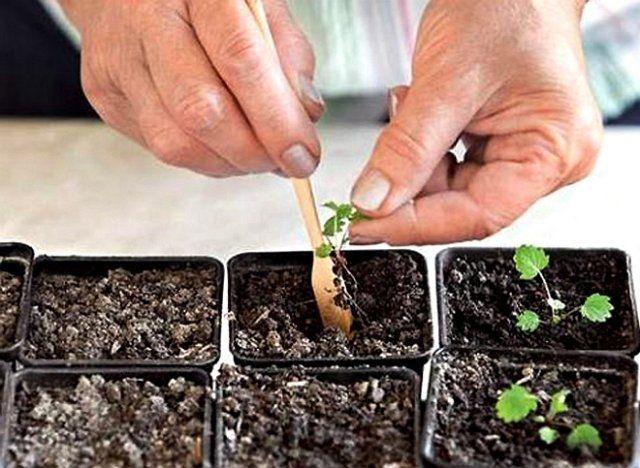
When the seedlings develop a pair of true leaves, they are pricked out. Young bushes are transplanted into individual containers, preferably peat ones. Before planting strawberries outdoors, harden them off by exposing them to fresh air.
Important! The strawberry root collar should be at ground level. Planting the rosette too deep or too high is equally harmful.
With a mustache
As strawberries develop, they produce shoots with small rosettes at the ends. The longer the shoots, the smaller the bushes become. The first and second order shoots are the most viable, so they are left in place, while the rest are immediately removed. They should also be avoided because they weaken the mother plant, resulting in significantly reduced yields.
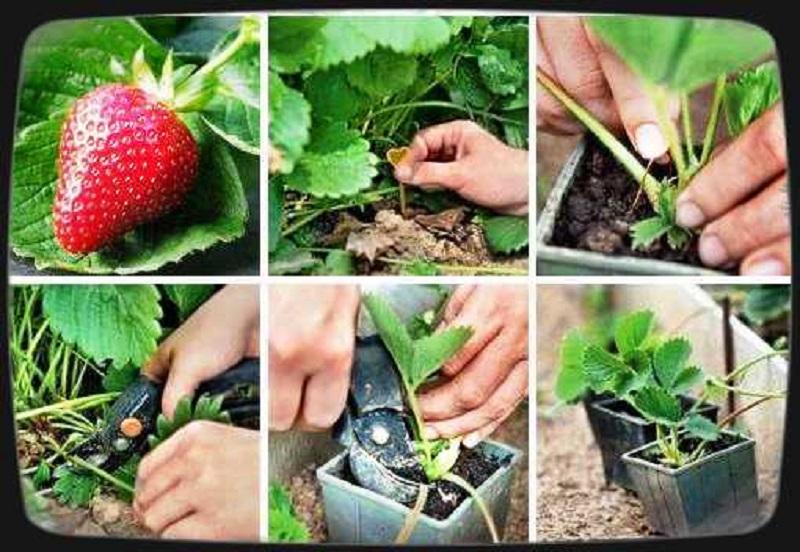
The runners left for propagation are cared for in the same way as mature plants. They are watered, the soil around them is loosened, and weeds are removed. By autumn, full-grown plants have emerged, which are dug up and transplanted to their permanent location.
By dividing the bush
The older the Elizabeth strawberry plant gets, the less fruit it produces. Therefore, every 2-3 years, it's dug up, divided, and replanted in beds. The procedure for propagating garden strawberries by division is as follows:
- the plants are dug up, shaken off, and dry leaves are removed from them;
- the bushes are carefully divided so that each division contains roots and a rosette;
- Strawberries are planted at a distance of 25-30 centimeters, the width between rows is 65-70 centimeters.
Garden strawberries are propagated by dividing the bush in spring or late summer-early autumn.
Landing
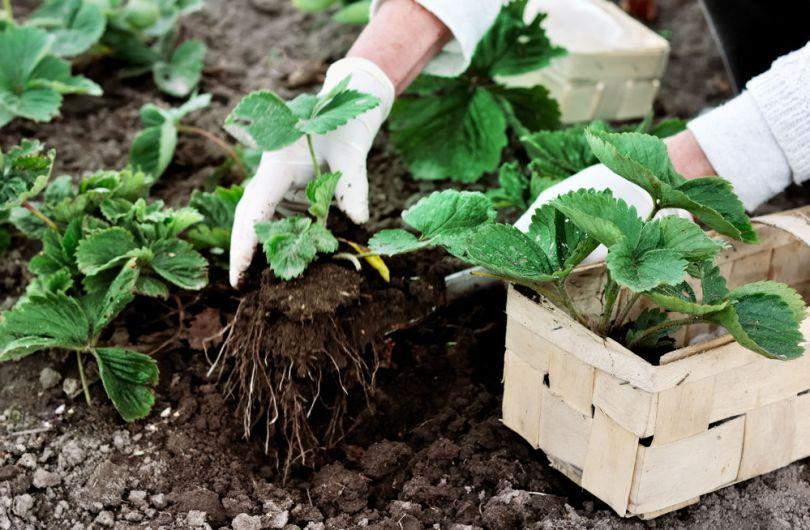
For planting, select healthy seedlings with leaves free of spots, blemishes, or dents. It's preferable to plant bushes grown in peat pots. They are planted together with the container, which gradually decomposes in the soil and serves as additional fertilizer.
Site selection and preparation
A sunny area with a low water table is selected for strawberry planting. To ensure uniform daylight, the bed is oriented east to west. The site is prepared in the fall, or at least a month before spring strawberry planting. The soil is tilled and amended at a rate of 7-8 kilograms per square meter.
Timing and technology of planting bushes
Garden strawberries are planted outdoors in the spring, after the danger of frost has passed. If gardeners missed the spring planting, they can do so in late August or early September. The Elizaveta strawberry plant produces vigorous bushes, so space them 25-30 centimeters apart. Planting is as follows:
- holes are dug at least 10 centimeters deep;
- the strawberry root system is spread out to the sides and planted in a hole strictly in the center;
- The bushes are covered with soil and watered.
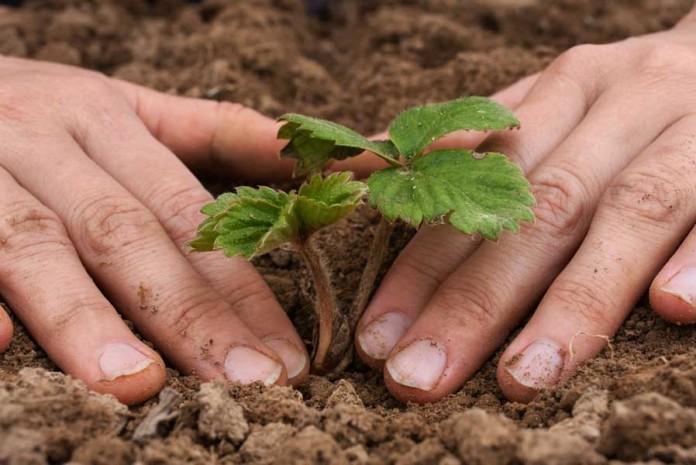
To retain moisture, strawberries can be mulched with peat.
How to care for garden strawberries
Throughout the season, the bushes require care, including watering, fertilizing, weeding, loosening, and mulching the soil. Once established, the bushes are transplanted to a separate bed.
Irrigation
Strawberries love moisture, but don't overwater. During rainy summers, precipitation is sufficient. In dry weather, water the bushes with warm, settled water. Water the roots, otherwise, excess moisture can cause fungal diseases on the leaves.
Fertilization
In the spring, nitrogen-rich fertilizer is applied to each bush. It's essential for the growth of foliage. The next feeding is done before flowering with a potassium-phosphorus mixture. After fruiting, to ensure the strawberries survive the winter, they are fed with potassium.

Transfer
Overgrown bushes produce less fruit, so they are divided and replanted every 2-3 years. This is done in spring, late summer, or early fall. At this time, the runners are also transplanted, which by fall will have formed into strong plants. Only healthy, disease-free plants are replanted.
Weed removal
Throughout the summer, weeds are removed, as they deprive plants of light and nutrients. Furthermore, they can carry harmful insects. Weeding between rows is done with garden tools, while grass growing close to the bushes is pulled out by hand.
Loosening and mulching the soil
To ensure adequate air circulation to the root system, the soil around the bushes is loosened after each watering or rainfall. This procedure is carried out carefully to avoid damaging the roots located close to the soil surface. To conserve moisture, the bushes are covered with peat mulch.
Diseases and pests: methods of control and prevention
The Elizaveta variety is resistant to typical diseases. Bushes can become infected with fungus due to heavy rainfall or frequent overhead watering. At the first signs of disease, plants are sprayed with Fitosporin. The same product is also used to prevent the development of pathogens.

Advice! When using antifungal medications, protect exposed skin areas.
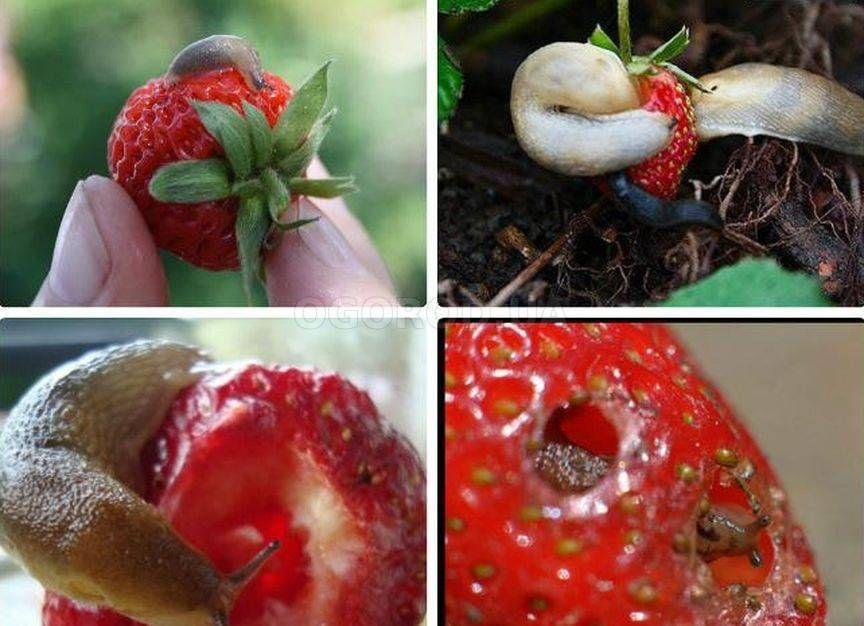
Elizabeth can be susceptible to pests, including weevils. Chemicals are not recommended during the strawberry season, as the bushes become covered in tobacco dust. Weeds can also carry harmful insects, so remove them as they grow.
Mistakes when growing
When growing strawberries, novice gardeners make mistakes that cause the plant to become diseased, produce fewer fruits, and sometimes even die. The most common mistakes include:
- The bushes are planted in a bed with plenty of leaves. Two to three leaf blades should be left, otherwise less moisture and nutrients reach the roots.
- Long roots should not be trimmed. When planting, they should not be longer than 10 centimeters, otherwise the plant will spend all its energy trying to establish its root system.
- The bushes are not mulched. Over time, the root system rises above the ground level, which impairs plant growth. Strawberries are mulched with peat or compost.
- Garden strawberries don't need to be transplanted. The bush grows new shoots around itself, which reduces the feeding area. Every 2-3 years, strawberries are transplanted to new beds.

In addition, you need to ensure that the seedlings you purchase are healthy and free of any signs of disease.
Gardeners' reviews of the variety
According to gardeners, the Elizaveta strawberry lives up to its stated characteristics, producing large berries and bearing fruit twice a year.
Natalia, 44 years old, Obninsk
I purchased this variety two years ago in the spring. By autumn, I had already harvested my first crop. The berries were few, but large. The following spring, I harvested the crop at the end of May. Overall, I'm happy with my Queen Elizabeth.
Olga Petrovna, 55 years old, Minsk
I bought five Elizaveta bushes, and they all thrived. I spent the summer tending to the runners, and in the fall, I transplanted them into the garden. Now I have a whole plantation of delicious, aromatic berries. I've been enjoying them all summer.
Oleg Ivanovich, 43 years old, Mariupol
I've been growing Elizaveta for many years. I get about 700 grams of berries from a single bush. The largest ones are the first ones, and the smaller ones grow next. I don't feed the bushes, but perhaps if I fertilize the strawberries, the fruiting will be more abundant.
Related posts:
 Description and characteristics of the Elizabeth potato variety, planting and care instructions
 The best varieties and cultivation of everbearing strawberries, fertilizing and propagation
 Timing of strawberry planting in the middle zone in autumn, description of 25 best varieties
 Description of the Cardinal strawberry variety, planting and cultivation
 The best eggplant varieties for growing in a polycarbonate greenhouse: planting and care
 How to grow strawberries in Siberia outdoors: the best varieties and care
 Description of the Fireworks strawberry variety, planting and care
 How to grow strawberries at home