
- History of selection and regions of cultivation of the Arosa strawberry
- Pros and cons of culture
- Varietal characteristics of berry plants
- Bush size and appearance of the leaf blade
- Flowering and pollination
- Ripening time and yield
- Taste qualities of the fruit and its further sale
- Winter hardiness and drought resistance
- Immunity and susceptibility to diseases and parasites
- Preparatory work before planting
- Soil requirements
- Site selection and preparation
- Selecting seedlings
- Timing and technology of planting operations
- Technique of germination from seeds
- Sowing time
- Sowing in peat tablets
- Sowing into the soil
- Picking seedlings
- Why don't the seeds germinate?
- Features of growing in pots
- What kind of care does Arosa require?
- Watering mode
- Top dressing
- Weeding and loosening the soil
- Mulching
- Shelter for the winter
- How and when to replant
- Preventive treatments against diseases and pests
- Methods of reproduction
- Seeds
- By dividing the bush
- Sockets
- Gardeners' reviews of the variety
The Arosa strawberry variety is a relatively new crop considered quite promising. It is generating considerable interest among modern gardeners. For 10 years, the plant has been successfully cultivated in Europe and holds a leading position among mid-season varieties. Its distinctive features include excellent marketability, high productivity, and pleasant flavor.
History of selection and regions of cultivation of the Arosa strawberry
The Arosa variety, also known as Arosa, was developed by scientists at the Consortium of Italian Nurseries as part of the CIV breeding program. The variety was created by crossing the common Marmalade and Chandler varieties.
Arosa is suitable for cultivation in continental climates. It can be planted in central and southern Russia. The variety is also suitable for cultivation throughout almost all of Belarus and Ukraine.
The crop grows well in greenhouses and hothouses. It can be grown hydroponically or in peat bags.
Pros and cons of culture
The variety has a large number of advantages:
- no threat of crop loss;
- early maturity;
- excellent productivity;
- possibility of growing in beds and pots;
- transportability;
- resistance to diseases and pests.
The disadvantages of the culture include the following:
- the need for constant watering - in drought conditions the taste of the plant deteriorates;
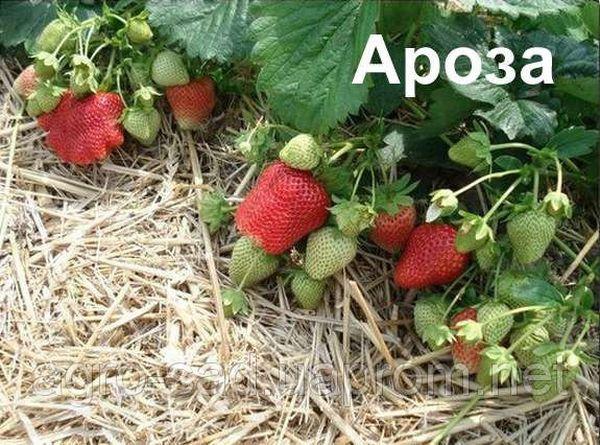
- uneven ripening of berries.

Varietal characteristics of berry plants
This plant has certain characteristics, which are essential to be aware of before growing.
Bush size and appearance of the leaf blade
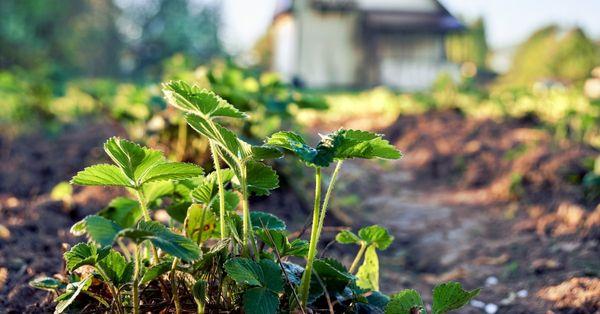
This strawberry variety's bushes are small and have spreading foliage. The leaf blades are light green and slightly wrinkled. The leaf margins and petioles are fuzzed. This cultivar grows rapidly.
Flowering and pollination
The flower stalks are located above the leaf level. The plant is characterized by large flowers. The calyx has a corolla. The flowers are bisexual, so the plant is self-fertile and does not require additional pollination.
Ripening time and yield
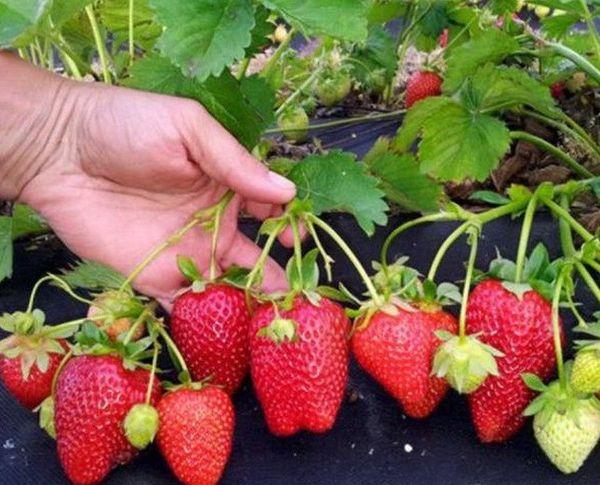
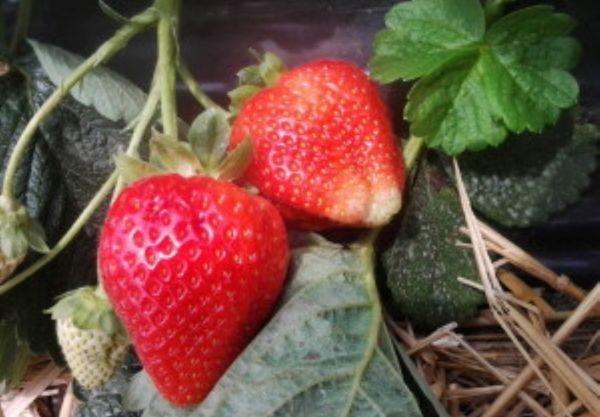
The fruits are orange-red in color and have a glossy surface. Each berry weighs 30 grams. The bushes begin bearing fruit in mid-June, although the fruits ripen slowly. The yield is 220 centners per hectare.

Taste qualities of the fruit and its further sale
The fruits are distinguished by their excellent taste. They are moderately sweet and have a subtle winey note. The berries are characterized by a juicy and firm consistency. They are eaten fresh or used in desserts and preserves.
Winter hardiness and drought resistance
Although this variety is of Italian origin, it can easily withstand Russian winters. In the southern regions, strawberries can grow without cover. In the north, an insulating layer is recommended.
The variety is resistant to drought. However, moisture deficiency negatively impacts the quality of the fruit. They become smaller and lose their juiciness and sweetness.
Immunity and susceptibility to diseases and parasites
Strawberries are resistant to diseases, including gray rot and root rot. They rarely suffer from insect attacks.

Preparatory work before planting
To achieve good results in growing crops, it is important to carry out planting work correctly.
Soil requirements
Sandy or loamy soil is ideal for strawberries. It's best to choose soil with neutral or slightly acidic pH. If the pH is too high, lime the soil before planting.
Site selection and preparation
To grow the crop, choose an open, sunny location. A south-facing location is ideal. Planting the crop at elevated sites is also acceptable. Avoid placing the plant in low-lying areas.
It is important to ensure that the beds have reliable protection from the wind, since Arosa does not respond well to drafts.
The groundwater level must be at least 1 meter. Otherwise, there is a risk of soil oversaturation.
Strawberries can be planted after onions, legumes, and carrots. They can also be preceded by cereals or garlic. Avoid planting after members of the nightshade family, such as tomatoes, eggplants, and potatoes.
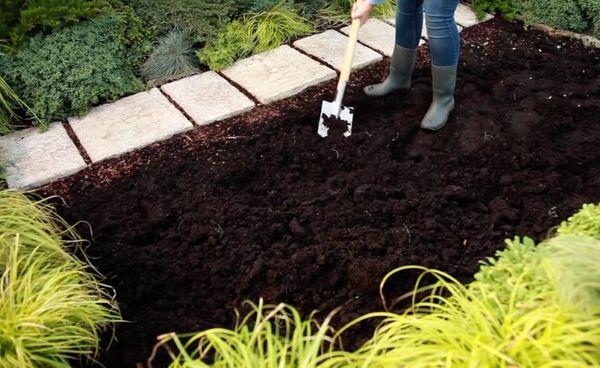
Before planting, the soil should be thoroughly tilled and nutrient-rich. A mixture of peat, humus, and mineral fertilizers works well. This should be done two weeks before planting.
Selecting seedlings
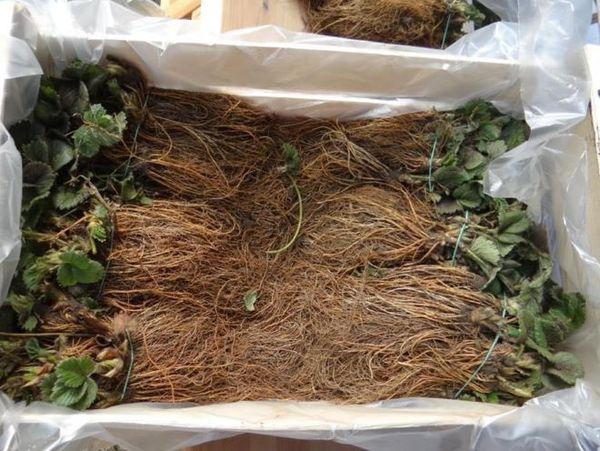
When choosing seedlings, carefully examine the bush's condition. It should have at least five leaves and developed roots. Avoid plants with spots or holes on the leaves.
After purchasing plants, they should be rooted immediately. Otherwise, they may dry out. Before planting, keep the bushes in a cool room for 1-2 days. This will help them harden off and facilitate the adaptation process to the new conditions.
Timing and technology of planting operations
Planting can be done in spring and fall. The exact timing is determined based on the regional climate. For planting, it's important to make holes in the bed. The distance between holes should be 30 centimeters. The same distance should be maintained between rows.
Before planting, the roots are dipped in a clay slurry. This helps retain moisture in the plant. It is recommended to water the holes before planting.
When planting, spread out the roots. Then, cover the seedlings with soil and water thoroughly. Top the soil with a layer of mulch. Sawdust or peat are suitable for this purpose.
Technique of germination from seeds
Strawberries can be propagated by seed. However, growing seedlings is considered a rather labor-intensive process.
Sowing time
To ensure strong seedlings, it's recommended to sow seeds in late January or early February. This will help you grow strong plants that will produce a harvest in the summer.
Sowing in peat tablets
Seedlings can be grown in peat pellets. First, soak them in warm water. As they swell, place a strawberry seed in the center and cover with plastic wrap.
Sowing into the soil
To plant the crop, use containers filled with nutritious soil. Treat the soil with a hot solution of potassium permanganate. Place the seeds on top and cover them with plastic wrap or glass. Open the cover daily to ventilate the plants.
Picking seedlings
Seedlings develop slowly. When the bushes have 3-4 leaves, they should be pricked out. This procedure should be carried out very carefully to avoid breaking the branches. After pricking out, the seedlings are moved to a bright location.
Why don't the seeds germinate?
Seeds don't always germinate. The main causes of problems include the following:
- violation of stratification rules;
- too deep embedment;
- excessive dryness or waterlogging of the soil;
- poor quality planting material.
Features of growing in pots
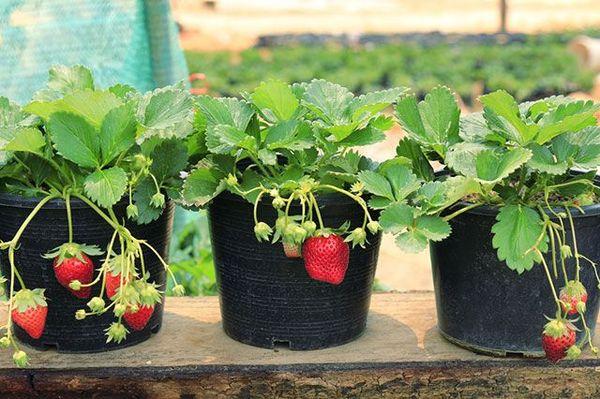
Arosa strawberries can be planted in protected soil. This means you can grow the seedlings in pots and harvest a wonderful crop indoors.
What kind of care does Arosa require?
For the culture to develop normally, it requires comprehensive and high-quality care of a comprehensive nature.
Watering mode
The plant requires regular watering. This is especially important during periods of drought. Water with warm water.
A lack of fluid negatively affects the taste and juiciness of berries. However, excess moisture is also quite harmful. When watering, consider the soil condition. Moisten the soil as the top layer dries out.
Drip irrigation is considered the ideal watering method. In small beds, this is done manually. Avoid directing too much water at the plants, as this will expose the roots.
Top dressing
Strawberries should be fed according to the standard feeding schedule. In the spring, nitrogen fertilizers are recommended, and in the fall, potassium and phosphorus-based fertilizers.
Weeding and loosening the soil
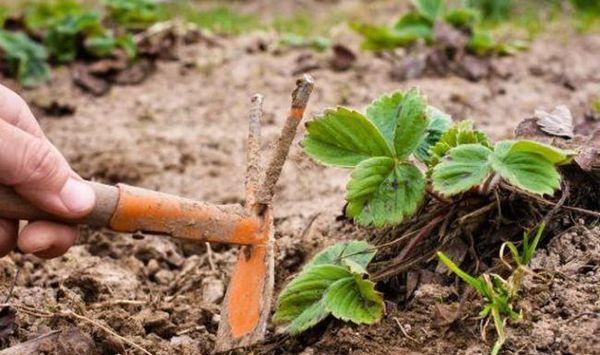
After each watering, it's recommended to loosen the soil and remove weeds. This should be done very carefully to avoid damaging the root system.
Mulching
After moistening the soil, it's recommended to cover the bed with a layer of mulch. This retains moisture in the soil structure and protects the plants from weeds. Humus or straw are good choices for mulch. Black plastic film also works well.
Shelter for the winter
Before the cold weather sets in, strawberries should be pruned, removing old leaves and excess runners. This procedure helps prepare the plant for winter and helps control pests.
If the plant's root system is exposed, cover it with soil. In colder areas, strawberries should be covered with a layer of agrofibre or sawdust mulch.
How and when to replant
Strawberries can produce fruit in one location for 3-4 years. After that, the soil becomes depleted and yields decline. Therefore, it is recommended to replant strawberries every 3-4 years and restore the previous area.
Preventive treatments against diseases and pests
To prevent crop damage from pathogens and parasites, preventative treatments with fungicides and insecticides are used. Fundazol and Horus are well suited for this purpose.
Methods of reproduction
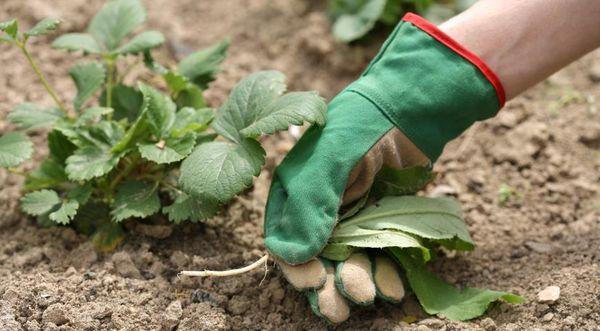
Experienced gardeners propagate strawberries using a variety of methods, each with its own unique characteristics.
Seeds
This is an acceptable procedure. However, growing seedlings is considered a very complex and labor-intensive process that requires adherence to agricultural guidelines.
By dividing the bush
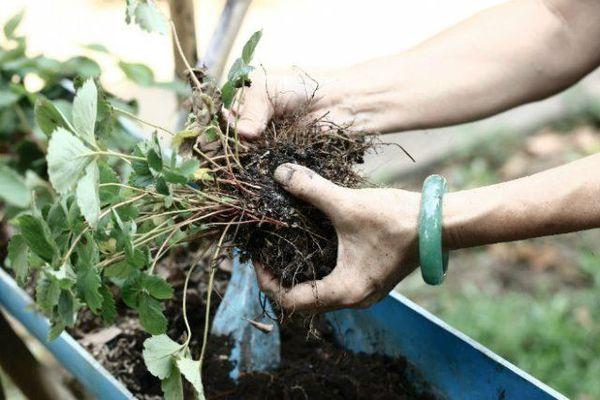
The plant is characterized by vigorous bushes that grow rapidly. Therefore, dividing the bush into several sections is considered a simple and accessible method of propagation.
Sockets
This variety doesn't produce many runners, but it does have strong rosettes. Experts recommend selecting several sturdy bushes and plucking their flower stalks. The runners will root immediately. Once strong roots emerge from the rosettes, they are cut from the main plant and moved to a new location.
Gardeners' reviews of the variety
Gardeners leave many reviews about the variety:
- Alena: "This strawberry variety is one of my favorites. It produces large, beautiful berries with a firm consistency. They're easy to transport and freeze. They retain their shape after defrosting."
- Maria: "I've been growing these strawberries for sale for several years now. They have excellent flavor and impeccable commercial qualities. The plants produce a bountiful harvest every year. They're also very easy to care for."
The Arosa strawberry is considered a popular plant with many advantages. To achieve success in growing this crop, it requires proper care. This should be comprehensive and include timely watering, fertilization, and disease and pest control.
Related posts:
 Methods for planting and propagating cherries at home
 The best grape varieties for growing in the Urals, planting and care rules in summer
 Growing and caring for hazelnuts in open ground, rules for planting hazelnuts
 Description and cultivation of the 15 best cherry plum varieties for the Moscow region, planting and care rules
 Peach tree care and agricultural secrets, pest control
 Conditions for growing mandarin at home and rules for caring for the tree
 Description and rules for growing Solaris grapes
 Rules for planting and caring for pears in open ground, how to grow them correctly