
Freezing fruits and vegetables for the winter is becoming increasingly popular every year. This isn't surprising: freezing preserves the maximum amount of vitamins, and many also retain their flavor. However, not all foods are suitable for this method. For example, many people don't know whether ripe bananas can be frozen, and if so, how.
Why do people freeze bananas?
This idea may seem strange to some, but it's not entirely true. There are various reasons why you might want to freeze bananas for the long winter. For example, not all regions sell this fruit year-round. Others simply want to have them on hand at all times without having to go to the store. But the most common reason is the fruit's short shelf life.
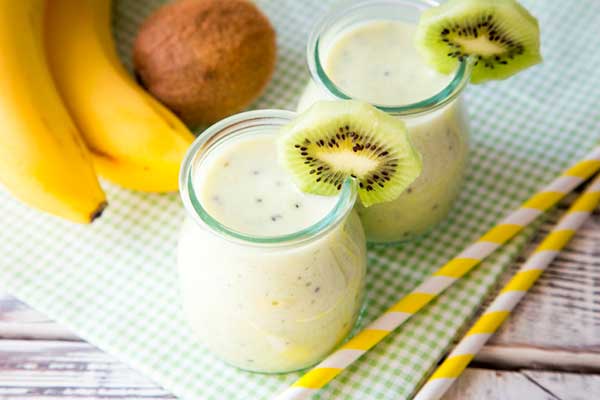
Everyone knows bananas don't last long. And if they're already ripe, they'll soon start to spoil. To avoid throwing them away, you can freeze them. Then, you can make smoothies or cocktails with them, bake pies, add them to milk or porridge, or make ice cream—there are many ways to use frozen fruit.
Selecting and preparing bananas
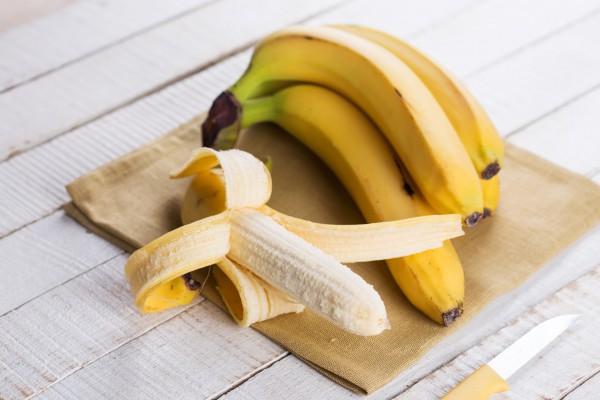
When freezing, choose ripe or even slightly overripe fruit. Green bananas are not recommended, as the purpose of freezing is to preserve their natural properties, and unripe bananas need to ripen further. If the peel has started to darken slightly, this is normal and won't affect the taste.
First, separate the bananas. It's a good idea to wash them, as we don't know how they were transported. After washing, pat them dry with a towel—this is essential if you plan to freeze the fruit in its peel. Drying is also much easier.
Take a look Also

Preparing the freezer
You don't need to do any special steps to prepare your freezer before freezing bananas. Simply do a basic cleaning, clear some space in the freezer compartment for containers or bags of fruit, and ensure the temperature doesn't rise above -18°C (-20°F). It's a good idea to keep the fruit compartment separate from the vegetables, and especially from meat or fish.
Set aside a spot to place the tray of fruit in the initial freeze for about 1.5-2 hours. It should be level so the sliced pieces don't roll or touch each other. Otherwise, they will stick together.
How to freeze bananas at home
There are various recipes for freezing these fruits at home. Which one to choose depends on the freezer space available, the intended use, and your personal preferences.
With peel
This is the easiest way to keep fruit fresh for the winter. Simply place the prepared fruit in bags and place them in the freezer. You can place all the fruit in one bag, each in an individual bag, or wrap the fruit in foil. Tip: be sure to label the packaging to ensure you eat the bananas before the expiration date.
Then simply remove the desired amount of fruit and defrost it in the refrigerator or at room temperature. The skin will darken, but this won't affect the flavor. Fruit frozen this way can be used in baked goods or added to prepared dishes, such as porridge or ice cream.
Without peel
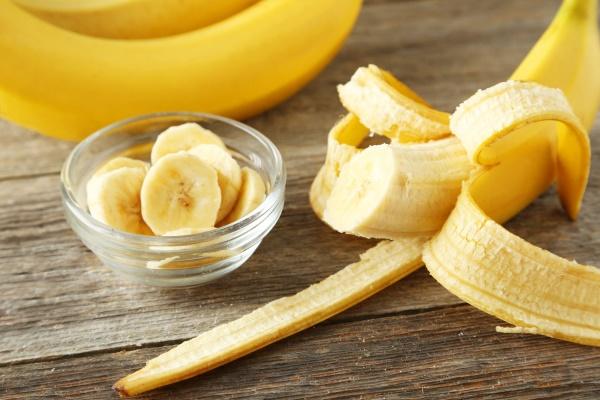
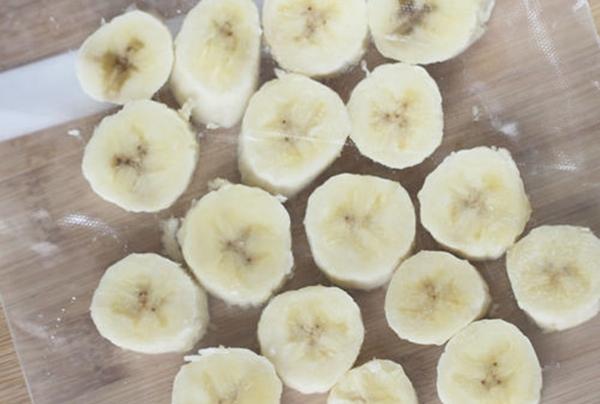
This method is slightly different from the previous one. Peeled bananas should be laid out on a tray, leaving a small gap between them. Line the tray with plastic wrap or foil first. Then, place the fruit in the freezer for about 1.5 hours. Afterward, you can place them in a storage bag. Make sure to keep as little air as possible inside. Suitable airtight containers can be used. This is how the bananas are stored for final freezing.
Banana puree
If you're short on freezer space, you can freeze bananas as a puree. You'll need a blender or food processor for this. A stand mixer will also work. If the fruit is overripe, you can mash it with a fork or potato masher. This will result in a more fluid and smooth consistency.
To extend the shelf life, add a little lemon juice (a tablespoon per glass of puree).
Pour the puree into storage containers and freeze. Ice cube trays are ideal for this. Once the puree is frozen, you can transfer the cubes to a bag, removing any air first. Bananas frozen this way are easy to add to cereals, milk, smoothies, or use for baby food.
Sliced bananas
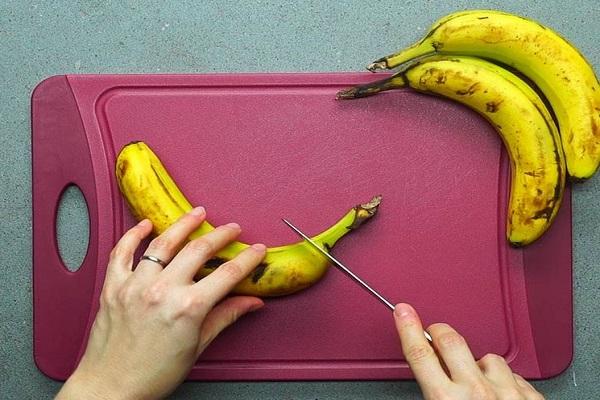
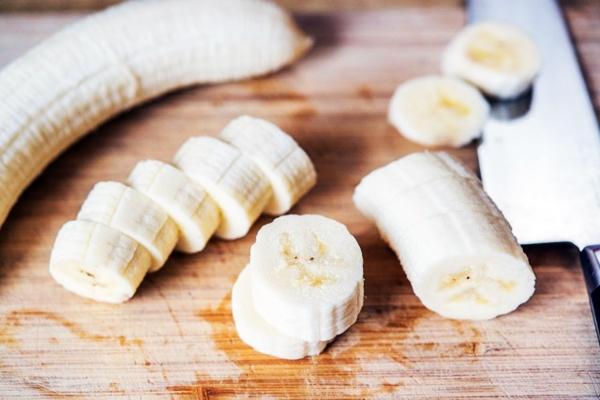
If you don't want to cut the bananas later or just have limited freezer space, you can freeze the fruit in chunks. Peel the prepared bananas and cut them into small rings up to 3 cm thick. Try to make them roughly the same size. Arrange the sliced fruit on a baking sheet or tray and pre-freeze for 1.5-2 hours.
Once frozen, place the pieces in a freezer bag or container. For convenience, you can place each banana in a separate container.
You can then use these pieces to make baked goods, cocktails, or decorate confectionery.
Banana ice cream
If you want a ready-to-eat dessert this winter, you can make ice cream. There are several different ways to make it.
Chocolate-Dipped Banana Frozen. Ingredients:
- bananas – 3 pieces;
- chocolate bar – your choice.
Preparation.
Cut the fruit in half (optional if they're small). Insert skewers or popsicle sticks into them. Melt the chocolate in a double boiler, stirring constantly. Spoon the chocolate over the fruit. Sprinkle with coconut flakes, nuts, or candied fruit of your choice. Freeze.
Chocolate Banana Ice Cream. Ingredients:
- bananas – 3 pieces;
- heavy cream – to taste;
- cocoa powder – 1 tablespoon.
Preparation.
Cut the peeled fruit into rings and freeze overnight. After 10-12 hours, remove the frozen fruit and place it in a blender. Blend until smooth. Add a little cream for a more delicate flavor. For a chocolate-infused ice cream, add cocoa powder. Divide the ice cream into bowls and garnish as desired.
How to store frozen food
Like almost all fruits and vegetables, frozen bananas are stored in special storage containers: jars, airtight containers, or bags. Regular plastic bags can also be used, but be sure to keep as little air as possible inside.
The optimal temperature for storing these fruits is 18-22 degrees Celsius. If your freezer is warmer, the shelf life will be significantly shorter. Therefore, it's advisable to have a freezer with manual temperature control.
Shelf life
Depending on the freezing method, bananas' shelf life may vary. Unpeeled bananas have the shortest shelf life, so they're best used first. The maximum time they should be consumed is two months.
Peeled, whole, or sliced bananas, as well as mashed bananas (provided that lemon juice has been added to them), can be stored a little longer – up to 3 months. Please note that these periods are valid if all storage rules are followed.
How to defrost properly
Bananas should be defrosted at room temperature. Do not microwave or heat them in a double boiler. The flesh may darken when frozen, but this won't affect the flavor. To avoid this, sprinkle the fruit with citrus juice.
Now you know for sure that bananas can be frozen, so if you have extra fruit lying around, it won't go to waste.
Related posts:
 Simple recipes for making banana jam for the winter
 6 Best Banana Jam Recipes for Winter
 Top 16 Banana Winter Preserves Recipes
 How to properly store peaches at home for the winter
 27 Best Homemade Pear Jam Recipes for the Winter
 What fruits can be frozen at home for the winter, rules and features
 TOP 20 recipes for making homemade pickled plums for the winter
 5 Best Banana Compote Recipes for Winter