
- Description of the variety
- Advantages and disadvantages
- Varieties
- Growing
- Choosing a landing site
- What should the soil be like?
- Planting dates
- Lighting
- Preparing the garden bed
- Preparing and planting seeds
- Seedling
- Care Features
- Watering
- Top dressing
- Pests and diseases
- Harvesting and storage
- Application
- In cooking
- In treatment
Every year we learn about new crops that can be grown in your own garden. Cowpea, a vegetable bean, is another welcome novelty for gardeners in southern Russia. It can surprise you with an unprecedented harvest.
Exotic beans have received many names: cowpeas, black eye, vegetable (or vegetable) meat.
Description of the variety
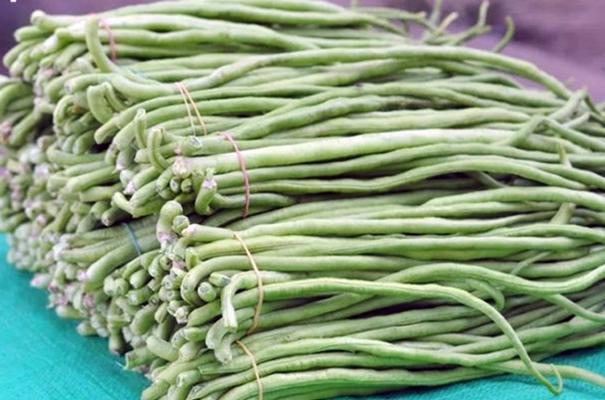
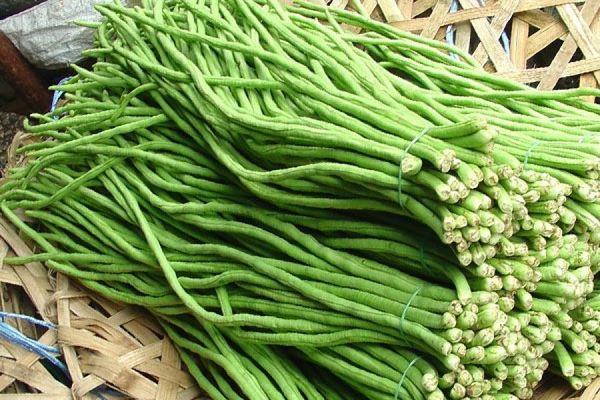
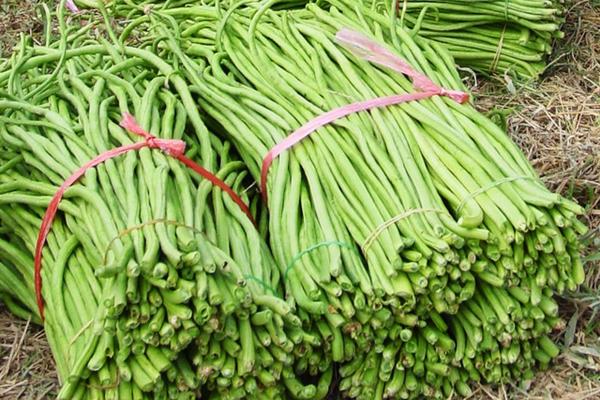
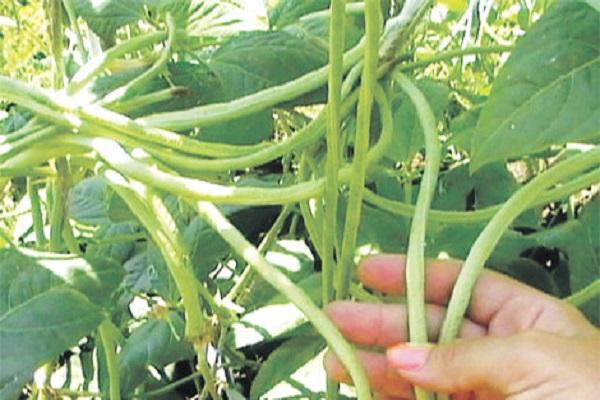
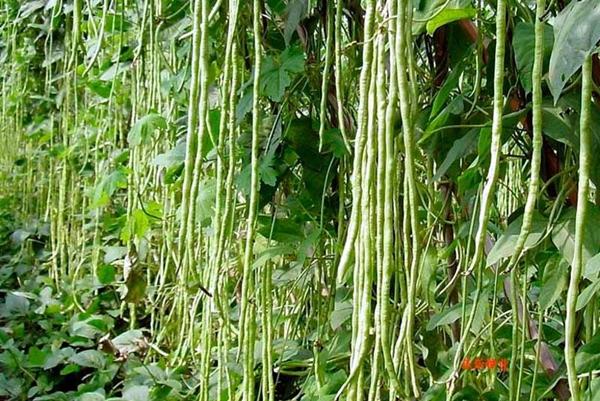
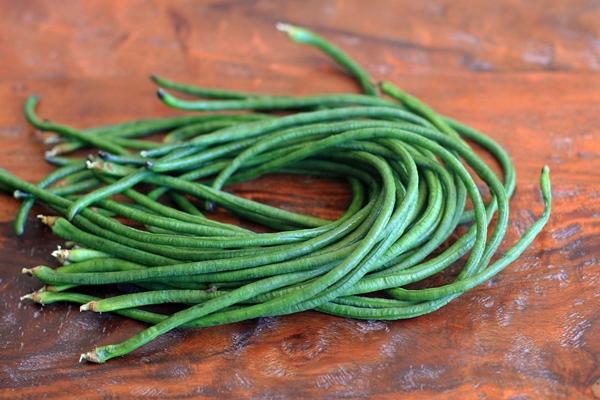
Cowpea is a distinct species of asparagus bean. It can be short or tall, even climbing. The stems can reach 3-4 meters in height, and the runners can be up to 1 meter long. This variety is highly productive, with a single bean plant yielding up to 3 kilograms of beans.
When the vine reaches its peak growth, it requires sturdy support. Cowpea has Chinese roots. The Chinese, who first developed this bean, popularized it, spreading it throughout the world.
Advantages and disadvantages
This variety is easy to maintain and highly productive. This is why many gardeners love Vigna. Its other advantages include:
- the pods are juicy and tasty;
- high nutrient content;
- universal in use: cooking, folk medicine, dietary nutrition.
This bean variety has no significant drawbacks. It should be noted that:
- Eating pods that have not been heat treated can be harmful to your health;
- Individual intolerance is possible.
Varieties
Of greatest interest to gardeners are the following varieties of Vigna:
- Adzuki, Katyang, Korean, Mung bean (bush);
- Darla, Macaretti (semi-bush);
- Countess, Chinese, Japanese, Long-fruited black (curly).
The most common of these are: Countess and Macaretti.
Growing
Vigna beans are unpretentious and do not require much attention.
It is enough to follow some recommendations during cultivation, and then a decent harvest of Vigna is guaranteed.
Choosing a landing site
The planting location can be any, but a sunny, wind-protected location is best. A factor that must be taken into account is the availability of support.
What should the soil be like?
It's best to prepare the soil for planting in the fall. Sandy loam and loamy soils are preferred. Heavy soil can be thinned with sand and dug in. Before planting the seedlings, ensure the soil is loose and well-drained.

Cowpea grows well where tomatoes, cucumbers, eggplants, cabbage, and potatoes were grown before.
Planting dates
The optimal time is late May to early June. However, climate conditions should be taken into account. The most favorable soil temperature for germination is 17°C. Planting should coincide with the soil warming.
If cowpea seeds are planted in cold soil, germination will be delayed and the seedlings will be sickly, weak and frail.
Lighting
Since this bean variety is a short-light-dwelling plant, it requires no more than 12 hours of sun exposure. This allows the pods to form and ripen more quickly.
Preparing the garden bed
You'll need to dig up the bed, add humus and compost, and superphosphate. This is best done in the fall. In the spring, simply loosen the soil again and add a complex fertilizer. No other preparation is required.
Preparing and planting seeds
Cowpeas are sown directly into the ground when the soil temperature reaches the optimum level for germination – 17°C. Late April is the perfect time.
Cowpeas thrive on warmth. Therefore, in the Central Russian region, seedlings are grown first—the most reliable method. It takes 35 days from sowing the seeds to planting the bean sprouts.
The seeds are planted dry. You can soak them in a solution of potassium permanganate (20 minutes), then rinse. Some people warm the seeds in warm water or a solution of Fitocide or Fitosporin.
They are planted in pots, in depressions 1.5-2 centimeters deep. Peat-humus cubes and disposable cups are also used. To retain moisture, they are initially covered with glass. Place the pots in a sunny location.
Water regularly until the first four leaves appear. Then, reduce the watering intensity. No additional feeding is required during the first month of growth.
Seedling
6-10 days after sowing, sprouts begin to appear.
The seedlings are planted in the ground no sooner than the weather warms up. The soil should be warm to a depth of 10 centimeters. First, the soil is thoroughly moistened, and then the seedlings are planted in rows, spaced every 60 centimeters. Rows should be spaced 80 centimeters apart.
After mulching the bed, it's best to cover it with plastic film. The cover can be removed when the average temperature reaches 15°C.
Care Features
Vigna beans are not a particularly demanding crop, so the bushes require minimal and basic care:
- weed;
- water;
- loosen the spaces between rows.
When it is necessary to install a support for climbing cowpea, a net is used, simply stretching it over the frame.
As soon as the vine reaches two and a half meters, it should be pinched.
Watering
Cowpea is drought-tolerant. Therefore, it only needs to be watered once a week. Water consumption is approximately 30 liters per square meter.
But at the pod-forming stage, the plants will require much more water. Watering should now be done every other day. Use sun-warmed water. Weather conditions influence the amount of water applied.
Top dressing
Fertilizers must be applied carefully and in a timely manner, and the doses must be moderate to prevent excessive development of vegetative mass.
Fertilizing is often combined with watering. The first application is usually done 3-4 weeks after the seedlings emerge. At this stage, the plants have a particular need for nitrogen. All subsequent applications should be adjusted based on the condition of the beans.
Compound:
- water – 10 liters;
- superphosphate – 15 grams;
- potassium chloride – 5 grams (or 100 grams of ash).
A five-centimeter-deep furrow made along the row should be thoroughly watered with the prepared solution. Afterwards, the soil should be mulched and loosened.
Pests and diseases
Cowpea's biggest enemy is slugs. They appear most often on beans. Preventative measures include weeding the beds and regularly clearing them of weeds.
But once the slugs have appeared, all that's left is to collect them by hand. Craftsmen make special traps out of cloth soaked in beer. They say it works.
Harvesting and storage
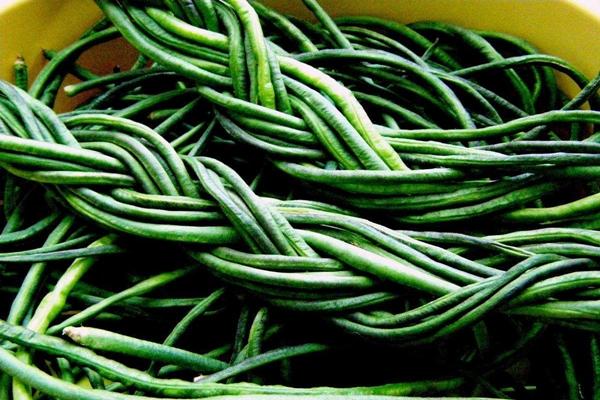
Ten days after the pods have formed, the beans begin to be harvested. They are harvested every three days. Be careful not to allow them to become overripe.
Cowpeas intended for long-term storage, that is, for freezing or canning, are harvested earlier.
 If grown for grain, wait until the beans are fully ripe and the pods are dry. Shelled and dried grains can be stored in a cool, dry place for up to 5 years.
Application
Cowpeas are prepared in the same way as peas and beans. Their use in dishes is primarily due to their high content of vitamins and various beneficial elements. They are an essential part of the diet of anyone who cares about healthy eating. One hundred grams of cowpeas contain:
- 3 – proteins;
- 0.4 – fats;
- 18.8 – carbohydrates;
while the caloric content is 90 kilocalories.
In cooking
Cowpea pods are a popular side dish, even a standalone dish. Recipes for omelets, salads, and soups include cowpeas. Boiling the beans, stewing them, and adding them to stews and casseroles are all common.
To ensure long-term storage of Vigna:
- the pods are frozen and canned;
- beans are canned, dried and salted;
and then enjoy their taste all winter long. The main thing is to prepare them correctly.
In treatment
Due to its rich composition, Vigna is used in folk medicine.
Decoctions of bean pods, flowers and beans are recommended for such diseases as:
- diabetes mellitus;
- kidney disease;
- rheumatism and gout.
And boiled seeds in the form of puree are an excellent dietary food for gastritis.

Cowpeas are a crop valued not only for their nutritional and medicinal properties. This climbing plant will decorate a terrace, balcony, or gazebo.
Only amateurs are familiar with it so far. But the exotic cowpea is gradually expanding its popularity. Therefore, more and more people are diversifying their diets with it and trying to make them healthier.
Related posts:
 Description and properties of the 50 best varieties of asparagus beans, benefits and harms
 Description of the 90 best varieties of beans for open ground with names
 How and where beans grow, planting and care rules in open ground
 Planting seedlings and seeds, growing and caring for asparagus beans in open ground
 The benefits and harms of red beans for the human body: for women, men, and children
 Recipes for making pickled green beans for the winter at home
 Health benefits and harms of black beans, varieties, contraindications, and recipes
 The best recipes for pickled beans in jars for the winter are so good you'll lick your fingers.
I planted this variety this year, too, but since everything happened so suddenly, I didn't have time to fertilize it. I did use a plant growth bioactivator, though. BioGrow — an excellent harvest, even more than the most optimistic forecasts.