
Seed and valves beans for diabetes Types 1 and 2 are used as an adjunct to complex therapy. It is believed that this product, when used regularly and prepared correctly, can help maintain blood sugar levels within normal limits for 6-7 hours.
What is the use of sashes?
They help normalize the body's functioning, optimize pancreatic function, and prevent the absorption of glucose from foods containing it.
It's no secret that diabetes is an endocrine disorder in which the patient's body produces insufficient insulin. The pancreas produces too little of the enzyme, and its quality leaves much to be desired.
The substances contained in bean pods act on the patient’s body in the following way:
- They prevent the absorption of glucose by slowing down the process of its absorption by the gastrointestinal tract.
- Optimize the work of the pancreas, improving its functioning.
- They stimulate the production of insulin by its cells and improve the quality of the enzyme.
Furthermore, beans, like their pods, are worth including in your diet due to their high content of vitamins and microelements, which are essential for the body's normal functioning.
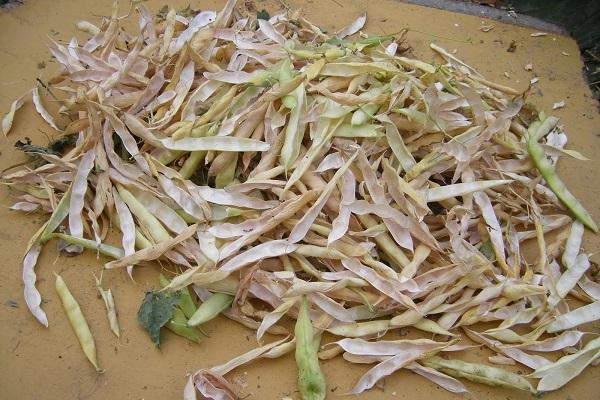
Chemical composition
From a chemical point of view, beans as a product have a unique composition, they are rich in:
- useful amino acids and proteins;
- B vitamins, ascorbic acid;
- micro- and macroelements: calcium, iron, sodium and magnesium.
The product contains zinc, an element required by the pancreas and which helps improve its function.
Important! Zinc is involved in the production of pancreatic enzymes, including insulin.
But it's important to remember that, despite all the positive qualities of this product, beans are no substitute for medication. They, like the pods, are used as part of treatment, but the therapy must be comprehensive to achieve the desired result.

Medicinal properties of the plant
Folk remedies are used to treat various types of diabetes. But before starting treatment, it's worth clarifying the benefits of the product. Bean pods, like their seeds, help:
- Speed up metabolic processes in the body.
- Normalize and stimulate insulin production.
- Replenish the lack of vitamins and microelements in the body.
- Reduce sugar levels with regular use.

In diabetes mellitus, drug and other treatments are aimed at normalizing the functioning of the pancreas and producing sufficient amounts of insulin.
If this doesn't happen, the body's sugar levels rise, leading to poor health and the development of glycemia. At this point, "sugar" affects vital organs: the heart, kidneys, and blood vessels in the brain.
A comprehensive approach to solving the problem will help avoid this, prolong the patient's life, and normalize the body's functioning:
- use of medications;
- traditional medicine;
- and compliance with dietary recommendations.
Rules of use for different types of diabetes
To ensure a product benefits the body rather than harms it, it must be used correctly. There are many recipes, but it's important not only to choose and prepare the medicine but also to consider the specifics of the disease.
1 type
It is believed that for this type of disease, recipes using bean pods are not as effective. However, since the product helps normalize and improve insulin production, it can be used:
- In the form of alcohol tinctures.
- Various decoctions.
- As part of dry mixtures that are sold in pharmacies.
2 types
For this type of illness, beans, as well as their pods, can help combat the problem. Since the condition is more often diagnosed in older individuals, this food should be included in the diet and used in decoctions for oral administration.
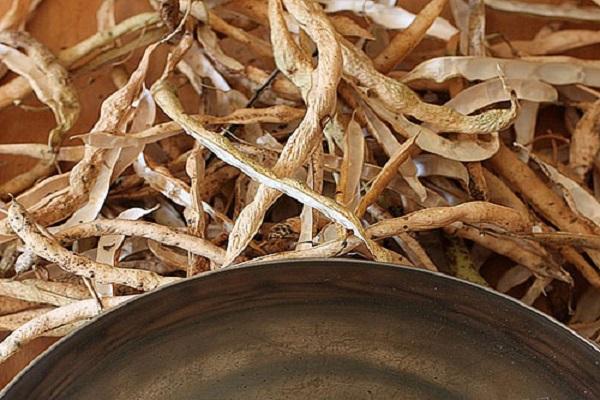
Therapeutic uses of bean pods
It is administered in courses, the duration of which depends on the patient's overall condition. If diabetes is in its early stages, it is treated in courses of 3-4 times a year using bean pods.
If the situation is more complex and the disease is protracted, treatment is carried out every month, with the average course duration being 10-15 days.
Note: the valves do not have a harmful effect on the body, are not addictive, and are not toxic to the patient.
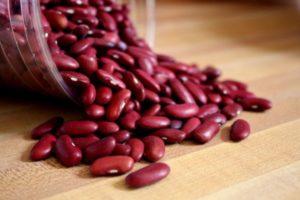
Medicinal prescriptions
There are several proven recipes that are worth using when treating diabetes:
- Grind the pods in a coffee grinder or blender. Pour 50 grams of the resulting powder into half a liter of water. Let it steep in a thermos for 9 hours, then strain and divide into 3 doses. Drink half an hour before meals.
- Take a dessert spoon of crushed bean powder and add a glass of water. Place the mixture in a water bath and simmer for 20 minutes. Then cool to room temperature, let cool, strain out the remaining liquid, and take one spoonful three times daily.
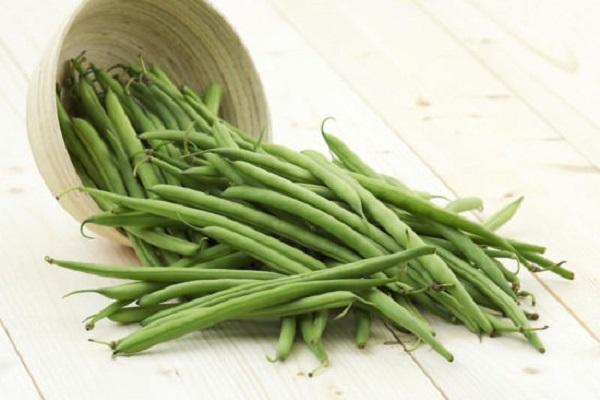
Combination products
Such recipes involve the use of several components in the preparation of the medicine.
The following methods of preparing medicines are considered popular:
- Mix the following ingredients in equal proportions: chopped green beans, burdock root, and ground blueberry leaves, adding 100 grams of rose hips. Pour a liter of boiling water over all ingredients, let steep for 3-4 hours, then strain and drink throughout the day.
- Mix equal parts of bearberry, blueberries (dried and ground), bean pods, horsetail, and juniper berries. Combine all ingredients and blend until dry. Add 2 tablespoons of the mixture to a liter of boiling water, let steep for 2 hours, strain, and drink in small portions throughout the day.
Decoction recipes
There are various ways to prepare the decoction. Individual preferences apply—you can use the medicine hot or warm, or opt for a cold infusion.
Hot decoctions
How to brew the bean pods correctly to obtain a medicinal product? The following recipe is recommended: steep 15 grams of crushed bean pods in boiling water. Place the mixture in a double boiler, simmer for 15 minutes, strain, and add warm water. Drink the infusion warm, cooling it to a comfortable temperature.
Cold infusion
Grind two bay leaves and mix with 20-30 grams of bean pods. Pour boiling water over the mixture and seal in a thermos. After a few hours, when the infusion has cooled, divide it into portions and drink before or after meals. The drink has a bitter taste, but do not add sugar or honey to alter its organoleptic properties.
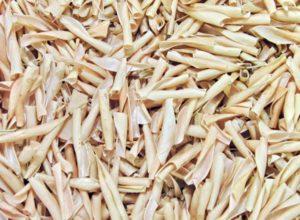

Alcohol tincture recipe:
- take 30-35 grams of dry raw materials (you can mix herbs and chopped bean pods);
- pour in a glass of vodka;
- insist in a dark place for at least 20 days;
- then strain and put in the refrigerator for another 2 days;
- take drops after the specified time.
The maximum dosage (one-time) is considered to be 50 drops, but it is better to increase it gradually.
Contraindications and side effects
It is not recommended to resort to the use of valves if the following contraindications are present:
- Individual intolerance to the product and its derivatives.
- Hypersensitivity reaction to beans and their pods.
- Disorders of the liver or digestive system.
- Acute pancreatitis, cholecystitis and other serious diseases.
Caution! To avoid any unexpected reactions, consult a doctor before using decoctions or infusions.
Side effects include: digestive problems, flatulence, allergies and other adverse reactions.

Bean pods and seeds are undoubtedly a healthy food. Beans are essential for diabetics. For this reason, they should be included in the diet, and if there are no contraindications, they can be used in homemade medicines.
Related posts:
 Description of the 90 best varieties of beans for open ground with names
 Useful properties and contraindications of bean pods, use in treatment
 How and where beans grow, planting and care rules in open ground
 Planting seedlings and seeds, growing and caring for asparagus beans in open ground
 The health benefits and harms of beans for diabetes, which ones to choose, and recipes
 What is a bean—a vegetable or not, what does the plant look like, description, and family
 Health benefits and harms of white beans, varieties and cultivation
 Description and properties of the 50 best varieties of asparagus beans, benefits and harms