
- Why are aphids dangerous?
- Where and why do aphids appear?
- How does it appear?
- How to get rid of aphids on beans
- Chemicals
- Physical methods
- Biological methods
- Folk remedies
- Other pests and methods of control
- Pea weevil
- Bean weevil
- Pea moth
- Bean or acacia moth
- Chickpea leaf miner
- Tuberous fruiting stems
- Diseases of legumes and methods of protection against them
- Fusarium
- Peronosporium
- Powdery mildew
- Rust
- Ascochytosis
Every gardener has encountered aphid infestations. The question arises: how can I treat bean plants against aphids? Biological, chemical, physical, and traditional methods are used. Each gardener decides for themselves which method is best for them. Aphid infestations should not be ignored, as they impair crop development and reduce yield.
Why are aphids dangerous?
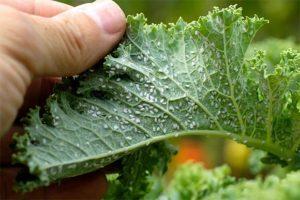
Pea aphid — one of the most common problems affecting crops. These are small insects that feed on the foliage and stems of plants. They cling to the shoots, creating a black coating. Aphids feed on the foliage, causing shoots to turn yellow and fall off, and leaves to curl and dry out.
The plant suffers, its development and fruit formation are disrupted, and it slowly dies. The beetles suck all the juices out of the crop, reducing yield.
Where and why do aphids appear?
Aphids reproduce rapidly; females lay eggs that fall into the soil. New insects emerge the following season. Their development occurs when the bean plant's immunity is weakened, especially during frequent rainfall and adverse weather conditions. High humidity accelerates the beetle's reproduction.
Also, areas where ants live are sure to have aphids. The ants keep them for their own food, collecting a sweet secretion from them that they use for their own purposes.
How does it appear?
Aphids appear on a plot due to the formation of ant nests. This is the most common cause. They feed on the sweet sap they release after feeding on the plant. Therefore, the ants themselves bring new pests to the plant. It is necessary to separate the aphids from the ants or block their access to the crop.
How to get rid of aphids on beans
Pea aphid infestations can be controlled using chemical, biological, traditional, and physical methods. Each method has its own effectiveness. Combining methods improves results.

Chemicals
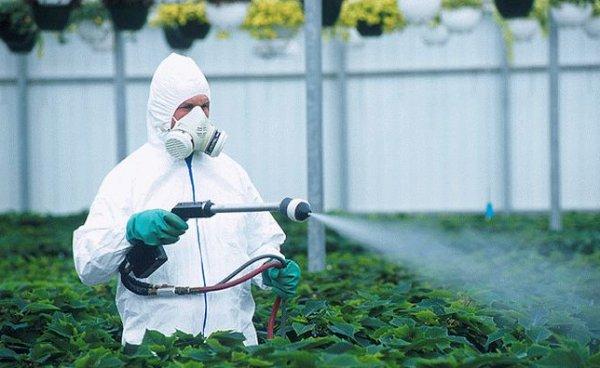
When aphids infest heavily, chemicals are used. Insecticides eliminate the pests within 1-2 days. Effectiveness depends on the active ingredient. After the effect wears off, spraying is repeated. Use the products strictly according to the instructions and precautions. The following insecticides are used:
- "Actellic";
- "Agravertin";
- "Aktara";
- Inta-Vir and others.
Insecticides affect the aphids' nervous system, causing paralysis. The insects die from being unable to feed.
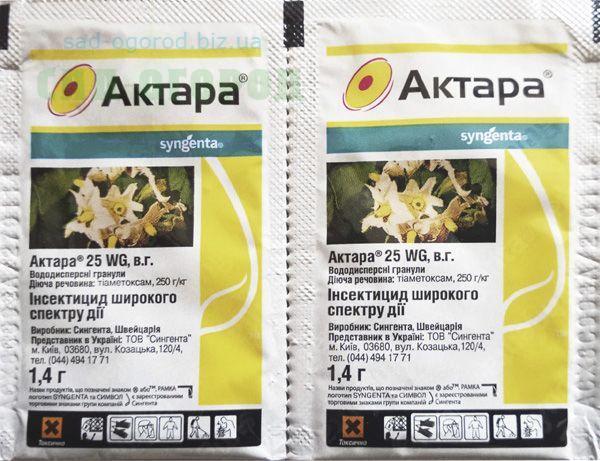 Important! It is recommended to choose a broad-spectrum insecticide to protect your crops from all pests that attack them.
Physical methods
The physical method is time-consuming. It's the safest for bean plants, as it doesn't require chemicals. The aphids are washed off the affected leaves with a damp cloth. While it's possible to wash the insects off with a hose, this will damage the crops. This method is effective in the initial stages of infestation. To combat the attack, repeat the procedure daily, inspecting each leaf, especially the underside.
Biological methods
To control pests, insects and birds that feed on them are attracted. These beetles include ladybugs and hoverflies. The larvae of these beetles can be purchased at specialty stores, by mail, and from nurseries. They are released onto crops.
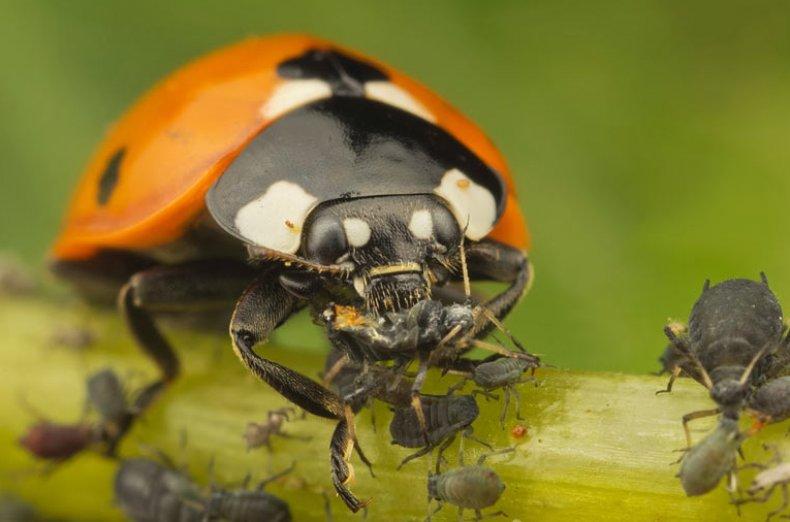
To attract insectivorous birds, waterers and feeders are installed in the bean plot. These methods won't eliminate all aphids, but they will significantly reduce their numbers.
Folk remedies
These methods are harmless to beans and humans. Their effectiveness takes significantly longer than insecticides. Patience and persistence are required. The following are considered the most effective recipes:
- Tomato leaf infusion. The collected shoots are crushed and steeped in water for 24 hours. This is then used as a spray on bean crops.
- Onion-garlic infusion. Chop onion skins and 2-3 heads of garlic and add water. Strain the liquid and apply it to the bushes.
- Wormwood and red pepper. The smell and taste of this mixture repel insects. Fresh herbs are chopped and 20 g of crushed red pepper is added. You can use fresh or whole dried pepper. The mixture is steeped in water. The beans are then processed.
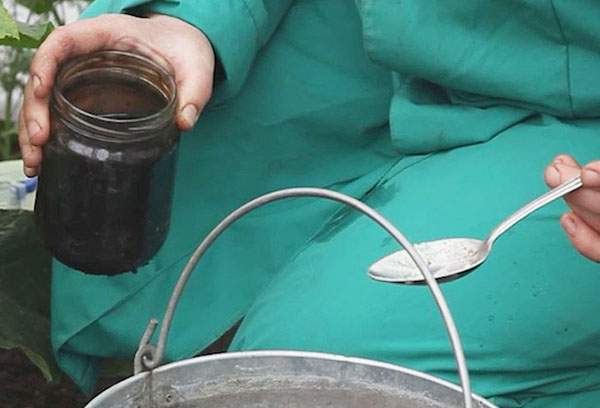
Important! To consolidate the results, add 200 g of dissolved laundry soap to the decoction. This helps create a sticky layer on the surface of the leaves, which will repel beetles.
Other pests and methods of control
Besides aphids, legumes are attacked by other insects. Various methods are used to control them.
Pea weevil
The larvae are laid by the adult beetle. During budding, the beetles consume pollen, and after the pods have set, they lay eggs on them. The eggs hatch, and the larvae penetrate the fruit and eat the seeds from the inside. A cavity forms in the place where the pod once was, or the damaged fruit remains.
Bean weevil
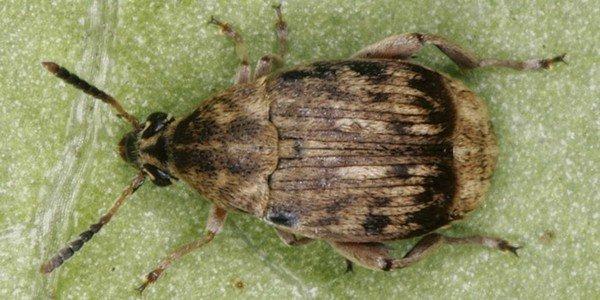
These insects hatch in the seeds of legume crops. Adults lay eggs in the seeds, and the larvae later eat the seeds from the inside. In early spring, adult beetles lay eggs on the pods. The larvae penetrate and eat the beans from the inside.
Pea moth
The moth belongs to the family of leafrollers. Caterpillars hatch from their overwintering cocoons, penetrate the pod, and eat the insides of the bean, filling it with webbing and excrement.
Bean or acacia moth
A dangerous insect, an infestation of which can cause 50% crop losses. The moths lay eggs, which hatch into caterpillars. They burrow into the bean pod and consume the insides of the fruit. They penetrate at the beginning of the fruit set. Such a harvest is unsuitable for further use.
Chickpea leaf miner
Affects bean leaves. Flies lay eggs on the foliage, from which yellow larvae emerge. They tunnel through the leaf surface and feed on its sap. The leaves gradually wither and fall off. Crop yield decreases, and plant development is impaired.

Tuberous fruiting stems
They attack plants in groups. Their bodies are elongated and up to 5 mm in size. They lay eggs in the soil. In the spring, larvae hatch and actively feed on the roots of legumes. In midsummer, adults attack the foliage. Bushes weaken and partially die, and yields decrease.
Diseases of legumes and methods of protection against them
When immunity is weakened, humidity is high, and weather conditions are unfavorable, beans are susceptible to fungal and infectious diseases, which can lead to plant death and reduced yields. Control measures are necessary.
Fusarium
A microscopic fungus that attacks the roots of the plant. The lower leaves become covered with gray spots. The roots of the beans rot, disrupting nutrition and growth. The infection spreads through contaminated soil, seeds, and neighboring crops. To combat it, remove damaged areas and spray the crops with fungicides.
Peronosporium
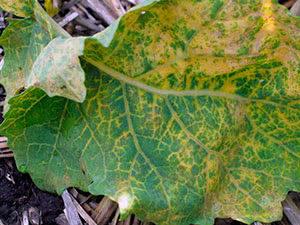
The fungal disease manifests itself in two forms. In the first, some shoots are affected, becoming covered with a gray coating and drying out. In the second, the plant fully exhibits the disease, with spots and coating appearing on the leaves, stems, grains, and seeds. Treatment for the fungus begins after the first signs appear.
Powdery mildew
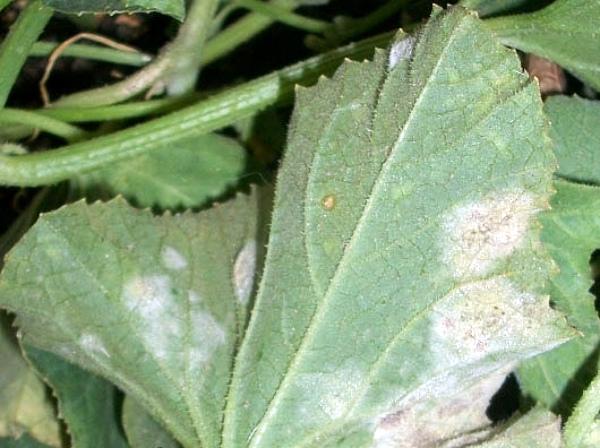
Fungal mycelium densely covers the bean foliage, forming a white coating on the surface. The disease occurs during prolonged drought. It is caused by various fungal species. Affected areas are removed and treated with a fungicide. The disease does not affect crop quality.
Rust
A fungus that attacks weeds in the spring. Its micelles are carried by the wind to beans. Orange-brown spots appear on the leaves and stems. If left untreated, the plant will become completely covered in spots and then die. The fungal spores overwinter in the soil.
Ascochytosis
A fungal infection attacks beans during prolonged rainfall and high humidity. Black spots appear on the shoots, rapidly increasing in size and number. The crop must be treated as soon as the first signs appear. The disease quickly spreads to neighboring plants, causing the crop to wilt and yield to decline.
Related posts:
 How to treat peppers for aphids, how to fight them with folk and chemical remedies
 How to treat peach trees for aphids and the best methods for pest control
 How to control aphids on grapes using chemicals and folk remedies
 How to control aphids on cabbage using traditional methods and non-chemical treatments
 The best eggplant varieties for growing in a polycarbonate greenhouse: planting and care
 Sweet pepper pests and how to control them, what to do and how to treat them
 Treatment rules and 20 best remedies for dealing with aphids on apple trees
 How to control aphids on raspberries during flowering and fruiting, what to treat them with