
- What tools and materials will be needed?
- Collection and preparation
- At what temperature should it be stored and for how long?
- Choosing a storage location
- Winter storage at home
- Storage in the cellar
- In the apartment - in the refrigerator or freezer
- On the balcony
- Conservation
- Storage features of different varieties
- Summer
- Autumn
- Winter
- Conclusion
There are several ways to store radishes throughout the winter. This healthy and nutritious vegetable is easy to preserve, whether you're a homeowner or an apartment owner in a high-rise building. The key is to remember a few essential tips. This vitamin-rich root vegetable is a great addition to your menu during the cold season, when nutrients are in short supply.
What tools and materials will be needed?
To preserve a radish harvest, first and foremost, choose and prepare the proper growing conditions. It should maintain the correct microclimate throughout the cold season.
At the same time, you won't be able to get by without a number of tools that will significantly facilitate the task of preserving your root crop harvest. A gardener will need:
- wooden boxes;
- wooden boards for creating storage areas in the basement;
- nails for them;
- dry sand;
- plastic bags for storing in the refrigerator.
As you can easily see from this list, storing this vegetable is not something expensive, no matter which method you choose.
Collection and preparation
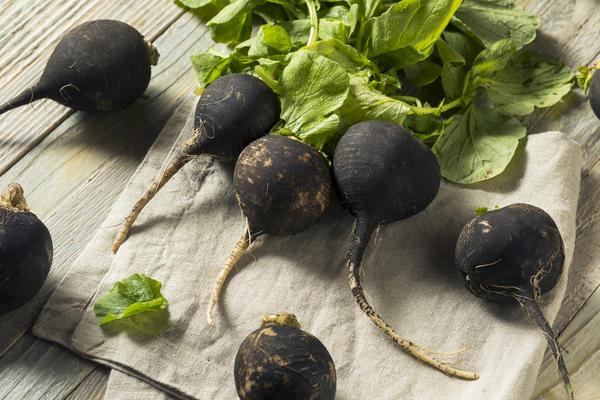
If you plan to store radishes over winter, start harvesting them later. This will ensure the fruit has time to ripen and last until the next harvest. On the other hand, you shouldn't let the radishes overripe, otherwise their flavor will deteriorate and they'll become tough and "woody."
It's important to remember that this vegetable doesn't tolerate frost, so it's important to monitor the weather forecast closely. They should try to harvest before any significant frosts reach the ground. If the root vegetable freezes, it will quickly begin to rot.
After all the radishes have been dug up, they are carefully sorted. Any diseased, undersized, or immature specimens are discarded. They won't survive the winter. These fruits are eaten immediately.
To identify fruits unsuitable for storage, they are often placed in a special pit, covered with 20 centimeters of soil. They are stored in these conditions for up to two weeks.
When cutting off the tops, try not to damage the root crop, otherwise this will lead to its infection and subsequent rotting.
At what temperature should it be stored and for how long?
This vegetable is stored in a cool place. Only comfortable conditions ensure the long-term preservation of the harvest.
The ideal temperature is considered to be consistently above freezing (to prevent the root vegetables from freezing), but not exceeding 3 degrees Celsius. If this temperature is achieved, combined with humidity of around 80-85%, the radishes will retain their attractive appearance and nutritional value for at least six months.
Take a look Also
Choosing a storage location
Radishes are stored in various places during the winter, including in the freezer. The key is to ensure proper storage conditions. Typically, the choice is between:
- cellar;
- basement;
- balcony.
Each of these locations has its own advantages and disadvantages. There are specific ways to achieve the right conditions for preservation.
Winter storage at home
When choosing between various methods for storing radishes harvested for the winter, many opt for home storage. This is because it's the most economical method. It doesn't require finding or renting special facilities. Moreover, the cost of the latter option would only be recouped if the harvested crop was intended for commercial sale.
There are various ways to store winter radishes at home. However, cellars and basements are most often used in private homes.
Storage in the cellar
For winter storage of harvested vegetables, a cellar or basement provides the best conditions. This is one of the main reasons why this method is so popular.
To ensure the harvest lasts longer, it is important to observe certain safety standards in the cellar:
- there should be no mice or other rodents;
- groundwater should not be too close;
- There should be no mold on the walls.
The absence of rodents is crucial. If they are present, they must be eliminated as part of the preparation of the radish storage area. Otherwise, they will consume the entire harvest.
The presence of fungi and mold on the walls, in turn, indicates excessive humidity in the cellar. This leads to the development of rot in root vegetables. To prevent this, the room is dried with heaters and well ventilated. The walls are treated with antifungal mixtures.
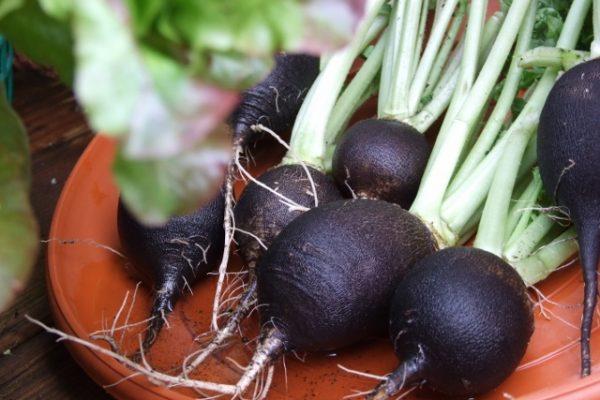
The technology for storing vegetables in a basement is quite simple. Cleaned of tops and soil, dried root vegetables are placed in wooden barrels or boxes, alternately with sand. First, the fruits are placed on the bottom, then completely covered with dry sand, followed by another layer of vegetables on top, and so on until the container is full.
Another option for storing food in a cellar or basement involves constructing special bins out of wooden planks. These bins should have sides up to a meter high. Ventilation holes are essential.
In the apartment - in the refrigerator or freezer
One of the best ways to preserve radish harvest for city dwellers is to freeze it in the freezer or store it on the refrigerator shelf.
It's believed that freezing isn't suitable for all types and varieties of radishes. Many lose some of their flavor when frozen, causing the fruit to become too soft. It's best to freeze only the firmest varieties or those intended for medicinal and preventative use. In the latter case, grate the root and place it in a storage container. This way, it remains fit for consumption for at least a year.
Storing root vegetables in the refrigerator, at temperatures no higher than 4°C (4°F), is suitable for almost all varieties of this vegetable. However, some varieties remain shelf-stable in this manner for no more than six weeks after harvest. Daikon is one such short-lived vegetable.
To preserve the harvest, several root vegetables are placed in plastic bags, sealed tightly, with very small holes punched in them for ventilation. The bag should simply be placed on one of the shelves in the refrigerator. The condition of the vegetables is checked regularly, and at the slightest sign of spoilage, they are discarded.
On the balcony
Storing radishes on a balcony is another successful way to preserve them in an apartment. However, this requires:
- the balcony was glazed;
- the temperature there did not drop below zero in winter.
Most modern city dwellers can provide such conditions. Glazing on a balcony is important not only because it better maintains temperature but also because it protects root vegetables from precipitation.
On the balcony, radishes are stored in boxes, just like in the cellar. That is, the roots are alternated with dry sand, in layers. If the temperature outside becomes too cold, and there is a real risk of the balcony temperature dropping to critical levels, the boxes are covered with blankets.
Conservation
Radishes can also be preserved for the winter by pickling them and sealing them in sterilized jars with other root vegetables (such as carrots).
The simplest method of preservation looks like this:
- First, the radish is washed and peeled.
- Then it is grated or finely chopped.
- The jars are sterilized.
- Place one or two cloves of garlic on the bottom.
- Pour in a teaspoon of table vinegar.
- Pour out the radish.
- Other ingredients are added (greens, carrots).
- A teaspoon of salt and sugar.
- Fill the jar completely with boiling water.
- Place it in a saucepan with moderately boiling water and cover with a lid.
This vitamin-rich salad is a great addition to the winter menu. Radish is also pickled.
Storage features of different varieties
The prevalence of various radish varieties means that gardeners don't always know how to preserve each particular vegetable. Differences in radish storage are minimal, but they do exist. In particular, the shelf life of the harvest varies.
Take a look Also

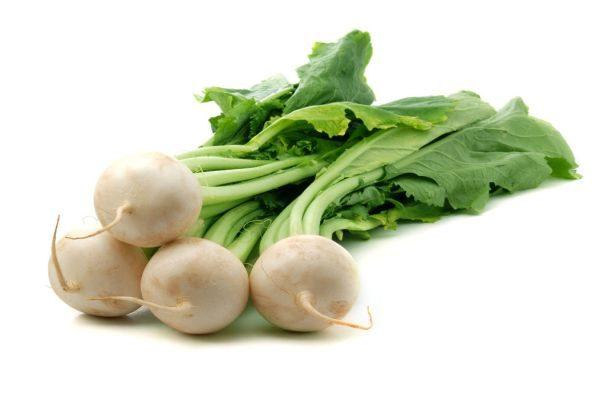
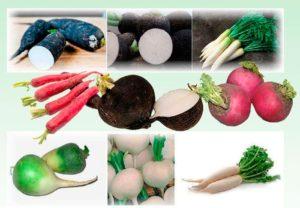
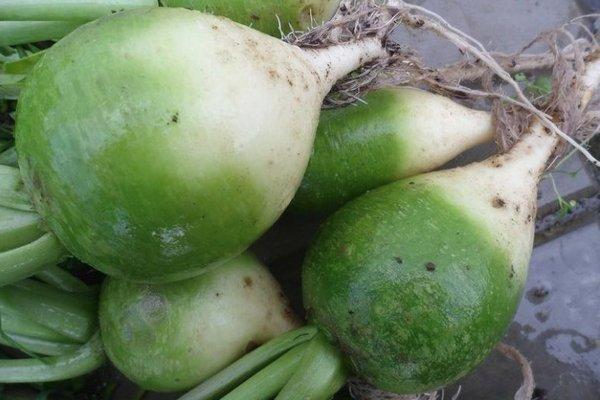
Margilan green and black radishes have the longest shelf life. Under optimal conditions, they can last up to a year. Meanwhile, white Japanese radishes (also known as daikon) typically remain edible for no more than two months. However, in some cases, the shelf life can be doubled.
Summer
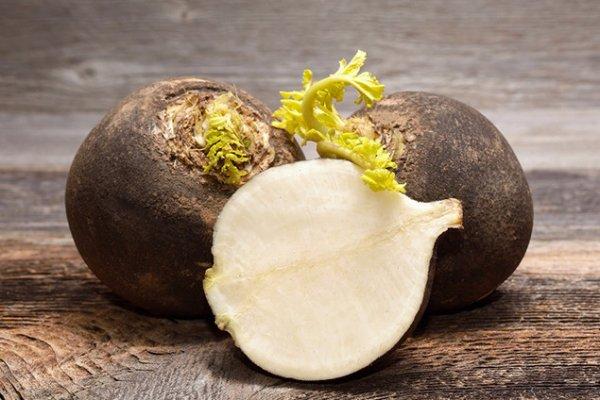
Unfortunately, summer black radishes won't last more than a month over winter. Therefore, storing them in special containers in the cellar isn't practical—a regular refrigerator will suffice.
Autumn
Autumn radish varieties store almost the same as winter varieties. However, they are primarily grown for consumption during the fall and early winter. Therefore, refrigeration is sufficient for them. These radishes are also excellent for canning.
If the autumn root crop is plentiful, it's placed in a cellar or on a balcony. However, it's stored separately from the pre-winter harvest.
Winter
Winter varieties are named for the season they are intended for storage and consumption. All varieties of this vegetable grown in Russia are winter varieties.
Regardless of the variety or cultivar, the principles for storing winter radishes are the same as those described in the previous sections. However, it's worth keeping in mind that not all varieties have the same shelf life, even under ideal conditions. Daikon, for example, rarely lasts longer than 5 months, while black winter radishes can be stored in a cool, well-ventilated cellar for up to 9 months.
Conclusion
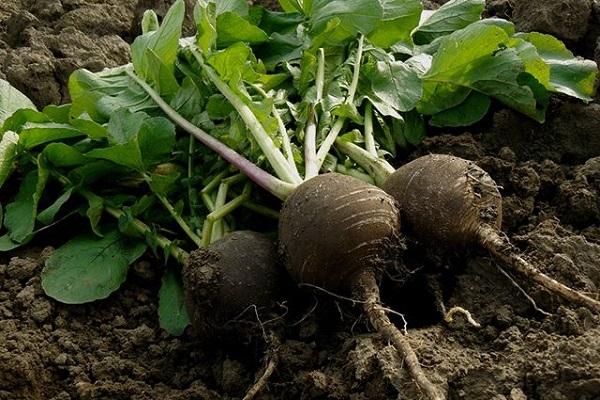
Preserving radishes' nutritional value all winter isn't all that difficult. The key is to provide the right temperature—free from frost, but no higher than 3-4 degrees Celsius—and plenty of fresh air. They dislike excess moisture, as well as dryness. Wooden boxes are considered the best containers for harvesting.
Related posts:
 The benefits and harms of Daikon radish for the human body, medicinal properties and contraindications
 Growing, planting, and caring for Margilan radish in open ground
 Agricultural technology for growing and caring for radishes in open ground, when to plant
 The health benefits and contraindications of green Margilan radish
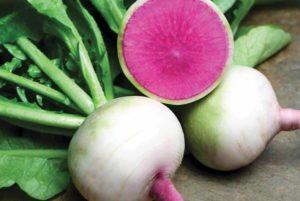
 Description of the Watermelon radish variety, planting and care, benefits and harms
 The health benefits and contraindications of black radish
 Planting times and care guidelines for black radish in open ground
 Tips on when to harvest daikon radish for winter storage