
- Composition of green radish
- Medicinal properties
- Consumption standards
- Green radish in cooking, cooking recipes
- What can you do and what can you combine it with?
- Preparing the salad
- Making soup
- Can pregnant women eat it?
- How to use for medicinal purposes, recipes
- For coughs and sore throats
- For gout
- For edema
- For constipation
- How can it be used for cosmetic purposes, recipes
- For hair
- For the face
- Benefits for weight loss
- How to store at home
- Contraindications and harm
The body requires vitamins throughout the year. During the summer, this requirement is low. But in winter, the body needs support. Consuming green radish, while taking into account its beneficial properties and contraindications, replenishes certain nutrients. This unique vegetable is beneficial for everyone. However, it's important to consider the recommended intake for each group of people and for everyone in general.
Composition of green radish
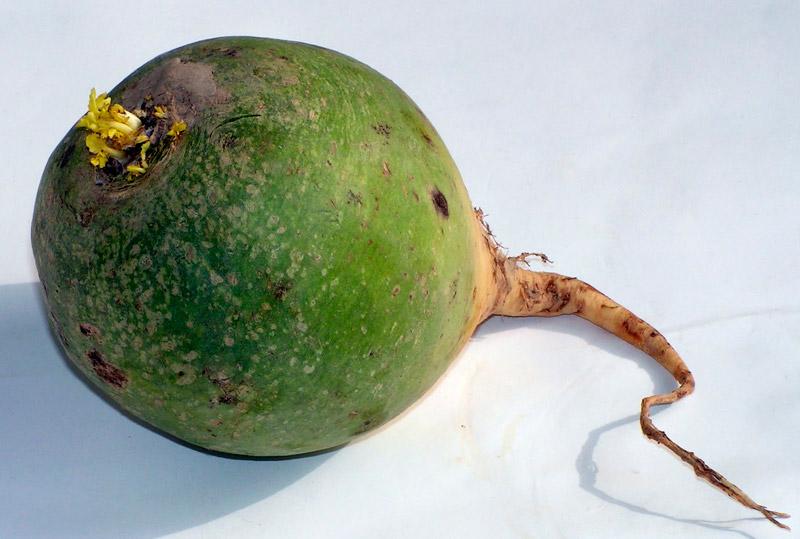
Of the wide variety of varieties, the most delicious and nutritious is the Margilan variety. This vegetable is juicy and suitable for any consumption.
The vitamin composition is very diverse, so green radish is considered healthy.
Vitamins included in its composition:
- A;
- IN1;
- IN2;
- IN5;
- RR;
- WITH.
Minerals:
- potassium;
- calcium;
- sodium;
- phosphorus;
- iron;
- magnesium;
- lipids.
Substances:
- beta-carotene;
- fiber.
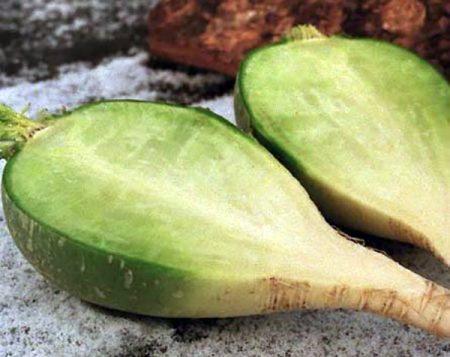
Amino acids:
- aspartic acid;
- glutamic acid;
- lysine;
- valine;
- leucine;
- threonine;
- cystine;
- glycine and others.
Besides this, there are essential oils.Excessive consumption of the root vegetable causes bloating and flatulence.In terms of composition, Margilan radish is very similar to black radish.
The root vegetable has a low calorie content of 32 kcal, which is why it is actively used as food for people on a diet.
100 g of radish contains:
- protein - 2.5%;
- fat - 0.3%;
- carbohydrates - 2.9%.
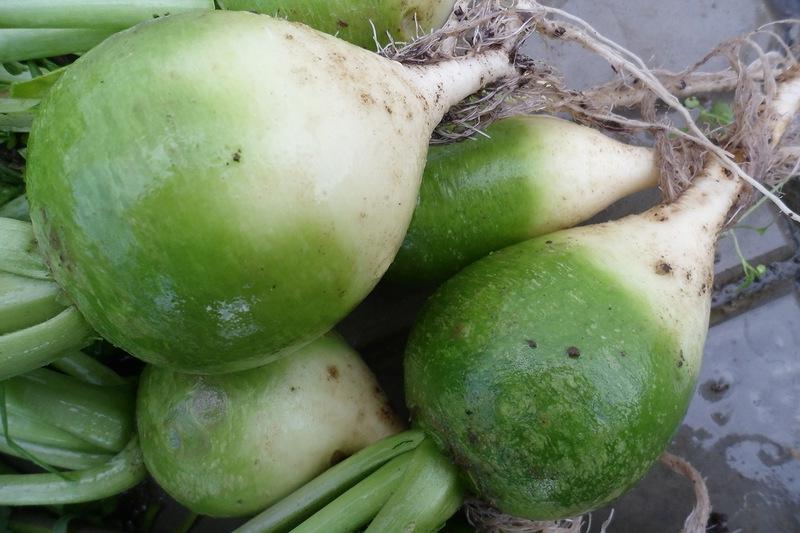
The rich mineral composition of the root vegetable indicates a high degree of positive influence on the body.
Medicinal properties
Many people know that radishes are healthy. But not everyone realizes how broad their benefits are.
Beneficial properties of the root vegetable for the body:
- immune support;
- strengthening bones and teeth;
- treatment of gallbladder pathologies;
- cleansing from toxins and waste;
- cholesterol removal;
- prevention of atherosclerosis;
- elimination of constipation;
- normalization of bowel function;
- stimulation of appetite;
- reducing the risk of developing diabetes;
- help with bronchitis, pneumonia and inflammation of the lungs;
- green radish juice helps with anemia, whooping cough, radiculitis, and cardiac arrhythmia;
- lowering blood pressure;
- strengthening the heart muscle.
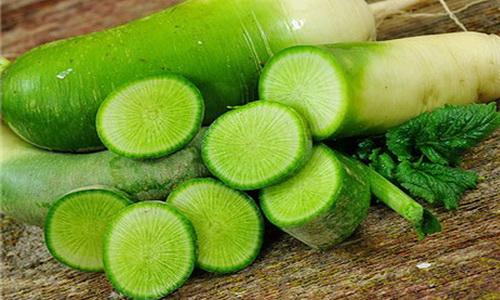 It is used not only for internal use, but also for preparing a compress for affected areas.
For men, the benefits of the vegetable are as follows:
- rejuvenation and energy boost;
- elimination of toxins;
- prevention of the inflammatory process;
- pain relief;
- increased testosterone;
- treatment of prostatitis;
- cleansing of blood vessels, kidneys and liver;
- strengthening the heart;
- freshening breath;
- fight against baldness;
- treatment of gout and radiculitis.
Undoubtedly, the root vegetable has a positive effect on the male body; regular use of the vegetable will help combat common male diseases.
The vegetable is also beneficial for women, its consumption leads to:
- saturating the body with vitamins and minerals;
- improvement of skin conditions;
- improving the health of hair and nail structure.

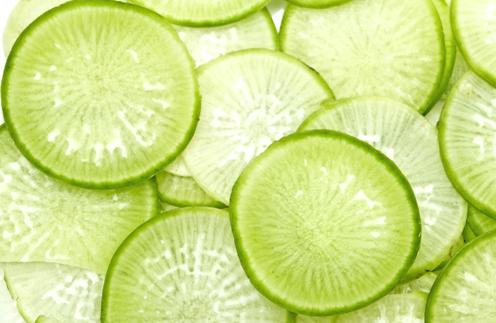
Everyone should try its effects on themselves; after several uses, an improvement in the condition will be observed.
Consumption standards
Avoid eating root vegetables in moderation, as they can harm the gastrointestinal tract. According to nutritionists, the recommended daily dose of radish is 150 g, regardless of how it's prepared or prepared. It's not recommended for children under three years of age. When first using, give a small portion of a teaspoon and carefully monitor the child's well-being.
If there is no irritation, increase the daily dose to 2 tablespoons per day.
Green radish in cooking, cooking recipes
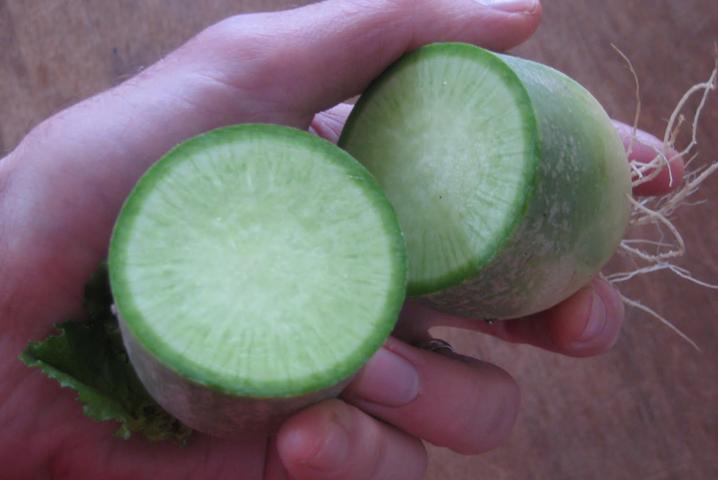
This root vegetable is consumed by many, but it's especially popular among those watching their weight. It retains most of its vitamin content when cooked fresh. Any heat treatment reduces its nutritional value.
What can you do and what can you combine it with?
Radishes are used in a variety of dishes. Using them in cold soups and salads will help preserve their beneficial properties. They are also used for:
- preparation of winter supplies;
- pickling;
- pickles;
- canning;
- stew;
- side dishes;
- casseroles;
- okroshka and much more.
The use of this ingredient depends on the preferences of the household and the imagination of the housewife.
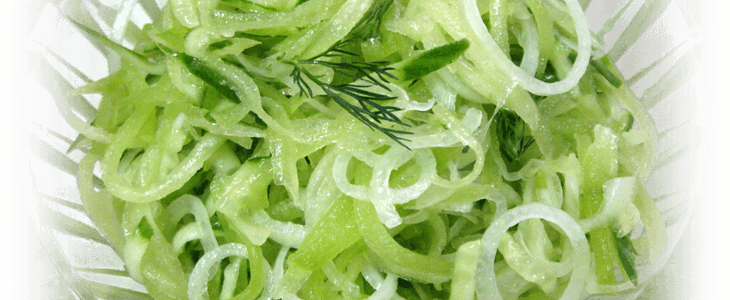
Combine radish with vegetables and other products:
- fresh or pickled cucumbers;
- tomatoes;
- onion;
- pepper;
- apples;
- carrot;
- beet;
- cabbage;
- sour cream;
- feta cheese;
- poultry meat.
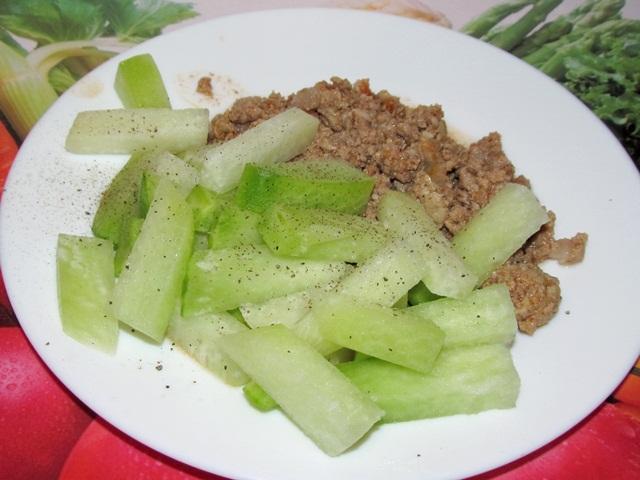
This is far from a complete list of foods that go well with green radishes. For home cooks, we've provided recipes that utilize this root vegetable. All that's left to do is choose the method that best suits your family's tastes and preferences.
Preparing the salad
Ingredients:
- small radish;
- a couple of carrots;
- apple;
- green;
- mayonnaise according to preference.
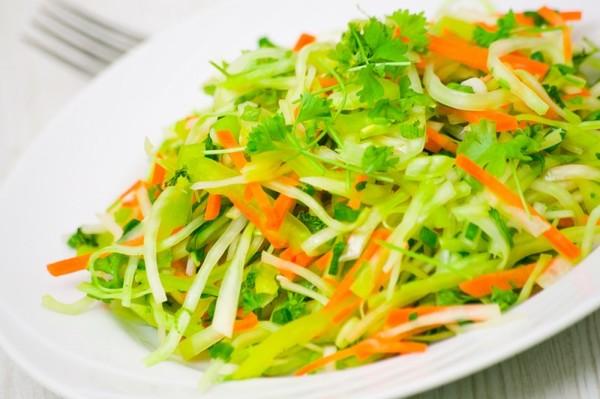
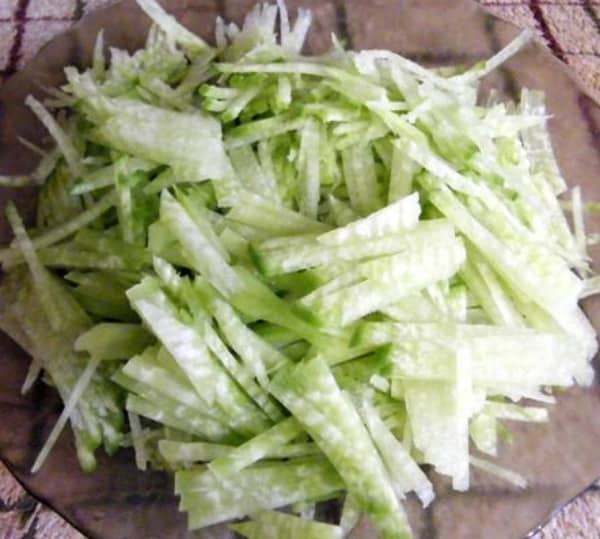
Grate the peeled vegetables, carrots, and radishes. Cut the apple into thin strips, preferably thinner, and mix all ingredients in a bowl. Season with salt to taste, add chopped herbs, and dress with mayonnaise. The salad is ready to serve.
Making soup
Ingredients:
- 500 g ribs;
- radish;
- ginger;
- goji berries;
- water;
- green onions.
Fry the spare ribs, cut into 3 cm pieces, over high heat for 5 minutes. Add sliced ginger and the white part of the onion. Fry for a little longer. Add 0.8 liters of water and bring to a boil. Add salt and spices and simmer for 30 minutes.
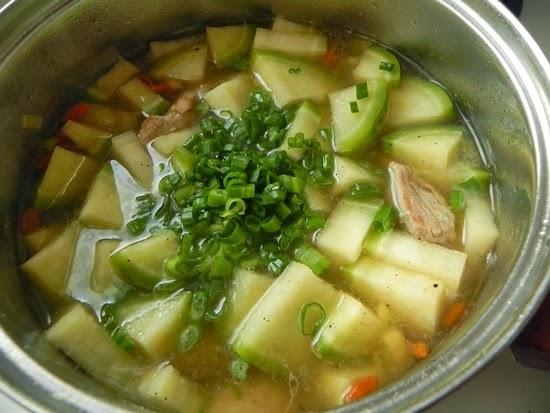
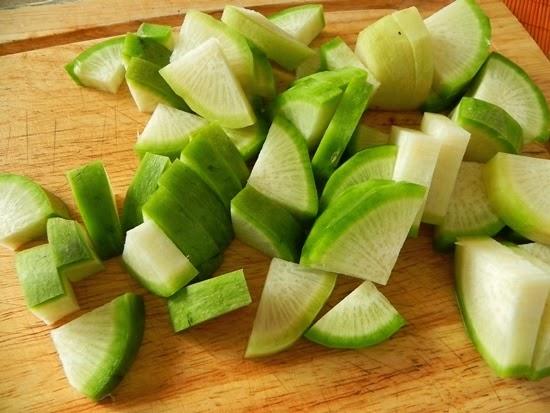
Add 1 tablespoon of goji berries and finely chopped radish. Bring to a boil, then turn off the heat. Sprinkle the finished soup with green onions.
Can pregnant women eat it?
Experts have varying opinions on this matter. Some recommend its consumption, while others, on the contrary, forbid green radishes.
It's best to eat it in small quantities; this will help reduce swelling. It's also used to prevent acute respiratory viral infections (ARVI) and acute respiratory infections (ARDs).
If you're breastfeeding, avoid using it, as gas formation can negatively impact your baby's immature gastrointestinal tract. The root vegetable's bitter taste is transferred to breast milk, and your baby may refuse to breastfeed.
How to use for medicinal purposes, recipes
Many people use green radish for treatment. It's important to follow the recommended consumption guidelines and the recipe carefully, as this root vegetable can help relieve certain ailments.
Take a look Also
For coughs and sore throats
First, you should determine the nature of your cough. A severe acute respiratory viral infection (ARVI) or an allergic cough won't respond to folk remedies using radish. If you have a dry cough, follow these steps. You'll need:
- large mature radish;
- honey or sugar.
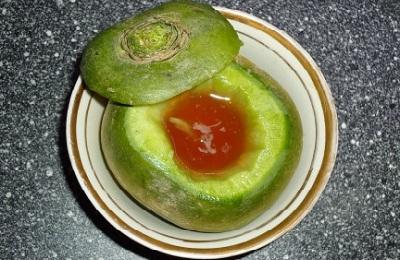
Cut off the top of the root vegetable and scoop out the core with a spoon. Place it in a container, ensuring it doesn't fall, and fill it with honey. For those with allergies, use granulated sugar. The vegetable walls should be 1-1.5 cm thick. Cover the top with a makeshift lid cut from the root vegetable and leave for 24 hours. Babies should take 1 tablespoon daily; adults should take 1 tablespoon three times daily.
For gout
This disease is the result of metabolic disorders. Restoring them will help alleviate the symptoms. There are two ways to use the green medicine; some patients choose only one. But for best results, combine them:
- Radish juice is prepared. The unpeeled root is placed in a soapy solution for 30 minutes, then rinsed thoroughly in cold water. The juice is squeezed out and refrigerated. Take 30 g three times a day over two hours. A course of treatment requires 9-11 kg of radish.
- Poultices. Wrap the twisted or grated root in a cloth and apply to the sore spot, preferably overnight. Alternatively, rub the squeezed juice into the painful areas.
For edema
Use this recipe, you will need:
- 0.5 kg grated radish;
- 1 liter of water;
- 1 teaspoon of salt.
Mix all ingredients in a container, boil for 10 minutes, cool, and drink during the day.
For constipation
Initially, for prevention, it's best to eat green radish dishes, preferably fresh. There are many recipes, so everyone can choose according to their taste.
Drink root vegetable juice mixed with pumpkin juice in a 1:1 ratio, adding honey. Drink twice a day for 30 days.
How can it be used for cosmetic purposes, recipes
To keep themselves in good shape, housewives prepare various nutritional mixtures using it.
For hair
The vegetable is used to eliminate fat. It is necessary:
- nettle;
- boiling water;
- radish.
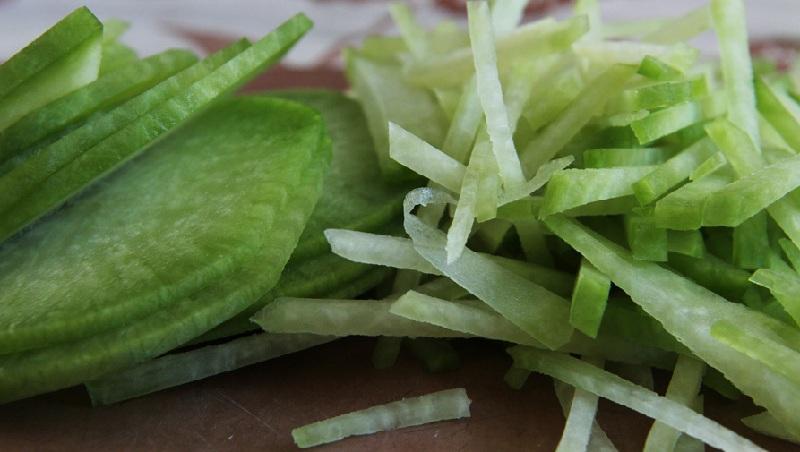
Prepare a nettle infusion by steeping 1 tablespoon of the herb in 0.5 liters of boiling water. Then, squeeze the juice from one vegetable. Mix everything together. Rub the mixture into your hair and scalp 2-3 times a week. Leave it on for 30 minutes, then rinse thoroughly.
For the face
Many housewives use this green helper when preparing face masks. You will need:
- 2 plantain leaves;
- 1 small green radish root;
- 1 tablespoon of white clay.
Grind the vegetable and plantain, and add clay. Apply the mask to well-steamed skin in a thick layer. Leave it on for 20 minutes. Then rinse with warm water.


In addition to masks, prepare a lotion. Juice half a medium-sized root vegetable and mix it with 80 ml of mineral water. Add a few drops of tea tree oil to the mixture. Apply the lotion to your face twice a day.
Benefits for weight loss
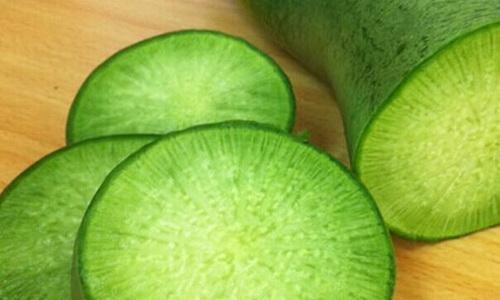
For those trying to lose weight, radish is invaluable. Its unique feature is that it suppresses appetite by helping restore the body's mineral balance. The root vegetable's mineral content helps break down fat and prevent its accumulation. It also relieves constipation and acts as a diuretic.With long-term, regulated intake of the vegetable, toxins and cholesterol are removed from the body.Eating root vegetables will help those who have decided to fight excess weight and are on a diet.
How to store at home
Those who grow vegetables in their garden should decide in advance on a method for preserving the healthy root vegetable. There are several proven options:
- Basement or cellar. Carefully sorted specimens are placed in containers and covered with dry sand. This way, they can remain in good condition until spring without losing their vitamin content.
- Refrigerator. Purchased or grown vegetables are stored in the refrigerator. There, they will keep for up to 3-4 months without losing their presentable appearance or nutritional value.
- Indoor conditions. The root vegetable is placed in containers and stored in a cool place.
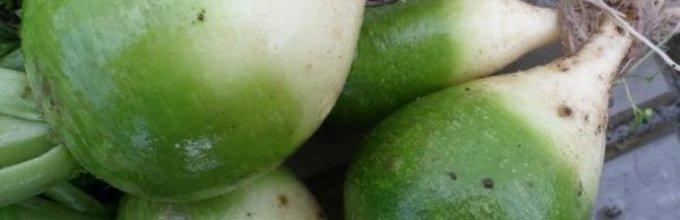
Depending on the method chosen, green radishes can be stored for 60-90 days or even longer.
Contraindications and harm
The root vegetable's beneficial properties don't warrant its thoughtless consumption. It's important to remember that there are contraindications that must be taken into account for optimal health:
- If there are problems with the kidneys and liver, then it is not advisable to eat radish.
- Contraindicated for use in certain heart conditions.
- You shouldn't get carried away if you have inflammatory reactions in your intestines.
- Ulcerative diseases of the stomach or duodenum also suggest avoiding the vegetable.
- Not recommended for use by people who experience increased gas formation.
- Use with caution by pregnant and lactating mothers.
Don't overdo it and mindlessly consume green radishes in unlimited quantities. This will cause health problems that will require treatment later. Store prepared mixtures, juices, and lotions in the refrigerator.
Related posts:
 The health benefits and contraindications of black radish
 The benefits and harms of Daikon radish for the human body, medicinal properties and contraindications
 Descriptions and names of varieties and the best types of radish, planting and care
 Growing, planting, and caring for Margilan radish in open ground
 Planting times and care guidelines for black radish in open ground
 Description of the Watermelon radish variety, planting and care, benefits and harms
 Red Meat radish benefits, salad recipes and medicinal uses
 Recipes for pickled radishes, with and without sterilization, for winter storage, and how to store salad