
Radish is undoubtedly a healthy vegetable, with properties that help strengthen the immune system and fight viral infections. It's rich in antioxidants and even helps treat cancer. You can store the root vegetable raw, but only if you have a cellar. For those living in large cities, this luxury is unaffordable, so we offer recipes for radish preserves for the winter, which can be stored in the refrigerator or pantry.
Composition and useful substances
There are three types:
- Black pepper is the healthiest and most common pepper in our country. It is distinguished by its bitter taste and spiciness.
- Asian green radish is juicier and milder in taste.
- A rare white variety, native to Japan, is found here. Its distinctive characteristic is its slightly sweet center and spiciness toward the edges.
All of the listed varieties contain ascorbic acid, which increases the body's resistance to viruses. The vegetable is also rich in vitamins A and B, mineral salts, organic acids, and enzymes that regulate digestion.
Important! Doctors recommend eating black radish, as it is considered the richest in vitamins.
What is the difference between black and white radish?
The type of this vegetable has little impact on its nutritional value. The differences between black and white radishes are primarily in their taste. A special variety of this root vegetable was developed in Japan, with a significantly milder and sweeter flavor than its black counterpart. Therefore, cooks are increasingly using white radishes for salads and appetizers.
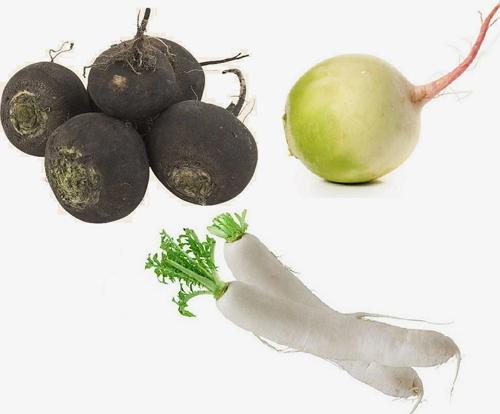
However, doctors and traditional healers prefer black radish, as it is believed to be richer in vitamins (it contains the same beneficial substances, but in higher concentrations).
How to preserve raw
There are autumn, summer, and winter varieties. Storage methods vary depending on the type.
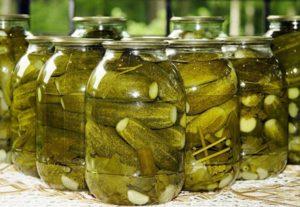
Summer varieties don't keep for long. By following these guidelines, you can achieve a shelf life of up to three weeks:
- We clean off dirt, remove tops and roots, select and discard spoiled vegetables.
- Please note that the radish should not be wet.
- We put them in bags, making small holes in each of them to allow air to enter.
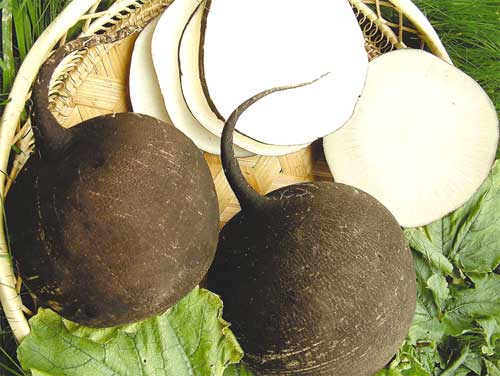
Vegetables are stored better this way. Winter and autumn varieties have a longer shelf life (they can be refrigerated throughout the winter without losing their flavor). However, there are also storage guidelines for these varieties.
Rules for cellar storage
Root vegetables can be stored longer in basements and cellars than in an apartment. However, the storage space must meet certain requirements:
- The temperature in the cellar should not fall below 0 °C.
- A humidity level of 80-90% is considered optimal, so groundwater and other moisture sources should not be allowed to penetrate into the basement.
- Mold and pests are dangerous to food storage. Make sure they are free of them.
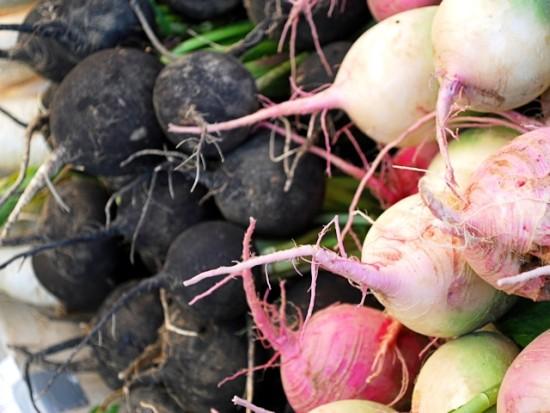
Summer radishes (Chinese, Viennese, long white, and green) can't be stored for more than 15-20 days, even in a cellar. However, a prepared storage area will allow you to preserve fall and winter varieties (black, white round, and daikon) throughout the winter.
Freezing radishes
You can store the root vegetable frozen, but when defrosted, it loses some of its flavor and becomes soft to the touch. Health experts claim that frozen radishes are still healthy and rich in all the vitamins found in fresh radishes. Therefore, to strengthen your immune system, it's helpful to keep a bag of grated winter radishes in the freezer during the winter and consume them as a preventative measure.
Delicious recipes for winter preparations
This healthy vegetable can be used to make a variety of appetizers and salads, which are a perfect complement to lunch or dinner during the cold season and help strengthen the body and protect it from possible illnesses.
Pickled
A popular appetizer recipe that is easy to prepare.
Ingredients:
- One liter of water.
- 200 milliliters of apple cider vinegar.
- Salt and sugar (50 and 200 grams respectively).
- Tarragon, currant leaves and dill (a small amount to taste).
- 5 onions.
- 1 kilogram of black radish.
- Peppercorns and cloves (10 each).
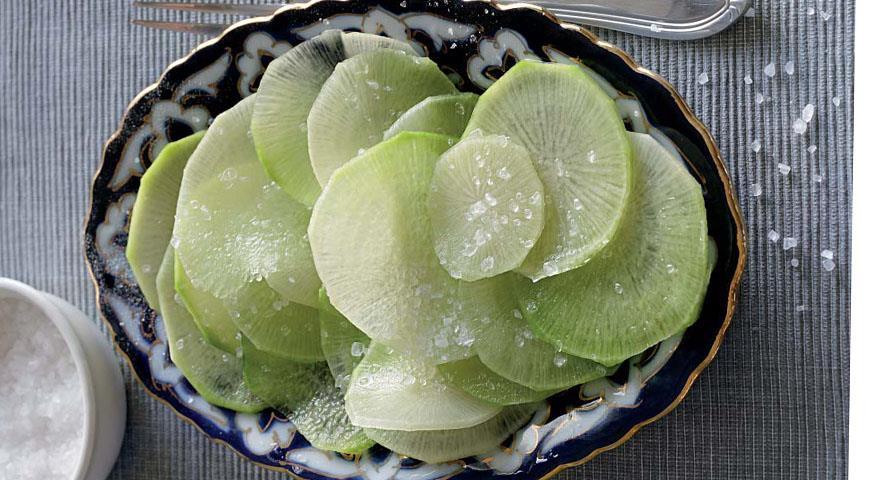
Cut the onion into half rings and grate the radish coarsely. Cover the grated root vegetable with water and let it sit for 10 minutes. Finely chop the herbs. Drain the water and mix the vegetables with the herbs. Then place them in sterilized jars.
Prepare the marinade as follows: boil water, salt, sugar, and spices for 5 minutes, then add vinegar. Pour the marinade into the jars containing the vegetables and cover with nylon lids. Store this appetizer in the refrigerator.
Korean method
To make a spicy Korean appetizer, you will need the following ingredients:
- 0.6 kilograms of green radish.
- One chili pepper.
- Sugar and salt (one teaspoon each).
- The amount of garlic depends on whether the family likes spicy snacks.
- A small bunch of green onions.
- A teaspoon of sesame seeds.
- Half a teaspoon of paprika.
- 15 milliliters of vinegar.
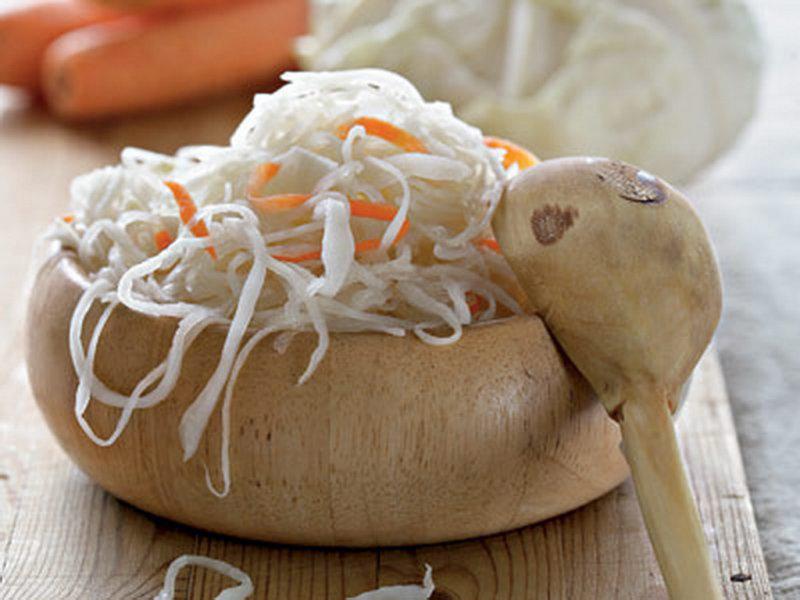
The radish is cut into strips and mixed with finely chopped chili. Salt is added to the mixture. Let the vegetables sit for 3 hours, then the juice is squeezed into a separate container. Paprika, sugar, vinegar, and garlic are added to the juice. Green onions (finely chopped beforehand) and sesame seeds are also added. Mix the resulting marinade with the radish and add sunflower oil.
The snack is placed in sterilized jars and sealed with metal lids. It can be stored in a cellar or refrigerator.
Canning without sterilization
Pickled radish is an excellent option for preserving without additional sterilization. It's quite easy to prepare.
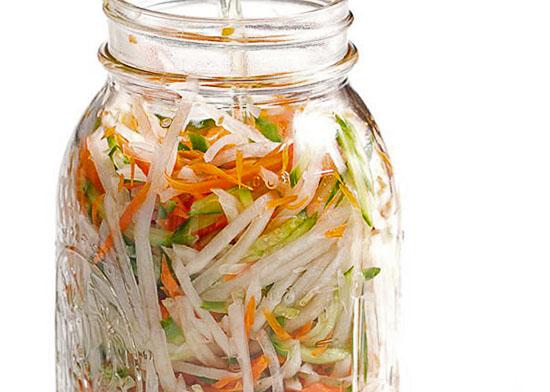
Peel the radish and finely grate it. Add garlic and salt to taste, then pack tightly into jars. After two weeks of storage in a cool place away from direct sunlight, the starter is ready to use. To preserve the product longer, refrigerate it after the starter has been prepared.
Root vegetable salad
Black radish salad is a wonderful way to replenish your vitamin reserves during winter. Therefore, preparing it should be an essential part of your preparation for the cold weather.
The salad is prepared from the following ingredients:
- 1 kilogram of black radish.
- Parsley, celery – to taste.
- 2-3 medium cloves of garlic.
- A tablespoon of vinegar (9%).
- Salt and sugar - one teaspoon each.

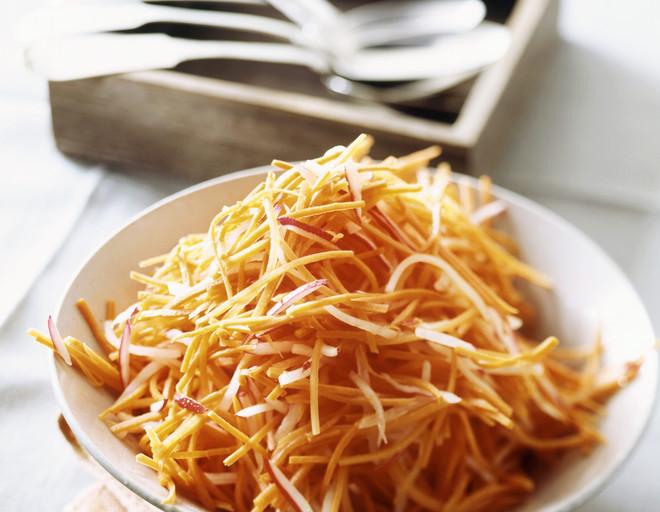
The radish is peeled and washed thoroughly under cold water. Then, it is grated on a coarse grater. The marinade is prepared as follows: pour vinegar into a bowl, add celery, parsley, and garlic. Then, add the grated radish. Finally, sprinkle salt and sugar on top.
Pour boiling water over the salad and simmer for 20 minutes. Then transfer it to jars and seal with metal lids. Before serving, drain the marinade and season with vegetable oil or mayonnaise.
How to preserve jarred preserves in winter
To ensure canned radishes last as long as possible, follow these basic rules:
- When preserving, use sterilized jars.
- Storing in a warm place or in the sun is strictly prohibited - this will significantly reduce the shelf life.
- The best options for storage are a cellar or a refrigerator.
- At a temperature of at least 1 degree Celsius (but not higher than +3), the preserved food can last up to three months.
Important! When preparing preserves, use undamaged and thoroughly peeled root vegetables. This will prevent your efforts from being wasted prematurely.
For people with private homes, storing jars of preserves isn't a problem. They use equipped cellars. City dwellers have to adapt balconies, pantries, and refrigerators for this purpose. However, if storage rules are followed, the product will last all winter, delighting the family with its unique flavor and beneficial properties.
Related posts:
 The health benefits and contraindications of green Margilan radish
 The health benefits and contraindications of black radish
 Descriptions and names of varieties and the best types of radish, planting and care
 The benefits and harms of Daikon radish for the human body, medicinal properties and contraindications
 Planting times and care guidelines for black radish in open ground
 Description of the Watermelon radish variety, planting and care, benefits and harms
 Growing, planting, and caring for Margilan radish in open ground
 Red Meat radish benefits, salad recipes and medicinal uses