
Green radish, or Margilan radish, requires growing and caring for the plant, along with the knowledge gardeners need to ensure a worthy harvest of this vitamin-rich vegetable. The plant is easy to grow; under normal weather conditions, early-ripening root vegetables can be planted and harvested several times. The crop doesn't require special care, but basic planting and cultivation practices must be followed with full responsibility and attention.
Description of the variety
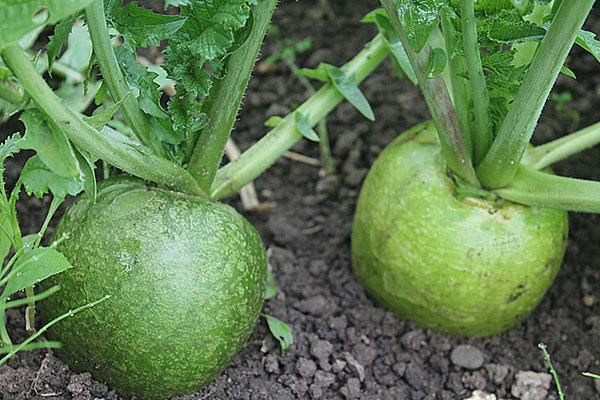
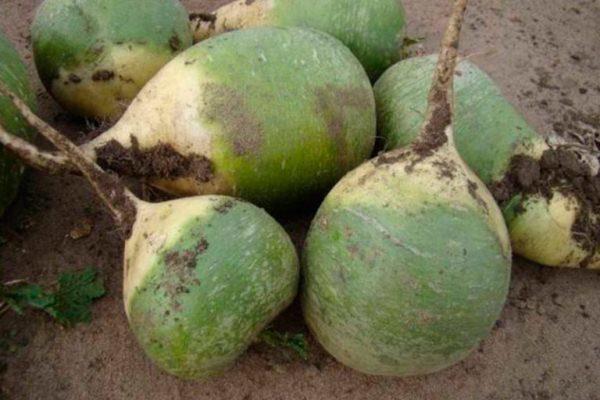
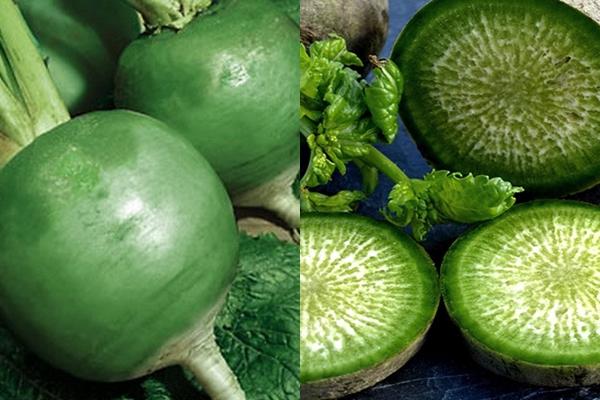
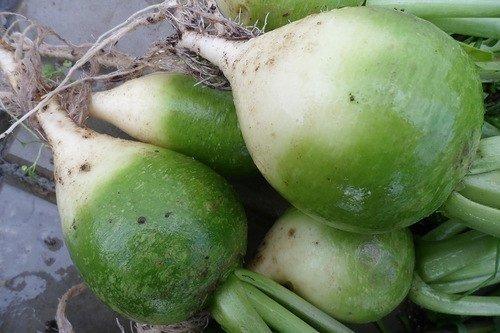
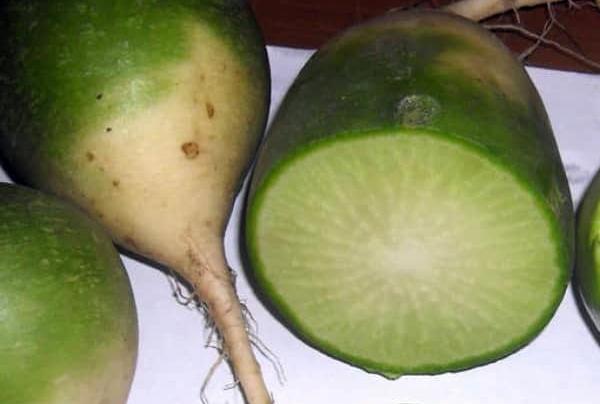
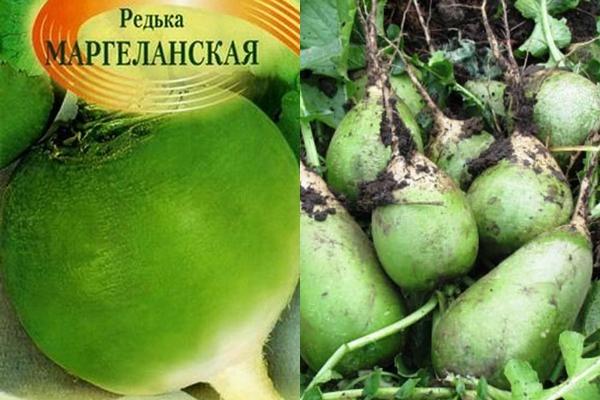
The green, delicious flesh of this root vegetable with dark veins will enhance any salad. Depending on the variety and ripening time, the plant is ready for harvesting in 2-3 months. The outer surface can be emerald, milky, or various shades of red.
The plant's leaves, regardless of variety and interior color, are always a rich green. The flesh is crisp and free of the bitterness common to many radish varieties. The roots are either cylindrical or round in shape. The maximum length of the roots is 160 millimeters, and their diameter ranges from 70 to 100 millimeters.
The weight of 1 root vegetable can reach 1000 grams, but, on average, green radish weighs 300-400 grams.
Benefits and harms
Margilan radish isn't a high-vitamin radish compared to other root vegetables. However, the pulp contains more beneficial minerals and metals. Its easily digestible iron, magnesium, and manganese content, coupled with its low calorie content, make it suitable for dietary needs, gastrointestinal disorders, and obesity.
Eating radish helps normalize kidney and liver function and gently cleanse the intestines in cases of poisoning and constipation. Minerals and multivitamins help increase appetite, normalize the immune system, and stimulate metabolic processes. Radish juice of any kind helps with sore throats.
It is not recommended to eat this type of root vegetable for people with chronic gastrointestinal diseases or if the body has an individual intolerance to the product.
Important! The juicy, non-bitter flesh of Margilan radish makes it suitable for treating children—they enjoy drinking its juice with honey when they have colds.
Preparatory work
Growing green radishes It's possible to grow in virtually any type of soil and in low-light conditions. However, to obtain a decent harvest, the gardener will need to perform a number of preparatory steps and provide the plants with favorable conditions for root growth and development.
Seed preparation
The germination rate and yield of vegetables depend on this work. When purchasing seeds, be sure to check the expiration dates and quality of the seeds. Avoid using wrinkled, dried, or damaged seeds. For screening and preparation, soak the seeds in a weak solution of potassium permanganate with a growth stimulant.
Remove any floating seeds, and soak healthy ones in a nutrient and disinfectant solution for 24 hours. During this period, sprouts will emerge, and the seeds can be planted outdoors.
Important! The main season for planting radishes is spring, but if the weather gets too hot early, the plant may produce flower stalks and the root crop may stop growing. Such plantings should be removed and the seeds resown. Radishes can be harvested before the first frost.

Choosing a site for growing Margilan radish
For planting, select a bed with slightly acidic or neutral pH. Highly acidic soil, when using organic fertilizers, will require liming by adding 200 grams of quicklime per square meter.
It's not recommended to plant the plant in a bed with constant northerly winds or in shaded areas. In these areas, radishes will significantly lag in development, and yields will be low.
Important! When choosing a planting site, consider an area previously occupied by onions, garlic, tomatoes, and all types of legumes. It is not recommended to grow Margilan radish in areas previously occupied by cruciferous plants.
Landing
Planting seeds in open ground is the primary method of propagating radishes. The process is carried out in several stages.
Soil
The bed is prepared in the pre-winter period:
- organic and mineral fertilizers are evenly scattered over the entire surface of the bed at the rate of 5-6 kilograms of manure or compost, 200 grams of superphosphate, up to 40 grams of magnesium and 200-300 grams of wood ash per 1 square meter;
- they dig the ground with a bayonet, removing all the roots of weeds and basal shoots of trees or shrubs;
- Radishes are best grown in raised beds using planks. The soil level is raised by 100-150 millimeters, and the entire surface of the bed is covered with a nutrient solution of organic and mineral fertilizers.
- Do not apply fertilizer to the soil immediately before planting. Fresh manure can reduce the root crop's flavor and shorten its shelf life.
Planting dates
The main planting of root crops is done in the spring. The timing depends on the early maturity of the vegetables, the characteristics of the variety, and the climate zone. When the temperature is stable and at least 18°C , the plants are actively growing, but the seeds hatch at a soil temperature of 4 If spring comes early and the heat begins before the roots have set, the radish's size will shrink significantly, requiring summer planting.
It is carried out at an average daily temperature of 25-27 In northern regions, the best time to plant radishes is late July or early August. As the heat gradually subsides, gardeners will have time to stock up on juicy Margilan radishes before the frost sets in.
Boarding procedure
The work is carried out in several stages:
- When planting early, moisten the soil with a watering can and cover it with black plastic or covering material a few days beforehand. This will allow the soil to quickly warm up to a comfortable temperature.
- The soil is loosened and furrows are made with a hoe. The depth is 20-30 millimeters. The distance between rows is at least 300 millimeters;
- Place a few seeds into the furrow at a distance of 100-150 millimeters. Then, you can select a strong seedling and remove the second one or transplant it elsewhere;
- If the seeds are planted using the "square-nest" method, the holes with the seeds are arranged like on a chessboard, and several seeds are placed in each;
- the seeds are covered with loose, light soil, the ground is watered with a “rain” from a watering can and covered with a layer of sawdust or peat to mulch the bed;
- It is recommended to cover the bed with film to create a microclimate, which is removed 4-5 days after the first sprouts emerge.
Important! The minimum seed consumption rate for early varieties is up to 2 grams per square meter, and for late-ripening radishes, 0.6 grams per square meter.
Care
Maintenance does not require much time and effort, but these operations must be performed with full responsibility.
Thinning
This is an important procedure, as dense planting leads to bolting and reduced root size. If planting is too dense, 2-3 thinnings will be required per season, leaving only the strongest seedlings:
- When the first two paired leaves appear on the bushes, pull out the weak plants, leaving a minimum gap of up to 150 millimeters. If the bushes are strong, they can be transplanted with the root ball to a new location, but such a seedling will lag behind in development.
- Radishes are beginning to set. Weak shoots and plants with discolored foliage should be removed.
- The root crops have grown to a size of 5 millimeters; all excess plants are removed, leaving a row spacing of 200 millimeters.
Tip! Be sure to remove large, yellowed leaves to prevent them from sucking up the sap needed for radish growth.
Watering
The plant doesn't like excess water, but requires the soil beneath the bushes to be kept consistently moist and loose. To address the watering issue, it's recommended to install a drip irrigation system, regularly replenish the mulch layer, and loosen the soil after each watering.
During dry periods, increase the frequency of watering while maintaining the same volume. During rainy summers, reduce watering to a minimum.
Important! Excess moisture can cause fungal diseases. A plant affected by rot will grow more slowly, which will reduce radish yields.
Top dressing
During the growth period of the crop, it is fed at least twice:
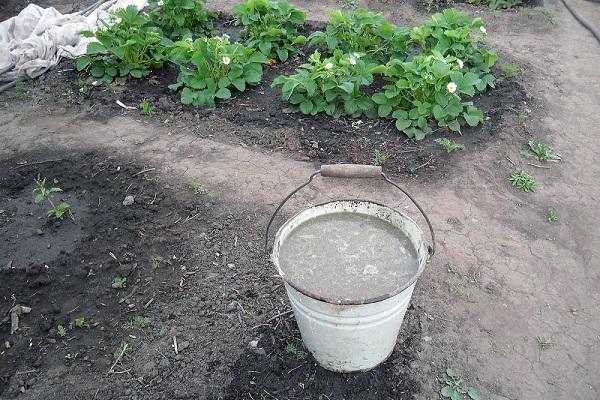
- After the first thinning, it's time to fertilize the plants. Roots may have been damaged during transplanting, causing the plant to lag in growth. Apply a layer of sifted wood ash at a rate of 200-200 grams per square meter.
- The second procedure is carried out when the radish ovaries begin to grow. This is the time to use any ready-made solution containing potassium-phosphorus fertilizer.
Prevention of diseases and pest damage
Among the pests, we should highlight the cabbage flea beetle and slugs. To control them, preventative treatments with tobacco leaf infusion or dusting with wood ash are necessary. As a preventative measure, it is recommended to plant marigolds between the rows; their aroma repels cabbage flies and flea beetles.
To combat slugs, use trapping belts between rows. After digging a deep trench around the radish row, fill it with ash and lime. This barrier prevents slugs from crossing. And, of course, constantly loosen the soil and collect the slugs.
The only disease that stands out is gray mold, which occurs due to overwatering. Severely affected plants are treated with any fungicide solution and the amount or volume of watering is reduced.
Harvesting and storage
The minimum ripening period for Margilan radish is 60 days. Harvesting is best done during the warmer months, when the soil has dried out. Seven to eight days before harvesting, the tops are pressed down with feet to ensure the radish receives more nutrients. In heavy soils, the roots will need to be dug up with a shovel; in light soils, they will grow freely with their tops.
Important! It is not recommended to delay harvesting radishes. Overripe roots become tough and have dry flesh.
The harvested crop is left in the garden bed for several hours to dry. During this time, the radishes are sorted, damaged roots are set aside for edible use, and the whole ones are stored in bulk in a cellar or basement. The roots can be stored in plastic bags with the neck slightly open. The humidity level in the room or bag should be 80%.
Conclusion
Preparing, planting, and caring for Margilan radish doesn't require much time or effort from gardeners. But a harvest of juicy and nutritious roots will help combat winter vitamin deficiency and keep children and loved ones healthy during colds and sore throats. And delicious and healthy radish salads with their colorful flesh will brighten any holiday table.
Related posts:
 The health benefits and contraindications of green Margilan radish
 The benefits and harms of Daikon radish for the human body, medicinal properties and contraindications
 Planting times and care guidelines for black radish in open ground
 Agricultural technology for growing and caring for radishes in open ground, when to plant
 The health benefits and contraindications of black radish
 Description of the Watermelon radish variety, planting and care, benefits and harms
 Descriptions and names of varieties and the best types of radish, planting and care
 Red Meat radish benefits, salad recipes and medicinal uses