
- History of appearance
- Description and characteristics of oilseed radish
- The main beneficial properties of the plant
- As a green manure
- Like a honey plant
- As a forage crop
- Application
- In cooking
- In the food industry
- In pharmacology
- In cosmetology
- In production
- Popular varieties
- Fertilizer cultivation technologies
- When to sow oilseed radish
- Seeding rate
- Soil and fertilizer
- How to sow
- Care instructions
- Collection and storage
- Using the crop as green manure
Gardeners use green manure crops to improve soil quality and increase fertility. One such crop is oilseed radish. Besides enriching the soil, it produces a good harvest and is used not only for food but also in pharmaceuticals, cosmetics, and can even be an excellent honey plant. However, to reap these benefits, oilseed radish must be properly cared for as a green manure crop.
History of appearance
Oilseed radish, or field radish, was first cultivated in ancient times in Asia. From there, it later spread to Europe, North America, and even Australia. No wild forms of the plant have been discovered.
Description and characteristics of oilseed radish
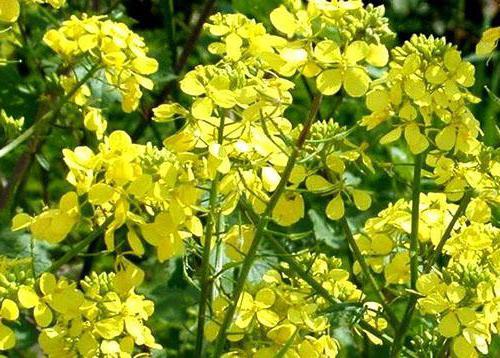
Oilseed radish is an annual or perennial herbaceous plant. It belongs to the Brassicaceae or Cruciferae family. Its uses are wide-ranging, from being planted as a green manure to culinary and cosmetic uses, thanks to the high oil content of its seeds (approximately 50%). However, it does not form a root vegetable; the root itself is highly branched. Its yield of green matter is high; when planted at different times, it can yield up to three harvests in a single season.
The main beneficial properties of the plant
The properties of this type of radish are not limited to just one application. But its main benefit lies in improving the soil, enriching it with essential nutrients.
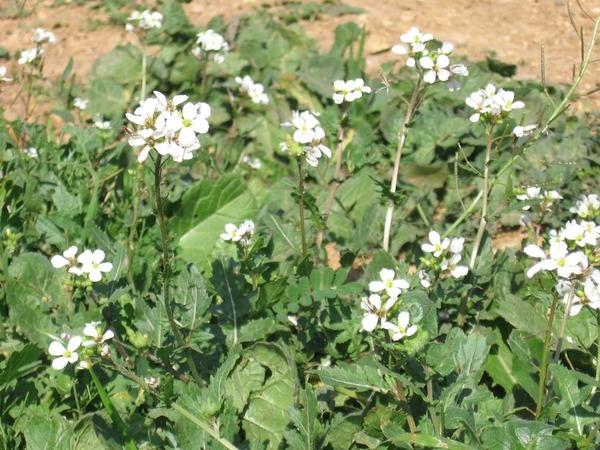
As a green manure
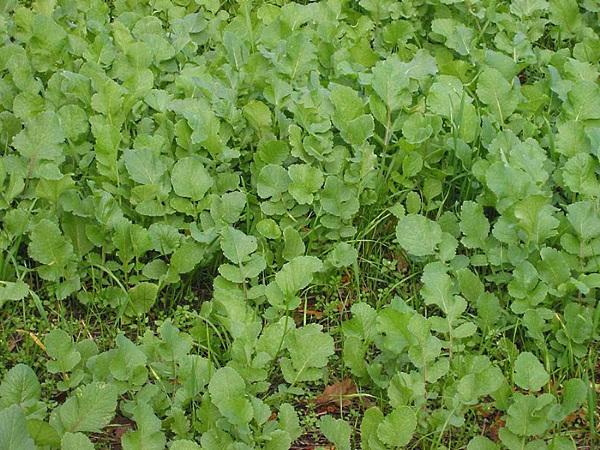
It's no wonder this crop is so often used in gardens to improve soil quality. It increases yields even when the soil is severely depleted and other plants are suffering from severe disease. It possesses all the necessary properties:
- it grows quickly and lushly, producing a lot of greenery, which is then used to cover the soil and enrich it;
- the root is long, branched, and goes much deeper than the root system of other plants, as a result, the radish carries nutrients to the surface from layers that other crops themselves would not reach, and loosens the soil;
- suppresses almost any weeds;
- protects the soil from overheating, dryness, weathering and freezing, so it is worth leaving it for the winter;
- repels pests, but is attractive to pollinators;
- undemanding to the soil.
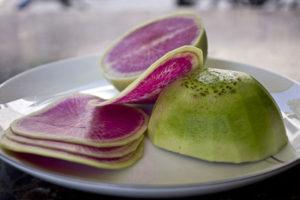
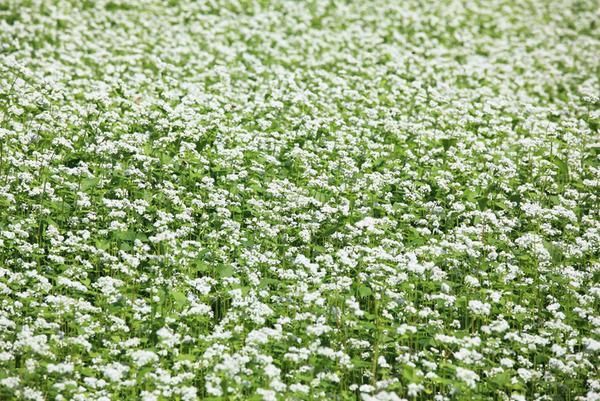
However, this green manure is not suitable for plants in its own family, the Cruciferae (cabbage and others). It enriches the soil well after winter and early spring grain and vegetable crops. It is also planted among perennial grasses in the final year of vegetation.
Like a honey plant
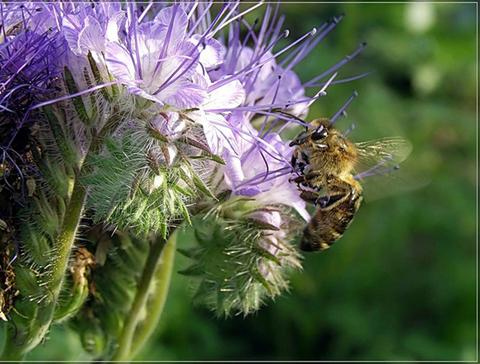
The honey-producing properties of oilseed radish are not inferior to its qualities as a green manure:
- blooms and, accordingly, produces nectar for about a month;
- nectar secretion does not depend on weather conditions and blooms early in the morning;
- honey can be collected already in spring;
- Honey has a pleasant aroma, is very healthy, contains glucose, fructose, and sucrose.
But honey crystallizes very quickly, so it must be removed from the honeycombs as quickly as possible and not left over the winter.
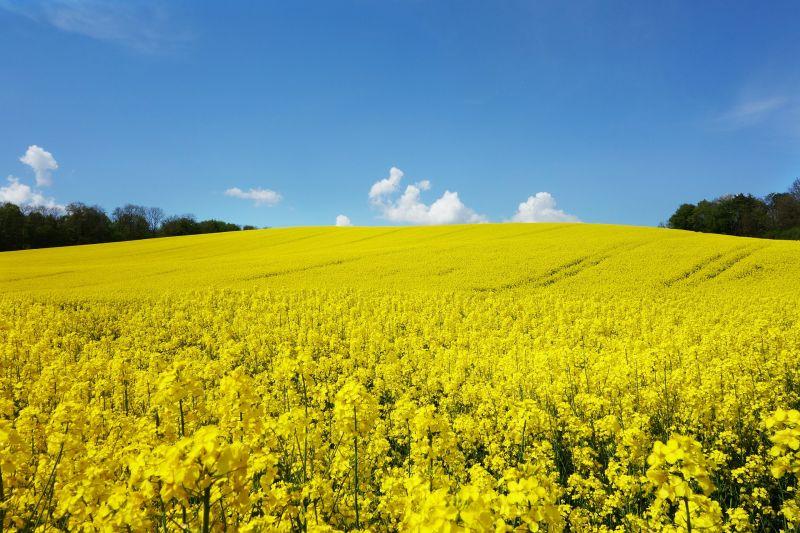
As a forage crop
Thanks to its cold tolerance, raspberry radish is suitable for grazing even in late autumn. It is highly nutritious and comparable in nutritional value to other forage crops and mixed feed. It has a high protein content – up to 26% (compared to 9% for corn). Livestock are fed fresh greens, silage, hay, and grass meal.
Application
The seeds of the plant, from which oil is produced, are used in various industries. But the leaves also have beneficial properties.
In cooking
Despite the lack of roots, raspberry radish has found wide culinary uses. Its healthy and delicious leaves are used, soaked in cold water before being cooked. They are added to salads or cabbage soup before serving.
In the food industry
Enriched vegetable oils are produced from radishes. However, their production is labor-intensive and expensive, so such products are rarely used in the food industry. Much more commonly, the protein is isolated, accounting for up to 30% of the plant's total weight. This protein is then used to make sports nutrition.
In pharmacology
In this industry, oilseed radish has found two uses:
- The oils and essences used to create preparations are most often vitamins.
- Herbal infusions and teas with dried leaves help combat stress, headaches, and tension.
In cosmetology
The oil from the seeds of this plant is also used in cosmetology for massage. It has a relaxing and warming effect. It is also often found in hair conditioners and balms. After using these products, hair is left with a light honey scent and acquires a beautiful shine.
In production
The oil's versatility is also demonstrated by its industrial applications. It is used to produce diesel fuel oil for industrial machinery and anti-corrosion lubricants for metal instruments.
Popular varieties
Numerous varieties of oilseed radish have been developed. Among them, the following have gained particular popularity:
- Sabina;
- Nika;
- Jumper;
- Brutus;
- Rainbow;
- Tambov resident.
Fertilizer cultivation technologies
This plant is easy to grow, but there are some planting guidelines. Following them will help you get more greenery in a single season.
When to sow oilseed radish
The best time to sow is April. The crop will yield the largest harvest then. A second planting should be done in August, after the 10th; in the south, after the 20th. Later sowings produce little green mass.
Seeding rate
Everything depends on the planting time, and the number of seeds used changes in different seasons:
- In April – 2-3 grams of seeds per 1 square meter.
- When planting in August, the norm increases approximately twofold – you need to plant 4-5 grams.
This crop grows well alongside spring vetch if planted in a ratio of 1 to 6. The radish's stems will then act as natural support, preventing the vetch from spreading along the ground and allowing it to grow upward with the help of neighboring plants.
Soil and fertilizer
Oilseed radish is one of those crops that doesn't require careful site selection or specific soil composition. It thrives in dry soil, as its long roots can extract the necessary moisture from the deepest layers of the soil. However, slightly acidic soil, sandy loam, loamy soil, and drained peatlands are ideal.
Fertilizing is required in sod-podzolic soils or areas with slightly alkaline soil. Organic fertilizers (such as humus or specialized preparations) or mixtures with soil microorganisms are well suited for this purpose.
How to sow
The technology for sowing oilseed radish is quite simple:
- The soil must be loosened, for example, with a flat cutter.
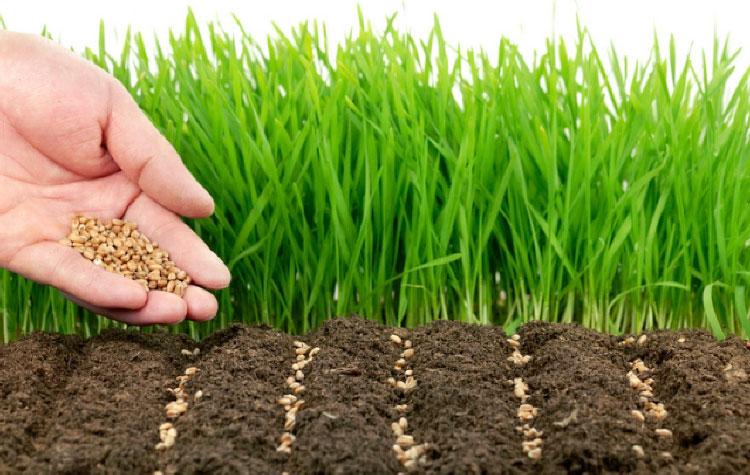
- To make planting easier, mix every 50 grams of seeds with 100-200 grams of sand.
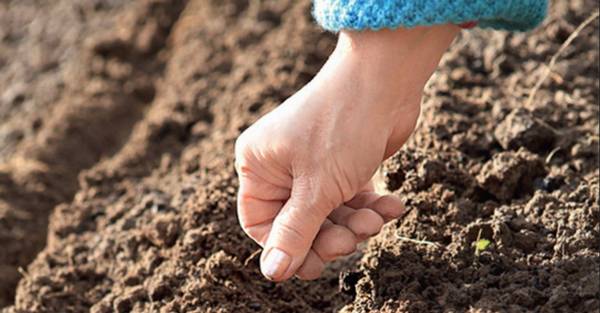
- Spread this mixture evenly over the garden bed.
- Using a flat cutter, you need to deepen the seeds into the ground by 2-3 centimeters.
- The first sprouts will appear in 4-7 days.
Take a look Also

Care instructions
The first shoots emerge quickly, especially in warm weather. After this, the plant requires regular watering. It reaches full maturity in 40-50 days. Around this time, the area should be dug over. It's important to do this before the flowers appear, otherwise there's a risk of the radish being re-seeded.
Collection and storage
To collect the seeds, simply wait for them to dry naturally, right on the stem. They won't crack, and the pods retain their shape perfectly. They are harvested in late autumn; additional drying or storage is not required.
Using the crop as green manure
There are three ways to use radish as green manure:
- as compost;
- for mulching;
- digging up the stems.
Digging is recommended only if the stems are short. Otherwise, they can be mowed down or chopped into small pieces using a sharp shovel.
When radishes grow too tall, place the tops you cut off in a pit of compost – this will help them rot faster. Spread the remaining greens over the desired area as mulch or dig them in for fertilizer. The main thing is to leave the rhizomes alone. If you leave them under the snow all winter, the roots will improve the composition and quality of the soil.
Related posts:
 The health benefits and contraindications of green Margilan radish
 The health benefits and contraindications of black radish
 Descriptions and names of varieties and the best types of radish, planting and care
 The benefits and harms of Daikon radish for the human body, medicinal properties and contraindications
 Planting times and care guidelines for black radish in open ground
 Description of the Watermelon radish variety, planting and care, benefits and harms
 Growing, planting, and caring for Margilan radish in open ground
 Red Meat radish benefits, salad recipes and medicinal uses