
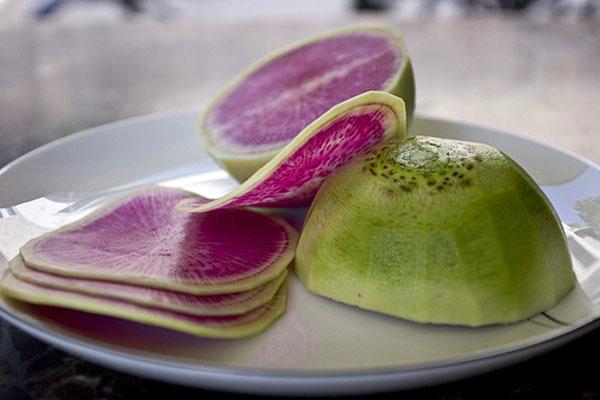
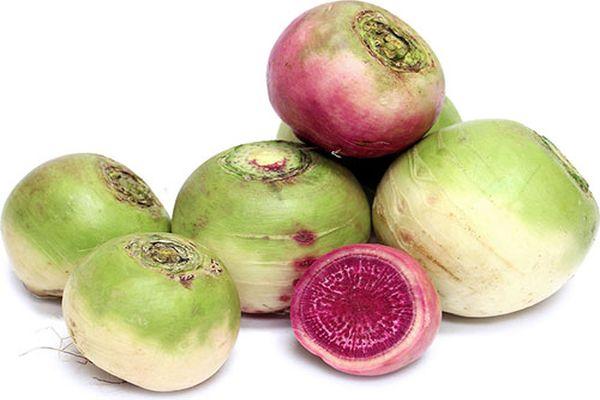
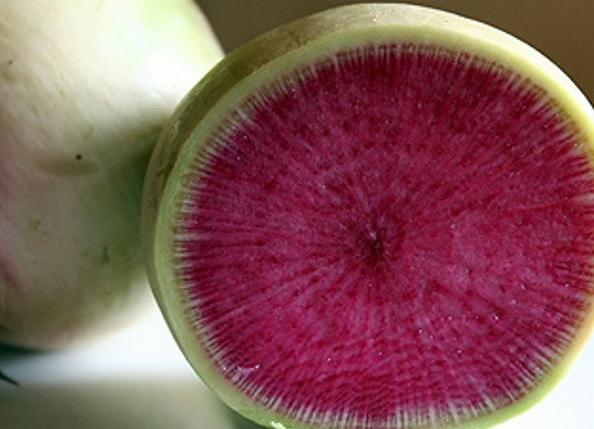
Pink radish is a very interesting crop. It has a number of distinctive features. These include the size of the fruit, which weighs 250-350 grams, and its pink center. To this day, no one knows for sure how and where this interesting variety originated. Some believe it was created by breeding two crops (a radish and a common radish). Others claim it's simply a common variety. Gardeners value this vegetable for its flavor and ease of cultivation.
Description of the variety
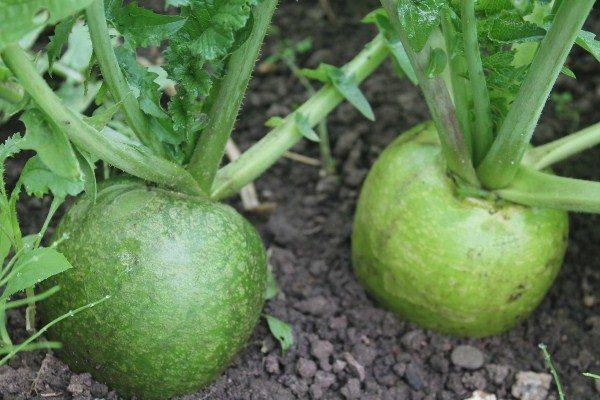
The flesh of this plant is juicy and dense. The root resembles an uneven, bloated sphere, although cylindrical specimens are sometimes found. The interior is red and the skin is white. The flesh has a pungent flavor.
Radish Daikon varieties The result of selective breeding in Japan, it soon became popular both in its homeland and worldwide. This variety is prized for its excellent taste and the beneficial components (minerals, trace elements, vitamins, and so on) it contains. Eating this product provides the body with many essential nutrients.
Another name for the variety is Misato. It was brought to Russia relatively recently, but that hasn't stopped it from becoming popular among many locals.
Full ripening occurs in 120-150 days. Long-term storage is possible, as the root vegetable does not spoil quickly and retains its original appearance. Radish is highly frost-resistant, so it can withstand low temperatures. However, leaving daikon in the ground for too long (after the onset of cold weather) is not recommended, as this will significantly degrade its appearance and flavor.
 Pink radish of Japanese origin does not tolerate temperatures below -5-8 ABOUTC. If the vegetable is left in cold soil for a long period of time, this will reduce its shelf life and negatively affect the pulp.
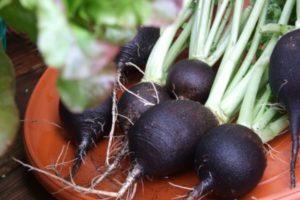
It's important to remember that both low and high temperatures negatively impact the health of vegetables. They begin to spoil and wither, the amount of beneficial nutrients decreases, and their immunity to disease weakens.
Gardeners constantly note the product's key feature—the fruit itself forming during flowering. It ripens reliably and on time. With careful and proper care, each fruit will be perfectly even and uniform in shape.
Calorie content of red radish
There are approximately twenty calories per 100 grams of daikon. This is quite low. Because of this quality, daikon is often used as a key ingredient in dietary dishes that aid weight loss. Furthermore, the vegetable is rich in micronutrients (sodium, copper, calcium, phosphorus), vitamins, minerals, and other beneficial components.
Beneficial properties
Radish contains many medicinal and beneficial substances. Daikon is a key ingredient in traditional medicine recipes.
Doctors often advise people suffering from anemia to add radish juice of this variety to their diet.
By adding a small amount of honey, a person gets a good remedy for colds that even a small child will not refuse.
People suffering from joint pain, radiculitis, or rheumatism use a daikon radish decoction (tincture) to combat these problems. It consists of the vegetable's juice and vodka. The prepared solution should be rubbed into the affected areas.
Radish is used for kidney diseases, problems with the gallbladder and kidneys.
This isn't the entire list of pink radish's medicinal properties. It also contains other beneficial components, namely:
- Ascorbic acid - it can enhance the body's immune functions, thereby reducing the risk of viral and bacterial diseases;
- fiber - helps remove toxins and waste, normalizes intestinal peristalsis, improves digestion;
- Volatile phytoncides participate in the process of cleansing the body of harmful bacteria and increase resistance to viral and fungal diseases.
Take a look Also

Harmful effects of Daikon
No matter how much Daikon radish is usefulIt also has harmful properties. Women should avoid this vegetable during pregnancy and lactation. Daikon contains substances that can accumulate in the body and cause uterine contractions. This can sometimes lead to miscarriages. Nursing mothers should also avoid radishes, as even small amounts can cause allergies in babies.
Contraindications
Not only should pregnant and nursing women avoid radishes. This vegetable should also be avoided by those suffering from enterocolitis, digestive diseases, or heart conditions.
Features of cultivation
Before planting seeds in the soil, it's best to wait until daylight hours reach 10 hours or more. Under these conditions, the crop develops faster and better. The sowing season is early spring. Pink Daikon radish thrives in non-acidic, loose soil.
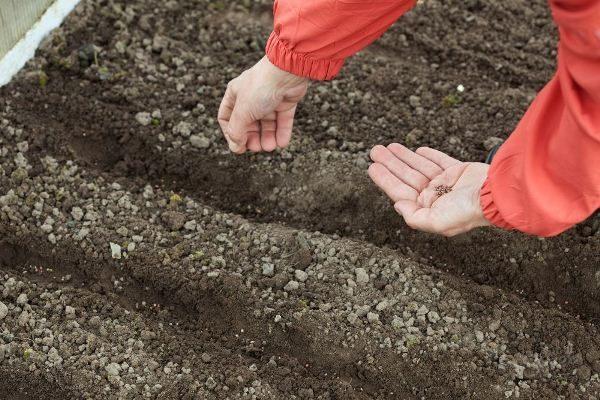
Plant seeds at a distance of 18-23 centimeters. Larger specimens should be planted every 30 centimeters.
Before sowing, it is recommended to prepare the soil (dig and fertilize):
- After the preparatory activities, holes are dug (depth 2 centimeters).
- Place seeds in them (2-4 pieces)
- Cover with a thick layer of soil.
- The next step is watering.
- Mulch with straw or hay.
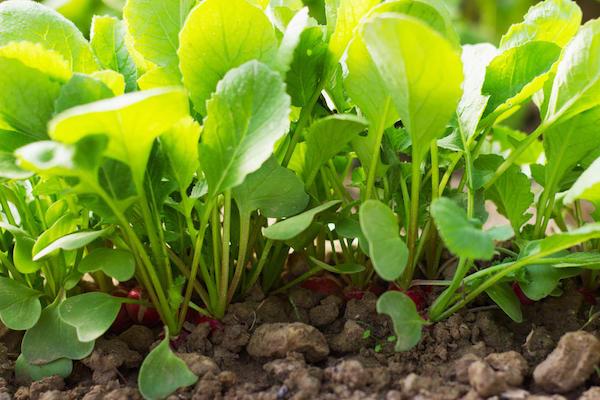
Pink radish doesn't require much care. It requires periodic watering, weeding, and loosening the soil. Daikon radish prefers moderate moisture, so overwatering is not recommended. Overwatering will negatively impact the roots (they'll simply crack). Watering three times a week is recommended. Weather conditions should also be taken into account.
Daikon needs to be hilled up because it grows above the soil. This will help it retain moisture and prevent it from drying out.
Only late-ripening daikon is fertilized. A mineral-based mixture is used. Fertilizers are applied when the radish fruits begin to form.

Storage
Not recommended storing pink radishes A week or two. By the fifth day, it becomes soft, and the flavor is no longer the same. The situation is different if the vegetable is stored in the cold (it is first packed in a plastic bag with small holes punched in it).
Favorable temperature indicators for storing vegetables are +2 and -2ABOUTC. Humidity - 85% or less.
Culinary uses
Pink radish is fried, boiled, and stewed. But in Russia, it's grated or sliced and eaten. It's sometimes found in salads.
If you add a couple of pieces of radish to a salad with cheese and eggs (boiled), the necessary ingredients will be absorbed much faster.
Related posts:
 The benefits and harms of Daikon radish for the human body, medicinal properties and contraindications
 TOP 10 recipes for preparing pickled daikon for the winter at home, storing the prepared ingredients
 Timing of planting daikon in open ground, care and growing methods, after which to plant
 Tips on when to harvest daikon radish for winter storage
 The best varieties of daikon radish for winter storage and open ground, choosing seeds
 Growing, planting, and caring for Margilan radish in open ground
 Top 10 tips on how to grow and when to plant daikon in open ground in the Moscow region
 The health benefits and contraindications of green Margilan radish