
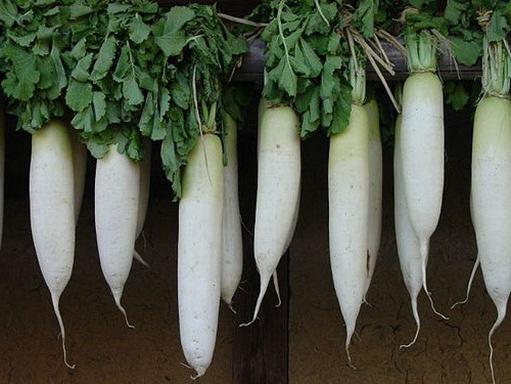
Pickled daikon, a Japanese radish, is increasingly being embraced by cooks and home cooks. This sweet radish is prized for its spicy, tangy flavor and its health benefits. In the Land of the Rising Sun, it's traditionally sliced and served as a side dish or wrapped in sushi. Fresh daikon keeps well in the cellar, right up until spring. It can be canned and enjoyed in winter. This unusual vegetable pairs well with many dishes.
Useful properties of the product
Daikon provides us with the greatest amount of nutrients in the summer. But the benefits radishes can be stored for the winter, through canning. Daikon contains a list of minerals and vitamins: phosphorus, copper, iron, iodine, potassium, calcium, selenium, as well as a full range of B vitamins, which are invaluable for human cellular metabolism. This root vegetable differs from many other plant foods in that it does not absorb harmful substances from the air and soil, including the accumulation of heavy metals.
Despite all the benefits of radish, doctors advise people with ulcers, gastritis, or other gastrointestinal problems to consume it with caution, both fresh and canned.Eating sweet Japanese radish is a good way to cleanse the body, get rid of toxins and lower bad cholesterol.
If you eat it regularly, you can avoid pharmaceuticals. The potassium and calcium contained in radishes easily remove toxins and excess fluid.
Drinking half a glass of juice daily can help restore calm and maintain a positive mood, as this drink strengthens the nervous system. It not only reduces aggression but also helps with weight loss. 100 grams contains only 18 kilocalories.
Prepare the necessary ingredients
Pickled daikon is a delicious side dish for meat and fish dishes, and can also be eaten on its own as a healthy snack. To prepare this dish, you'll need the following basic ingredients: daikon and marinade.
Take a look Also
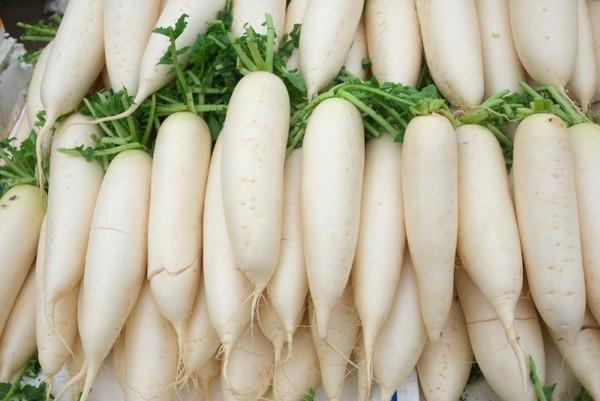
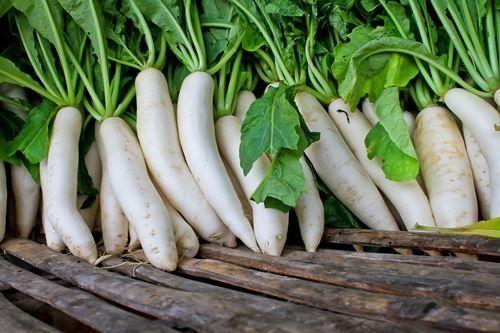
Japanese radish is grown in many European countries, the United States, and Brazil. It has many culinary advantages: it requires no special storage conditions, and its beneficial properties remain virtually unchanged over time.
Daikon is best harvested from the garden in dry weather, pulling it from the soil by the tops. Fresh daikon roots are refrigerated or stored in a cool place, such as a basement or cellar.
To prepare pickled daikon, rinse it in cold water using a special brush. Then, peel it like a carrot or potato, rinse it again, and let it dry. To shred the radish, you can use a grater to create thin slices.
Preparations for the winter
Gardeners who grow daikon often face the question of how to preserve this healthy root vegetable for future use in simple, home-cooked conditions. The optimal way to preserve essential vitamins and minerals, as well as the flavor of Japanese radish, is to pickle it. There are several recipes for preserving this root vegetable.
Cooking in a classic marinade
Pickled daikon, made according to the classic recipe, is a delicious and unique spicy dish. To prepare it, you'll need:
- 400 grams of daikon;
- 3 tablespoons of sugar;
- 3 teaspoons of salt;
- 60 grams of table, rice or apple vinegar;
- a pinch of turmeric, paprika, curcumin, saffron or other spices to taste.
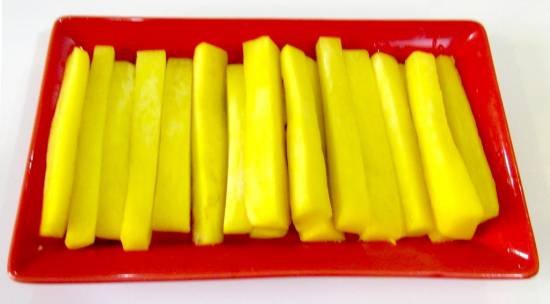
To prepare daikon in a classic marinade, wash the roots thoroughly, remove any blemishes, dry them, and chop them finely. In Japanese tradition, it's customary to cut daikon into strips. Before placing the radish in jars, sterilize the containers, steam them, and let them dry on a clean cloth. The chopped radishes can be placed in the dried jars, strip-side down.
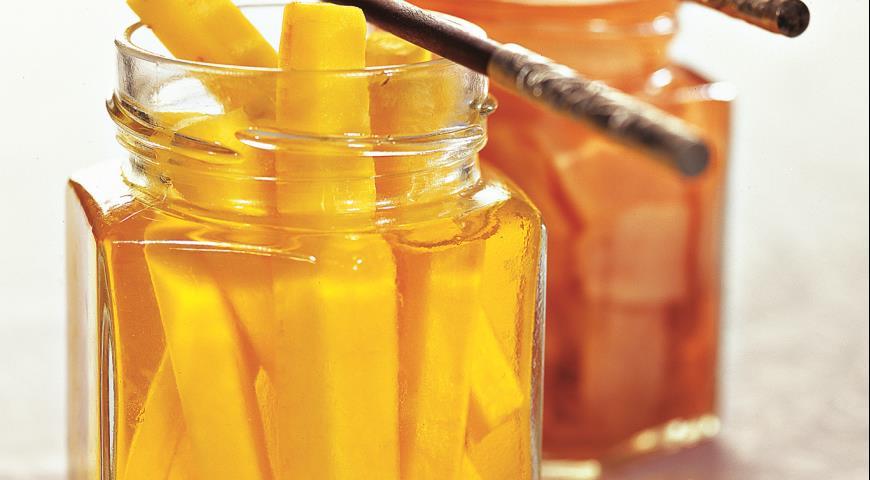
Now you can prepare the marinade. Boil water in a saucepan, add sugar, salt, and your chosen seasonings, then pour in the vinegar. Cool the resulting marinade slightly, then pour it into the jars containing the daikon. Tighten the lids tightly, turn the jars upside down, and leave at room temperature for a week.
After this period, the pickled daikon can be stored in the refrigerator or cellar.
Japanese-style pickled
The process for preparing Japanese daikon is almost identical to the classic pickling recipe, as it originates in Japan. Residents of that country love this dish so much that they serve it on weekdays and holidays alike.
Take a look Also

To give daikon its delicate sweet and sour taste, the Japanese resort to several secrets of its preparation:
- For pickling, you need to take the freshest, youngest root vegetables, without any defects, they should crunch loudly when bitten;
- It is recommended to replace table vinegar with rice vinegar, it is milder;
- Saffron must be present in the dish as a seasoning.
Korean preparation
You can pickle radish deliciously and easily using this Korean-style daikon recipe. This delicious appetizer is a favorite among lovers of Asian cuisine.
Korean daikon is prepared from:
- 2-3 medium-sized Japanese radish roots;
- onion heads;
- ¼ cup olive oil;
- several cloves of garlic;
- 20 milliliters of table vinegar 9%;
- teaspoon of coriander seeds;
- salt to taste;
- pinches of dried chili pepper.
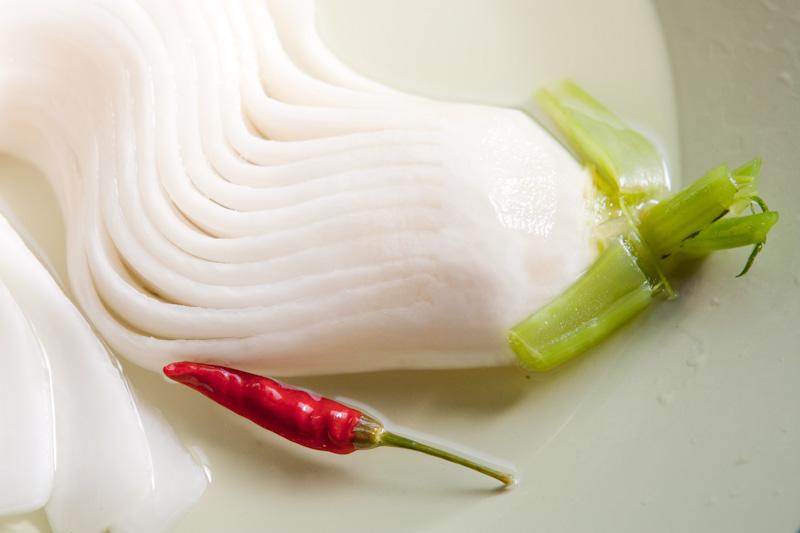
To prepare the marinade, crush the garlic and grind the coriander seeds. Pour in the vinegar and add pepper. Finely chop the onion, place it in a frying pan, and sauté in butter. After it cools, add the vegetable oil used for frying to the marinade. Leave the onion in the pan; do not add it to the marinade.
Wash, peel, and finely chop the daikon. Place the vegetables in the marinade, mix well, and let sit for 2-3 hours. After this time, the spicy dish is ready to eat. To make the preparation not only appetizing but also beautiful, you can add a pinch of turmeric. This gives the pickled daikon a yellow tint.
Recipe with turmeric
It's easy to treat your family and friends to an original appetizer – pickled radish with turmeric.
For this you will need:
- fresh daikon – 200 grams;
- water – 100 milliliters;
- rice vinegar – 100 milliliters;
- sugar – 100 grams;
- salt – to taste;
- turmeric - half a teaspoon.
To prepare the marinade, combine rice vinegar and water in a saucepan, then add turmeric and sugar. Heat until the sugar dissolves. Remove the saucepan and let cool. Wash the daikon, peel it, and cut into half rings or strips. To remove any bitter taste, place the daikon in a colander, sprinkle with salt, and let it sit for about an hour.
Take a look Also
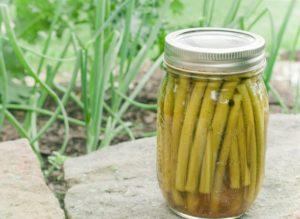
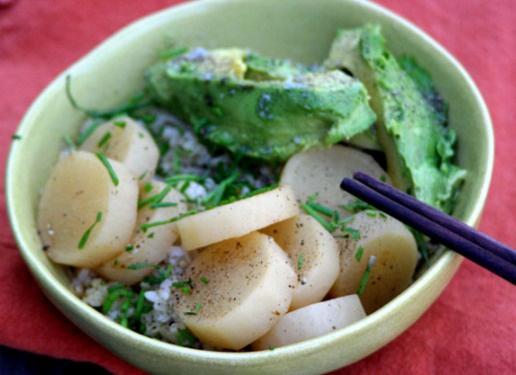
Rinse off the salt, transfer the pieces to a jar, and pour the cooled marinade over them. Seal the jar tightly and refrigerate. The product is ready to eat the next day.
Rules for storing daikon
Japanese radish, if stored in the right conditions over the winter, can retain most of its beneficial properties. You can enjoy it until spring. The best place to store daikon is in a cellar. The temperature in such a room is ideal for root vegetables. However, if you don't have a cellar, you can store the radish over the winter on an insulated balcony, in the refrigerator, or in the basement.
Pickled daikon keeps well until spring in pantries, at room temperature, in sterilized, tightly sealed jars.
Sweet Japanese radish is a wonderful winter food, as it's a source of vitamins and other beneficial nutrients. It's also a great way to treat yourself to an exotic oriental dish during the frosty winter months.
Related posts:
 Timing of planting daikon in open ground, care and growing methods, after which to plant
 Tips on when to harvest daikon radish for winter storage
 The benefits and harms of Daikon radish for the human body, medicinal properties and contraindications
 Description of daikon Sasha, care instructions, planting time, and yield
 Top 10 tips on how to grow and when to plant daikon in open ground in the Moscow region
 How to Grow Pink Daikon Radish: Its Health Benefits and Culinary Uses
 The best varieties of daikon radish for winter storage and open ground, choosing seeds
 Recipes for pickled Chinese cabbage in quick-cooking jars and how to preserve it for the winter