
When growing unusual radish varieties, gardeners need to understand a number of nuances and adhere to proper agricultural practices. To get a bountiful harvest of daikon, it's important to understand the planting and care instructions. Timing is also crucial, as planting this crop at the right time promotes the ripening of large, juicy fruits.
Planting in open ground
To grow the crop, you can resort to the seed method.
Planting daikon in open ground involves the following steps:
- moisten the beds and make furrows or small holes;
- Place the seeds at a distance of 20-30 centimeters from each other;
- cover the seed with soil and compact it;
- Mulch the soil with a thin layer of peat.
When planting root vegetables outdoors, you can apply fertilizer beforehand. Fertilizing protects plants from pests and ensures vigorous growth.
Choosing a location
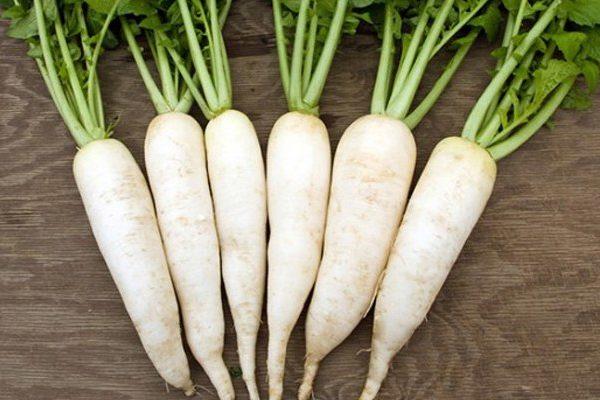
Daikon radish is an easy-to-grow variety, so when choosing a location for a garden bed, it's enough to follow a few basic guidelines. A site with light soil—loam or sandy loam—is ideal. Clay soil can also produce a good harvest, but it will require careful maintenance.
An important factor when choosing a site is constant natural light. Exposure to sunlight promotes rapid and healthy growth of seedlings. The choice of the crop's predecessors is also important. The daikon variety is best grown in areas where cruciferous vegetables have not been grown in recent years.

Soil preparation
The soil for planting must be prepared in advance. Remove the topsoil from the beds with a spade blade, then loosen the soil, add fertilizer, and cover it again. Suitable fertilizers for the soil before planting include humus, well-rotted compost, fresh manure, and superphosphate.
Soil acidity is important for daikon. It should be neutral or slightly alkaline. Highly acidic soil should be limed in the fall, but not at the same time as fertilizing. Applying wood ash to the beds also helps improve soil acidity. Spraying the soil with an alkaline solution adds potassium, phosphorus, and other micronutrients.
Take a look Also

Selection of planting material
There are several varieties of daikon, both locally bred and native to Japan. The choice of radish seeds depends on whether the harvest is to be eaten immediately or stored for a long time. Under suitable conditions, some varieties can be stored for up to six months without losing their nutritional value.
Depending on the choice of planting material, crop cultivation methods vary. In temperate climates, it is recommended to plant only mid-season and early-ripening varieties, as late-ripening ones will not have time to produce a harvest.
When selecting seeds, it's important to first understand how to plant root vegetables. Daikon varieties with any root shape are best suited for loose soil, while oval or round varieties grow best in dense, heavy soil.
Growing seedlings from seeds
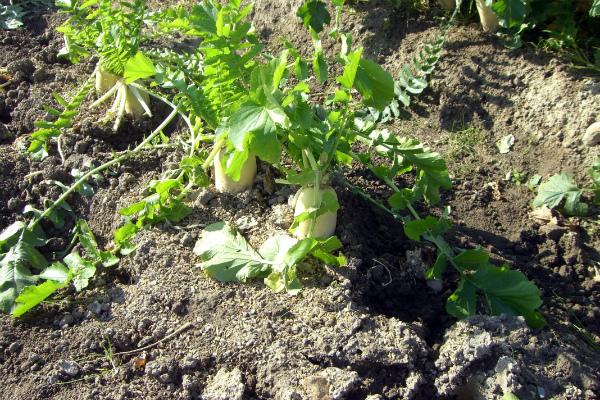
Planting daikon seedlings involves sowing them in peat pots first. These containers will prevent the roots from being damaged during transplantation. To plant the root vegetable seedlings, follow these simple instructions:
- fill the pots with loose fertile soil and moisten the soil;
- Place the seeds in containers and cover with 2-3 centimeters of soil;
- cover the containers with plastic wrap and leave in a warm place;
- After the first shoots appear, remove the film and place the pots in a lighted place;
- transplant into beds when 3-4 leaves appear.
Before sowing seedlings, it's recommended to remove the weakest shoots from the seeds, as they won't produce a good harvest. Removing the weakest shoots helps ensure large, juicy fruits.
It is important that the daylight hours for seedlings are not too long, as this will encourage active growth of vegetation without the formation of a root system.
Planting dates
The period was chosen correctly, When to plant radishes Sowing daikon radish from seeds or seedlings helps to grow a harvest before the first frost. It is recommended to sow seeds outdoors between late April and mid-May. When growing daikon radish from seedlings, sowing should begin in the second half of March. Transplanting the seedlings into garden beds occurs a month later, when the seedlings have developed two pairs of leaves.
In spring, daikon is prone to bolting due to exposure to sunlight and heat. To prevent bolting and ensure proper development, gardeners resort to various tricks, including postponing the planting date. Early-ripening radish varieties can be planted in July for a harvest before fall.
Take a look Also
When to plant before winter
Planting daikon radish in the fall helps make use of empty garden beds after most of the harvest has been collected. Winter sowing is done using the same technique as spring planting. Root crops should be sown in pre-dug holes after the first frost to prevent the seeds from sprouting too early. After planting, the bed should be covered with peat moss and fertilized with compost. Once the snow melts, remove the mulch, loosen the soil, and carry out standard care.
Care
When growing daikon, a number of plant care rules must be followed. Basic care measures include watering, loosening the soil, fertilizing, weed control, and pest control.
Since root vegetables can rise above the soil surface during active growth, hilling is an additional care measure. If you notice that part of the root has emerged from the soil, you should immediately hill the bed to prevent the radish flesh from becoming bitter.
Watering schedule
Radishes produce large fruits, and to ensure they grow juicy, it's important to water the seedlings regularly, preventing the soil from drying out. The soil should be kept moist throughout the growing season. The first watering is required after the emergence of new shoots.
Insufficient moisture leads to bolting, so water regularly—at least twice a week. In dry weather, daily watering is required. A lack of regular moisture leads to cracking and a deterioration in the flavor of the root vegetables.
Weeding
To obtain a large harvest, root vegetables should be grown in loose soil. Thin the seedlings weekly to avoid clods. During periods of prolonged heavy rain, weeding may be necessary. To aerate the soil, it is recommended to combine weeding with aeration.
Top dressing and fertilization
When planting radishes in any type of soil, pre-fertilizing is necessary to promote vigorous growth. Applying fertilizer during the growing season helps produce larger and juicier radishes. Both mineral and organic fertilizers are suitable for the daikon variety.
Diseases and pests
Without proper care and negative external influences, plants are susceptible to diseases and pest attacks.
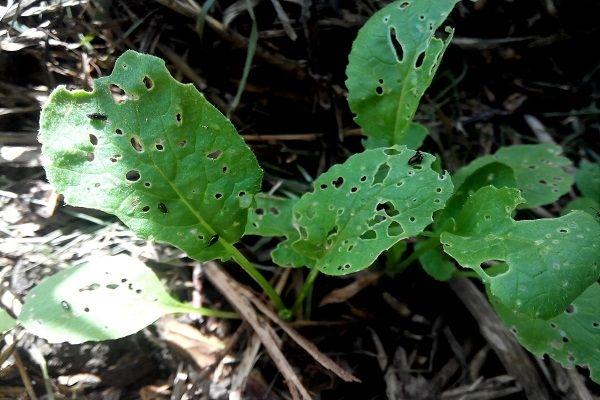
If the soil is too wet, the roots become susceptible to bacterial slime, causing the radishes to soften and darken. Sometimes, signs of the disease are only detected after harvest, when the fruits begin to rot during storage. The plant is also susceptible to diseases such as blackleg, vascular bacteriosis, and mosaic.
The following pests attack seedlings: flower beetle, cruciferous flea beetle, cutworm, aphids and slugs.
Harvesting and storage
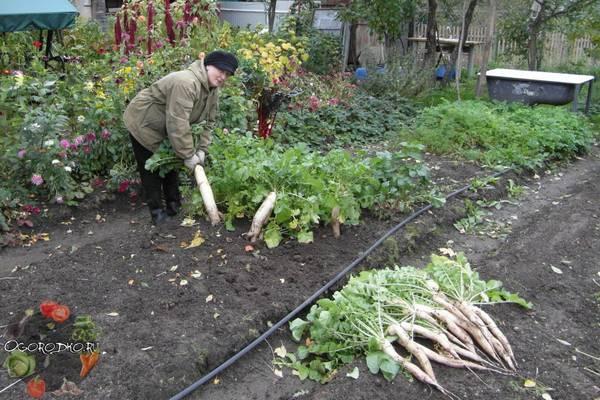
The timing of daikon radish harvesting depends directly on the variety planted. Typically, the harvest is 40-70 days after planting. Root crops sown in the fall are best harvested in October, before the onset of consistent frost. Avoid leaving ripened radishes in the ground for too long, as they can lose their flavor. It's best to harvest on a dry, dry day.
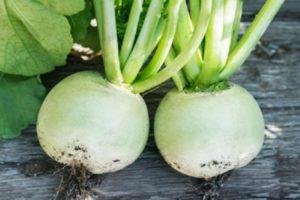
If planted in light soil, the crop is pulled up by the leaves; in other cases, a shovel or pitchfork will be required. After removing the roots from the soil, they should be dried, cleaned of clods of soil, the tops trimmed, and stored. The room where the roots will be stored should be maintained at a temperature between 0 and 5 degrees Celsius. It is recommended to arrange the crop in boxes filled with sand so that the roots do not touch each other.
Varieties of daikon radish
All daikon varieties developed by breeders are classified into several categories based on fruit shape and planting depth. The following varieties are distinguished for temperate climates:
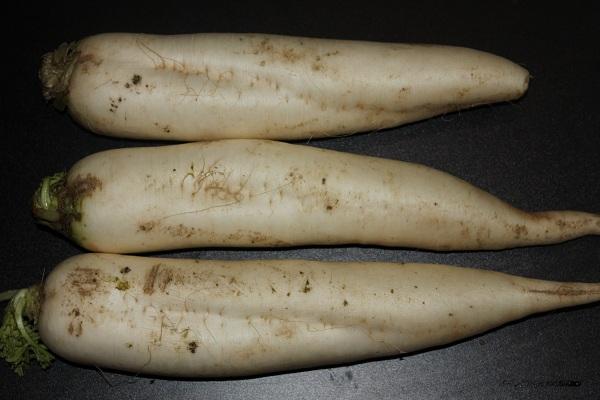
- The Nerime group of varieties features a smooth surface, juicy flesh, and dimensions ranging from 40 to 70 centimeters. The fruits extend into the soil by a quarter of their length.
- An early-ripening variety, Sirogari, produces cylindrical fruits. The radish reaches 25-30 centimeters in length, and is two-thirds deep in the soil.
- The Kameida variety is characterized by compact roots 12-15 centimeters long and two-thirds deep in the ground.
Related posts:
 TOP 10 recipes for preparing pickled daikon for the winter at home, storing the prepared ingredients
 The benefits and harms of Daikon radish for the human body, medicinal properties and contraindications
 Tips on when to harvest daikon radish for winter storage
 Growing, planting, and caring for Margilan radish in open ground
 How to Grow Pink Daikon Radish: Its Health Benefits and Culinary Uses
 The best varieties of daikon radish for winter storage and open ground, choosing seeds
 Top 10 tips on how to grow and when to plant daikon in open ground in the Moscow region
 Description of daikon Sasha, care instructions, planting time, and yield