
Daikon has been cultivated in Japan for centuries. It's only recently that it has appeared in our gardens. But thanks to its exceptional nutritional properties and delicate, non-bitter flavor, this exotic root vegetable has quickly won the hearts of many gourmets.
Breeders have developed varieties adapted to the climate and soil of temperate climates. One of the newest and most popular daikon varieties is Sasha.
Description and characteristics of the variety
The ultra-early variety has the following characteristics:
- Stable yield. Up to 4.5 kilograms of high-quality fruit are harvested per square meter;
- The plant rarely produces shoots. Therefore, it is possible to sow several times per season;
- has high nutritional value;
- Technical maturity occurs after 35-45 days. Under favorable weather conditions, the ripening period can be reduced to one month;
- Long shelf life. Stores for 3 months without loss of flavor or commercial qualities;
- cold-resistant variety;
- resistant to slime bacteriosis;
- Suitable for growing in any region of the country.
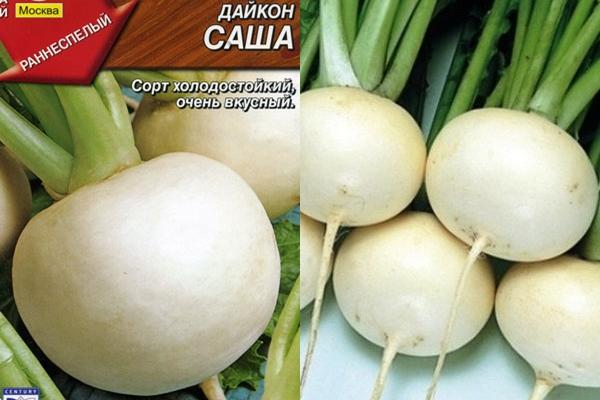
Description:
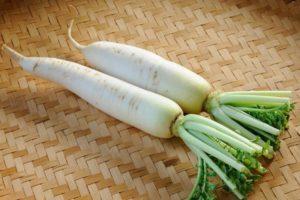
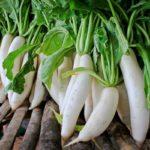
- Radish resembles a giant carrot. The average length is half a meter. It can weigh up to 500 grams. The minimum root weight is 200 grams. The diameter is 10-11 centimeters.
- Suitable for consumption boiled, salted and fresh;
- the taste is delicate, without bitterness. The fruits are juicy;
- Not only the root vegetables, but also the leaves of the young plant are suitable for consumption;
- the flesh is tender white;
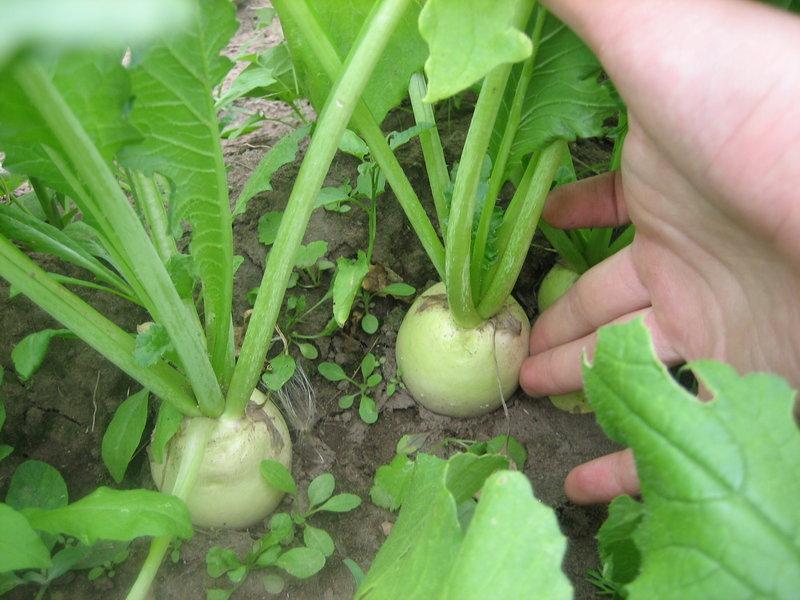
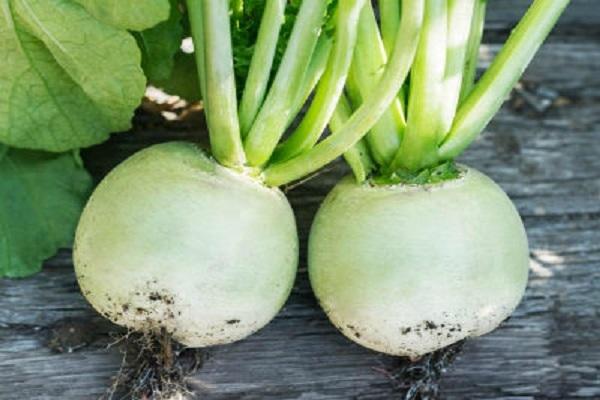
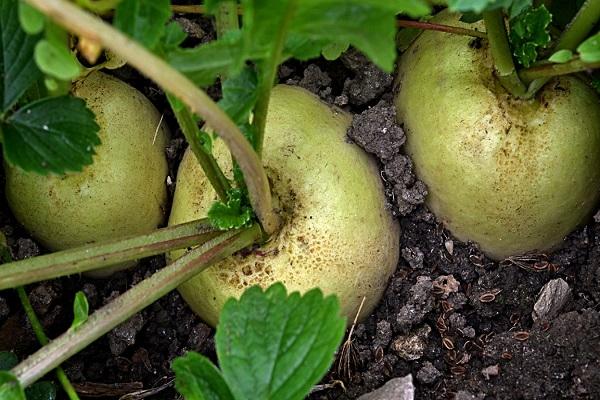
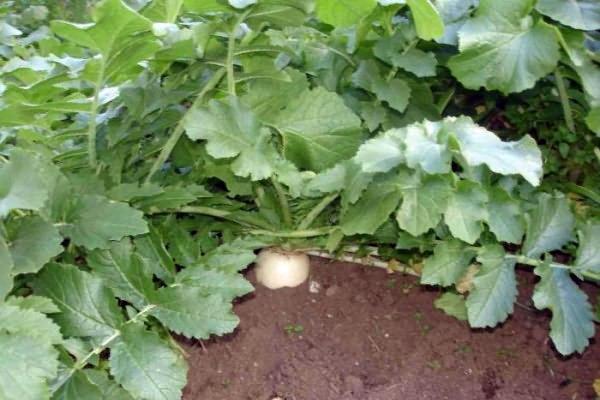
- Half of the fruit is located above the soil surface, which facilitates quick harvesting.
Selecting seeds
The yield depends on the choice of seeds:
- Before planting, check the seeds for germination. To do this, fill a glass with water and sprinkle the seeds over it. After an hour, discard any that float to the surface of the water. They are empty and will definitely not germinate.
- The seeds do not require stimulation or disinfection, as the variety is resistant to bacteriosis.
- Before planting, it's recommended to sort the seeds. If you want to grow root vegetables weighing at least 400 grams, choose full-bodied and large seeds.
Selecting a site for planting
The variety isn't picky about soil composition. However, the best root crops are harvested in light soils fertilized with humus or compost.
Ideal place for daikon after:
- salad;
- peas;
- early potatoes;
- Luke;
- alfalfa;
- green manure;
- lupine;
- dill;
- early varieties of cucumbers;
- parsley.
Ideal soil:
- sandy;
- light loamy chernozem;
- sandy loam;
- forest gray;
- podzolic;
- light chestnut;
- chestnut.
The soil is prepared in the spring. It is dug over and a mixture of:
- buckets of humus;
- 30 grams of complex mineral fertilizer.
This amount is distributed per square meter of beds.
Planting dates
The time for planting seeds depends on the method of further growing the crop.
- To prevent daikon from bolting, plant seeds in early spring and at the end of July. For seedlings, sow the seeds in early April. A month later, transplant them to a greenhouse under plastic tunnels.
- For outdoor cultivation, sow the seeds in late April and store the seedlings on a glassed-in balcony. After the spring frosts have passed, transplant the daikon into the ground. If nighttime temperatures drop below 10°C (50°F), cover the seedlings with plastic wrap.
- Daikon Sasha is an early-ripening variety, so seeds can be planted in open ground until mid-August.
- When planting seeds at the end of summer, you will need to cover the seedlings with film.
The most favorable time is mid-July. At this time, the sun is less aggressive, and daylight hours are shorter. This prevents flower stalks from forming, and the root crop develops better and faster.
Daikon care instructions
Caring for the plant is quite simple. It requires simple instructions.
Thinning
After three leaves have formed, remove weak and damaged plants. To obtain juicy, large fruits, only strong seedlings are needed. If seedlings have not emerged in all areas, the best option is to sow additional seeds in the affected area.
Take a look Also

Watering
Plants are watered regularly. Root vegetables prefer moist soil, so water daily. The ideal time is evening.
Do not allow the soil to dry out, as with little moisture the daikon pulp becomes dry.
Weeding
Weeds should be prevented from becoming overgrown in the beds. Grass should be pulled out by hand. During the growing season, weed three times, then the soil should be loosened. This procedure should be carried out very carefully to avoid damaging the root crops.
Fertilizers
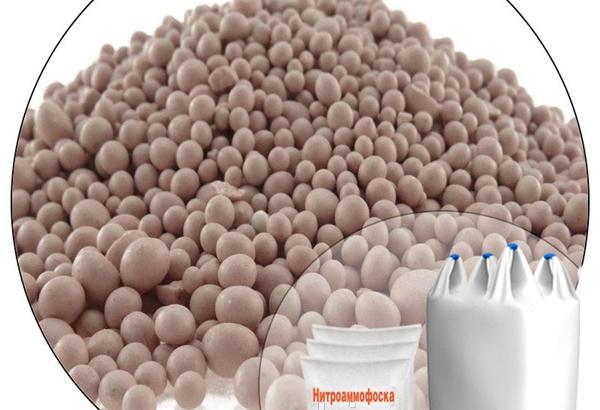
Since this variety ripens early, fertilizing is done only once. This will help prevent nitrate accumulation. Fertilize four days after the first thinning with the prepared solution:
- 10 liters of water;
- 60 grams of nitroammophoska.
Wood ash can be used as a substitute for mineral fertilizer. Apply 50 grams per linear meter.
You can also fertilize with chicken manure diluted with water in a ratio of 1:20.
As the root vegetable grows, its tip begins to emerge from the soil. To prevent loss of nutritional and flavor properties, the plant needs to be hilled.
Diseases and pests
The most common pests:
- Cutworm. To get rid of larvae and caterpillars, water the plant with a weak solution of potassium permanganate. Hot peppers, chopped and soaked in a liter of water, are also helpful. Then, let them steep for half a day and then dilute them in a 10-liter bucket of water.
- Cruciferous flea beetles. These insects can consume entire leaves in a short period of time. To get rid of pests, water the above-ground portions thoroughly and sprinkle them with ash.
- Slugs. They damage root crops, making the harvest unsuitable for storage. To repel them, dig trenches around the garden bed and cover it with ash.
To prevent bacterial slime disease, monitor watering. The soil should not be overwatered.
Harvesting and storage
Basic harvesting requirements:
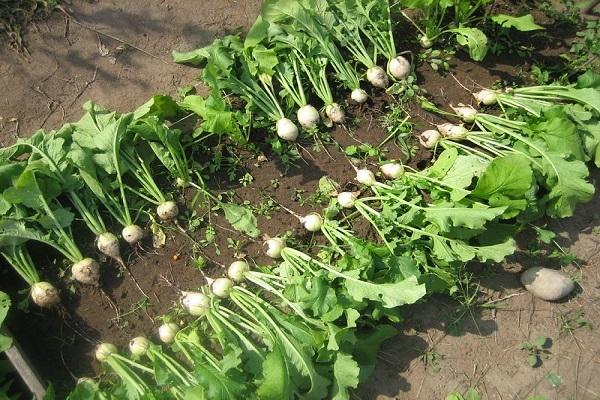
- Depending on weather conditions, harvesting is timed 30-45 days after sowing. Harvesting should only be done in dry weather. Any soil stuck to the roots should air dry and peel off easily.
- Sasha daikon must be harvested with extreme care, as even slightly damaged roots cannot be stored. To avoid losses, pull the plant from the soil by the tops. If the soil is heavy and difficult to remove, use a pitchfork.
- The crop is sorted immediately after harvesting. Whole plants are set aside for further storage. Damaged ones are refrigerated for consumption. Several plants are also selected for seed collection. The tops are trimmed, leaving petioles no longer than 10 centimeters. The spring harvest is best for this purpose, as you'll have fresh seed available in the fall. The prepared plants are refrigerated for 10 days and then planted at an angle in the soil. The daikon is kept in the soil until the seeds are fully ripe.
To preserve the harvest as long as possible, follow these simple guidelines:
- Place in boxes. Sprinkle each layer with damp sand. Moss can be used instead of sand;
- put in the cellar. Recommended temperature: +1 degree;
- To prevent daikon from becoming flabby, it is necessary to constantly keep the moss or sand moist.
If the conditions are met, the vegetable will remain fresh until February.
Related posts:
 TOP 10 recipes for preparing pickled daikon for the winter at home, storing the prepared ingredients
 Timing of planting daikon in open ground, care and growing methods, after which to plant
 The benefits and harms of Daikon radish for the human body, medicinal properties and contraindications
 Top 10 tips on how to grow and when to plant daikon in open ground in the Moscow region
 Tips on when to harvest daikon radish for winter storage
 How to Grow Pink Daikon Radish: Its Health Benefits and Culinary Uses
 The best varieties of daikon radish for winter storage and open ground, choosing seeds
 Is it possible to soak treated cucumber seeds before planting and how to do it correctly?