
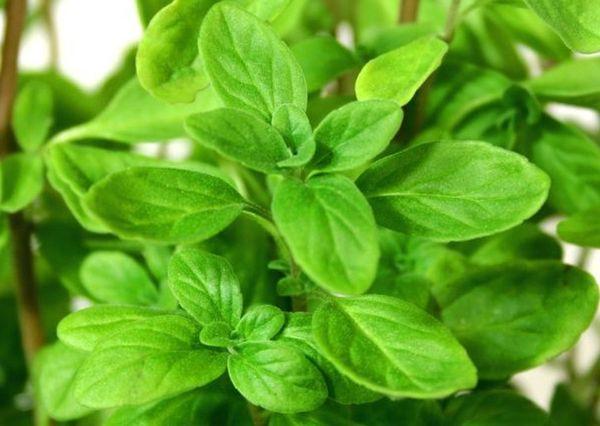
Marjoram (or oregano) is a herbaceous plant used as a component of traditional medicine or as a seasoning. It is sometimes planted to decorate garden plots. Given its unique characteristics, growing marjoram from seed and subsequent care are relatively straightforward. It thrives in central Russia.
Features of marjoram
Marjoram has the following properties:
- length - 20-50 centimeters;
- leaf color - light green;
- leaf shape - oval;
- rhizome - long, creeping.
Oregano is divided into flowering and foliar varieties. The former are distinguished by their abundant flowering and sparse foliage. The latter variety is characterized by a lush crown.
Marjoram is recommended for planting in garden beds to control weeds and improve the taste of vegetables.
Flowers appear on the plant between July and August. Marjoram, with leaves covered in gray-silver fuzz, is usually planted as an annual. However, this plant can grow for several seasons.
Marjoram contains many microelements that:
- relieve toothache;
- stimulate the expectoration of sputum in pulmonary diseases;
- restore the function of reproductive organs;
- accelerate blood circulation;
- normalize the functions of the gastrointestinal tract;
- stimulate the urinary system;
- cope with insomnia.
If marjoram is being planted for decorative purposes, it's recommended to place it near junipers, peonies, or hydrangeas. Oregano should also be grown near cabbage, as it repels cabbage whites. However, marjoram should not be planted near cucumbers.
Marjoram is convenient because it doesn't require any special propagation measures. After flowering, the plant itself scatters its seeds throughout the garden bed.
The best varieties of crops
The following varieties of marjoram are purchased for cultivation in garden plots in central Russia:
- Garden Baikal oregano. It is distinguished by its large size and rich aroma. This oregano is used in cooking.
- Lakomka. It is characterized by high yield and small size. Lakomka is usually eaten fresh.
- Tushinsky Semko. This variety is distinguished by its pointed leaves with finely toothed tips. With proper care, the plant is ready for consumption three months after planting.
- Cretan. This variety is grown primarily for garden decoration. Cretan marjoram has a lemony flavor and is characterized by large flowers.
Take a look Also

The rules for planting and caring for marjoram are the same for all varieties.
The nuances of growing plants
Marjoram can be grown from seed either indoors or outdoors. When choosing the latter option, several important planting conditions must be met. Oregano seeds can be sown when the air temperature rises above 15 degrees Celsius. The first shoots appear at 20-25 degrees Celsius.
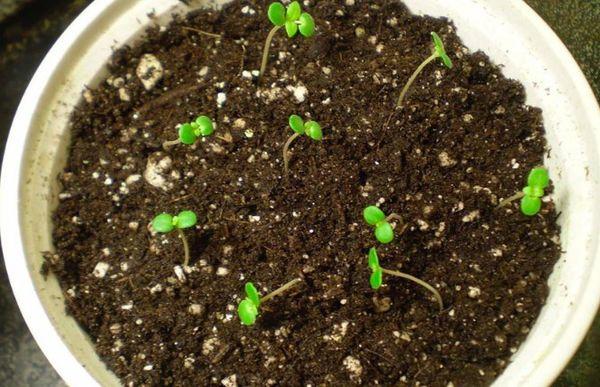
You can also soak the seeds for the winter by covering the planting site with dry peat, straw, sawdust, or plastic film. If the ambient temperature drops below 5 degrees Celsius, the plant dies. Therefore, it is recommended to grow the crop indoors in northern latitudes.
Soil preparation
If marjoram is planted directly into open ground, then in the fall it is recommended to add to the soil (optional):
- humus;
- superphosphate;
- potassium sulfate.
After the snow melts, apply ammonium nitrate or urea. And shortly before planting, fertilize the bed with a mixture of:
- 20 grams of urea;
- 15 grams of potassium salt;
- 40 grams of superphosphate.
Gardeners also recommend digging the soil to a depth of no more than 15 centimeters before planting.
Planting marjoram in beds
When growing marjoram in the Moscow region, it's recommended to sow the seeds no earlier than April and transplant the seedlings outdoors in June. If the plant is being planted indoors, these guidelines can be ignored.
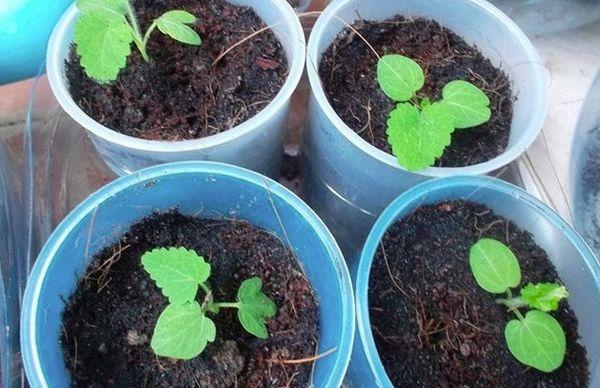
Marjoram is grown outdoors in well-lit areas. It is recommended to plant it on the south or west side of the plot, protected from drafts. If planting in poor soil, the seeds should be sown in special trays filled with a mixture of:
- leaf and sod land;
- black soil;
- high peat;
- humus.
Growing marjoram from seedlings is considered optimal. To grow the plant, sow the seeds in mid-spring in a soil mixture consisting of:
- sand;
- leaf soil;
- perlite;
- humus.
Each component is taken in a 1:1:1:2 ratio. The crop should be grown from seeds at a temperature of 20-25 degrees Celsius and 60% humidity. After the first shoots appear, the seedlings are pricked out. Then, the plants need to be hardened off. To do this, take the seedlings outdoors for a few minutes daily, increasing the time interval each time.
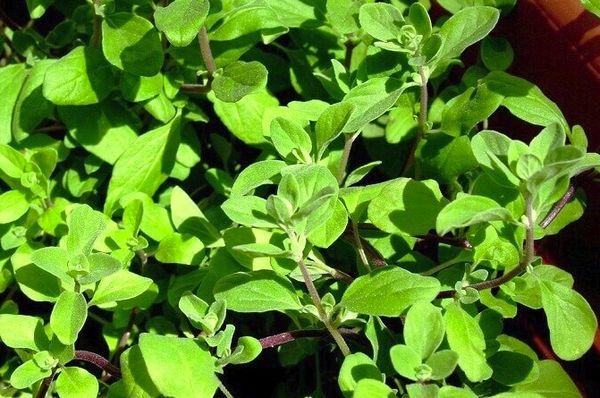
Once the ambient temperature rises above 15 degrees Celsius, the plant can be transferred to the garden beds. This should be done in clear weather.

In open ground, seedlings are planted at a distance of 20 centimeters. Before transplanting the bushes, water the soil in the pots thoroughly. Then, after covering the seedlings with soil, form a small mound around the plant. This will improve oxygen supply to the roots. For the first two weeks after planting, it is recommended to cover the bushes with plastic. During this period, water the plants every two days.
If you plan to plant directly into the ground, treat the seeds with a 1% solution of potassium permanganate. This disinfects the material. Afterward, sow the seeds in a prepared bed at a depth of 15-20 millimeters. The distance between the holes should be 15 centimeters. After sowing, water the bed generously with a spray bottle.
The subtleties of caring for marjoram
If you choose to plant from seedlings, keep the soil constantly moist after sowing the seeds. Regular loosening of the soil in the pots is also essential. With this approach, the first shoots appear in 10-15 days. To improve marjoram's survival in open ground, it is recommended to move the plant to a greenhouse or plant it in a hotbed after the first shoots appear.
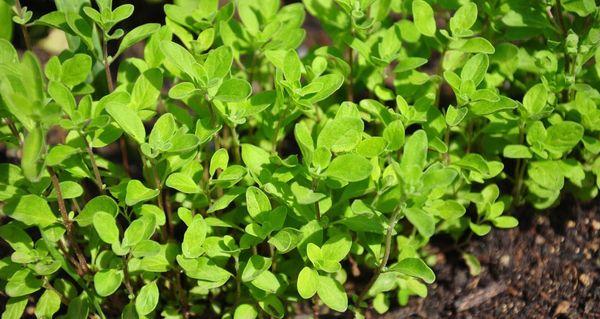
Caring for this plant outdoors doesn't require much time or effort. Like other plants, marjoram requires periodic watering, loosening the soil, and fertilizing. It's equally important to remove weeds from the bed where marjoram grows.
Watering rules
Oregano is a moisture-loving plant. Therefore, after planting outdoors, it needs to be watered frequently. It is recommended to moisten the soil in the morning or evening, once every 15 days. Use warm water for this. Watering frequency should be reduced starting in mid-summer. Afterward, the soil should be loosened.
How to fertilize?
The first fertilizers are applied to the soil 20 days after planting outdoors. During this period, a complex fertilizer is used, consisting of:
- 10 grams of urea;
- 10 grams of potassium salt;
- 20 grams of superphosphate.
The above proportions are calculated for one square meter of garden bed. Oregano does not require further fertilization. If necessary, additional saltpeter can be added.
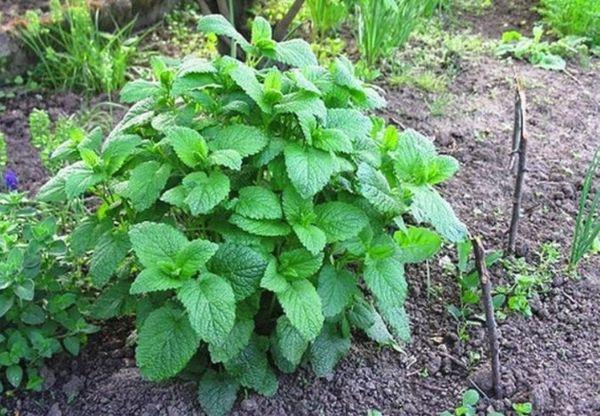
Diseases and pests
The most common pests that infest oregano are:
- Thrips. These small insects lay eggs in leaves, causing brown spots to appear on foliage. Maintaining optimal humidity is recommended to prevent infestation. Karate, Decis, and onion peel infusion are helpful in controlling thrips.
- Spider mites. The presence of this pest is indicated by white webbing on the underside of the leaf and yellow spots. Treating the plant with a soapy solution helps get rid of spider mites.
- Whitefly. A light-colored and noticeable insect whose activity causes crop death. Whiteflies can be controlled using garlic infusion.

Alternaria is a common disease affecting oregano. This infection causes dense, brown spots to appear on the leaves. Simultaneously, the plant's growth slows or stops.
If such signs appear, it is necessary to immediately treat the oregano with Bordeaux mixture or fungicidal preparations (Kuproksat, Kartotsid).
If you ignore this recommendation, the crop will quickly perish.
Collection, drying and storage
Fresh oregano can be harvested twice per season: in late July and early August, and in September and October. All leaves and stems are cut from the plant at a height of 60-80 millimeters. After this, the plant is washed and dried. To do this, the marjoram is tied into a bunch and hung in a dark, ventilated area. The plant can also be dried by spreading the stems and leaves on paper.
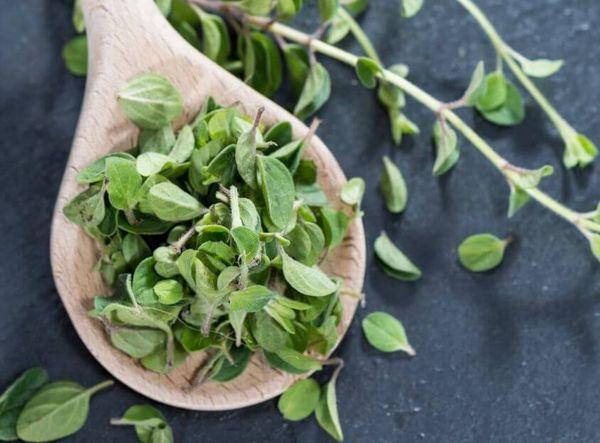
Next, you need to sort out the diseased parts of the harvested marjoram. Finally, the oregano is finely chopped and poured into glass jars. It is recommended to store the spice in a dark place.
What to plant after marjoram?
After oregano, it is recommended to plant the following in the garden:
- turnips;
- carrot;
- beets;
- radish and other root vegetables.
After harvesting, oregano takes root well in beds where potatoes, legumes, onions or cabbage were previously grown.
Marjoram is a heat-loving plant. It is grown primarily as a spice. If grown properly, the leaves can be harvested for drying twice per season.
Related posts:
 How to propagate and grow peas, cultivation technology, and care in open ground
 How to properly plant peas in a greenhouse and open ground
 The best eggplant varieties for growing in a polycarbonate greenhouse: planting and care
 TOP 40 New Year's 2020 Meat Recipes Using Pork, Beef, Chicken, and Lamb
 The best grape varieties for growing in the Urals, planting and care rules in summer
 How to grow ginger in the open ground at your dacha, planting and care
 Description and rules for growing Solaris grapes
 Methods for planting and propagating cherries at home