
- Main characteristics of artichoke
- Popular varieties
- Growing specifics
- Sowing for seedlings
- Picking and caring for artichoke seedlings
- Transplantation into open ground
- How to grow artichokes in a greenhouse
- Further care of the crop
- Watering the bushes
- Loosening the soil and removing weeds
- Necessary fertilizers and dressings
- Covering the plant for the winter
- Protection from diseases and pests
- Reproduction methods
- Growing characteristics in different regions of Russia
- In the Moscow region
- In Siberia
- In the Urals
- In the Central Belt
- Harvesting and storage of crops
- Artichoke Growing Reviews
This unusual plant, by Russian standards, is widely used in European cuisine. Its aromatic, nutty flesh is not only delicious but also healthy. This vegetable is becoming popular among amateur gardeners. How can one grow artichokes, native to warm climates, in their garden? This is a question increasingly being asked by gardeners. In terms of growing conditions, this plant is undemanding. The main obstacle to its spread is climate.
Main characteristics of artichoke
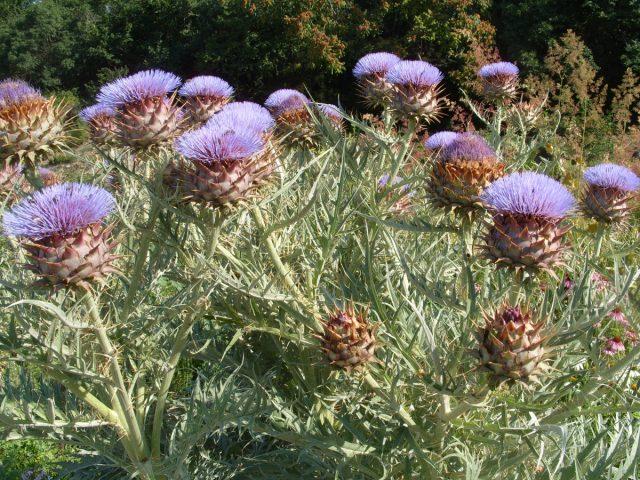
This perennial vegetable resembles the thistle in its characteristics: broad, jagged, spiky leaves and a fragrant, vibrant cap of stamens. Under favorable growing conditions, the plant reaches a height of 2 meters and occupies a surface area of 1 square meter. The ovary develops into a green cone with tightly adherent scales.
Artichokes are eaten or grown as a landscaping element. The unripe fruits and the juicy portion of the adjacent petioles are edible.
Including vegetables in your diet enriches the body with:
- calcium;
- magnesium;
- organic acids;
- B vitamins;
- essential oils.
The above-ground portion of the artichoke dies in the fall. In the spring, the shoots grow and bloom, forming fruit.
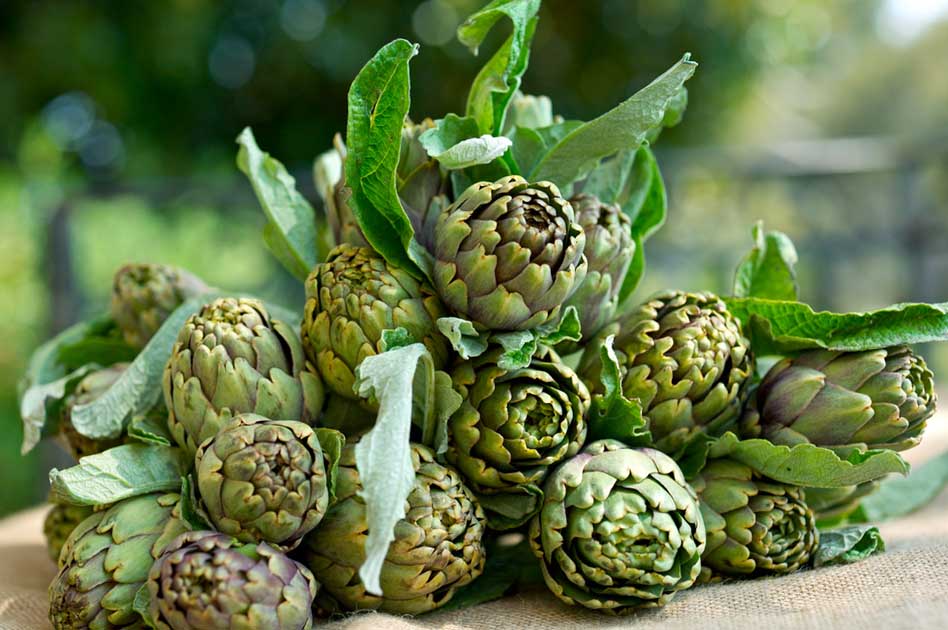
Under favorable climatic conditions and with proper agricultural practices, the harvest of unripe cones can be harvested for 12-14 years without further replanting.
Popular varieties
Of all the artichoke varieties, the Spanish and prickly are the most commonly eaten, divided into early, mid-season, and late-season varieties. The most popular of the early varieties is the Purple Early. A single bush can yield up to 1-1.2 kilograms of inflorescences. The plant's stems reach up to 70 centimeters.
Mid-season varieties, beloved by gardeners, are Sultan and Krasavets. The former's robust shoots reach 2 meters and produce up to 15 ovaries weighing 90 grams each. The latter grows up to 100 centimeters. The yield ranges from 700 to 1,300 grams. The plant is less demanding in terms of care and begins bearing fruit within the first year of planting.
Growing specifics
The artichoke's growing season, from sowing seeds to fruiting, lasts 6-7 months. It's a heat-loving plant: young shoots can withstand temperatures as low as -3°C, inflorescences as low as -1°C, and roots as low as -10°C. The optimal growing temperature is between 15-25°C. Stagnant water in the soil leads to root rot.
Agricultural technology for growing vegetable crops consists of preparing appropriate conditions:
- by soil composition;
- protection from frost in spring and low temperatures in winter;
- placement on the site;
- time of planting in the ground;
- method of reproduction.

In central Russia, artichokes can only be grown from seedlings; in the Urals and Siberia, from greenhouse seedlings. For southern regions, planting from seeds is a better option. This perennial is sown in the soil in late May or mid-September.
In a well-lit and warmed area of the garden or vegetable patch, prepare planting holes 4 centimeters deep and 100-120 centimeters apart. Sow 2-3 seeds at the bottom of the hole and cover with soil. The plant will not bloom the first year. Fruiting will begin the following season.
Sowing for seedlings
Seed preparation begins in late winter, around mid-February. To do this, place the seeds on a damp cotton cloth, folded into an envelope. Cover with plastic wrap to prevent evaporation and leave in a warm place for a week.
After 7 days, the sprouted seedlings need to be stimulated to grow more actively and produce fruit. Without removing them from the cloth, they should be placed on the bottom shelf of the refrigerator for 10-12 days.
The seeding site is a wooden or plastic container. A layer of charcoal, broken ceramics, small crushed rock, or pebbles is placed on the bottom. A 6-7 centimeter layer of nutrient-rich soil is placed on top of the drainage layer. Soddy soil, fine sand, and humus are mixed in a 1:1:1 ratio. Moisten the soil with a watering can or sprayer.
Furrows are made 10-15 millimeters deep, spaced 40 millimeters apart. By the time of sowing, the sprouts will be up to 10 millimeters tall, requiring careful planting. Finish planting by covering with soil and moistening with a spray bottle.

Place the box on a windowsill and maintain the soil moisture, preventing it from drying out. Covering it with plastic or glass will cause the roots to rot due to lack of evaporation. After germination, reduce the temperature to 15 degrees Celsius and increase the light to prevent the seedlings from stretching.
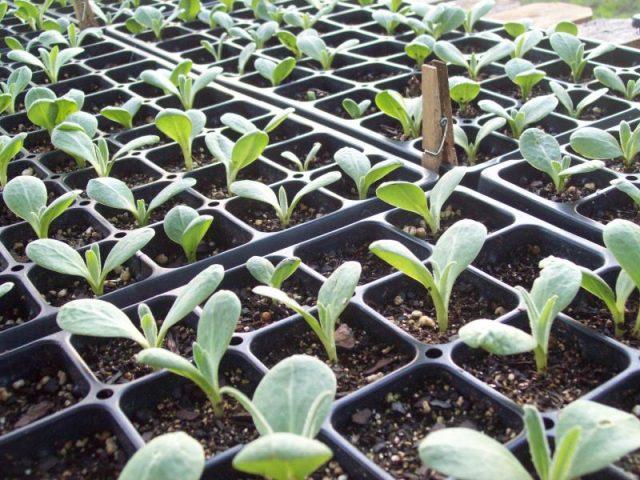
After 12 days, the first leaf will form, then the second. It's time for transplanting and picking.
Picking and caring for artichoke seedlings
For each artichoke, prepare a 500-milliliter peat pot. Fill it with the same soil mixture, water it, and make a 4-centimeter depression in the center. Water the soil in the container containing the seedlings well as well.
Each plant is scooped up with a tablespoon and pulled out of the soil. The root is shortened by 1 centimeter and the sprout is placed in a pot. The seedlings are placed on a windowsill. After 14 days, the first organic fertilizer is applied. The mullein infusion is diluted tenfold and watered over the artichokes.
After two weeks, add complete mineral fertilizer to the soil at a rate of 1 gram per pot. Once the artichoke seedlings have hardened, they are placed outdoors, beginning with one hour of daylight and continuing until full daylight. Ensure the weather conditions are calm and warm.
Transplantation into open ground
The plant requires a sunny, wind-protected location for growth. The soil must be prepared before planting artichokes.

To do this, dig it to the depth of a bayonet shovel and add fertilizer (per 1 square meter):
- a bucket of humus;
- a glass of superphosphate;
- a matchbox of potassium sulfate.

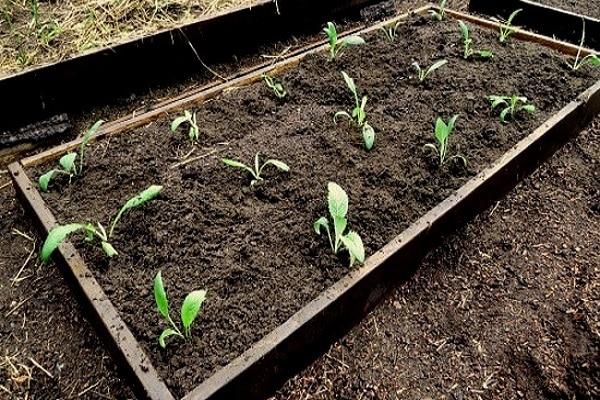
If artichokes are to be grown for food, form beds 2 meters wide. Raise the soil 20 centimeters and make two furrows 80 centimeters apart, the depth of the peat pot. Plants are planted without replanting, slightly deeper, and covered with soil. There should be at least a meter of space between each vegetable in the row.
When growing artichokes as an ornamental plant, dig holes in the ground at least 1 meter apart. Planting is done in a pot. In both cases, moderate watering and mulching the root zone with straw or hay are performed at the end.
How to grow artichokes in a greenhouse
When growing vegetables in a greenhouse, remember that plants require a lot of space, both in height and surface area. The greenhouse should be spacious and warm: no lower than 0°C (32°F). At lower temperatures, artichokes will freeze.

At home, artichokes are grown as seedlings. This tall and vigorous plant requires a lot of space indoors.
Further care of the crop
Once the plants have acclimated to their new location and are growing, it's important to follow the care instructions. After the artichoke blooms, remove a third of the lower flower stalks. This will speed up ripening and promote larger buds.
Watering the bushes
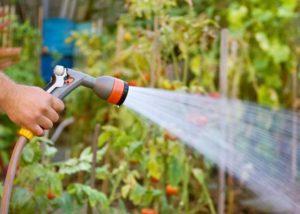
The soil under the bushes should be moistened in the afternoon. The warm soil will warm the water, allowing excess moisture to evaporate before sunset. The artichoke watering schedule depends on the gardener's preference: 0.5 liters per bush every other day or 5 liters per bush every 10 days. Adjustments, up or down, depend on precipitation and air temperature and should be made to maintain the soil at an optimal moisture level.
Loosening the soil and removing weeds
Weeding and loosening the soil should be done the day after watering. Weeds will continue to grow until the plant gains strength. Later, the artichoke's growing leaves and strong root system will choke them out. Breaking up the resulting soil crust is essential to improve aeration.
Necessary fertilizers and dressings
Artichokes are supported with nutrients throughout the growing season. Once they begin to grow, they are watered with diluted slurry (1:10). After two weeks, mineral fertilizers are added: superphosphate and potassium chloride.
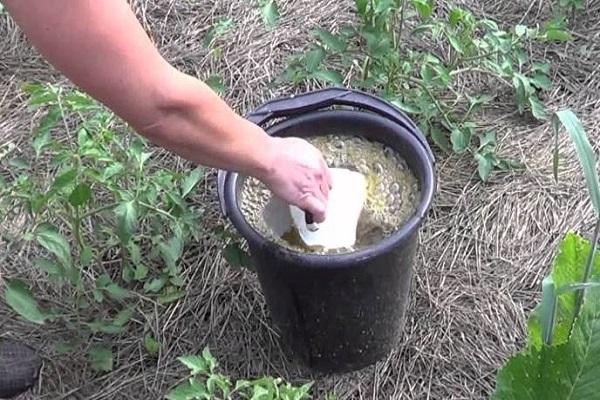
During the artichoke flowering period, foliar feeding is a supplement. This involves spraying the leaves and stems with a solution of wood ash, superphosphate, and potassium chloride. The ratio per liter of water is 1:1:3 (in teaspoons). This method of feeding improves fruiting and pest resistance.
Covering the plant for the winter
Depending on the variety, artichoke flowers bloom in August or September. Once the cones have formed, watering is reduced. If propagating from seed, allow two or three inflorescences to mature on each plant.

As frost approaches, artichoke stems are cut back, leaving a 30-centimeter stump. The trimmed parts of the plant are removed. The base is covered with burlap. The root zone is covered with leaves or peat moss to a depth of 20-30 centimeters. Once snow cover appears, snowdrifts are built over the overwintering artichokes for insulation.

Protection from diseases and pests
The main pests of artichokes are aphids and slugs. Among the diseases that affect the bush is petal rot. Aphid control begins with eliminating ants from the area. Before flowering, the stems and leaves are treated with a soap-ash solution. Foliar feeding during flowering helps prevent rot. Slugs should be removed by hand.
Reproduction methods
Artichoke grows from seeds, there are no other ways.
Growing characteristics in different regions of Russia
Climatic features affect the timing of planting seedlings in the ground.

In the Moscow region
Artichoke seedlings should be planted in open ground starting from mid-May until the first days of June.
In Siberia
Growing the crop in Siberia is possible if you have a spacious, heated greenhouse in your garden.
In the Urals
In this zone, artichokes should be planted in a greenhouse from early June to mid-June.
In the Central Belt
South of the Moscow region, artichokes are planted after May 15.

Harvesting and storage of crops
Artichoke harvesting begins two weeks after the fruit has formed. Readiness for consumption is determined by the slight creaking of the scales when squeezed. The outer scales can be easily pulled apart. The cone is cut off along with the stem, leaving a 4-centimeter-long stalk. Artichokes ripen unevenly, requiring constant monitoring.
At a temperature of 1°C (32°F), vegetables retain their flavor for 3 months. If the temperature is maintained at 12°C (55°F), they retain their flavor for up to a month. For longer storage, artichokes can be canned or frozen.
Artichoke Growing Reviews
The most labor-intensive part of growing artichokes is picking the fruits when they are ready to eat, as overripe ones are not good, and unripe ones do not have a rich flavor.
Related posts:
 The beneficial properties of field artichoke and its contraindications for human health
 The best grape varieties for growing in the Urals, planting and care rules in summer
 Carrot care guidelines for outdoor cultivation to ensure a good harvest
 How to grow parsley in the open ground at your dacha, planting and care instructions, and harvesting times
 Rules for planting and caring for cinquefoil in open ground, growing and pruning
 How to propagate and grow peas, cultivation technology, and care in open ground
 How to grow ginger in the open ground at your dacha, planting and care
 Methods for planting and propagating cherries at home