
- Chemical composition of the plant
- Useful properties of plant varieties
- Common thyme
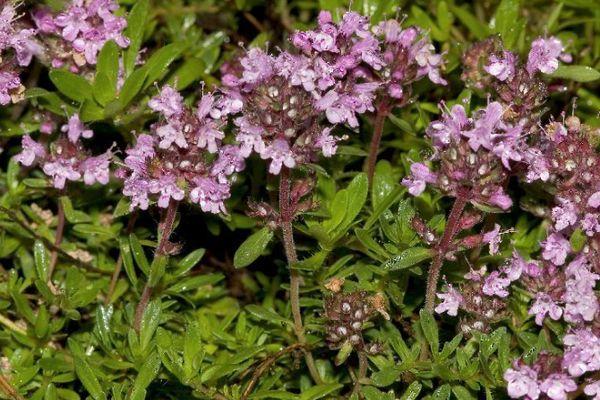
- Creeping thyme
- Lemon-scented thyme
- How is thyme beneficial for the human body?
- For men
- For women
- For children
- For what diseases is it used?
- For cough and bronchitis
- For gynecological diseases
- For hypertension
- In the fight against alcoholism
- Pharmaceuticals
- In folk medicine
- Thyme in cooking
- Contraindications and side effects for health
Before using thyme to treat various ailments, it's worth learning not only about its beneficial properties but also about its contraindications and side effects. The plant affects children, women, and men differently. In ancient times, this herb was used to treat many, at the time, fatal diseases.
Chemical composition of the plant
Despite the large number of modern medicines, people continue to use thyme to overcome certain diseases.
This is explained by the beneficial components that it contains:
- thymol;
- terpenes;
- carvarcol;
- gum;
- organic pigments;
- oleanolic acid;
- triterpenoids;
- ursulic acid.
Useful properties of plant varieties
Thyme stands out from other plants due to its many beneficial properties. This is all thanks to the essential oils it contains. These components give the plant antiseptic and antifungal properties. It is also considered an antioxidant, which can be used to boost the immune system.
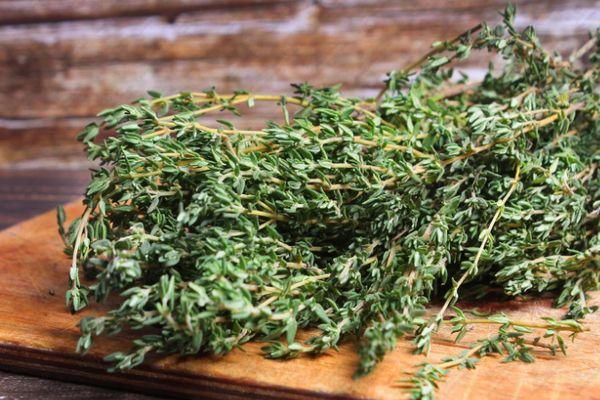
Every type of thyme has these characteristics. However, there are three varieties of the plant:
- Lemon-scented.
- Creeping.
- Ordinary.
Common thyme
People living in the northwest Mediterranean region, where common thyme grows best, use it to improve digestion and relieve bloating. The plant contains sufficient essential oils to relieve intestinal spasms and promote gastrointestinal function.

Creeping thyme
Creeping thyme contains components that help combat muscle spasms.
The plant is popular among women as it helps quickly relieve menstrual pain.
Lemon-scented thyme
This variety actively combats hypertension. The plant has properties that help stabilize blood pressure. Lemon-scented thyme is a good diuretic, helping to remove harmful substances from the body.

How is thyme beneficial for the human body?
Before using thyme to treat any medical conditions, it's important to consider the contraindications and specific effects. It can affect men and women differently, so to avoid harm from the herb, it's best to consult a doctor, mentioning any potential health conditions.

For men
Thyme, also known as thyme, is very beneficial for the male body. It can help relieve:
- Alcoholism.
- Genital infections.
- Weak erection.
- Hair loss.
- Prostatitis.
This herb effectively reduces inflammation in the prostate. To make this remedy, add thyme flowers and a few mint leaves to regular tea. Boil the mixture and let it steep for 20 minutes. Then it's ready to use for inflammation treatment.

For women
Women often use thyme to restore their health. The plant has tonic properties that help with sleep deprivation. The herb is also useful for women experiencing uterine bleeding or cystitis.
For children
Thyme and its medicinal preparations are often used to treat children. The herb is effective against:
- common cold;
- pneumonia;
- flu;
- rhinitis.
If a child regularly consumes thyme, he will not suffer from increased gas formation and dysbiosis.
For what diseases is it used?
A complete list of ailments thyme helps treat would be long, especially when combined with other treatments. Among the most common conditions thyme is used to treat are the following:
- Cough and bronchitis.
- Alcoholism.
- Gynecological diseases.
- Hypertension.
Before starting treatment, no matter the condition, a person should not make this decision on their own. It will be effective only if the patient consults with a doctor and obtains their permission. Failure to do so may cause harm, as the herb has a number of contraindications.
For cough and bronchitis
Doctors recommend thyme as a good cough remedy, as the herb has an expectorant effect, helping to remove accumulated mucus. The plant is effective not only against bronchitis, but also against asthma, tracheitis, and whooping cough.
For gynecological diseases
Some varieties of thyme are actively used by women to combat gynecological problems. If inflammation develops in the pelvic area, it's a good idea to douche immediately. To do this, dilute the thyme infusion with warm water.

For hypertension
Medicinal products containing fresh thyme can help patients restore blood pressure. Doctors often prescribe these remedies to those with hypertension to stimulate blood circulation and improve energy.
In the fight against alcoholism
If a person regularly takes thyme medications or infusions, they will eventually develop an aversion to alcohol. It is because of these properties of the plant that doctors recommend using it to completely overcome alcoholism.
Thyme is effective because of its thymol content. This element is responsible for triggering the body's aversion to alcohol when a person tries to drink.
Pharmaceuticals
Thyme is widely used in the production of a wide range of pharmaceuticals. Some of the most well-known medicinal products based on this plant include the following:
- Eucabal is effective for treating respiratory conditions, including laryngitis, rhinitis, and pharyngitis. During therapy, the medication is rubbed into the chest or back at least twice daily.
- Bronchicum. This medication is available as drops used to treat coughs and respiratory conditions. Patients should take 15 drops daily. Shake the bottle thoroughly with each dose to ensure none of the ingredients settle to the bottom.
- Stomatofit. This medication is effective when inflammation is detected in the oral cavity. It is considered most effective in treating periodontitis, stomatitis, and glossitis. Stomatofit is also used as a mouth rinse. To do this, prepare a solution of 15 milligrams of this medication in 1 glass of water. Rinse your mouth three times a day.

In folk medicine
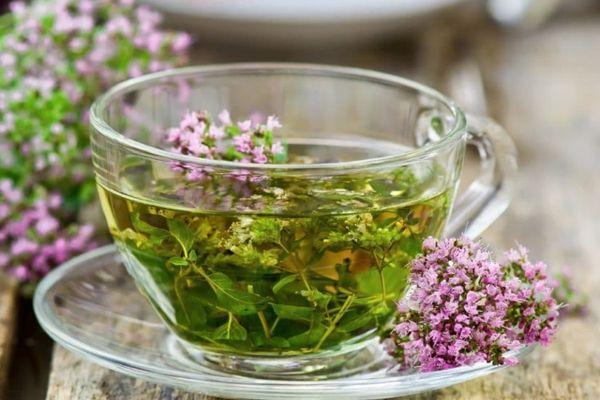
In folk medicine, thyme is primarily used to make tea. It is considered a universal remedy for gastrointestinal ailments.
The most common methods for preparing such a remedy include:
- A mixture of thyme, granulated sugar syrup, and potassium bromide. When combined, all ingredients form a sweet, brown liquid. It is used to treat bronchitis and whooping cough.
- Mix 100 grams of dried thyme with 300 milligrams of boiled water. Let this mixture steep for 45 minutes. Then strain it through cheesecloth and use it to combat cold symptoms.
- Mix 7 grams of thyme, 1 gram of wormwood, and 2 grams of rosemary. Add one tablespoon of salt and pour in one liter of water.

Thyme in cooking
Thyme is considered not only a useful herb for medicinal purposes, but also a popular ingredient in many dishes. The herb has a slight bitterness that adds an interesting flavor to food. This herb pairs well with meat and fish dishes, enhancing the flavor and enhancing the aroma.
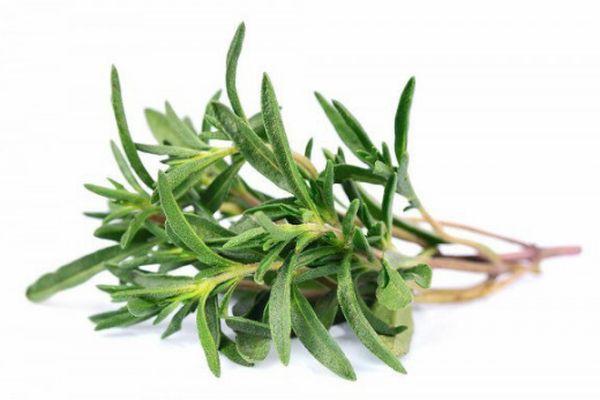
If you're serving meat, you can add a sprig of thyme after cooking to infuse the dish with flavor. Thyme is also great in salads and vegetable dishes. It also pairs well with mushrooms. Seasonings containing the herb pair well with borscht, broth, or soup.
Contraindications and side effects for health
Besides its benefits, thyme can also cause harm if used improperly. To avoid this, people should study each contraindication and consider the plant's effect on existing conditions.
Because the herb contains a high concentration of thymol, it should not be used by patients with heart failure or gastric ulcers. Pregnant women are strictly prohibited from using thyme to treat illnesses, as it can trigger uterine contractions.
Related posts:
 The main varieties and types of thyme with a description of how to grow thyme and its benefits
 Growing thyme from seeds and propagating by cuttings, planting and care in open ground
 How to grow thyme from seeds and cuttings at home in a pot, and care for the plant on a windowsill
 Growing lemon thyme in pots and soil, planting and care, plant varieties
 Description and beneficial properties of Marshall's thyme, rules for harvesting and using thyme
 The health benefits and contraindications of black radish
 How to store fresh thyme and how to dry it at home
 The benefits and harms of Daikon radish for the human body, medicinal properties and contraindications