
- Thyme: Plant Description
- Main types of thyme
- Common thyme
- Creeping thyme
- Lemon-scented thyme
- Vegetable thyme Medok
- Methods of growing in the country
- Thyme from seeds
- Thyme from cuttings
- Planting thyme
- Selecting a location and soil
- When and how to plant thyme
- Thyme Care Guidelines
- Features of watering
- Top dressing
- Trimming
- Diseases and pests
- How does a plant overwinter?
- Collection and storage
Thyme is a widely known medicinal plant.Thyme, a herb traditionally used by our ancestors, helps with cystitis and prostatitis, effectively combats coughs, throat and oral ailments, and is used as a sedative and tonic. Growing thyme in gardens has become very popular today, as it ensures a natural remedy is always at hand. Thyme is also often used in cooking.
Thyme: Plant Description
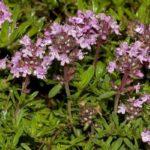
This low, evergreen, small-leaved subshrub has many names. The most well-known are thyme and Bogorodskaya grass. It was named Bogorodskaya grass because tufts of the plant have long been used to decorate icons.
A member of the Lamiaceae family, this plant comprises several hundred species. Low-growing thyme bushes with woody stems and brightly colored flowers are common throughout Russia.
The leaves are dark green, leathery, opposite, and have inward-curving margins. Small flowers are collected in inflorescences and can be white, pink, or lilac, depending on the variety. The fruits are four nuts, collected in the calyx remaining after flowering.
The plant is an excellent honey plant and has a strong aroma, which is why it was used in many cults to fumigate temple buildings.
Main types of thyme
The plant has different aromas, depending on the species, some of which are quite rare and are listed in the Red Book.
The main types of thyme are the following.
Common thyme
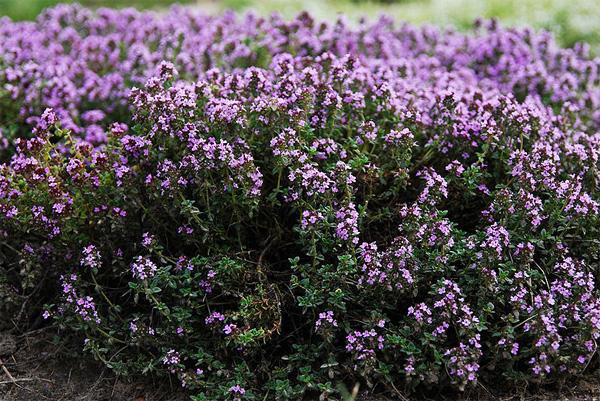
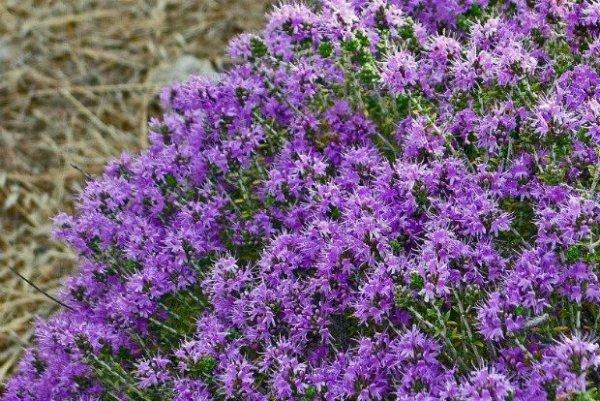
It has the appearance of a compact, highly branched, small (up to 15 centimeters) bush with small white or lilac flowers. It has a slightly bitter aroma, reminiscent of a mixture of lemon, anise, and caraway. The inflorescences are located at the tops of the branches, making the plant very attractive and often used as a garden ornament.
Creeping thyme
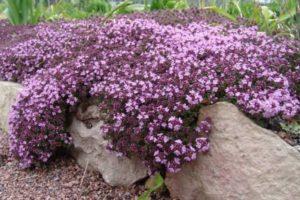
It also has a second name: thyme densely hairy. The plant's stem spreads along the ground, forming a dense, decorative carpet. This species produces adventitious roots and is often used to decorate rock gardens and as a border plant.
Lemon-scented thyme
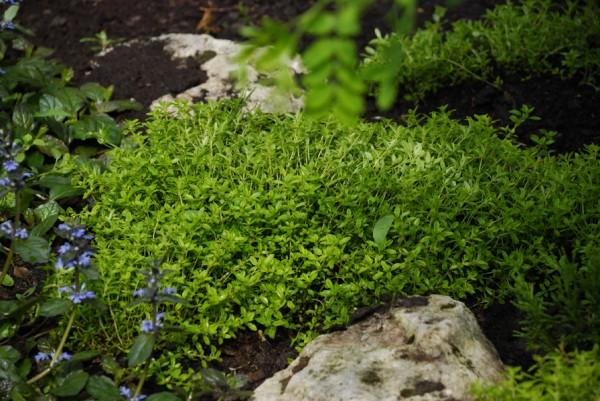
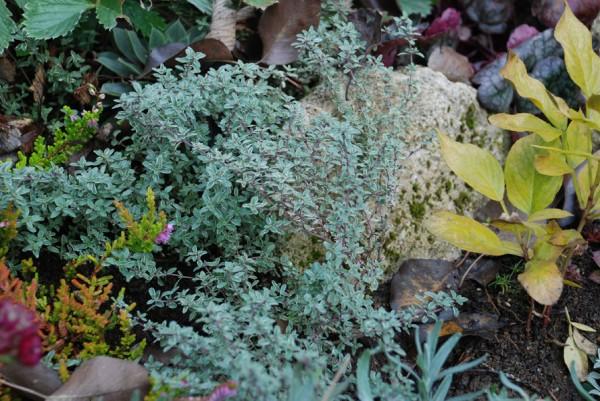
The bushes grow up to 30 centimeters tall and have a spicy lemon scent. This thyme variety thrives in warmth and should be covered for the winter. To keep the bushes beautiful and compact, trim them periodically.
Vegetable thyme Medok
The fastest-growing variety, a creeping one, is used to make sauces and marinades; parts of this particular variety are usually used for thyme tea.
Methods of growing in the country
Growing thyme in your garden isn't difficult; you just need to find a sunny spot with well-drained soil. Thyme can be propagated in several ways.
Thyme from seeds
Thyme can be sown directly into the ground. In this case, the seeds are sown in May, after the weather has warmed and the soil has warmed. Winter sowing, in November, is also possible.
The bed is dug over thoroughly; the soil should be light, with neutral or alkaline soil. The seeds don't need to be planted deeply; they should be lightly covered with soil.
When sowing in winter, the seeds are planted slightly deeper and not watered after planting. In open ground, the plant can expand its planting area by self-seeding.
You can grow seedlings from seeds indoors. In this case, sow the seeds in prepared containers in March, water them, and cover them with plastic wrap or glass. The plants should be watered and ventilated regularly. After the seedlings emerge, thin out the rows. Once the seedlings have established themselves, transplant them and continue growing the plants.
The seedlings are placed in a garden bed or used in the garden to decorate rockeries and alpine hills – brightly blooming thyme looks beautiful and adds decorative value to the garden plot.
Thyme from cuttings
To propagate by cuttings, use branches from the plant before flowering. Take a small cutting, cut it at an angle, remove the lower leaves, and plant it in a container filled with sand. Cover the container with a glass jar. The container should be periodically ventilated and watered moderately. The plant will take root within a month, after which it can be transplanted into open ground.
Mature thyme plants propagate well by division. To do this, carefully untangle the roots.
Planting thyme
Even an inexperienced gardener can grow thyme; in the vegetable garden it can be planted in beds, in the garden it can be used as a border plant, and it often decorates garden paths.
Selecting a location and soil
Thyme is easy to grow – if you take a few things into account when planting it in open ground, it will thrive:
- sunny areas are selected for planting in the garden;
- does not like too wet soil - thyme should not be planted in lowlands;
- For planting in the garden, use slightly alkaline or neutral soils.
In addition, thyme loves light, oxygen-rich soil and does not tolerate weeds.
When and how to plant thyme
For spring planting, seeds or seedlings are planted in May, once the soil has warmed. Thyme is planted in rows in the garden bed, using seeds or seedlings.
Throughout the summer, the bushes can be propagated by cuttings or by dividing the bush.
In the fall, the seeds are sown in prepared, dry soil. Sowing takes place in November, and the bed is covered with a special material or straw for the winter.
Thyme Care Guidelines
Young bushes require regular loosening and weeding. The plant is very sensitive to weeds, which can destroy immature seedlings. In addition, the bushes are pruned regularly.
The conditions for thyme to feel good are simple:
- Moderate watering.
- Top dressing.
- Systematic pruning.
If they are observed, the planting will bring joy for a long time.
Features of watering
During hot, dry summers, water thyme no more than twice a week. Reduce watering during rainy weather. Water the roots.
Top dressing
Thyme doesn't like manure. Fertilize with a wood ash solution. After planting the seedlings or when the first shoots emerge, you can fertilize the bed with urea.
Trimming
The plant is pruned regularly to shape the bushes. Trimming is essential in the spring, after the snow melts, removing branches that have frozen over the winter. Then, carefully trim the branches as needed.
Low-growing bushes may not require winter pruning. Others should be lightly pruned in the fall and, in northern regions, covered.
Diseases and pests
Thyme contains a large amount of essential oils, making it virtually disease-resistant. It also has few pests. Overwatering can cause fungal diseases and rust.
If plantings are affected by aphids, weevils or meadow moths, the bushes should be treated with insecticides.
How does a plant overwinter?
Let's find out how to cover a heat-loving plant.
In regions with harsh winters, thyme plantings are covered with special covering material, cardboard, or spruce branches. The main thing is to prevent the bed from being damaged by standing water when the snow melts in the spring. Some varieties are winter-hardy, but it's still best to cover the bushes. Before wintering, in September-October, tall bushes should be pruned.
Collection and storage
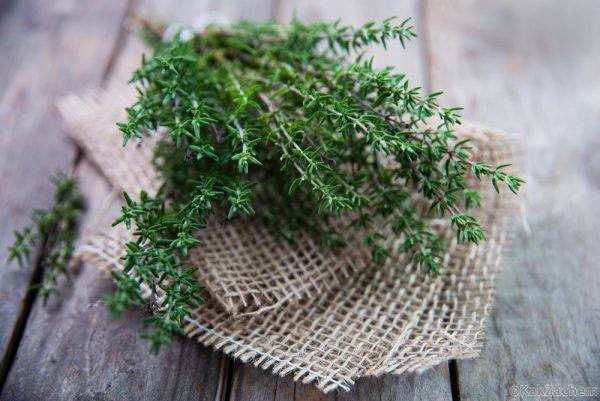
For culinary use, thyme is harvested before flowering. The leaves are most fragrant at this time. For medicinal purposes, the plant is harvested 2-3 times per season, in June and August.
Dry thyme in the shade, using a well-ventilated area. Cover the herb with gauze to protect it from dust and insects, turning it regularly. Once completely dry, store the thyme in linen bags or dry glass or plastic jars with lids. This preserves it well, without losing its aroma.
Thyme has been used for centuries to treat a wide range of ailments. It helps with skin problems, increases potency, relieves flatulence, and normalizes blood pressure. Thyme also improves sleep and improves mental and emotional well-being. A few thyme leaves added to a cup of black tea impart a wonderful flavor and aroma.
Related posts:
 The main varieties and types of thyme with a description of how to grow thyme and its benefits
 Medicinal properties and contraindications of thyme for the human body, application
 Growing lemon thyme in pots and soil, planting and care, plant varieties
 How to store fresh thyme and how to dry it at home
 How to grow thyme from seeds and cuttings at home in a pot, and care for the plant on a windowsill
 Growing and overwintering thyme in open ground and greenhouses in the Moscow region
 Growing thyme in the Urals: planting times, care, and pest control
 Planting, growing, and caring for creeping thyme in open ground at home