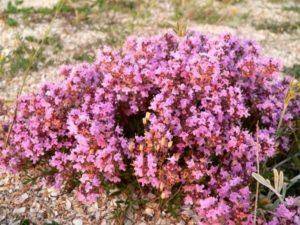
Thyme is a subshrub with small, dark green leaves. This herb is popular in many countries around the world. Thyme is used medicinally and as a seasoning to add a piquant flavor to dishes and drinks. Medicinally, the herb is used to treat respiratory ailments. However, it's important to know how to store thyme properly to preserve all its beneficial properties.
Features of storing thyme
Before storing dried thyme, separate the leaves and flowers from the stems. The stems are discarded and discarded. The dried herb is poured into cardboard boxes with lids, glass jars, and linen bags. The layer of plant material in each jar should be no more than 7-8 cm thick.
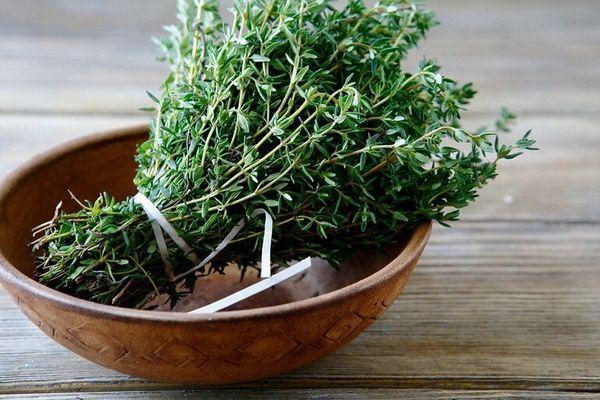
The date the herb was harvested is written on the packaging. Store the spice in a cool, dark place. It is unacceptable to transfer the dried herb into plastic bags, as they quickly rot and lose their beneficial properties.
If the storage conditions of the medicinal herb are met, it can be used for 2 years.
Storing fresh thyme
Fresh thyme is used to add a piquant flavor to meat and fish dishes, and is also used in preserves, beverages, and baked goods. During the cold season, the leaves of this fragrant herb are beneficial in tea. Thyme boosts vitality and improves appetite.
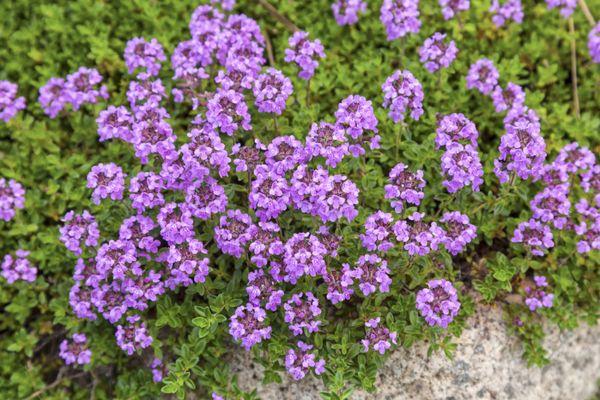
There are several ways to store fresh thyme. The shelf life in these cases ranges from one to three weeks.
- The medicinal herb is sorted, rinsed with cool water, and placed in a tightly sealed bag. Place the bag on the refrigerator door; the herb will keep in this form for up to a week.
- Rinse fresh thyme with water, dry it slightly on a towel, and place it in a liter jar. The sprigs should lie loosely; don't pack the jar with the herbs.

The sprigs can be washed, placed in a glass of water, and covered with a plastic bag, secured with a rubber band. The spice can be stored in this condition for two weeks.
Drying at home
Many housewives prefer to use dried thyme. This herb can be crushed into a powder with your fingers and then added to soup or a side dish. It's important to dry the herb properly.
Otherwise, it will become moldy and lose its piquant aroma and taste.
- The stems are washed under running cold water.
- Place the plant material on a table or baking sheet, previously covered with paper or cotton cloth.
- Cover the spice with a layer of gauze on top, which will protect it from dust and insects.
- Dry the medicinal herb in a well-ventilated place, away from direct sunlight.
Thyme should be shaken and turned periodically to ensure it dries evenly. Failure to do so can cause mold.
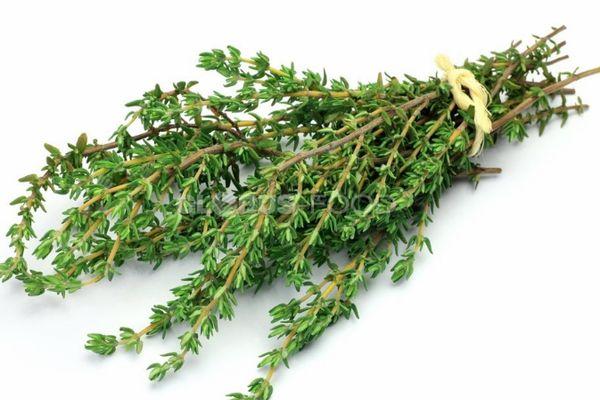
You can gather the herbs into small bundles, tie them with rope, and hang them in a drafty area. To prevent insects from landing on the herbs, wrap the bundles in a layer of gauze.
Thyme is dried whole stems. After the herb has dried, the leaves and flowers are separated from the stems.
The dried herb is poured into glass jars or thick cotton bags. The dried spice can be stored in kitchen cabinets.
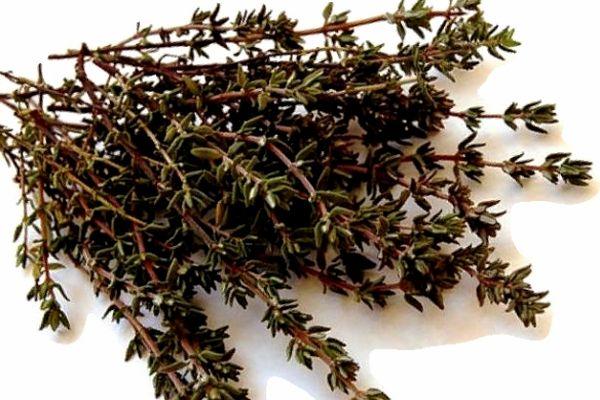
Freezing a plant
Frozen thyme preserves well. The shelf life of such a preparation is over a year. There are two ways to freeze the medicinal herb.
- Fresh herb stalks are washed and laid out on cutting boards, then placed in the freezer. Once frozen, they are transferred to zip-lock plastic bags and placed in the freezer drawer.
- The leaves are plucked from fresh thyme stems, chopped, and placed in resealable plastic bags. The herb is then placed in the freezer.
Thyme should be stored in the freezer drawer along with fruits and vegetables. It should not be stored in the same drawer as meat or fish.

Salting the crop
Thyme can be pickled. Select young thyme shoots, rinse them under running water, and remove the leaves. Place the herb in a glass jar in layers, sprinkling each layer with salt. Tamp the herb tightly in the jar and cover with a layer of salt.
This seasoning should be stored in a cool place. Rinse the herbs with water before using.
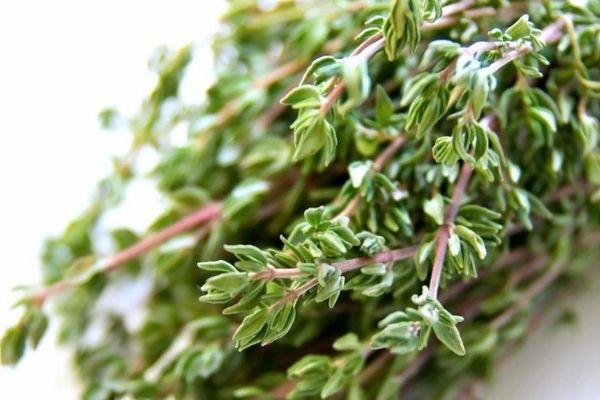
Canning in oil or vinegar
Thyme is used to make a fragrant oil for dressing salads and side dishes. Here's how to prepare it:
- Thyme is washed and filled into a half-liter jar until it is half full.
- Pour in odorless vegetable oil and leave to infuse for a week in a dark place.
- After some time, the oil is filtered and used as intended.
Thyme leaves that have been stored in oil can be used to decorate salads.
The herb produces a fragrant vinegar used to season vegetable salads. Place a few sprigs of thyme in a wide-mouth glass bottle, add 9% vinegar, and store in a cupboard. After a week, the vinegar is ready to use for cooking.
Thyme adds a unique aroma and flavor to meat, fish, and vegetable dishes. This herb can be used fresh, frozen, or dried. Aromatic oils and vinegars are made from this herb. Thyme is especially beneficial for men, boosting their strength and confidence.
Related posts:
 The main varieties and types of thyme with a description of how to grow thyme and its benefits
 Medicinal properties and contraindications of thyme for the human body, application
 Growing thyme from seeds and propagating by cuttings, planting and care in open ground
 Growing lemon thyme in pots and soil, planting and care, plant varieties
 How to grow thyme from seeds and cuttings at home in a pot, and care for the plant on a windowsill
 Growing thyme in the Urals: planting times, care, and pest control
 Growing and overwintering thyme in open ground and greenhouses in the Moscow region
 Planting, growing, and caring for creeping thyme in open ground at home