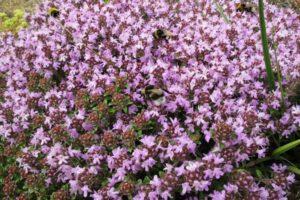
Many gardeners grow herbs in their gardens. This allows them to add variety to their meals and simply enjoy the herbal aroma emanating from their flowerbeds. Growing Medka thyme, a variety of this plant (commonly known as thyme), is a wonderful idea for lovers of tea flavored with the aromatic herb.
Features of the variety
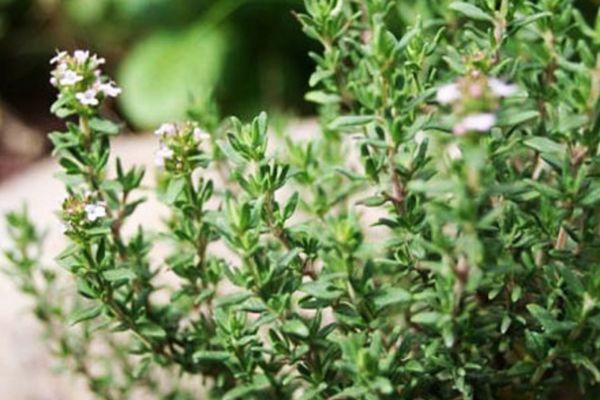
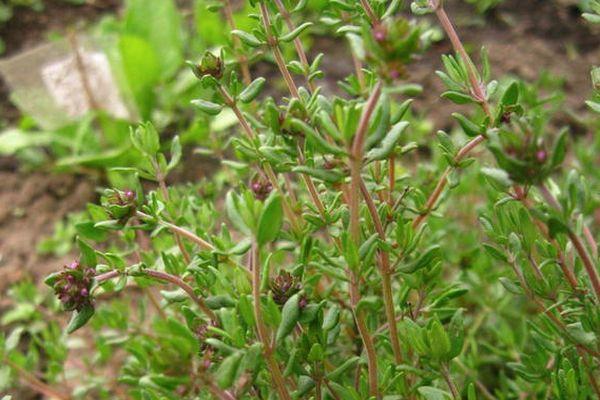
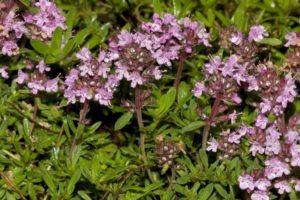
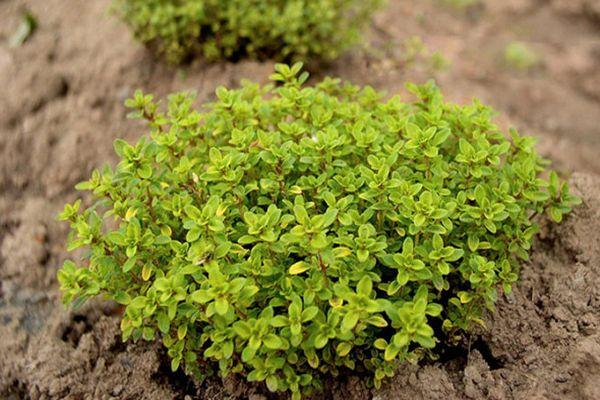
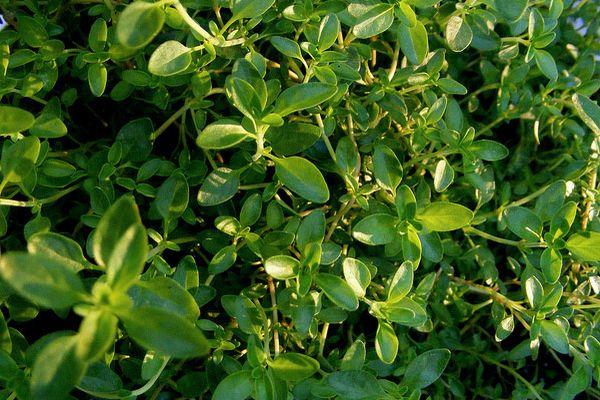
Thyme Medoc (also known as vegetable thyme) is a perennial plant with dense, trailing shoots that bloom with pink buds that form clusters. The plant has small green leaves with a purple tint inside.
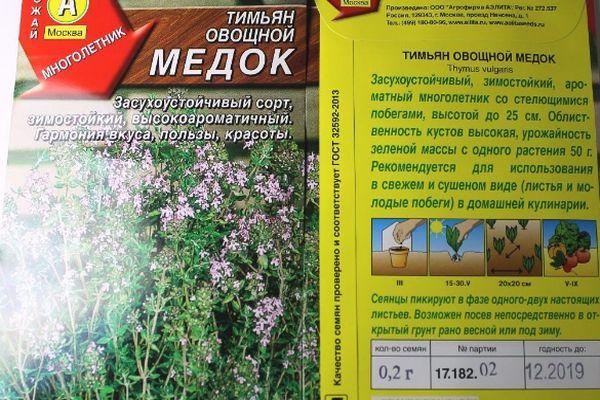
Main characteristics of the variety:
- undemanding to watering (drought resistance);
- high yield;
- long growing season.
Please note! This plant is frost-tolerant but requires full sunlight. It prefers loose, light soil and does not grow in clay soils.
Useful properties of the variety
Dried thyme is used in pickling cucumbers, tomatoes, and other vegetables. Fresh thyme is used to season prepared dishes and adds a piquant flavor to sauces. Brewing tea with this variety of thyme makes a fragrant and healthy drink.
The above-ground part of the plant is rich in the following components:
- vitamins C and B;
- tannins;
- essential oils;
- salts of various minerals.
In addition to culinary uses, thyme is used medicinally to prepare remedies for scabies and lice, and to relieve inflammation of the gums and tonsils. The pharmaceutical industry produces antibacterial medications from thyme-based raw materials.
With regular addition of this and other varieties of thyme to food, a person:
- general well-being improves, appetite increases;
- tissue swelling goes away;
- eliminates annoying cough;
- the emotional background is normalized.
In folk and traditional medicine, remedies prepared from vegetable thyme are used to treat gastritis, atherosclerosis, cholecystitis and other diseases.

How and when to plant?
Gardeners have two options for planting outdoors: early spring or late fall. Indoors thyme is grown all year round, in specially made boxes on windowsills.
More details about reproduction methods.
Seeds
This isn't the fastest method, but it allows you to propagate a plant that hasn't been grown before. Seeds are purchased at specialty stores or offered for delivery by numerous online sites.
The seeds are sown in the soil to a depth of seven centimeters, topped with a layer of sand or peat. To prevent drying out, the planting site is covered with plastic. The covering is removed when seedlings emerge. When sowing in open ground, the distance between seeds is four to six millimeters, with row spacings of about twenty centimeters.
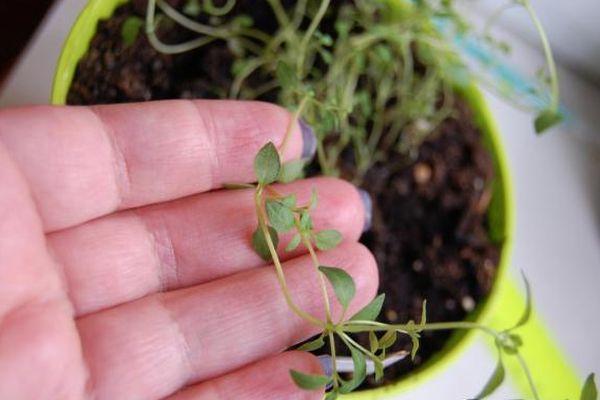
If the plant is being planted in a flowerbed or rock garden, thinning is not necessary—the plant will cover the ground like a solid carpet. To ensure the growth of green foliage, it is recommended to sow the seeds in late autumn, before frost. In the absence of snow, during cold winters, thyme can be insulated with dry leaves or spruce branches.
Seedling method
Planting from seeds is fraught with numerous difficulties, including poor germination and slow growth. To avoid this, the seedling method is used. A special box is filled with a drainage layer—up to ten centimeters of expanded clay, gravel, or small crushed stone. Soil is then added on top. The seeds are sown in moist soil, covered with sand, the box is wrapped in plastic, and stored in a cool room.
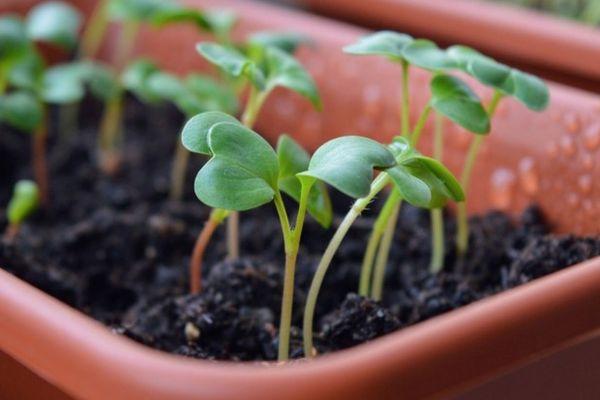
After the seedlings have sprouted and three leaves have appeared, thin out the seedlings. The crop is planted outdoors two months after germination. It is recommended to choose a cloudy day for this.
Care
The key to caring for the plant is to avoid overwatering and ensure it receives direct sunlight. The bed should be well ventilated and well-lit.
Watering
Watering once a week is sufficient, regularly loosening the surface layer of soil to prevent crusting. In humid weather, watering should be avoided altogether. Increase the soil moisture slightly during the flowering period.
Top dressing
When planting, add a small amount of urea to the soil. During the growing season and after harvesting, apply mineral fertilizer. Avoid adding manure, as the crop does not tolerate this type of fertilizer.
Pests and diseases
The fragrant oils contained in thyme repel most insects. However, some species, if not properly cared for, can cause damage. The plant is susceptible to:
- weevils;
- meadow moths;
- sandy slow-moving fish.
Aphids are particularly dangerous, capable of destroying crops in a short period of time. Insecticides are used to control these pests when they appear.
Overwatering the plant can lead to fungal infection. To combat the disease, use an antifungal solution.
Harvesting
The stems are cut with a sharp knife. Harvesting by hand runs the risk of uprooting the plant. Harvesting occurs during the flowering period. The collected material is dried in a well-ventilated area, protected from direct sunlight.
As can be seen from the material, Medoc thyme is a very useful variety of thyme that presents no particular difficulties for growing at home—in an open garden bed or indoors.
Related posts:
 The best eggplant varieties for growing in a polycarbonate greenhouse: planting and care
 80 Best Eggplant Varieties for Different Regions with Descriptions and Characteristics
 Description of the Velika grape variety, cultivation and care tips
 The best methods for growing grapes from seeds at home
 Description and rules for growing Solaris grapes
 The main varieties and types of thyme with a description of how to grow thyme and its benefits
 Description of 30 grape varieties for Siberia, planting and care for beginners
 Description and characteristics of the best seeds of pea varieties and types