
In folk medicine, the healing properties of herbs and other plants are often used. Thyme varieties Silver Queen has a rich aroma and numerous beneficial properties, making it popular in cooking and medicinal preparations. This variety boasts beautiful blooms, making it suitable for growing as an ornamental flower, and harvesting and consuming the fruit once it ripens.
Variety specifics
The distinctive features of the semi-shrub are the following specific points:
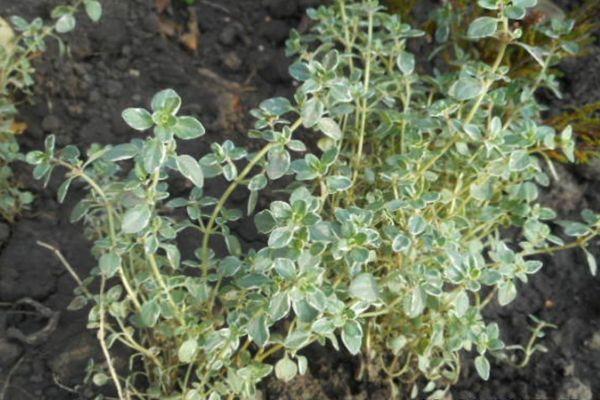
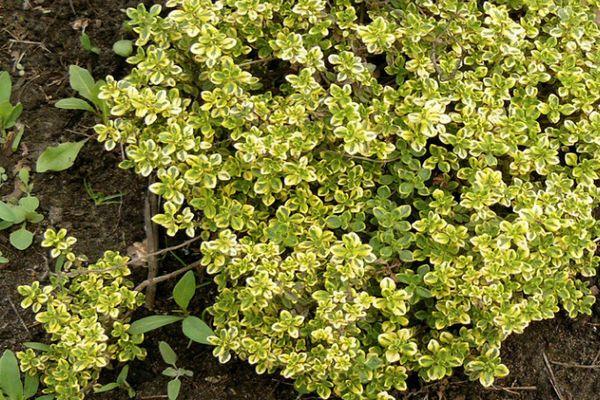
- Lemon-scented subshrub.
- The plant is characterized by its low growth (10-20 centimeters).
- The variety has a light green color.
- The edges of the leaves curl downwards.
- The kidneys are made in the form of glands.
- The leaves have a white border.
- Additionally, grey inserts are observed.
Every distinctive feature of thyme is unique to the Silver Queen variety.
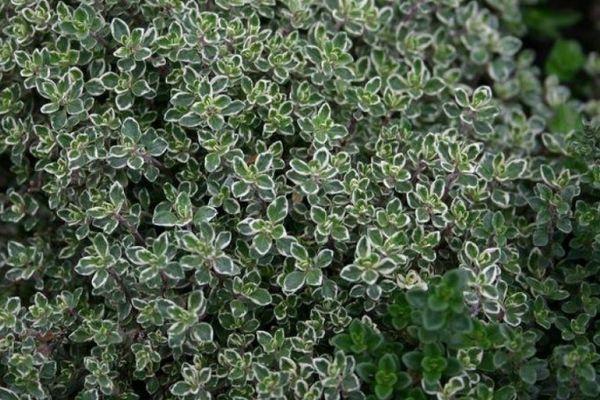 Due to the plant's healing properties, doctors often recommend using the fruits of this variety as an adjuvant to medicinal treatments.
Useful qualities of the subshrub
The fruits and other parts of the subshrub contain a wealth of beneficial substances. Among them, the following components stand out:
- acids of organic origin included in the composition;
- the presence of essential oils in the plant;
- tannins are present;
- flavonoids;
- various resins.
Due to the presence of these substances in the subshrub, its fruits are often used in cooking and medicine. Thyme of this variety is also used for disease prevention.
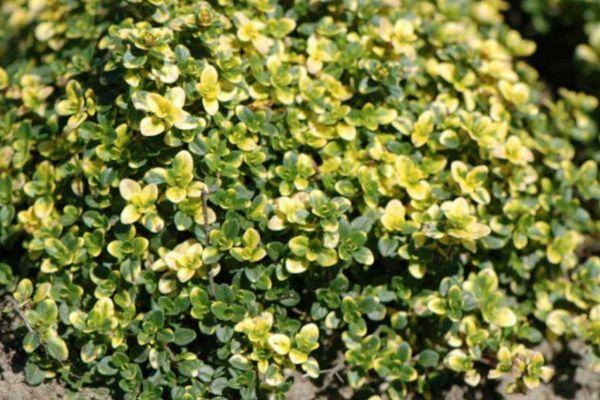
Prepared thyme infusions are often used to treat bronchitis or pneumonia in humans. Making poultices also helps combat joint diseases.
Landing dates
The perennial plant is characterized by slow ripening, which is why it is necessary to clarify the following points:
- planting in open ground is carried out in spring or autumn;
- It is recommended to plant seeds as seedlings in advance;
- During the summer period, it is recommended to divide the bushes for better fruiting.
Sprouts begin to appear when the air temperature regularly exceeds 20 degrees.
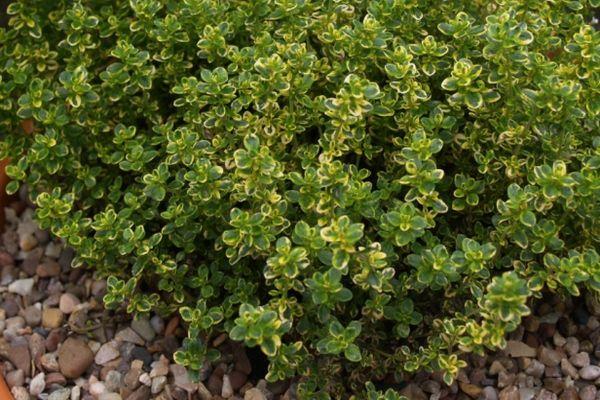
When preparing seedlings, perennial bushes mature faster than with standard sowing in the ground.
Preparing seeds for planting
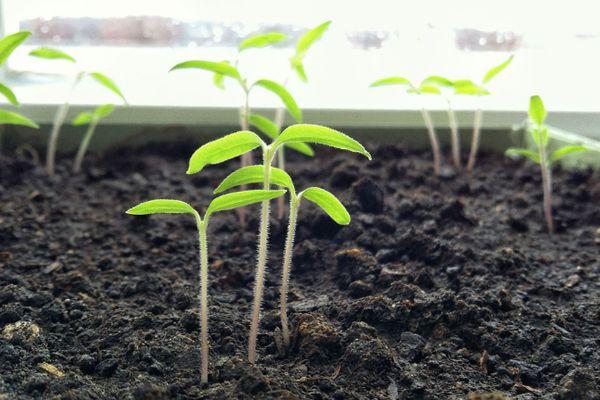
Despite the plant's low maintenance, the first shoots emerge slowly. This is due to the high concentration of essential oil. For planting, seeds are collected in early autumn, when the bushes have already finished bearing fruit. Dry the seeds before storing, and soak them in warm water for no more than 12 hours before planting.
Preparing the soil for sowing
This thyme variety is recommended for planting in moderate sunlight. Shade is acceptable, but the plant will stretch its stems, which will hinder fruiting. The planting area should be free of overwatering and frequent wind, as these negatively impact the growth of this subshrub.
Silver Queen does not like excess moisture; if there is a large amount of water, the roots quickly begin to rot.
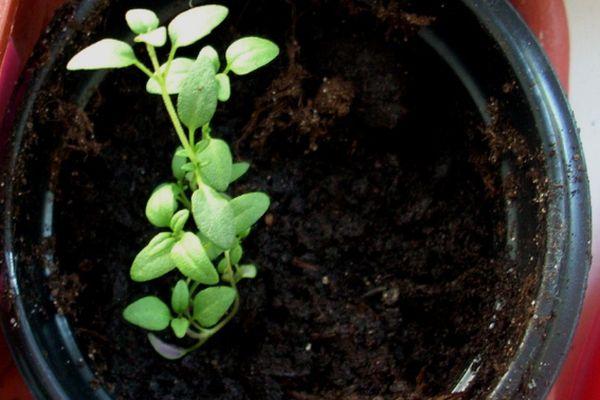
Before planting, the bed should be dug to the depth of one spade. All weeds and other plant debris should be removed. Fertilizing the soil with a mineral-enriched mixture is recommended before sowing.
Landing
Seedlings of this variety should be sown in the spring (right after the snow melts). When planting, plant the seedlings no more than one centimeter deep. Leave a 20-centimeter gap between adjacent plants. To speed up growth, seedling preparation is required. Rapid seedling growth is ensured by a mixture of peat and sand, which is then covered with soil after planting. Once the seedlings have matured, they should be transplanted into open ground in May. This should be done along with the soil used for the seedlings.
Rules for caring for a semi-shrub
This moment includes a whole range of preventive measures:
- regular watering of the plant;
- feeding the bush with fertilizer;
- protection of subshrub from diseases and pests.
Like many varieties of thyme, Silver Queen does not tolerate excess moisture, which is why the plant is watered only during dry periods.
Only with high-quality care is it possible to harvest a bountiful crop, which can then be stored for the winter.
Watering a subshrub
Thyme dislikes excess moisture, so it rarely requires watering. Only during dry summer periods does the soil need to be watered. In practice, a small amount of water once a week is sufficient. Watering should also be done after planting, and then the soil should be loosened.
Fertilizer feeding
This thyme variety will bear fruit in any soil, but it's recommended to amend the soil with mineral-enriched compost in the fall to ensure a bountiful harvest. In the spring, it's also recommended to sprinkle the plant beds with ash. This should be done until the first shoots emerge. Fertilize the subshrub after harvesting. In winter, if there's no snow, insulate the shrubs with spruce branches.
Diseases and pests
This thyme variety is disease-resistant, but does not tolerate excess moisture or severe drought. Most insects and pests avoid this lemon-scented variety. However, some insects still land on the leaves:
- aphid;
- weevils;
- meadow moths.
To combat these insects, thyme beds are occasionally sprayed with insecticides.
Harvesting and storage
Thyme leaves are harvested in the summer, when the plant is in bloom. The leaves are dried without pre-rinsing in a well-ventilated area. If harvested correctly, the fruits of this subshrub retain all their nutrients and components for up to two years.
Take a look Also

It is not recommended to dry the leaves specially. Silver Queen using increased temperature, as this may cause all essential oils to evaporate.
Related posts:
 Description and beneficial properties of Marshall's thyme, rules for harvesting and using thyme
 Methods for planting and propagating cherries at home
 The best eggplant varieties for growing in a polycarbonate greenhouse: planting and care
 The best methods for growing grapes from seeds at home
 Nitrophoska composition and instructions for use of fertilizer, errors
 What is the best way to feed geraniums at home? - a list of fertilizers
 Conditions for growing mandarin at home and rules for caring for the tree
 Medicinal properties and contraindications of thyme for the human body, application